

What Product Layering for Frizz Control Really Means
Product layering for frizz control is the deliberate sequence of smoothing hair masks, conditioners, creams, and heat protectants that lock moisture into the hair shaft so strands stop grabbing water from the air, keeping them smooth, defined, and less prone to puffing up in humidity.
If your hair balloons the minute you step outside or loses shape the second you pull out a blow-dryer, this method is for you. Frizz usually starts with dehydration: when hair is dry or damaged, it pulls moisture from the air, which roughens the cuticle and leads to that halo of fuzz and swelling on humid days. Heat tools, color, and chemical straighteners only make that dryness worse, so you need both moisture and heat styling protection built into your routine. The goal of layering is simple: condition deeply enough that your strands feel quenched, then seal in that moisture with frizz control products that also defend your natural texture from heat and humidity, instead of weighing it down.
Why Masks, Creams, and Humidity Shields Work Better Together
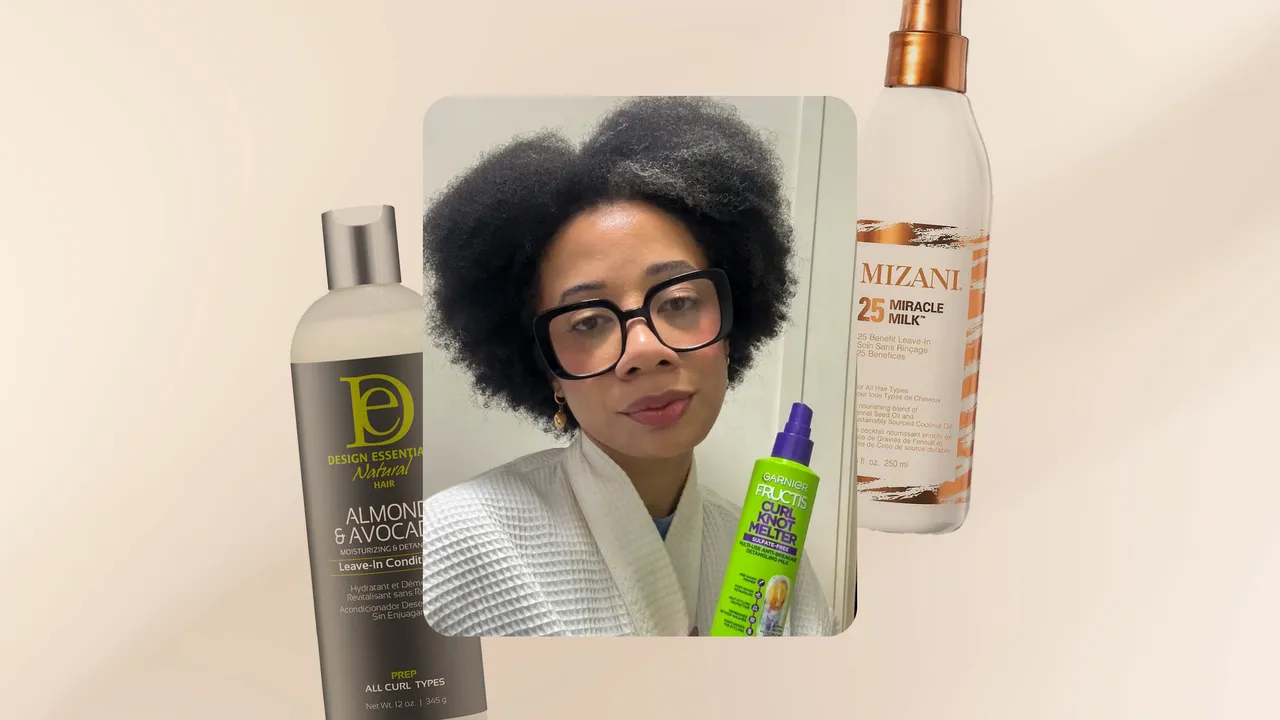
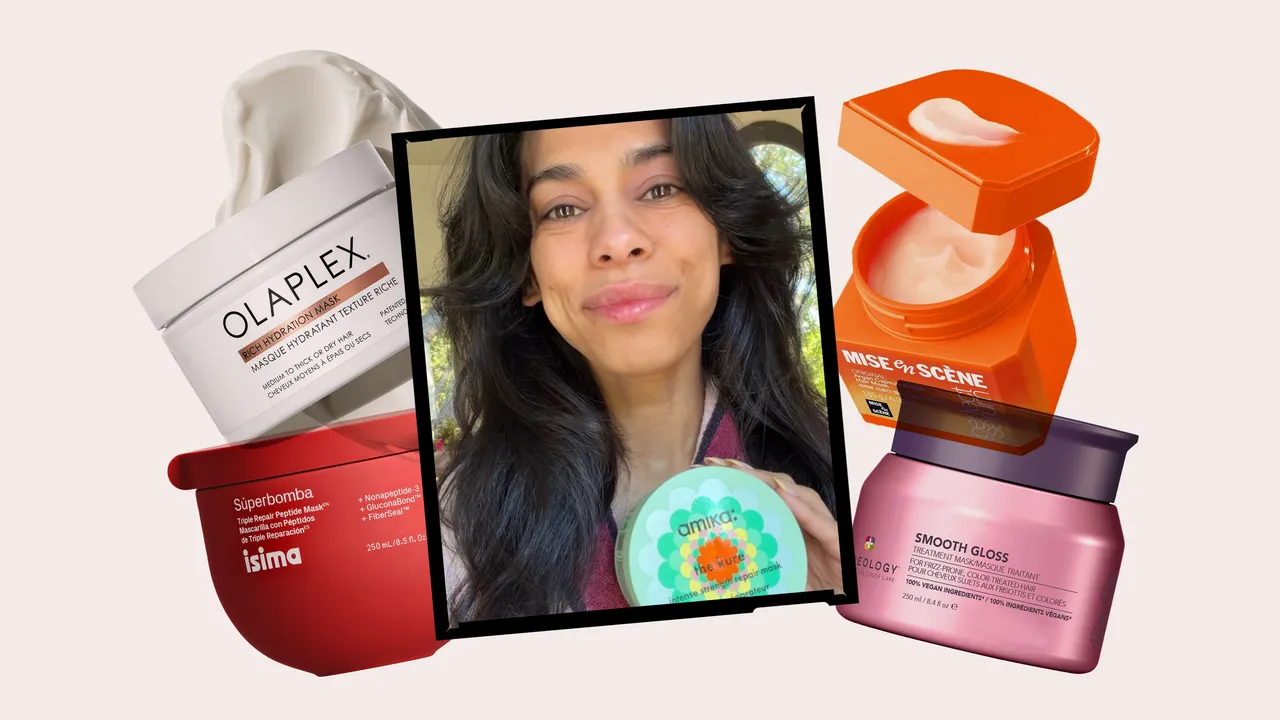
Think of your humidity resistant hair routine as dressing in layers for bad weather. The inner layer is moisture: hydrating, smoothing hair masks keep your strands conditioned so they are less likely to swell when the air is damp. According to expert colorist Lauren Paglionico, using a mask more often will not eliminate frizz, because frizz is tied to your texture, breakage, and humidity, not how many times you mask. So weekly, not daily, is enough for most people.
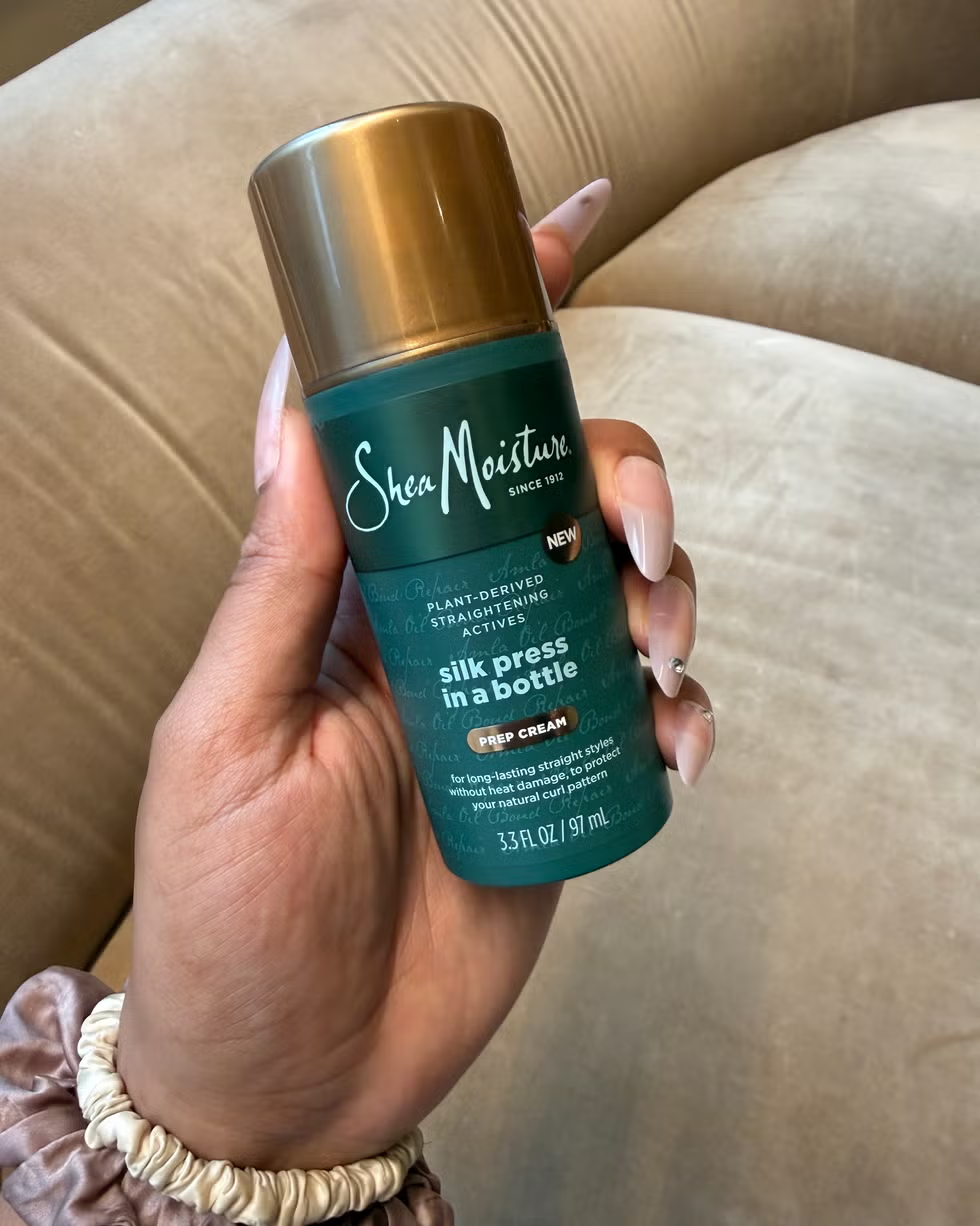
On top of that conditioning base, you add a prep cream that doubles as heat styling protection and a shield against frizz and humidity while preserving your curl pattern. This is where silk press creams and smoothing treatments come in: they are meant to be applied to damp hair right before you blow-dry, so they can coat each strand evenly and protect it as you smooth it out. The last layer is a light humidity-resistant finisher that maintains style integrity without leaving hair heavy or greasy, so curls and coils can spring back later instead of feeling coated.
Step-by-Step: The Humid-Weather Layering Routine
- Wash your hair with a gentle shampoo, then squeeze out excess water so it is clean but still damp.
- Once a week, apply a moisturizing, smoothing hair mask from mid-lengths to ends, avoiding the scalp to prevent buildup that can weigh hair down.
- Rinse the mask thoroughly, then lightly towel dry so your hair is damp, not dripping, which helps later products spread evenly.
- Section your hair into four parts after washing; this makes it easier to coat every strand with frizz control products.
- Apply one pump of a silk press cream or similar smoothing prep cream to each section of damp hair, then work it through with a wide-toothed comb so the product is distributed from roots to ends.
- Blow-dry each section using a nozzle or brush attachment, allowing the prep cream to provide heat styling protection as you smooth the cuticle.
- If you use a flat iron or other hot tools afterward, keep passes slow and controlled so the existing heat protectant can shield the hair shaft from extra damage.
- Finish with a small amount of a humidity-resistant styler on mid-lengths and ends to help your style stay sleek and tamed with minimal swelling, even through long, humid days and nights.
The sequence matters: moisture first, then protection, then refinement. Skipping straight to heavy serums or oils on dry hair may hide frizz for an hour, but it does not stop the core problem that dry strands pull in water from the air and poof on humid days. By keeping hair hydrated and evenly coated in a prep cream that also guards against heat, you set yourself up for smoother blowouts that hold their shape without sacrificing your natural curl pattern.
Common Mistakes That Ruin Your Frizz-Control Effort
The two biggest saboteurs are over-masking and misplacing rich products. Experts warn against using hair masks every day; adding more masks does not remove frizz and can cause buildup that leaves hair limp, heavy, and harder to style. That defeats the whole purpose of a humidity resistant hair routine, which should give you soft movement, not sticky or coated strands. Most people see the best balance when they treat with a mask about once a week, giving the hair shaft time to benefit without drowning it in residue.
The other mistake is applying thick masks to the scalp instead of focusing on the hair fiber. When rich products collect at the roots, they weigh hair down and reduce volume instead of smoothing rough lengths. Likewise, slathering on too much prep cream in one go can leave hair feeling greasy rather than well-moisturized, even if the product itself is designed to feel weightless and conditioned rather than heavy. Use the recommended amount per section and distribute with a wide-toothed comb so your frizz control products enhance definition without suffocating your natural texture.
What Results You Can Expect—and How to Keep Them
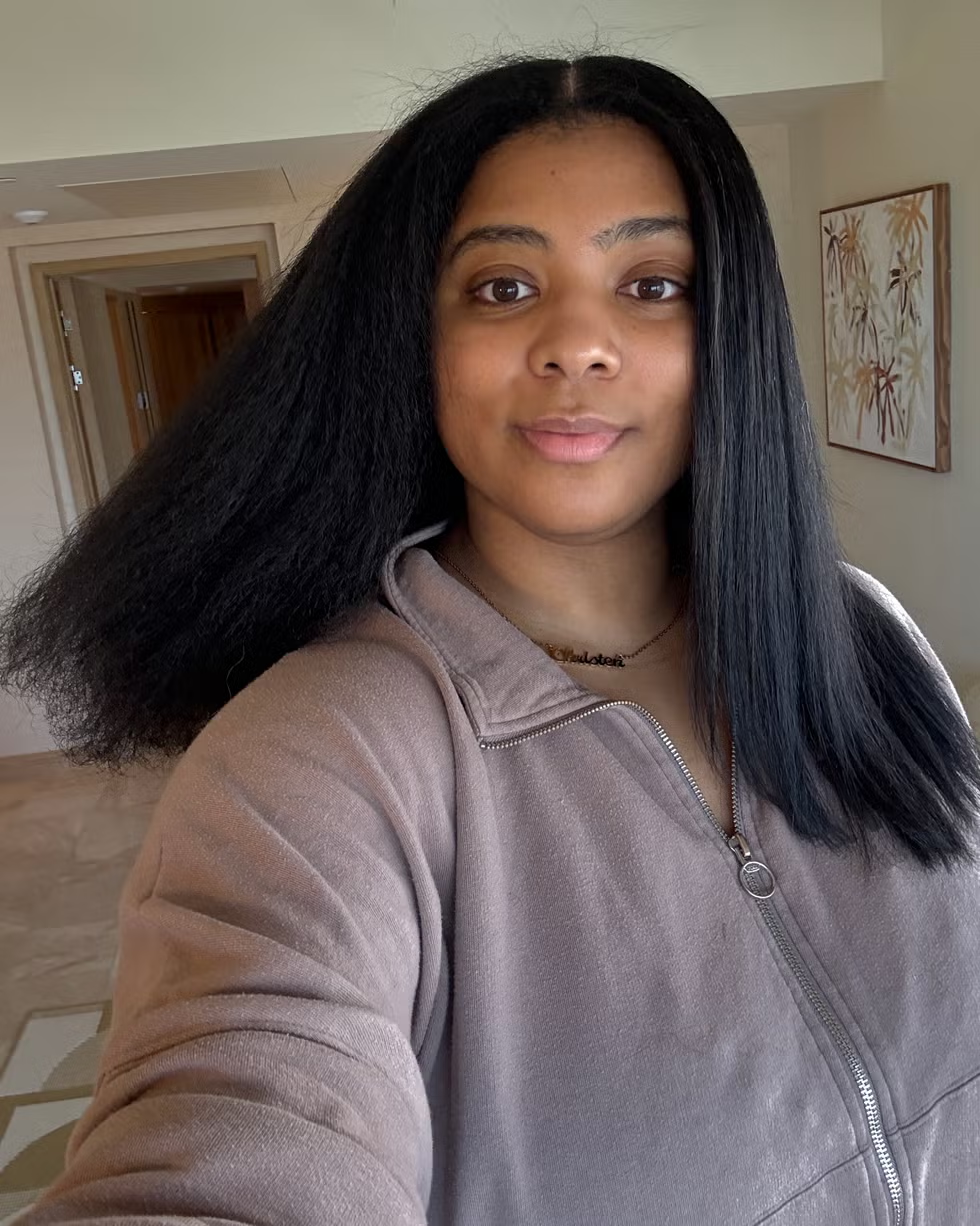
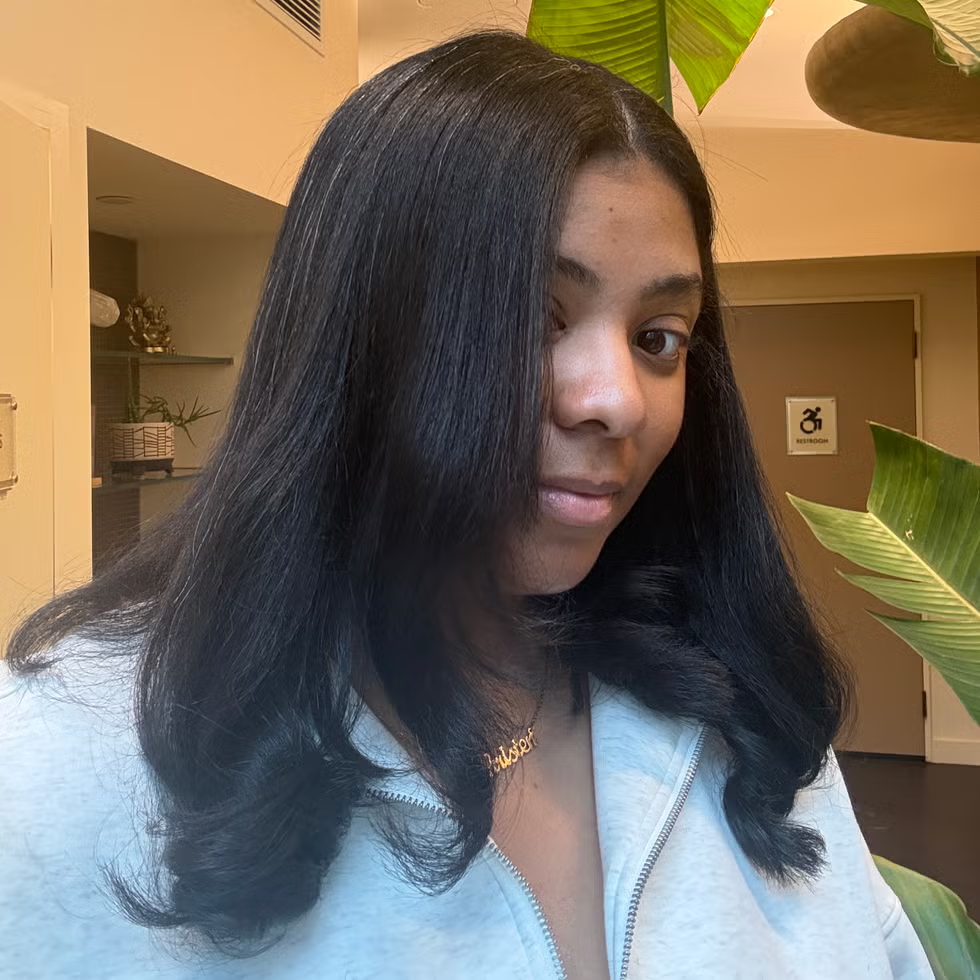
When you layer smoothing hair masks, prep creams, and humidity shields in the right order, you can expect hair that feels soft, smooth, and tamed, with very little swelling even through long exposure to heat and humidity. In practice, that means a straight style or silk press that holds up across sweaty nights out, windy days, and time outdoors without puffing out the minute the air feels thick. Because the prep cream is designed as a shield against frizz and humidity while also acting as a heat protectant, your hair is less likely to pick up damage from blow-dryers and irons, and your curl pattern can bounce back afterward instead of staying stretched and fried.
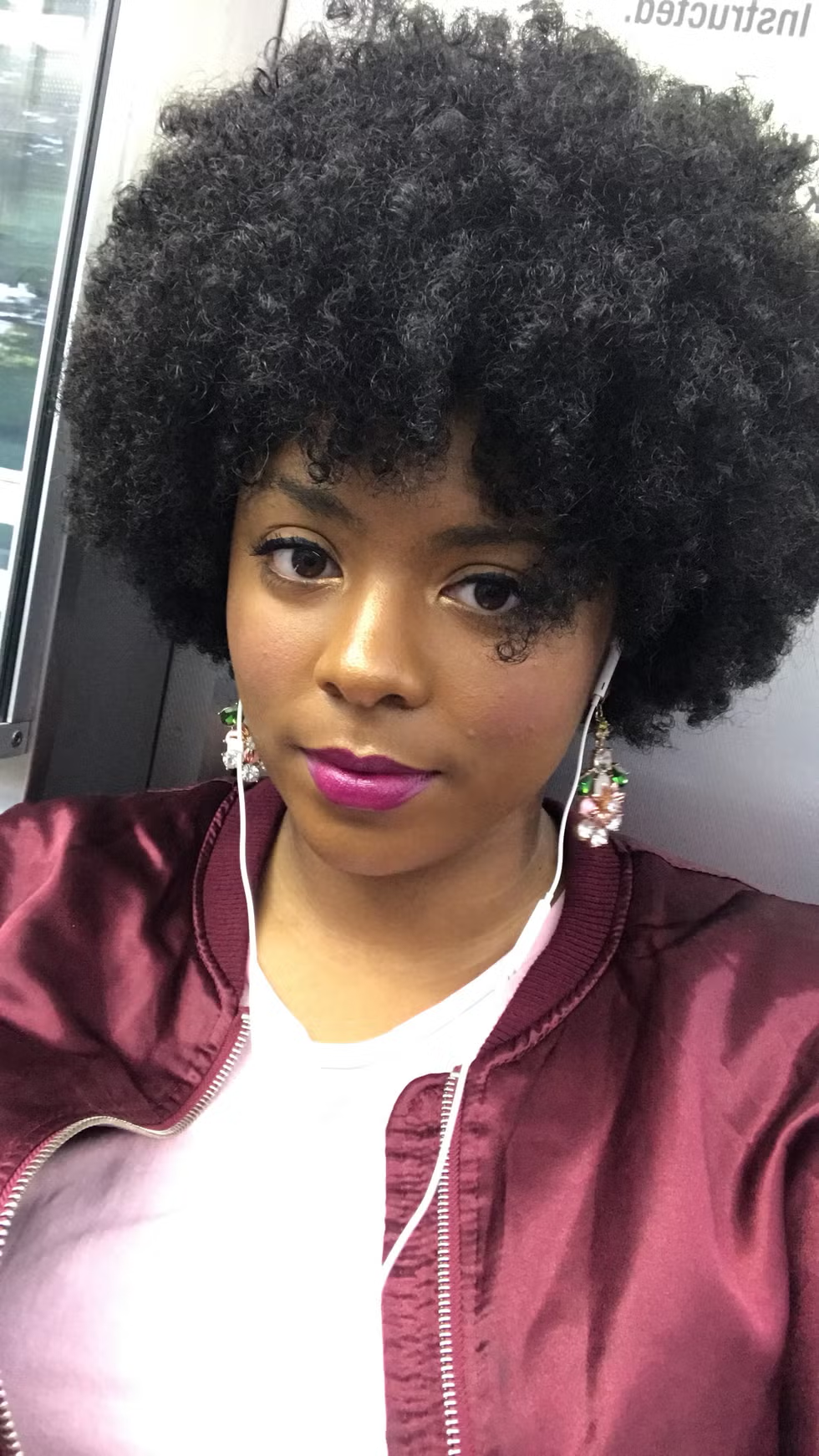
Over time, this approach supports hair health as well as appearance. A consistent routine of hydrating products at home helps maintain your strands’ texture so they are less reactive to weather changes. When you avoid overusing masks and heavy products, you also sidestep that coated, lifeless look that comes from buildup. The payoff is hair that looks sleek now, styles more easily, and returns to its coily or kinky, defined glory when you wear it natural again. Keep an eye on how much product you use, stick to weekly treatment masks, and your frizz control routine will stay worth the effort.