
Oral “Sunscreen” in One Sentence: Helpful, Not a Shield
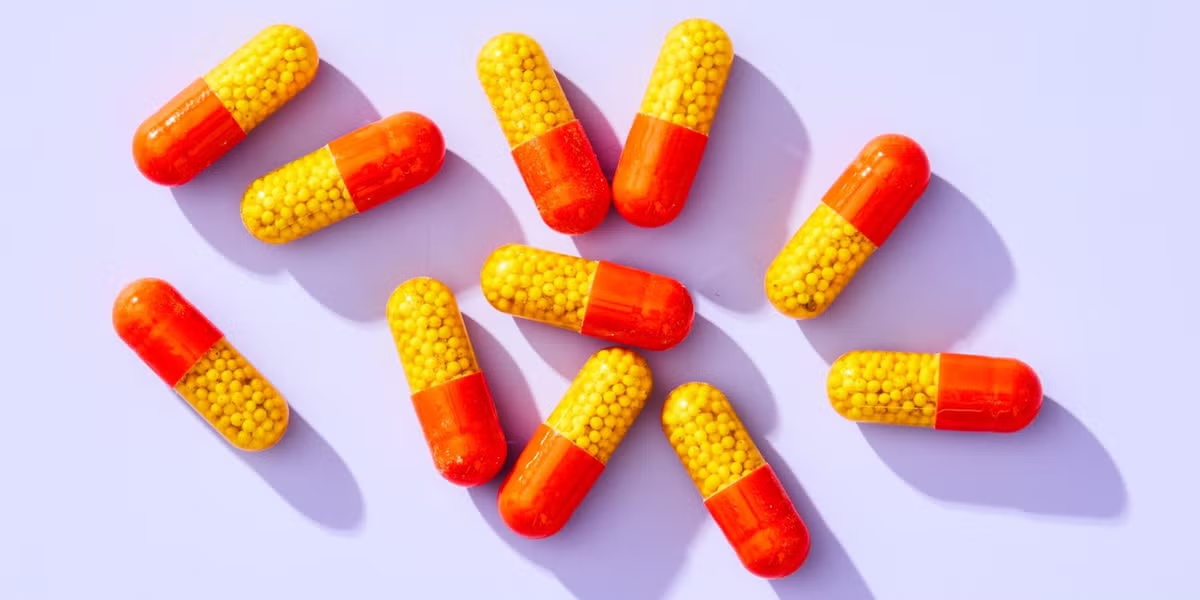
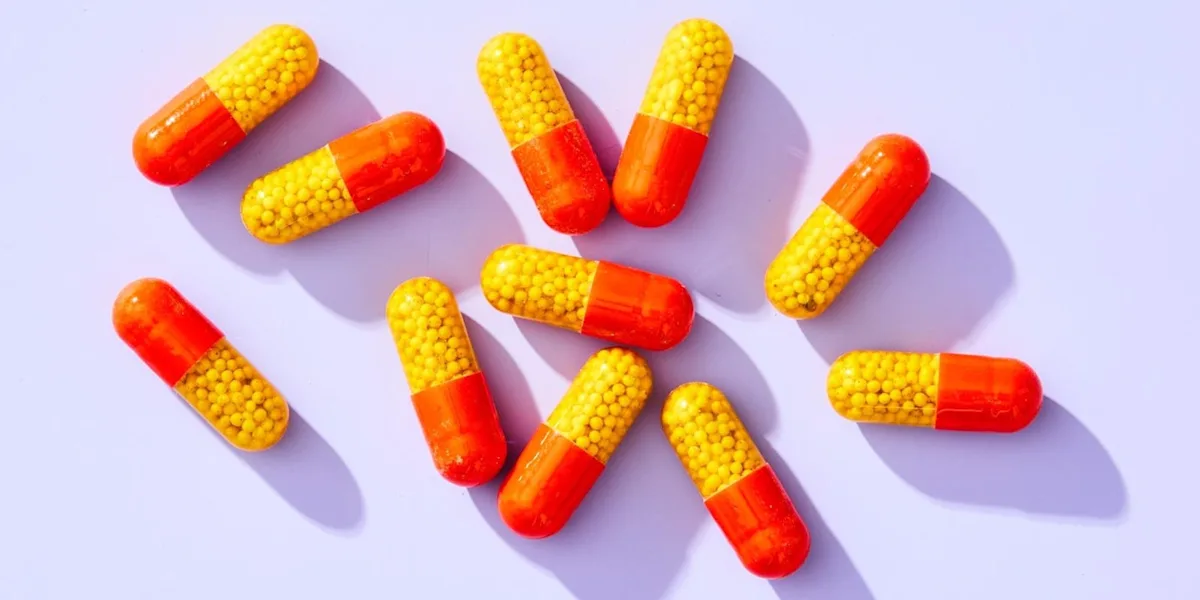
Oral sunscreen supplements are ingestible capsules or gummies that claim to provide internal UV protection by reducing sun-induced oxidative stress and inflammation rather than physically blocking rays at the skin’s surface.
Here is the blunt truth: sunscreen supplements work as support, not as a stand‑in for SPF. The term “oral sunscreen” is part of the problem; it makes swallowing a capsule sound equivalent to applying a broad-spectrum lotion, and that is false by every dermatology standard. Ingestible sun protection has been around for years and is trending again as tanning culture resurges and wellness marketing promises effortless safety in the sun. But marketing hype aside, these products are classified as dietary supplements, not as regulated sunscreen drugs, and they offer no measurable sun protection factor at all. If you treat them like a substitute for sunscreen, you are giving UV radiation a clear path to your skin.
How Sunscreen Supplements Work from the Inside
To understand oral SPF pills effectiveness, you have to accept that they do not behave like topical filters. Traditional sunscreen forms a shield: mineral formulas reflect or scatter UV light, while chemical filters absorb it before it can injure skin cells. Oral products, in contrast, work from within by helping to reduce the oxidative stress and inflammation caused by UV exposure. They modulate the damage; they do not block the hit.
The most studied ingredient is polypodium leucotomos extract, a fern-derived antioxidant that has been shown to reduce oxidative stress, limit free radical damage, lessen UV‑induced DNA injury, and support immune responses that calm visible inflammation. Nicotinamide (vitamin B3) is another research-backed component that supports DNA repair pathways and cellular energy after UV insults. Together with other antioxidants such as lycopene, beta‑carotene, astaxanthin, green tea polyphenols, and cocoa flavanols, they form an internal cushion against UV damage prevention — but a cushion is not armor.
The Science Gap: What Studies Show vs. What Ads Promise
Here is where the wellness fantasy collides with data. On the optimistic side, dermatologists point out that sunscreen supplements work better than a fad: there are human studies showing measurable effects on UV‑induced skin damage, especially with polypodium leucotomos extract. That makes these capsules more credible than many beauty trends that never make it out of petri dishes or mouse models.
But the gap between marketing and proof is wide. Right now, there are no controlled clinical trials showing that taking polypodium leucotomos reduces skin cancer incidence in the general population. Nor do these products carry an SPF value or undergo the strict testing and regulation required of topical sunscreens. One expert warns that the label “oral sunscreen” falsely suggests equivalence to SPF — and “that’s simply not true”. Despite promising mechanisms and early data, the evidence is not strong enough to crown them primary sun protection. Any brand implying otherwise is selling comfort, not certainty.
Topical vs Oral Sunscreen: Why SPF Still Rules
If you care about dermatologist sun protection advice, the verdict is clear: topical sunscreen remains the gold standard. Skin care prevention still comes down to reducing UV damage by wearing sunscreen, protective clothing, and seeking shade. These are our most proven tools, with decades of data linking daily SPF use to fewer burns, slower photoaging, and lower rates of certain skin cancers.
Dermatologists insist that even the best oral SPF pills effectiveness does not make anyone “immune” to the sun. These products alone cannot be your only defense, and they do not eliminate the need for sunscreen or protective clothing. Bottom line: supplements should be an adjunct, not a replacement for traditional SPF. The practical playbook is boring but effective: start with broad‑spectrum SPF 30 or higher, reapply every two hours and after swimming or sweating, add hats, sunglasses, and UPF clothing, and favor shade during peak UV hours. One dermatologist puts it plainly: “wear sunscreen like you brush your teeth, do it every day, not just when you’re headed to the beach”.
Who Might Benefit from Supplements—and How to Layer Smartly
If oral sunscreen supplements cannot replace SPF, where do they fit? This is where a nuanced view matters. Experts see them as an extra layer for people with higher stakes: those with multiple past skin cancers, melasma, photosensitive conditions, significant outdoor exposure, or stubborn hyperpigmentation may gain meaningful support. For these groups, the potential to dial down UV‑triggered inflammation and pigment production is not trivial.
Dermatologists recommend using such supplements during vacations, outdoor sports seasons, or high‑sun months, and for some pigmentary disorders, as part of a daily plan. As tanning culture resurges while skin cancer rates climb, understanding that UV damage accumulates over a lifetime is essential: every unprotected hour adds microscopic DNA injuries and inflammatory hits. The smartest strategy is layered. Use a daily broad‑spectrum SPF, reapply diligently, wear protective clothing, seek shade, and then — if you fall into a higher‑risk or highly sun‑exposed category — consider an oral antioxidant supplement as a bonus, not a hall pass. Pills are a seatbelt; sunscreen is the brakes.