
Why Halo and Fishtail Braids Are Everywhere Again
Halo braids and fishtail braids are polished yet effortless braided hairstyles, worn like a crown around the head or in a long, woven plait, that have returned to trend thanks to celebrities and feel romantic, versatile, and suitable for both everyday wear and special events.
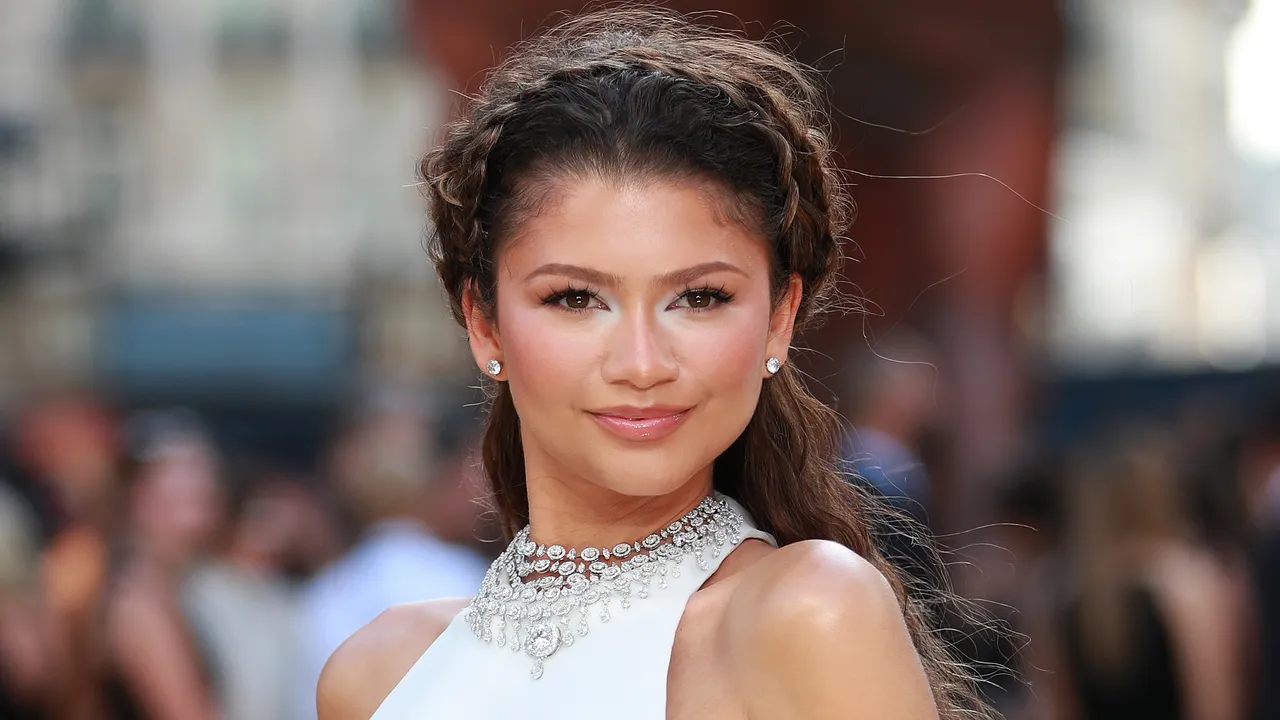
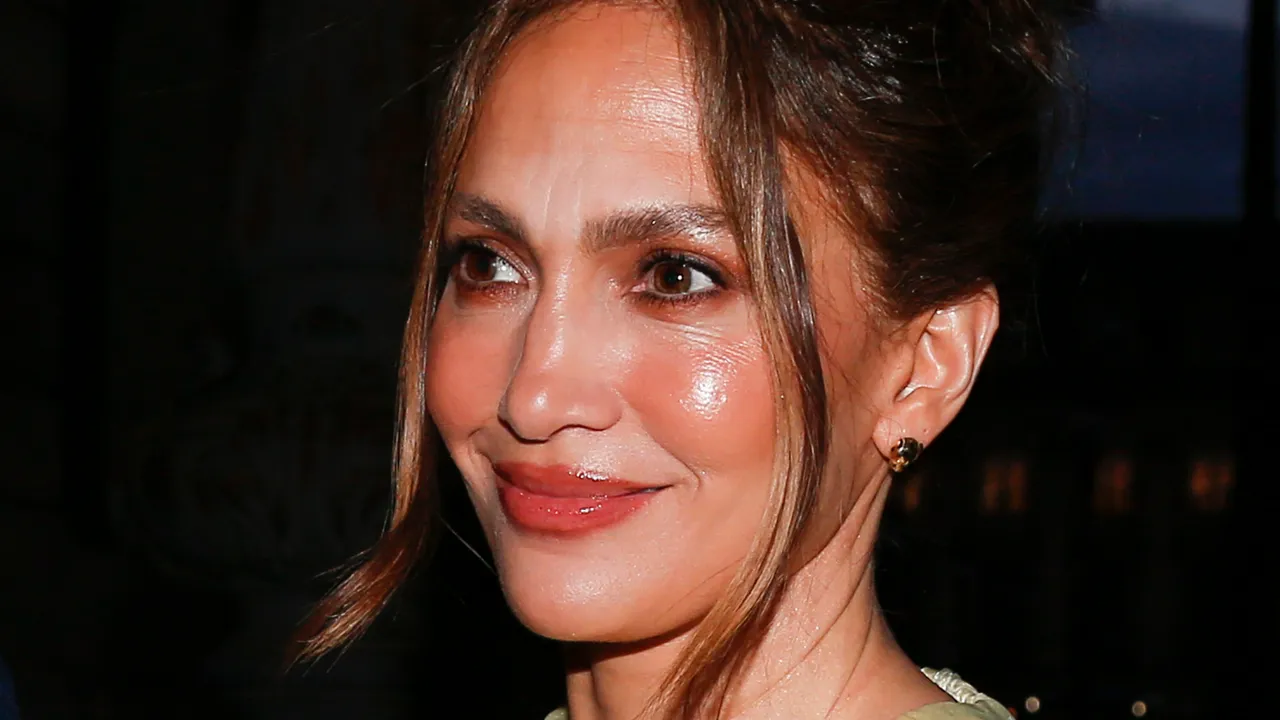
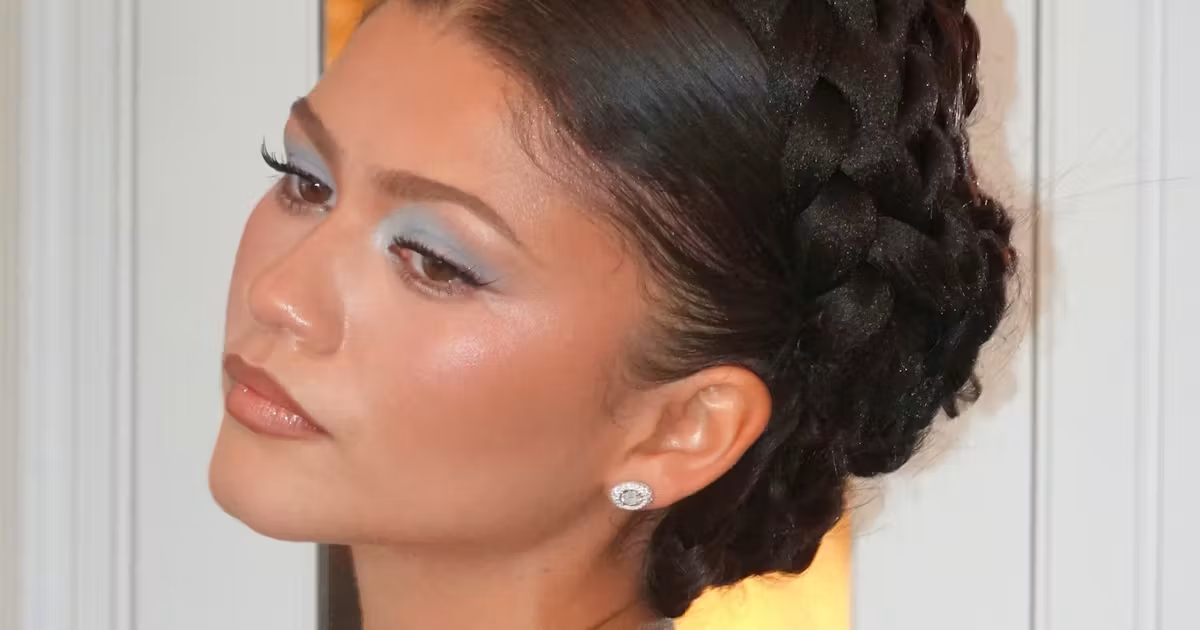
If your feed looks like a throwback to those Pinterest hair boards, you’re not imagining it: halo braids and fishtail braids are firmly back on the celebrity circuit. They slot neatly into the shift away from slick-back minimalism toward softer, more expressive looks that still feel polished. According to master hairstylist Rashuna Durham, fashion and beauty are embracing “more romantic silhouettes,” and these braid styles capture that mood. A halo braid wraps around your head like a crown and works for weddings, press events, or a coffee run; fishtail braids bring a festival-friendly, nymph-like vibe that stars like Taylor Swift and Zendaya keep returning to. The catch: they look intricate, but the secret is all in your prep and how loose you keep the braid.
Prep: Getting Your Hair Into “Braid Condition”
Before you touch a strand, think about preparation the way a stylist would. You can start with freshly washed hair or second‑day hair; if your roots look greasy, a little dry shampoo cleans them and adds grip and movement so the braids hold their shape without slipping. A middle parting usually works best for symmetrical braid styles, so use the space between your eyebrows as a guide and imagine a straight line from the forehead to the nape of the neck. For halo braids, there’s one major caveat: hair that is too clean or too dry makes the braid stiff and hard to work with, so spritz a light detangler to get your strands in halo condition. The most common mistakes here are going in with squeaky‑clean, slippery hair or overloading it with drying products; both will fight against the soft, whimsical texture you’re aiming for.
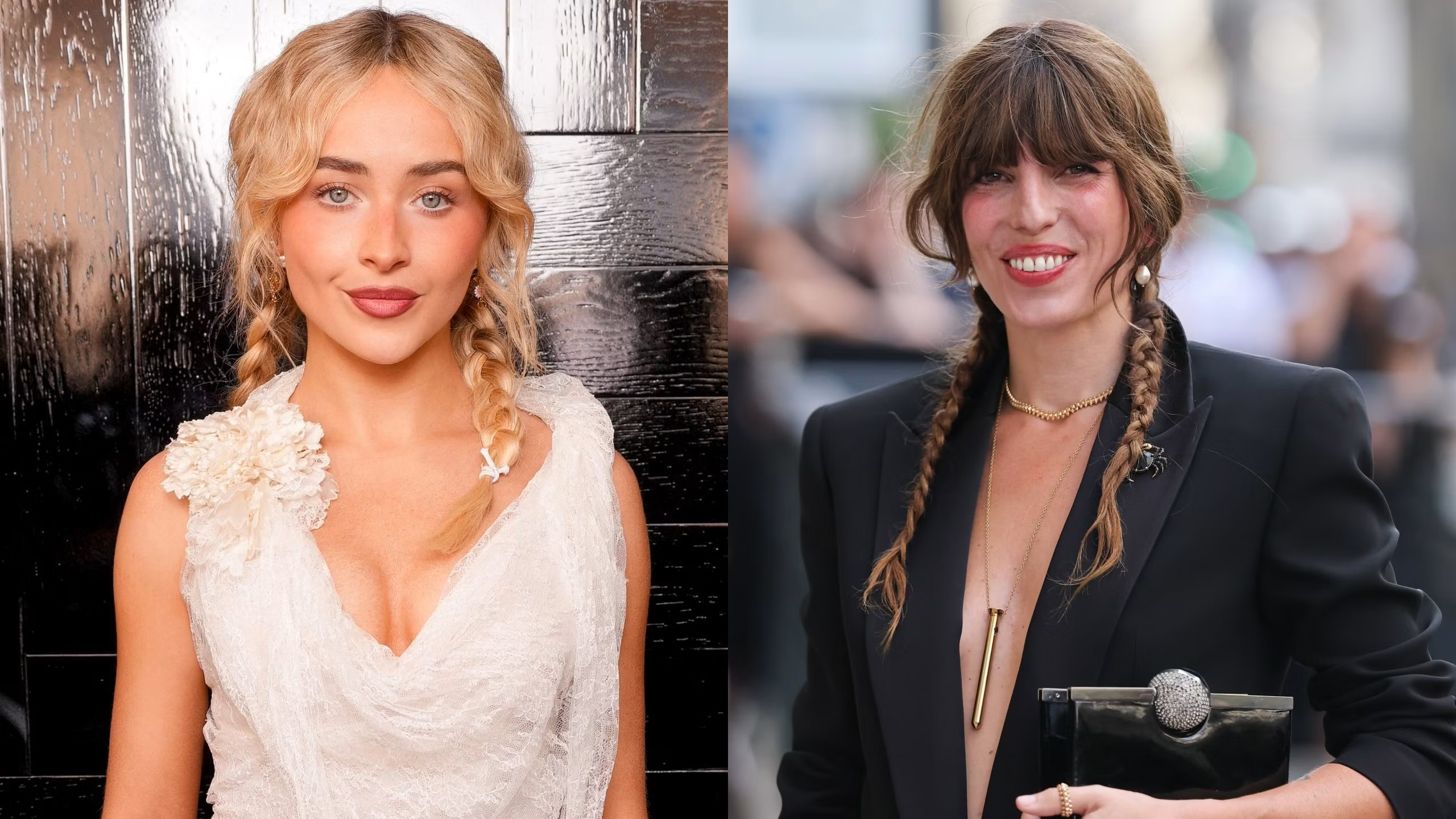
Once your hair is parted and prepped, decide how polished you want the front to look. Celebrity stylist Tom Smith explains that leaving soft pieces of hair around the face rather than perfectly neat plaits keeps the look feeling current and creates the illusion of a shorter haircut on very long hair, while still framing the face gently. This is the difference between school‑style pigtails and the modern, doll‑like plaits you see on red carpets: a few wisps and tendrils make everything more relaxed and intentional. Whether you’re heading to a festival or a formal event, think of this step as setting the vibe of your braid before you even start weaving it.
Step‑by‑Step: From Baby Doll Plaits to Halo and Fishtail Braids
- Section your hair with a middle part from forehead to nape, then clip or tie one side into a temporary ponytail while you work on the other.
- On the loose side, choose your braid: for baby doll plaits, create a classic three‑strand braid starting around the nape; for a halo braid, begin a braid near one ear and work it around the head like a crown; for a fishtail braid, divide hair into two sections and alternately cross small pieces from each side over to the other.
- Tilt your head slightly away from the side you’re braiding and bring the braid forward over your shoulder so it stays visible from the front, then repeat the process on the other side if you’re doing pigtail‑style plaits.
- Secure the ends with small elastics — clear ones for an invisible finish, or ribbons, printed silk scrunchies, or small claw clips if you want a more accessorized, celebrity‑inspired look.
- Once the braid or crown is in place, gently loosen sections with your fingertips to create fullness and that effortless, lived‑in texture, avoiding tight tension so the braid feels soft, romantic, and current.
Here’s where the intricate braid techniques meet everyday practicality. For baby doll pigtail plaits, bringing the braids forward is key; it keeps them visible from the front and creates a playful, slightly shorter‑looking silhouette that feels light‑hearted without trying too hard. For halo braids, wrapping the braid around the top of your head like a crown transforms loose hair into a low‑maintenance protective style that can be dressed up with jeweled accessories, brooches, or kept breezy with soft tendrils at the front. Fishtail braids are described as capital “R” romantic, especially when the braid is loose at the nape of the neck instead of tied into a tight ponytail first. You can add waves with a hot tool before braiding to keep things from looking overly smooth and to enhance that whimsical texture.
Common Mistakes, Texture Tricks, and All‑Day Hold
The most common mistake with halo braids and fishtail braids is making them too tight. Durham points out that a softer braid photographs better and feels more current than a rigid, high‑tension plait. After you secure your braid, loosen it by gently tugging on the outer edges with your fingertips; this small tweak creates airy volume and the kind of lived‑in finish you see on celebrity braid styles instead of a severe, pulled‑back look. If your hair is very smooth, a workable texture spray can help you achieve lightweight, airy texture and volume so the braid holds without collapsing. To keep the style intact throughout the day, finish with a touchable hairspray that offers flexible hold, controls flyaways, and keeps the braid polished without making it stiff — this balance is what lets your halo or fishtail move naturally while still looking put together.
Think of these hairstyle tweaks as your maintenance plan. A slightly shorter length of plait, rather than very long, floor‑length braids, feels playful, youthful, and light‑hearted while still offering the practical benefit of keeping hair off your neck during warm weather. Leaving a few wispy pieces out at the front softens sharp tailoring or structured outfits, adding an unexpected dose of femininity without tipping into costume territory. Throughout the day, resist the urge to keep re‑tightening the braid; instead, smooth flyaways with a bit of hairspray on your fingertips and re‑fluff the plait where it has flattened. This way, your halo braids tutorial results and fishtail braids how to efforts turn into reliable styles you can wear from daytime events straight into evening plans without a full redo.
The Payoff: Soft, Celeb‑Approved Braids You’ll Wear On Repeat
When you combine thoughtful prep, gentle tension, and a bit of loosening at the end, the result is that relaxed, whimsical braid texture you see on celebrity braid styles — not playground pigtails. Done well, these plaits create almost the illusion of a shorter cut on long hair, while still framing your face softly and keeping your neck cool. Halo braids are incredibly versatile: they show up dressed up for weddings and events and also with casual outfits for an elevated everyday look, all while acting as a low‑maintenance protective style that’s easy to DIY. Fishtail braids bring that romantic, festival‑ready energy, especially when worn loose at the nape with a bit of wave through the lengths. The main thing to watch for is tension and texture; if you keep those soft, these intricate braid techniques become reliable, go‑to styles rather than one‑off experiments.