
Verdict: A Repair Mask Worth Keeping in Your Routine
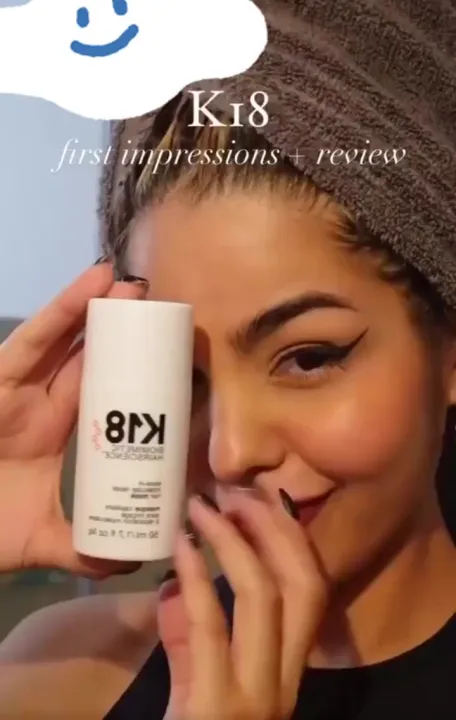
The K18 Leave-In Molecular Repair Hair Mask is a peptide-based, leave-in treatment designed to repair hair at the molecular level, focusing on damage from bleach, color, chemical services, and heat styling, and it stands out from traditional masks by acting as a quick four-minute step on towel-dried hair rather than a long, rinse-out conditioner. My bottom-line verdict: K18 is a long-term hair repair essential if your hair is bleached, frequently heat styled, or chemically processed and you care more about true structural repair than instant softness. It is less appealing if you want a plush, hydrating mask or only have mildly stressed hair. According to Cosmopolitan’s beauty team, six years after launch they still "swear by" the mask, which says more than any viral moment. At this point, it behaves less like a trend and more like a staple treatment for damaged hair.
Pros
- Targets internal hair damage from bleach, color, chemical, and heat services.
- Leave-in format with a fast four-minute application fits easily into weekly routines.
- Reported progressive results with consistent use over multiple washes and years.
- Formulation remains effective despite new competing treatments on the market.
Cons
- Provides repair, not moisture, so hair can feel dry or straw-like without added hydration.
- Can be overused, leading to hair that feels brittle or stiff if you do not balance it with softer products.
- Results are less dramatic on minimally damaged, natural hair compared to bleached or processed hair.
- Requires careful use alongside other products to avoid disrupting its four-minute repair window.
How K18 Works on Bleached and Heat-Damaged Hair
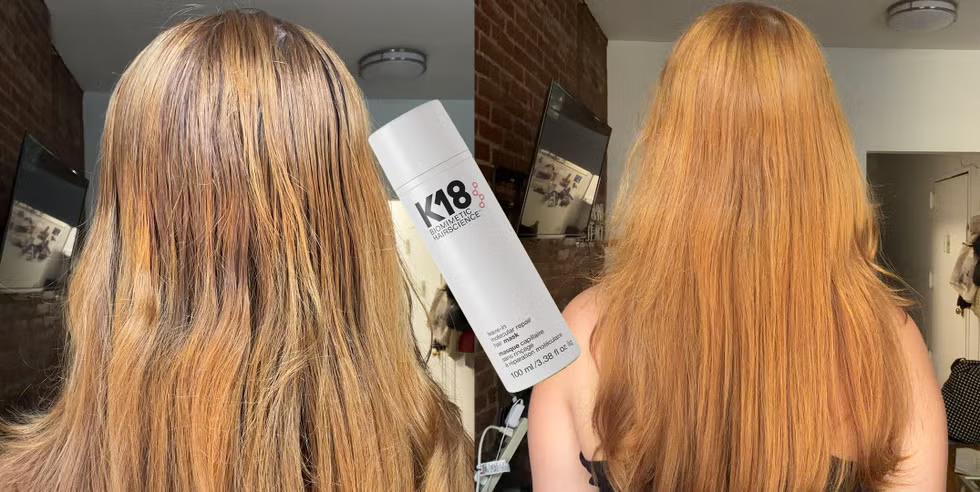
At the heart of K18’s long-term performance is the brand’s patented K18PEPTIDE, which hairstylist Devante Turnbull describes as a peptide that "mimics the hair's structure at its core by reconnecting polypeptide chains at the molecular level." In practical terms, instead of coating the hair or improving just one bond type, it aims to repair several forms of internal damage caused by bleaching, coloring, chemical treatments, and heat tools. This deeper bond-building approach explains why users with heavily processed hair see noticeable hair restoration even while they continue their regular bleaching and styling routines. Over six plus years of use, the mask has maintained its ability to bring fried ends closer to their pre-damage strength and resilience, suggesting solid formulation stability. For bleached hair repair and heat damage recovery, that consistency matters more than a single dramatic before-and-after photo, because the real test is how hair behaves months and years down the line.
Real-World Use: Routine, Results, and Trade-Offs
In everyday use, K18 slots into a long-term hair treatment routine as a focused repair step rather than an all-in-one miracle. You apply a small amount to clean, towel-dried hair, let it sit for four minutes, and then move on to the rest of your styling or conditioning products. Hairstylist Marc Ballance notes that K18 is one of those rare products where "you notice results pretty quickly," especially on compromised hair, though the biggest changes show up with progressive use across several washes. That progress is why many users stay loyal beyond the initial viral buzz: they see their bleached or heat-damaged hair break less, feel stronger, and hold up better to ongoing styling. The trade-off is that K18 does not aim to add softness or slip. If you expect your hair to feel plush right away, you can be disappointed, and if you overuse it, the reinforcing effect can leave your hair feeling rigid instead of supple.
Managing Expectations: Repair vs. Hydration
Understanding what K18 does—and does not do—is key to being happy with it over years of use. According to Ballance, K18 "rebuilds the inside of the hair, but it doesn’t hydrate," which explains why some people report that their hair feels like straw immediately after using it. That sensation is not necessarily a sign the product is harming your hair; it can signal that the inner structure is reinforced while the surface still lacks moisture. The fix is to pair K18 with a hydrating leave-in conditioner or mask once the four-minute repair window has passed, so you get both resilience and a smoother feel. Another important expectation to manage is frequency: Turnbull recommends starting every four to six washes, then moving to about once a week. That measured cadence keeps the strengthening benefits from tipping into stiffness, especially if your hair is fine or already protein-sensitive.
Commitment Amid a Crowded Market
The haircare market is saturated with bond builders, masks, and quick-fix treatments, yet the K18 hair mask review coming from veteran beauty editors carries weight because their job is to test those constant new launches. The Cosmopolitan beauty team notes that six years after the mask debuted, they "still swear by it" and would be upset if it disappeared from their kits. That kind of long-term commitment from heavy product testers suggests K18’s peptide technology continues to perform as promised, even as trends shift and alternatives emerge. For users dealing with chronic bleach sessions and habitual heat styling, a product that can stay relevant and effective through multiple style phases and color changes is valuable. If your hair fits that profile, K18 functions less like a one-off repair and more like a standing appointment in your routine: a reliable way to keep ongoing damage in check while you keep enjoying high-impact color and styling.