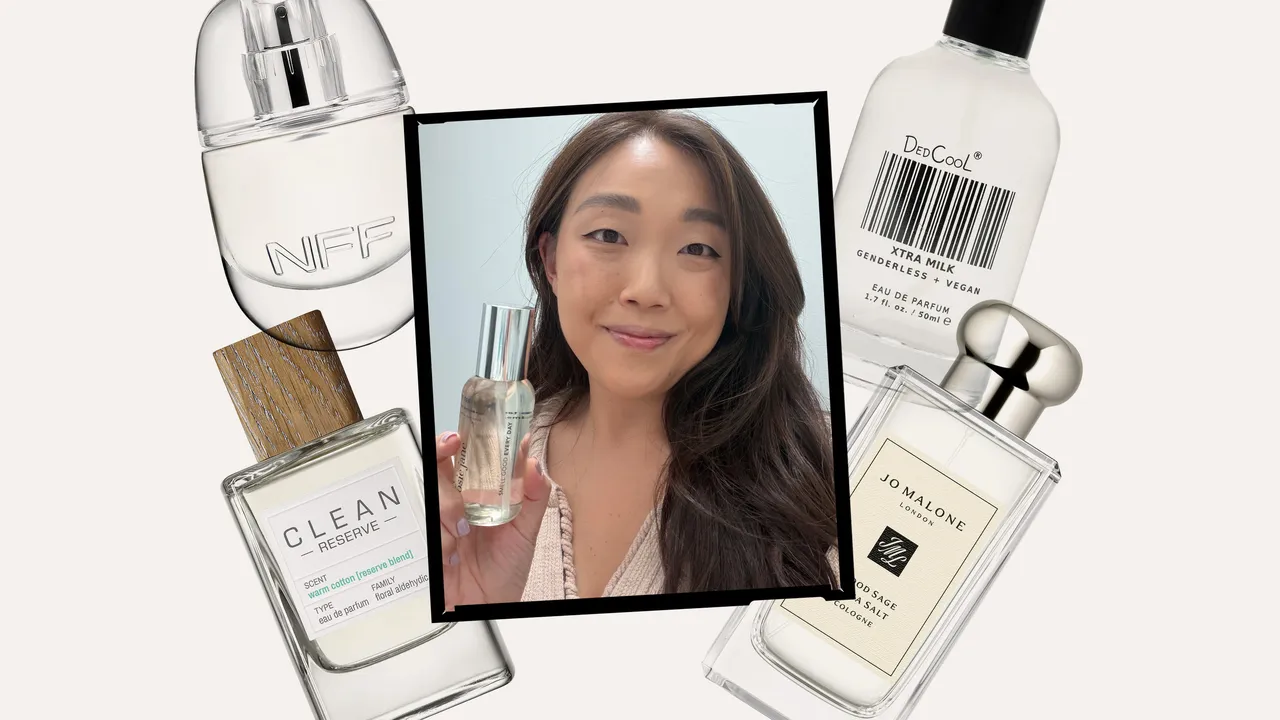

Heat Changes How Perfume Behaves—and Your Skin Pays the Price
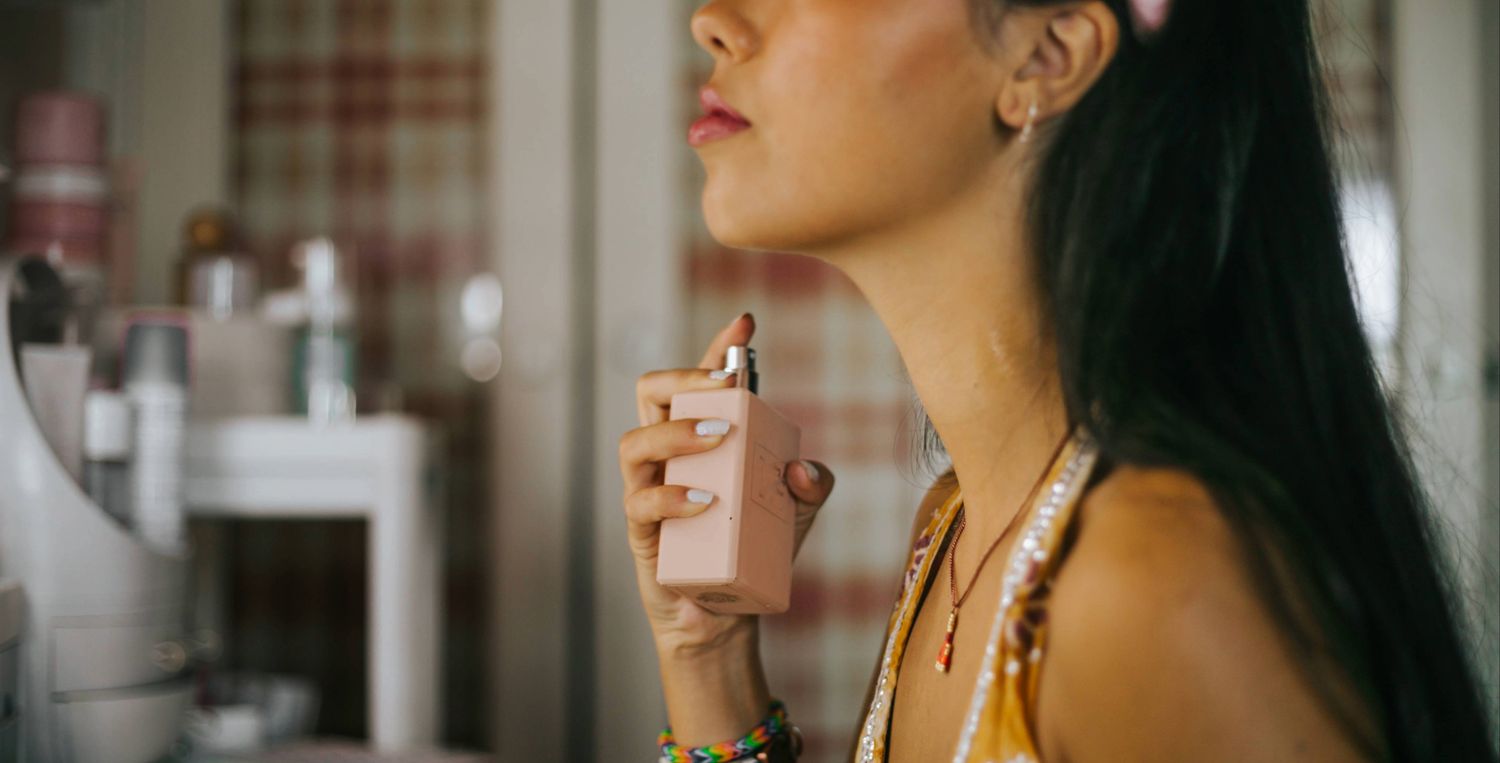
Perfume application in heat refers to how fragrance behaves on the body when temperatures are high, and why the same spraying habits used in cooler months can lead to faster absorption, stronger chemical reactions with sweat and oils, and a higher risk of irritation or headaches during hot weather. In a heat wave, applying perfume directly to hot, sun‑exposed skin is less a beauty ritual than a chemistry experiment—and your epidermis is the test strip. Most fragrances contain alcohol, which reacts differently on skin heated by the sun and moistened by sweat, increasing the chance of irritation and dark spots. Ignoring this is careless; people who keep spritzing their neck and wrists “as if it were the middle of January” are treating summer like a scent‑neutral backdrop when it is anything but. Perfume application in heat demands respect for what’s happening on the skin, not only for how you want to smell.

Your Nose, Your Brain, Your Skin: The Hidden Risks of Summer Scent
The assumption that perfume is harmless beauty fluff collapses in high temperatures. Alcohol‑based fragrances on overheated, sweaty skin can cause irritation and contribute to dark spots; one fragrance expert goes so far as to call it “dangerous to apply perfume directly to your skin when it’s hot”. Heat accelerates volatilization, so scent molecules and alcohol lift off the skin faster and interact more intensely with sweat, sebum, and sunlight. That is a recipe for photosensitive reactions and redness. And the risk is not limited to the skin. Your sense of smell connects directly to brain regions that regulate pain and alertness, which explains why certain fragrances can trigger headaches in sensitive people. When a strong scent irritates the nose or airways, it can set off inflammation and painful symptoms like pressure, nausea, light sensitivity, and dizziness. For anyone sensitive to fragrance or sun, pretending summer scent is purely aesthetic is unwise; it is a health choice.
Rethinking How to Apply Perfume: Fabric, Formula, and Freshness
If you are still treating perfume application in heat like a winter routine, you need a new strategy. The smartest heat wave fragrance tips start with where the scent goes: on fabric, not bare sun‑exposed skin. Spraying fragrance on clothing changes everything; the molecules diffuse differently, the scent lingers longer, and it does not interact with sweat in the same way. This habit protects skin from photosensitive reactions while preserving the fragrance’s quality. Second, prioritise alcohol‑free perfumes during heat waves to cut down the irritant load on hot, damp skin. And pay attention to strength: for those sensitive to fragrance, “the stronger and more artificial the scent, the more likely it is to trigger a headache,” says Tobias Halene, MD. In summer, reaching for lighter formulas is not a trend; it is a practical move for fragrance safety in summer conditions.
Choose Fresh, Lightweight Fragrances for Hot Climates
Heavy, syrupy scents fight the heat; fresh compositions work with it. Citrus, airy florals, green notes, and sheer musks evaporate quickly from skin or fabric, creating a feeling of cleanliness without overwhelming the senses. When people ask for “fresh” or “clean” fragrances, they tend to want crisp citrus sparkle, soft white musks, and light florals rather than dense vanilla, smoky woods, or loud white florals. These profiles are tailor‑made for summer and tropical climates, because fast‑evaporating notes give brightness and then recede before they clash with sweat. Heat wave fragrance tips from experts emphasise exactly this: during the hottest days, opt for light, bright formulas built around citrus and floral accords. Selecting such scents is not about chasing trends; it is about making fragrance safety in summer part of your grooming routine, especially if you are outdoors or prone to headaches.
Timing and Placement: The Summer Perfume Strategy You Should Adopt
The question of how to apply perfume becomes more tactical as temperatures rise. Spraying pulse points right before stepping into intense sun is poor planning; you are amplifying skin exposure to alcohol and potential photosensitive reactions. Instead, time your fragrance for cooler parts of the day and place it where fabric shields the skin—shirt collars, inner seams, and light layers rather than bare necks and wrists. On clothing, the scent lasts longer and avoids mixing with sweat, giving you a more stable and comfortable trail. Many people refuse to adjust their routine and keep using winter habits in peak heat; that stubbornness costs them both skin health and scent enjoyment. Sensible perfume application in heat means accepting that environment matters: temperature, sun, and your own sensitivity. So it is possible to wear perfume elegantly when temperatures soar, but only if you change your habits instead of forcing your usual routine onto a hostile climate.