

Start With Your Face Shape, Not a Trending Photo
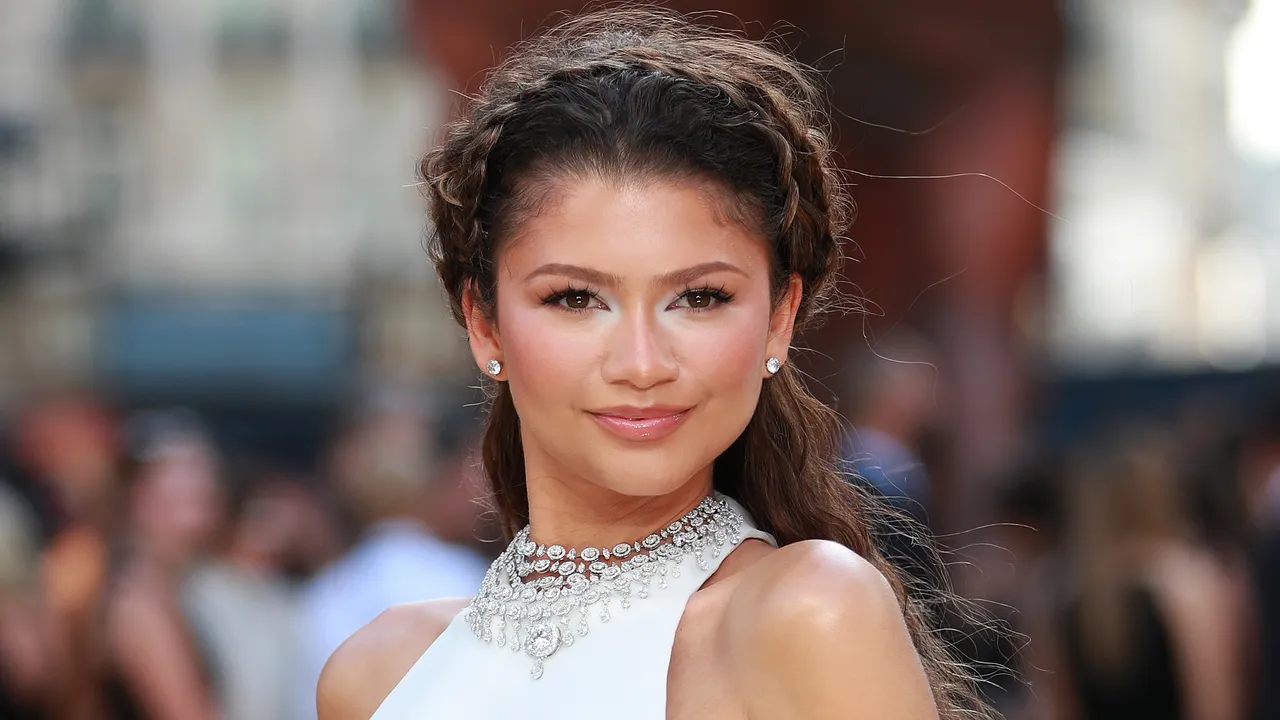
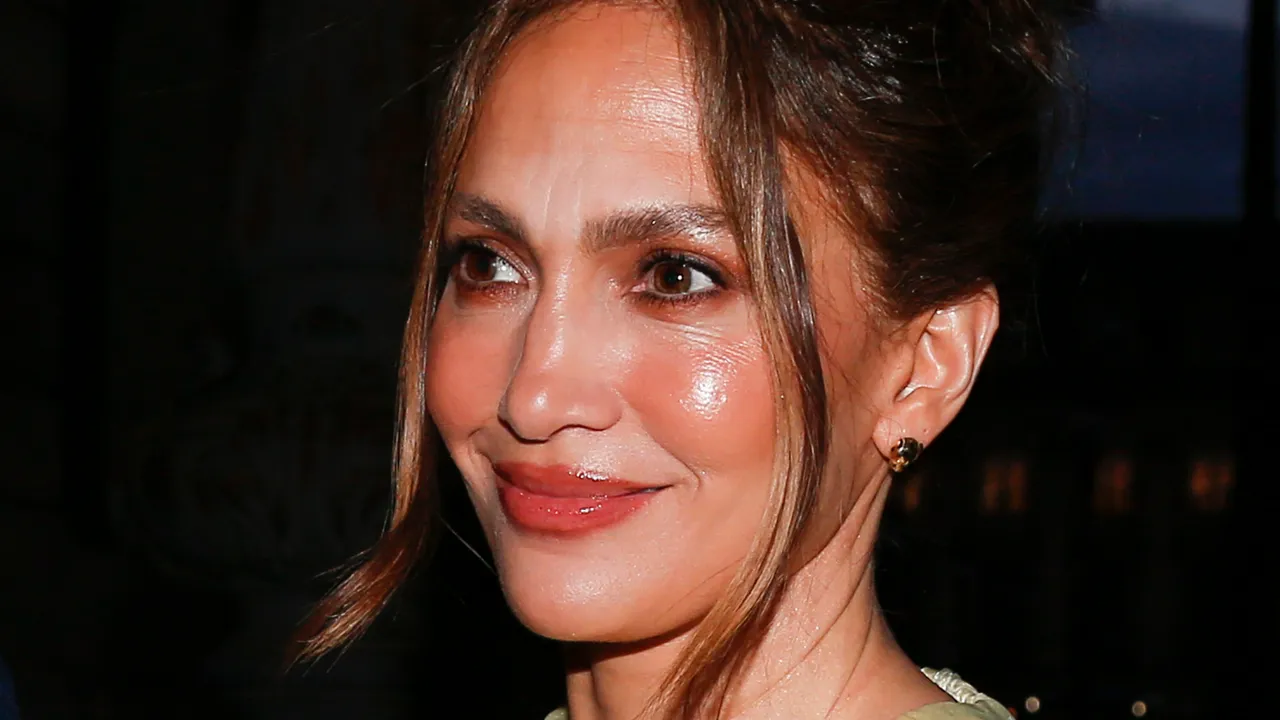
A bob haircut for your face shape is a short-to-mid length cut, often between jawline and collarbone, tailored in length, layering and bangs so it balances your forehead, cheekbones and jaw while working with your natural texture to create flattering, wearable proportions every day. The truth: the bob isn’t one magical cut that suits everyone the same. Hairstylist and hair care expert Chloë Swift is clear that "it’s not one-size-fits-all hair cut," because the perfect bob requires thoughtful consideration of your face shape, front framing and hair growth patterns. Before you obsess over a celebrity photo, identify whether your face is oval, round, square, heart-shaped or somewhere in between. Then use those proportions to decide where your bob should start and stop, and how strong your fringe can be. A good bob is less about copying a trend and more about editing your features.
Why Long Bobs Win on Most Face Shapes
If you are unsure where to begin, a long bob (lob) is the most forgiving and versatile starting point. A lob is a longer bob, around collarbone length, with a clean shape and plenty of movement. Earl Simms describes it as a striking look that doesn’t force you to commit fully to short or long hair. That collarbone "magic spot" gives you a flattering bob length that works on round faces by visually elongating the shape, while still looking sharp on oval, square and heart faces. It flatters almost every texture: sleek and sculpted on straight hair, relaxed and beachy on waves, and defined without heavy drag on curls. You can pull it into a ponytail or clip it up when you want zero effort. If you want a bob haircut face shape option that keeps your styling open, the lob is the reliable, low-risk cut.
Think of long bob styling as your everyday toolkit, not a special-occasion skill. On straight hair, add a slight bevel at the ends to stop the cut looking harsh around the jaw. On wavy hair, enhance the natural bend for that undone softness that suits almost every face. On curls, protect the length so coils can spring but aren’t weighed down. The goal is to use texture to echo your face proportions: more movement when you want softness, more polish when you want structure. A lob’s versatility means you can change how your cut reads without changing the cut itself, which is why it’s the smart choice when you are growing out hair or testing how short you are willing to go.
Bangs: The Front Detail That Makes or Breaks Your Bob
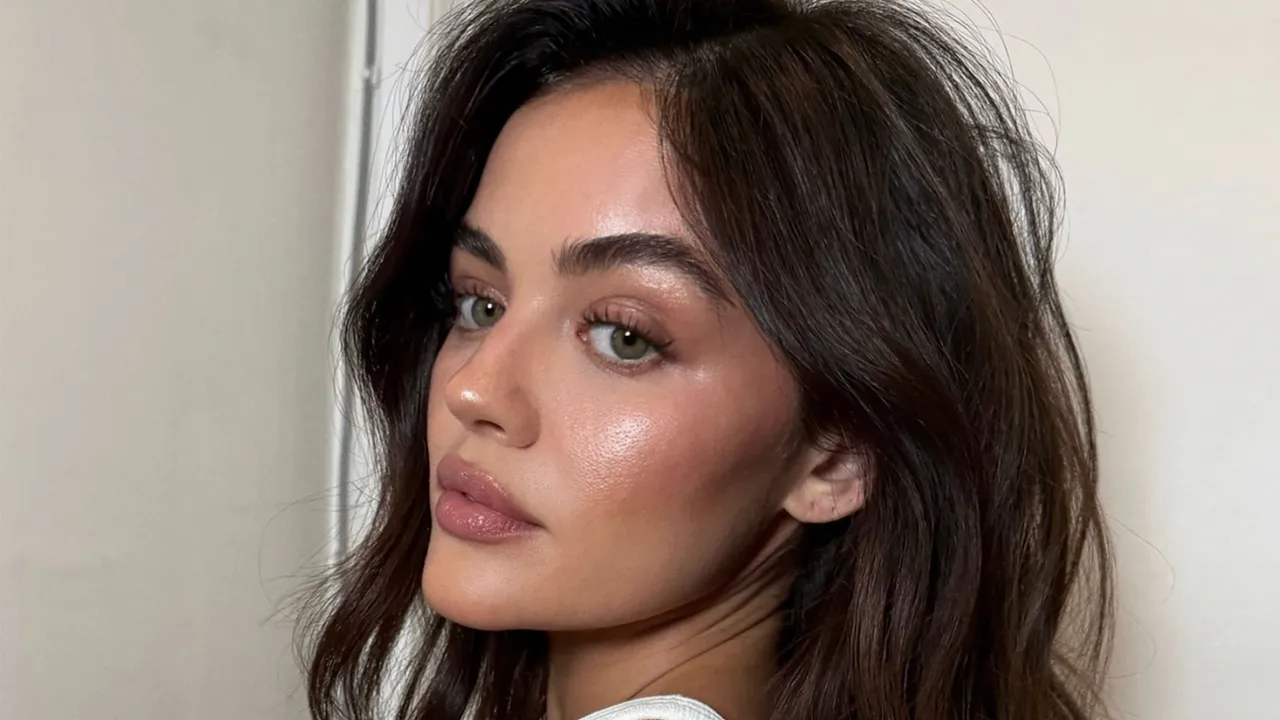
Bangs framing short hair are not decoration; they are architecture. They can be the "cherry on top" that accentuates favourite features or balances ones you dislike. The detailing at the front plays a critical role in how your bob frames your face, and fringe choice should follow your proportions, not impulse. Curtain bangs are the easiest: soft, parted and ideal if you want versatility while gently framing the face. Wispy bangs add softness and reduce the severity of strong jawlines or short bobs. A blunt fringe is a bold, clean cut that can emphasise sharp features and a defined jaw. Micro or statement bangs demand you respect your hairline and cowlicks, because strong partings can affect how they sit. If you are new to fringe, err on the side of longer and softer—the grow-out will be kinder, and you can always shorten later.
Match your fringe to your face shape with purpose. Oval faces can carry almost any bangs style, so decide whether you want to sharpen (blunt fringe) or soften (curtain or wispy). Round faces benefit from longer curtain or side bangs that open up the forehead and lead the eye downward, working with a lob to elongate the face. Square shapes are often flattered by textured or layered bobs with soft, broken-up fringe to take the edge off a strong jaw. Heart-shaped faces tend to look balanced when volume sits around the jawline, with bangs that don’t add too much extra width at the forehead. When in doubt, ask your stylist to cut bangs slightly longer than the end goal and then refine slowly; harsh, too-short fringe is far harder to live with than a bit of trimming over two visits.
Dialing In Length and Styling Tricks for Your Proportions
Face proportions should dictate where your bob finishes. Round faces often look best with lengths at or below the jaw—think lob—to visually lengthen and add structure. Square faces gain softness from bobs with movement and internal layering that stop the cut from lining up exactly with a strong jaw. Heart-shaped faces use volume and texture around the jawline to balance a wider forehead. Oval faces can use shorter or longer bobs depending on the effect they want, because most bob styles will complement them. According to Jordanna Cobella, "each shape complements different bob styles," which is why copying another person’s cut without regard for proportions often disappoints. Be specific about length at your appointment: many stylists regard collarbone as the sweet spot for a flattering bob length that still offers styling freedom.
Once the cut matches your proportions, styling techniques help it do more for your face. If you want to sharpen your features, smooth your bob and keep ends polished; sleek lines can emphasise a strong jaw or cheekbones. For softening, encourage wave or curl and add airiness through the lengths. Use parting placement deliberately: a deep side part can break up symmetry on round or square faces, while a more centred part keeps balance on oval or heart shapes. With curly or coily hair, respect shrinkage and weight; lobs allow curls to spring while staying light enough not to pull them flat. The point is simple: your brush, product and parting are as influential as your scissors. Long bob styling and fringe choices should change how the bob interacts with your features day to day, not lock you into one look.
Conclusion: Treat Your Bob as a Custom Build, Not a Template
The most flattering bob is always the one built around your face shape, proportions and habits, not the one crowned "trend of the moment." Long bobs offer rare versatility, bridging short and long hair and flattering almost every texture. Bangs and fringe, when chosen with intent, can reshape how the eye reads your forehead, cheekbones and jaw, turning a basic cut into a tailored frame. But as Chloë Swift reminds us, your bob is not one-size-fits-all. Take the time to analyse your face, be specific about length, and talk through bangs framing short hair with your stylist. Use styling to fine-tune how your bob haircut face shape pairing looks from day to day. Treat the bob as a custom build, and you will end up with a cut that works hard from every angle—trend-proof, flattering and unmistakably yours.