

UV Safety Awareness: Why Sunburn Is a Bigger Deal Than You Think
UV safety awareness is the practice of recognizing how invisible ultraviolet radiation from the sun and artificial sources damages skin, causes sunburn and premature aging, and increases the long-term risk of skin cancer, then consistently using protection strategies like shade, clothing, and broad‑spectrum sunscreen to reduce that harm and keep skin healthier over a lifetime. July is UV Safety Awareness Month, and it should be a wake‑up call rather than a marketing slogan. Ultraviolet radiation is a type of electromagnetic radiation made of high‑energy waves that can damage DNA and cause sunburns; it comes from the sun and tanning beds alike. Treating sunburn as a minor nuisance is a mistake: the discomfort you feel now is a visible warning of deeper, cumulative damage that can add up to cancer, wrinkles, and chronic skin problems over time.
UV Radiation 101: How It Damages Skin and Drives Cancer Risk
If you care about long‑term skin health, you need to care about the science of UV radiation. Ultraviolet radiation is invisible but powerful, made up of high‑energy waves that damage DNA in skin cells and trigger sunburns. It comes from the sun and artificial sources like tanning beds, which means “indoor tanning” is not a safer option—it is the same hazard packaged differently. UVA rays are longer and penetrate deeper, driving premature aging and wrinkles, while shorter UVB rays are responsible for classic sunburn. Both contribute to the development of skin cancer, which is now the most common type of cancer. According to the American Cancer Society, more than 3.5 million cases of skin cancer are diagnosed each year in the United States. Sun damage is cumulative; a few minutes of daily exposure without protection quietly build risk even if you never peel after a beach day.
Sunburn vs. Sun Poisoning: Know When Sun Exposure Becomes Dangerous
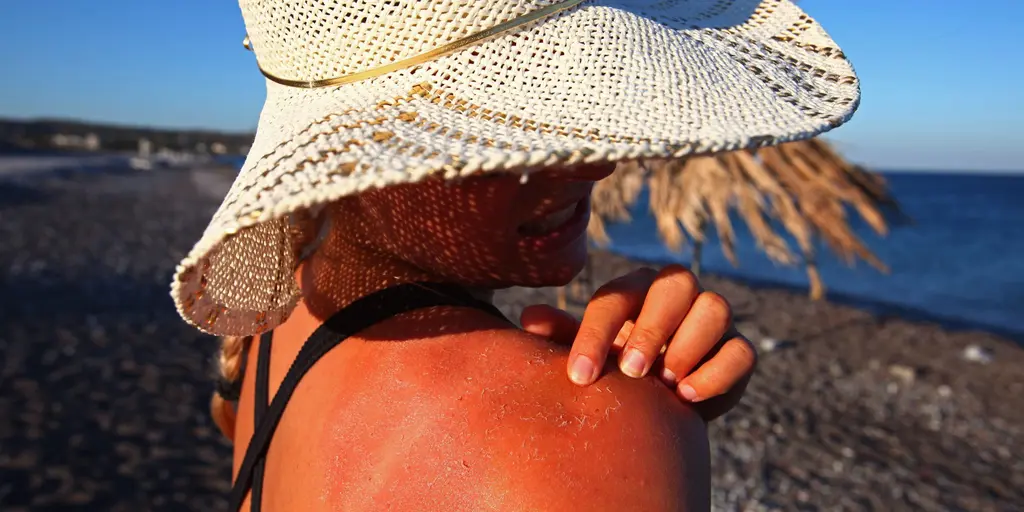
Most people can recognize a basic sunburn, but far fewer understand when it crosses the line into something more serious. A sunburn happens when ultraviolet rays damage the skin, causing redness, irritation, or discoloration, along with warmth, tenderness, mild swelling, pain, and peeling a few days later. These burns are uncomfortable yet usually manageable at home. Sun poisoning, on the other hand, is not a dramatic nickname—it signals a severe sunburn with symptoms that affect the rest of the body. The burns may look like an allergic reaction, reddening or darkening the skin, but they also make you feel sick. Warning signs include fever, chills, nausea, dizziness, severe rash, intense pain, lip blisters, fatigue, and dehydration. If you shrug off these symptoms as “heat exhaustion,” you are missing the point: your skin and whole system are overwhelmed by UV exposure, and that deserves prompt, serious attention.
Smart Sunburn Treatment: From Mild Redness to Severe Sun Poisoning
Treating sun damage well is part of responsible UV safety awareness, not optional self‑care. Officials note that most ordinary sunburns, while painful, can be managed at home. Start by getting out of the sun, then use cool compresses or showers, gentle moisturizers, and adequate fluids to support healing. Do not pick or peel; that slows recovery and increases infection risk. For more severe burns and many cases of sun poisoning, home remedies still matter: soaking or showering in cool water, applying aloe vera or a thick moisturizer, staying well hydrated, and using anti‑inflammatory medications like ibuprofen or acetaminophen can ease symptoms. However, if you see extensive blistering, signs of infection, or intense systemic symptoms such as persistent fever, confusion, or extreme dehydration, you should treat this as an urgent medical problem, not a bad sunburn. Early care reduces complications and helps protect already‑damaged skin from further harm.
Daily UV Radiation Protection and Skin Cancer Prevention Strategies
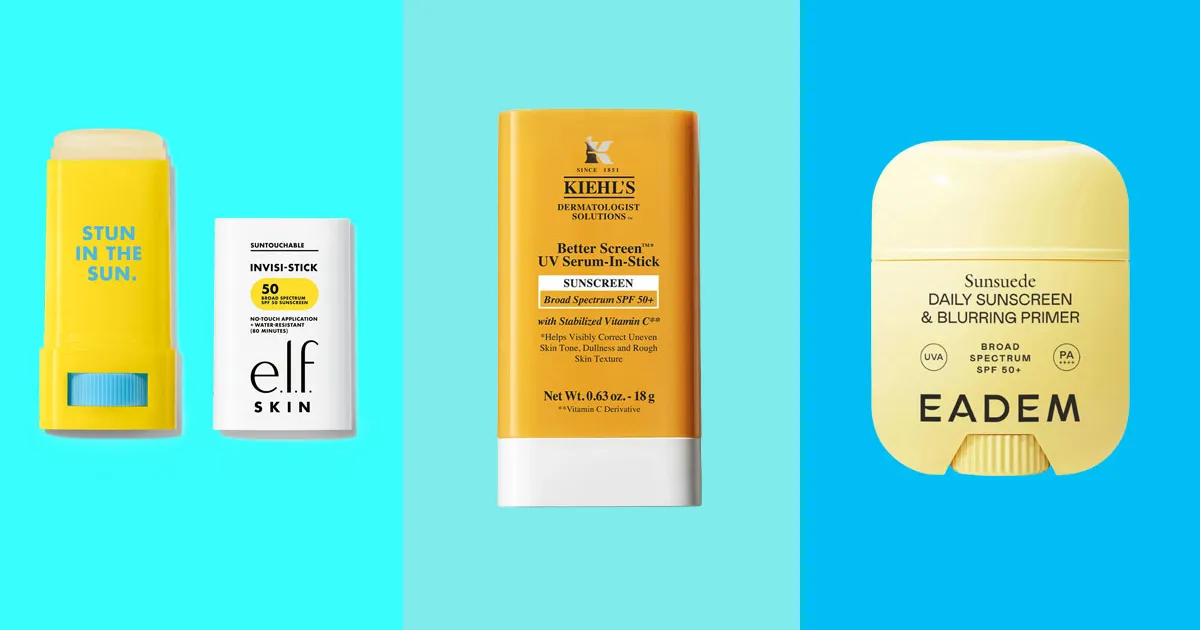
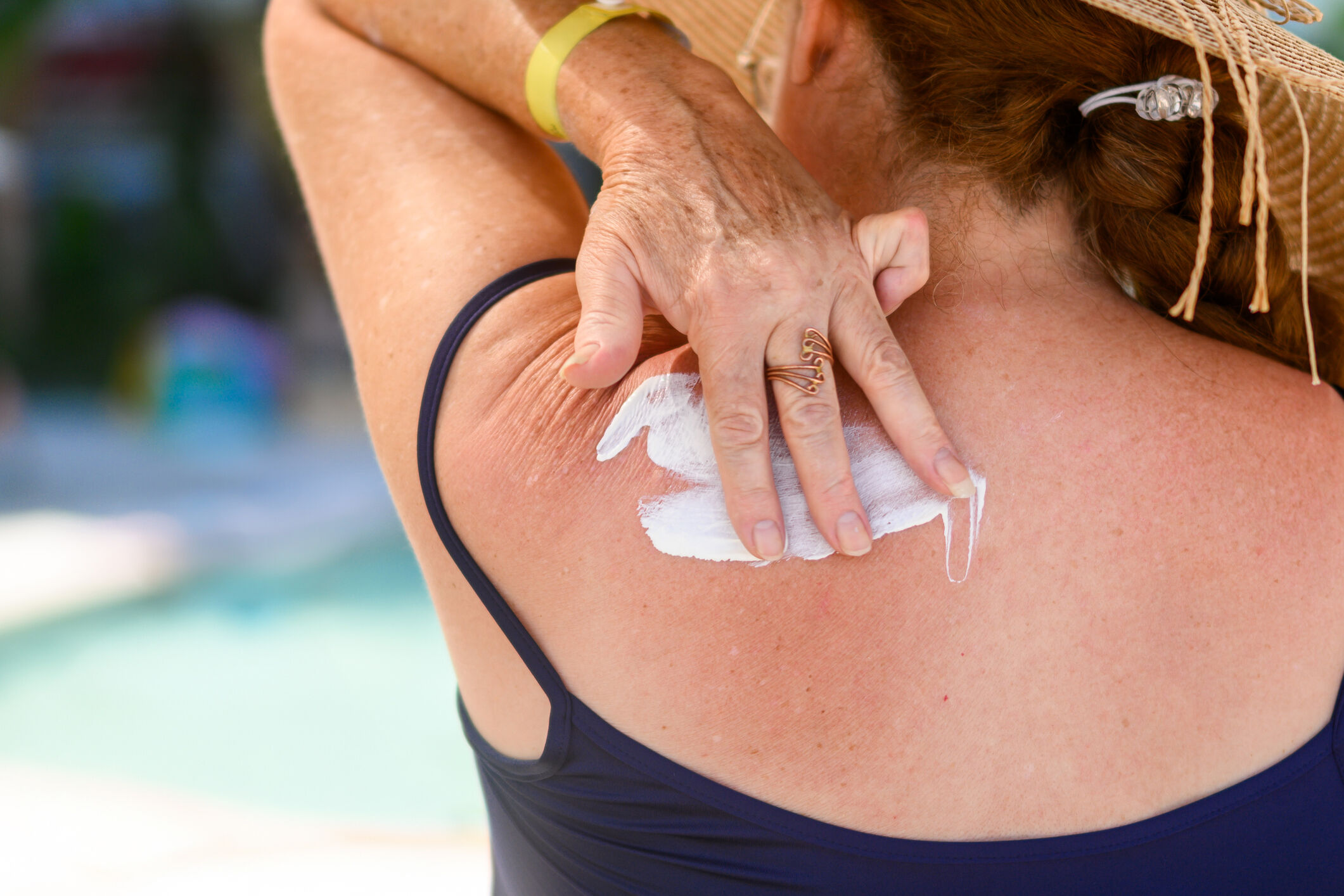
The most sensible approach to sunburn treatment is to avoid needing it in the first place. Protection from UV rays matters all year, not only during beach season, because UV reaches you on cloudy and cool days and reflects off water, cement, sand, and snow. UV rays tend to be strongest from 10:00 AM to 4:00 PM, when you should favor shade and limit direct exposure. Practical UV radiation protection includes long‑sleeved shirts and pants, wide‑brimmed hats, and broad‑spectrum sunscreen that filters both UVA and UVB. Experts recommend an SPF of at least 15, and many advise SPF 30 or higher, especially with water‑resistant formulas for swimming or sweating. Sunscreen must be applied generously to all exposed skin, 15 minutes before going outside, then reapplied every two to four hours and after swimming, sweating, or toweling off. These habits are not cosmetic—they are core tools for skin cancer prevention and for slowing premature aging.