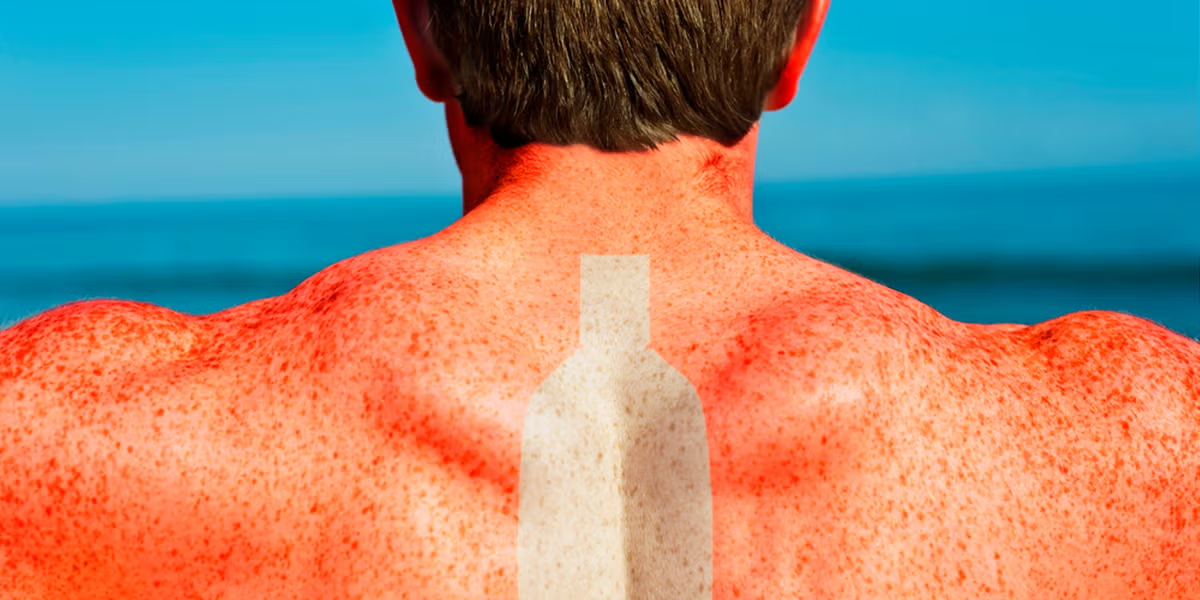

The Anti-Sunscreen Movement’s Dangerous Plot Twist
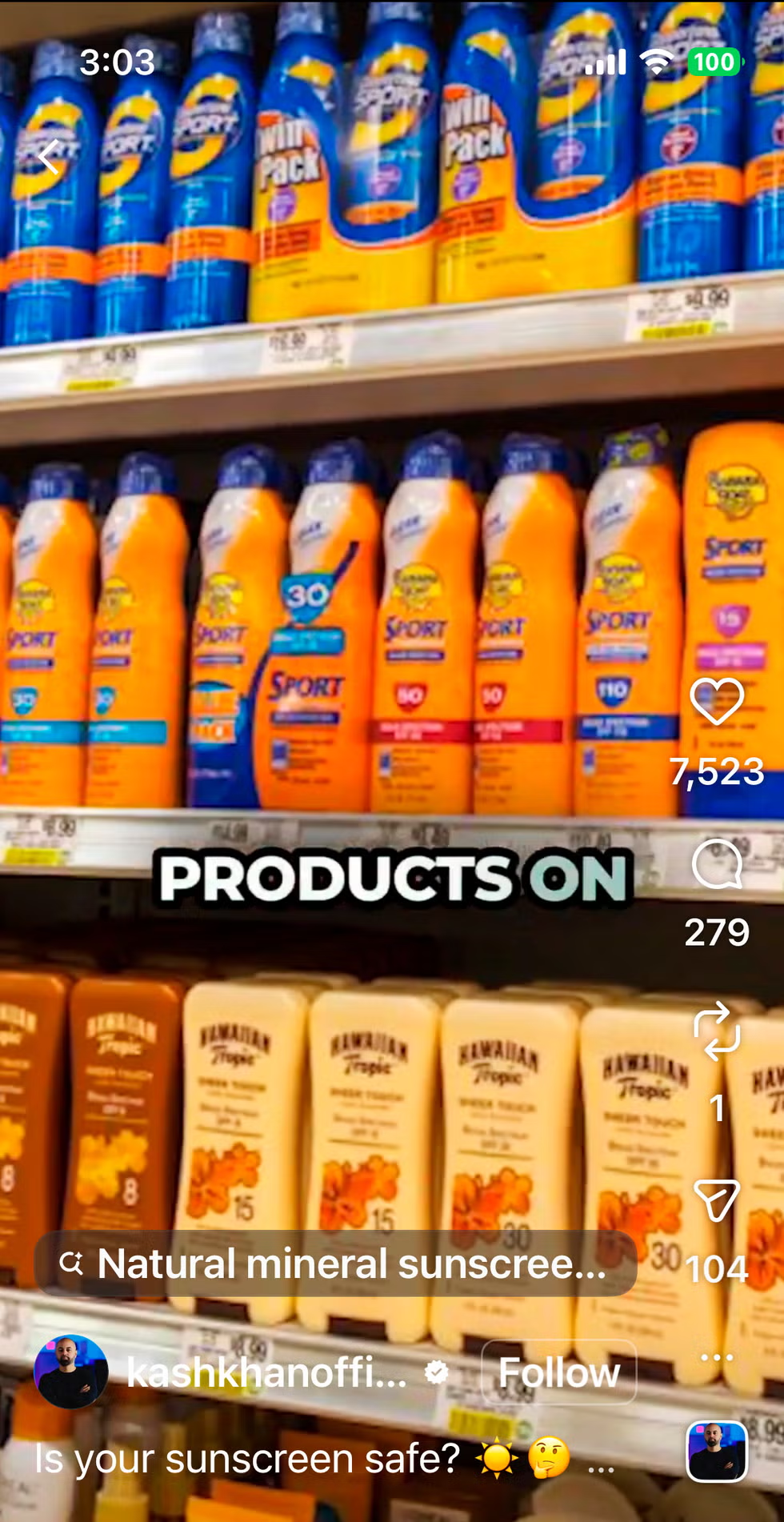
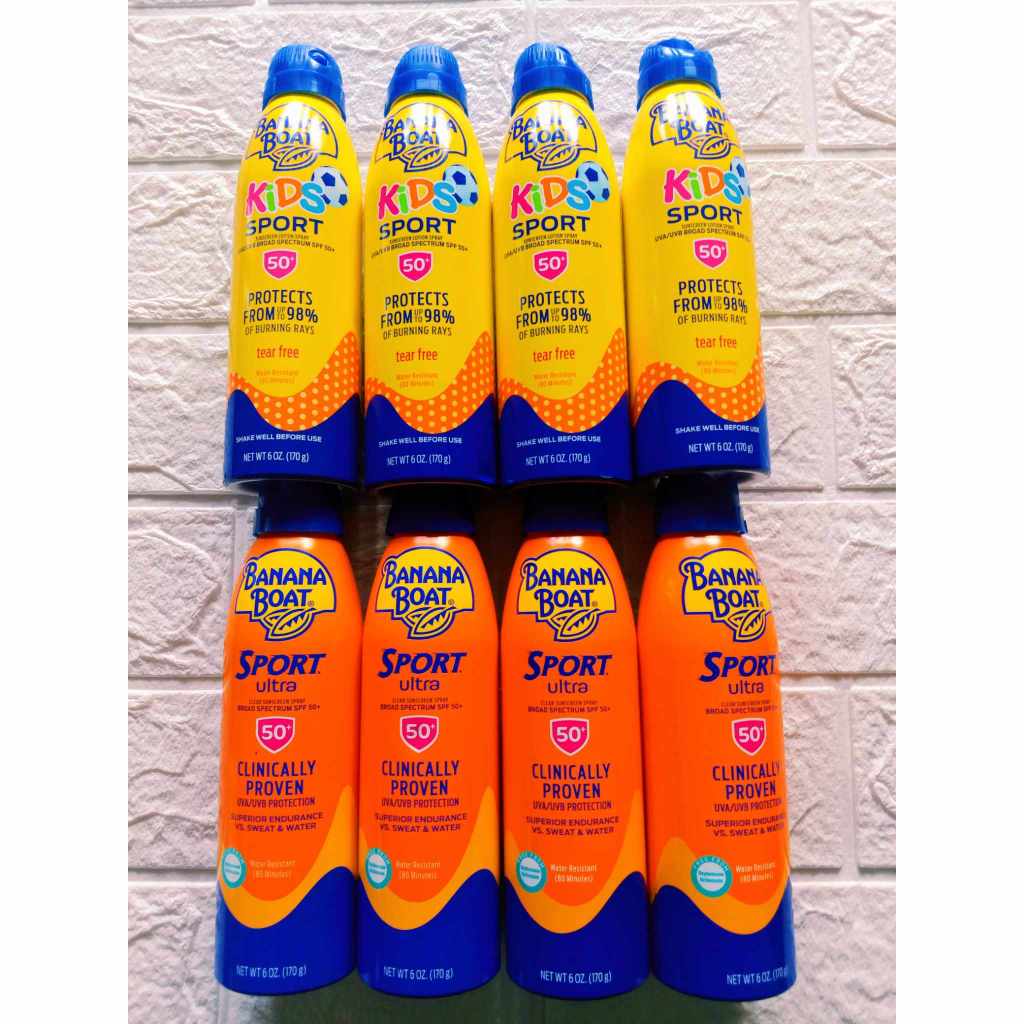
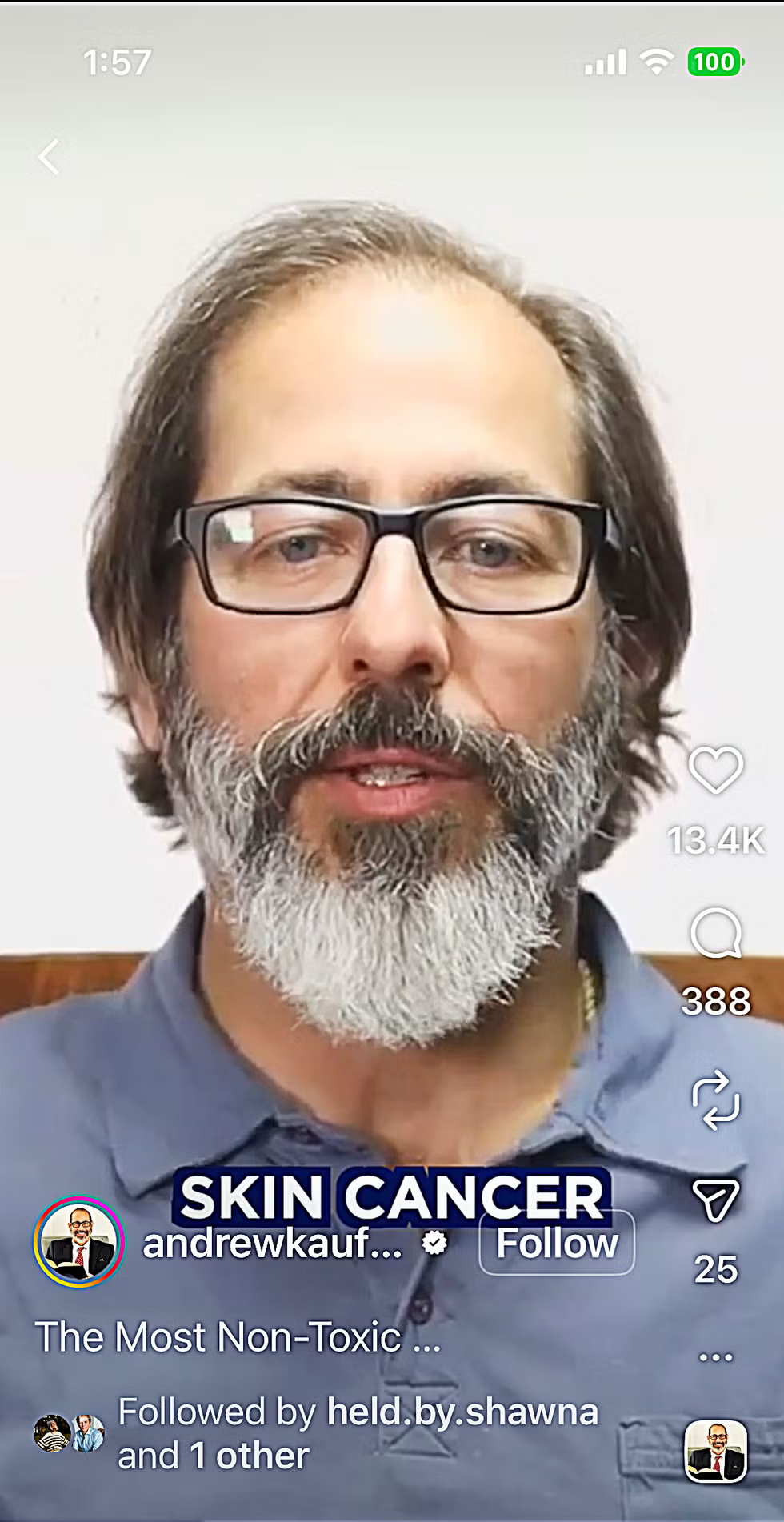
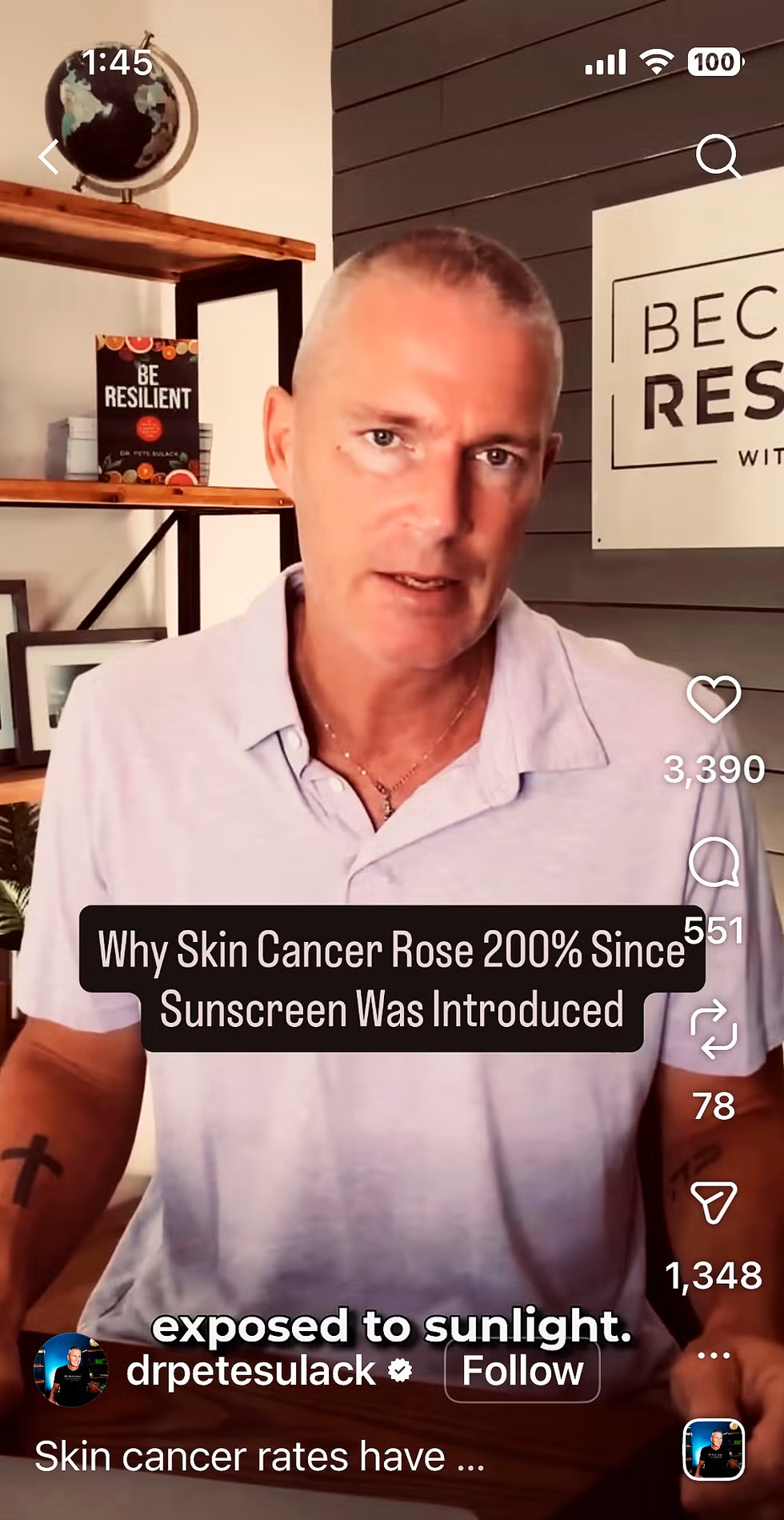
The anti-sunscreen movement is an online trend that portrays sunscreen as more dangerous than sunlight itself, using dramatic anecdotes, cherry‑picked data, and viral stunts to convince people to skip UV protection despite decades of evidence that sunscreen helps prevent skin cancer. On social media, a tanned influencer dramatically torches a Banana Boat spray mist and declares that melanoma has risen over 200 percent since sunscreen was introduced, while a longevity-clinic founder tells 250,000 followers that “all sunscreen is toxic” and “causing all the skin cancer,” even though there is no evidence for this claim. These attention-grabbing clips feed a growing body of sunscreen misinformation that tells viewers to use products “at your own risk” despite expert consensus that overexposure to ultraviolet radiation—not sunscreen—is the real, proven danger.

What Dermatologists Know That Viral Creators Ignore
Dermatologists and medical experts are blunt about sunscreen safety myths: they are not supported by current evidence. David Raubach, speaking on a health-focused program, addressed the popular claim that chemical filters in sunscreen poison the body. He noted that some chemical ingredients can be absorbed into the bloodstream, but there is no definitive evidence that normal sunscreen use causes cancer. Most experts still call the sunscreens on store shelves “one of the best and safest ways to prevent all forms of skin cancer”. The core UV protection facts are far less dramatic than viral videos but far more important: chemical sunscreens absorb ultraviolet (UV) rays and convert them to harmless energy, while mineral sunscreens with zinc oxide or titanium dioxide physically block and reflect the sun’s rays. The known, quantifiable risk is unprotected exposure to UV radiation, which is directly linked to higher skin cancer risk—not the sunscreen meant to reduce that exposure.
Inside the Myths: Ingredients, Absorption, and Alarmism
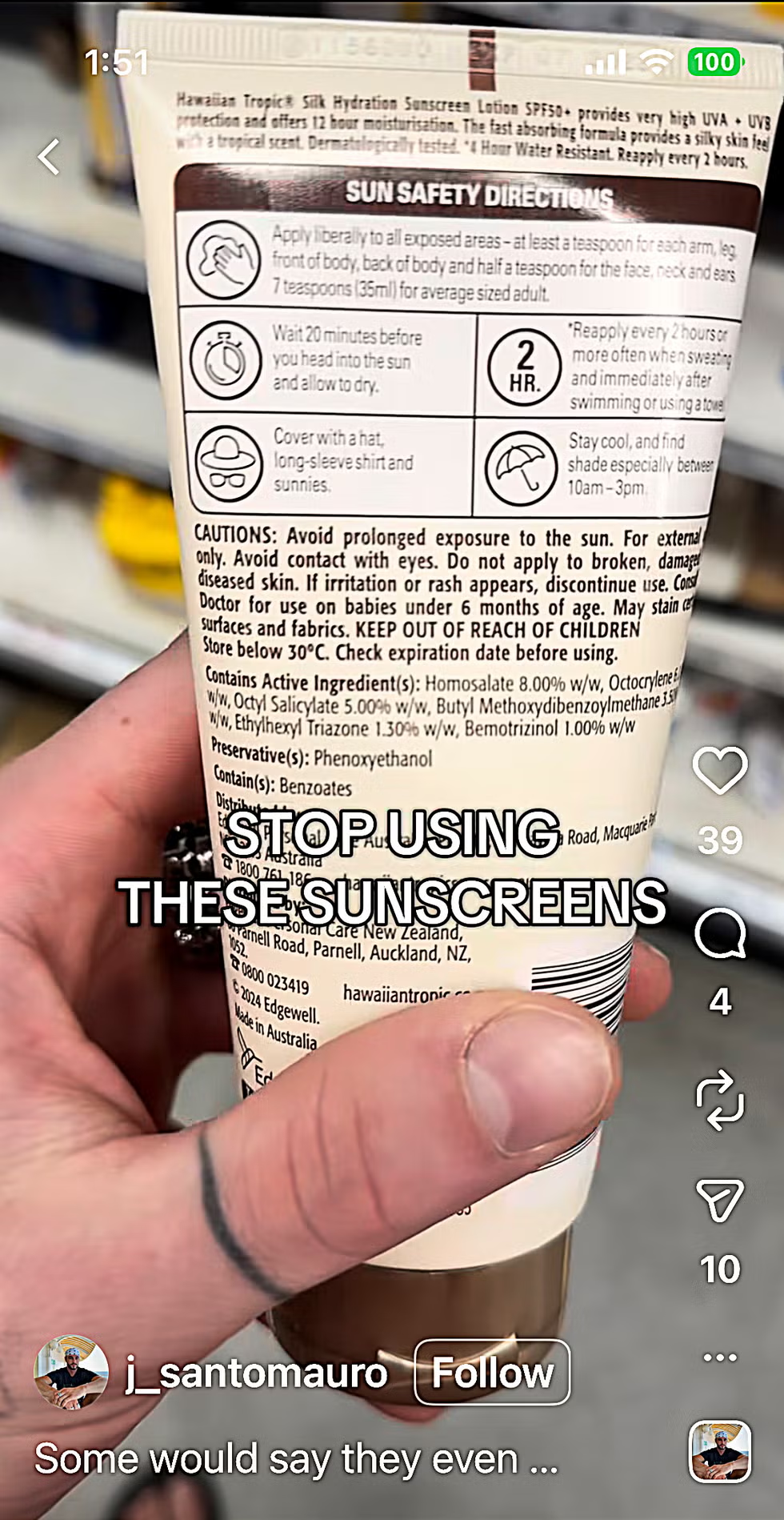
Anti-sunscreen influencers love to turn complex science into scary sound bites. They point to studies showing that certain organic filters—like avobenzone, oxybenzone, and octocrylene—can be measured in the blood above the FDA’s conservative 0.5 nanogram per milliliter threshold, then leap straight to “these chemicals are making you sick” without proof of harm. That gap between detection and danger is where sunscreen misinformation thrives. The agency’s slow follow-up has amplified confusion, especially as people spent more time online during lockdown. Meanwhile, Raubach’s on-air demo quietly undermined another myth: that “organic,” “kid-safe,” or “clean” sunscreens are categorically different. Two bottles—one marketed as organic, one for children—had identical active ingredients on the back label. His takeaway was simple: pay more attention to the ingredient list than to the marketing on the front. Fearmongers focus on buzzwords; science focuses on dose, exposure, and actual outcomes.
When Clicks Change Behavior: A Public Health Backslide
This is not an abstract debate. Sunscreen’s PR crisis is reshaping how people behave in the sun. Interest in tanning and sun‑related content has jumped—up 10 percent on Instagram and 20 percent on TikTok in a single year. Hashtags like #antisunscreen and #nosunscreen have pulled in over 5 million and 11 million views, respectively. That attention is translating into real risk: a 2024 survey found that one in seven adults under 35 now believes daily sunscreen is more harmful than direct sun exposure, and 16 million adults report cutting back or stopping sunscreen because of online safety claims. All this while we know that overexposure to UV radiation increases skin cancer risk. This is the impact of sunscreen misinformation: it convinces young, healthy people to abandon a proven cancer-prevention tool in favor of a tan and a conspiracy theory.
How to Tell Science from Pseudoscience—and Still Protect Your Skin
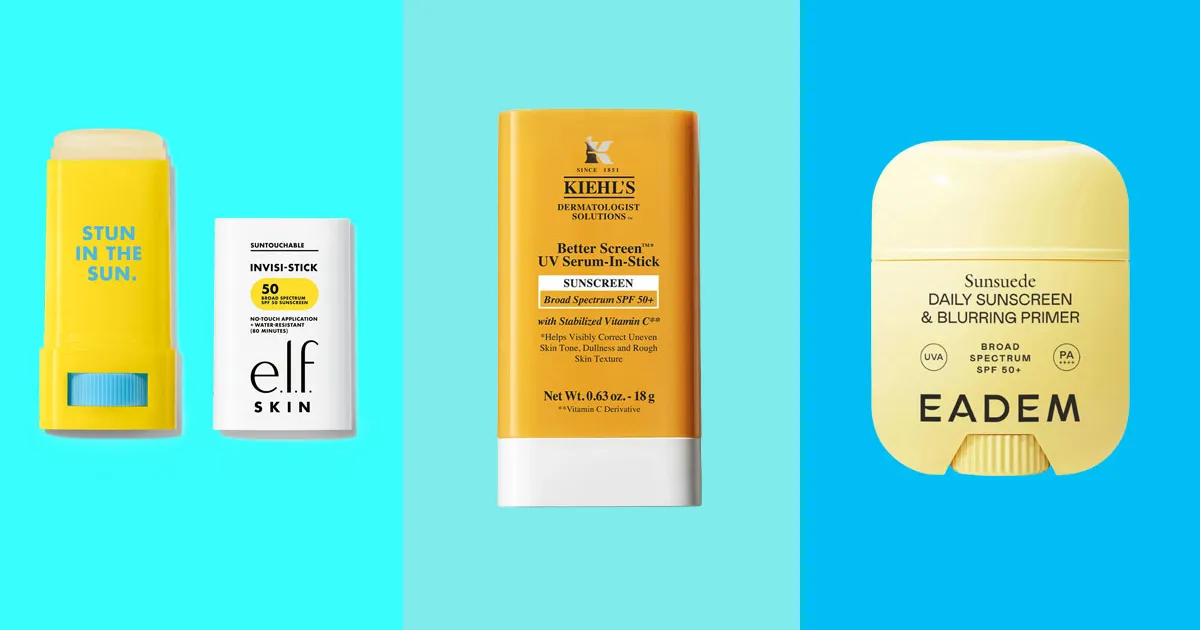
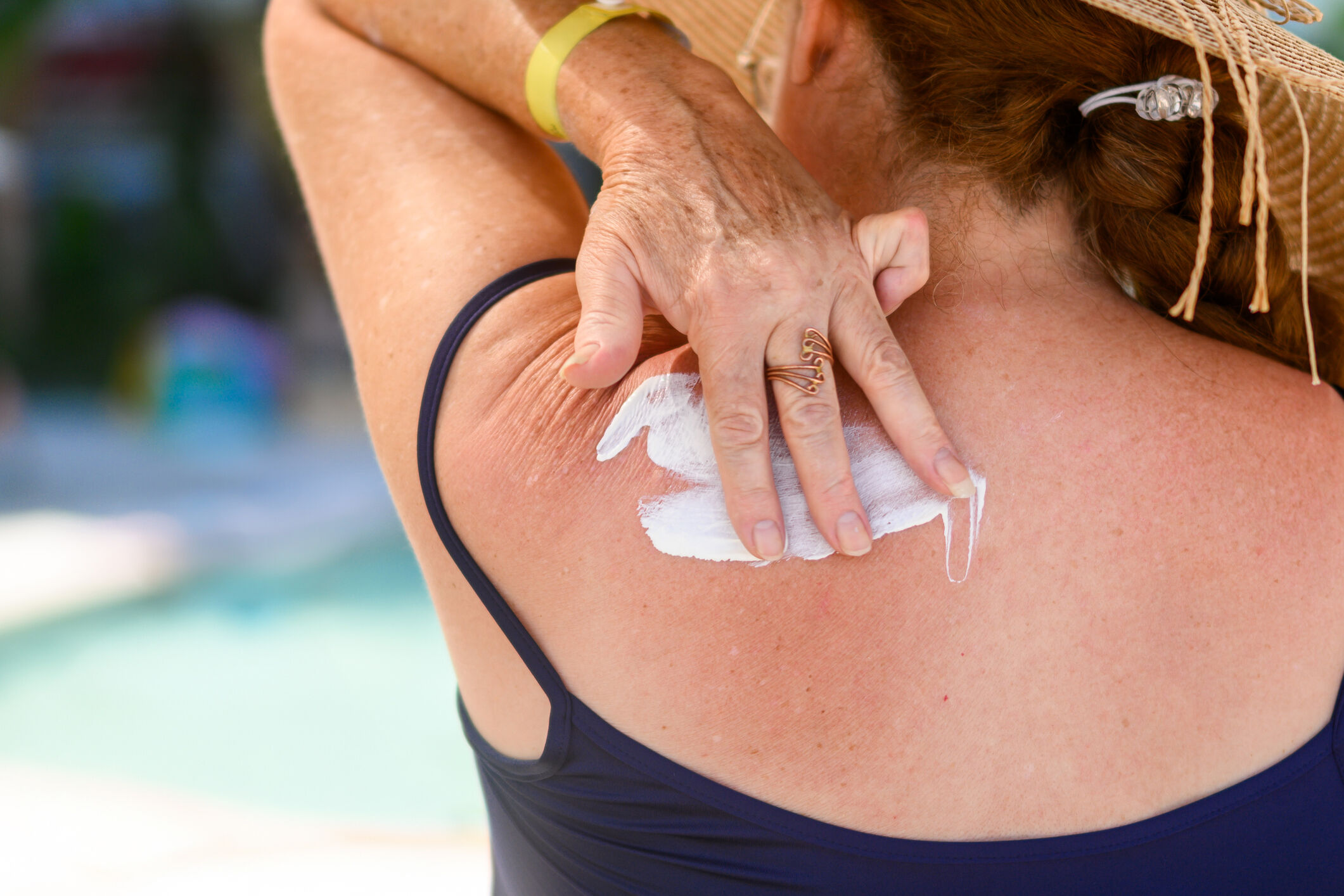
Sorting UV protection facts from fear-mongering starts with asking who benefits from your fear. Many anti-sunscreen voices cherry-pick data and misrepresent studies for engagement, not accuracy. Instead of trusting whoever yells “toxic” the loudest, check whether claims line up with dermatology organizations, peer-reviewed research, and regulatory guidance. Read the back of the bottle: note whether a product uses chemical filters, mineral filters like zinc oxide or titanium dioxide, or both. If you are uneasy about chemical filters, choose a mineral sunscreen; experts explicitly recommend that route for concerned consumers. But do not stop at SPF. Clothing and UPF-rated garments can block harmful UV better than thin cotton, and should be part of any sun strategy. The reasonable conclusion is not to reject sunscreen; it is to use it consistently, alongside shade and protective clothing, while demanding better communication—not panic—from regulators and influencers alike.