
What Heat Damage Prevention Actually Looks Like
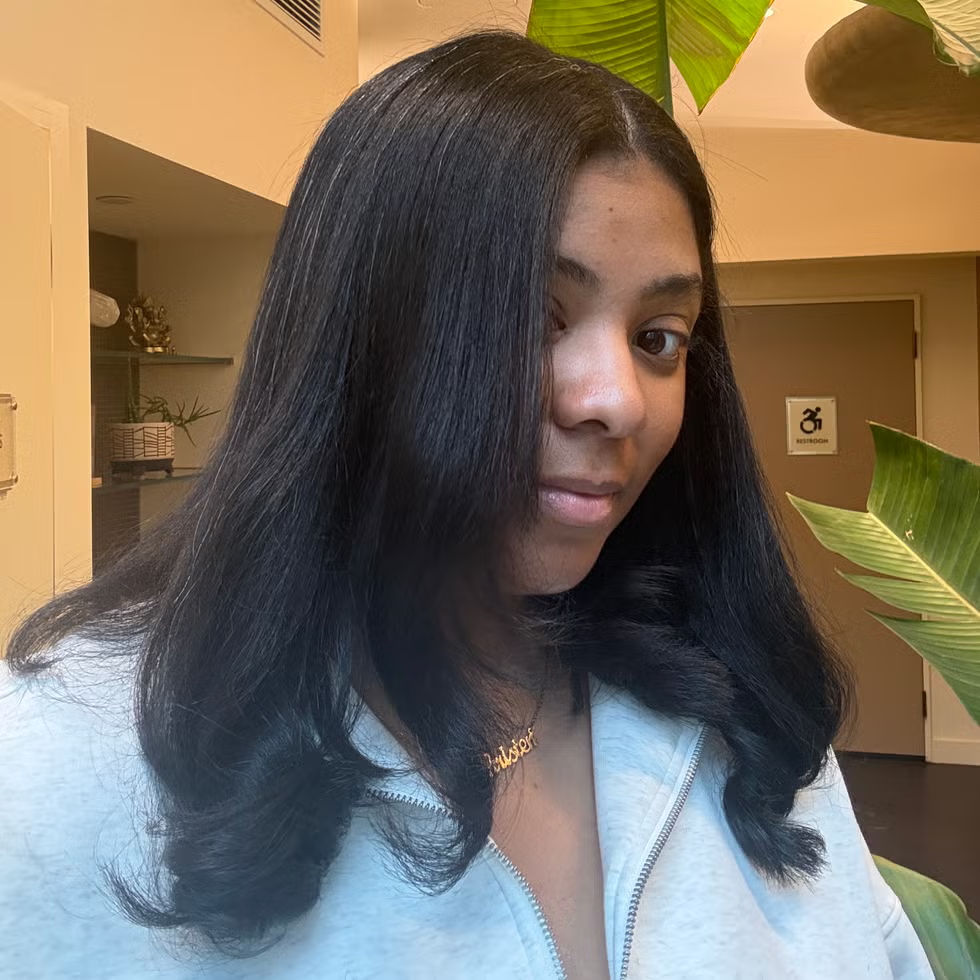
Heat damage prevention when using curling irons and hair straighteners means combining smart product prep, safe tool technology, and careful technique to protect hair from heat, reduce breakage, and keep natural texture and shine intact even with frequent styling. If you love a silk press, glossy waves, or a sleek everyday straighten, this approach lets you enjoy heat styling protection without sacrificing your curl pattern or long‑term hair health. It is especially useful if you have frizz‑prone or previously damaged strands, or if you style in humid conditions where tools and products are pushed to their limits.
Think of your hair as fabric: the more you expose it to high temperatures, the more worn and fragile it can become. The goal here is not to swear off your flat iron forever, but to treat every styling session like a mini care routine. Pre‑heat protection products create a barrier between hair and styling tools, acting as a shield against frizz, humidity, and heat straightener damage while preserving your natural curl pattern. Meanwhile, newer AI‑enhanced straighteners measure hair temperature rather than plate temperature and adapt to your texture and speed to deliver styling ease and minimal heat damage.

Prep: The Products and Tools You Need Before You Plug In
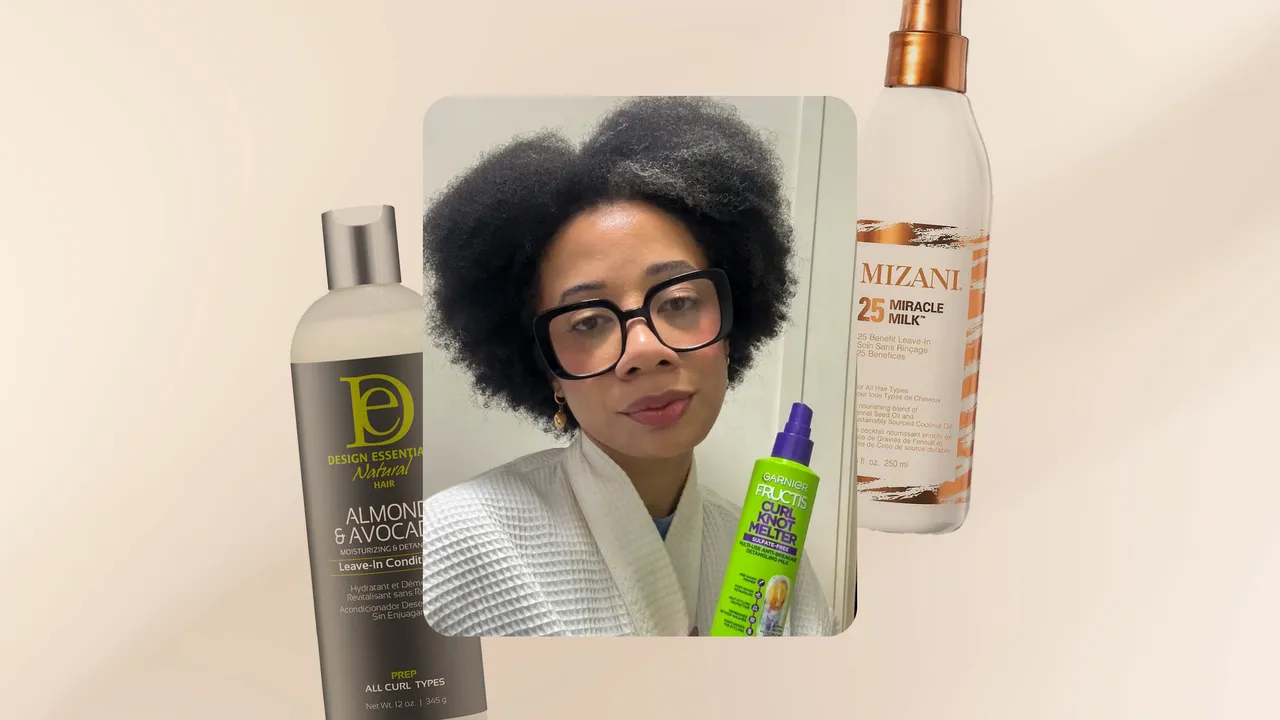
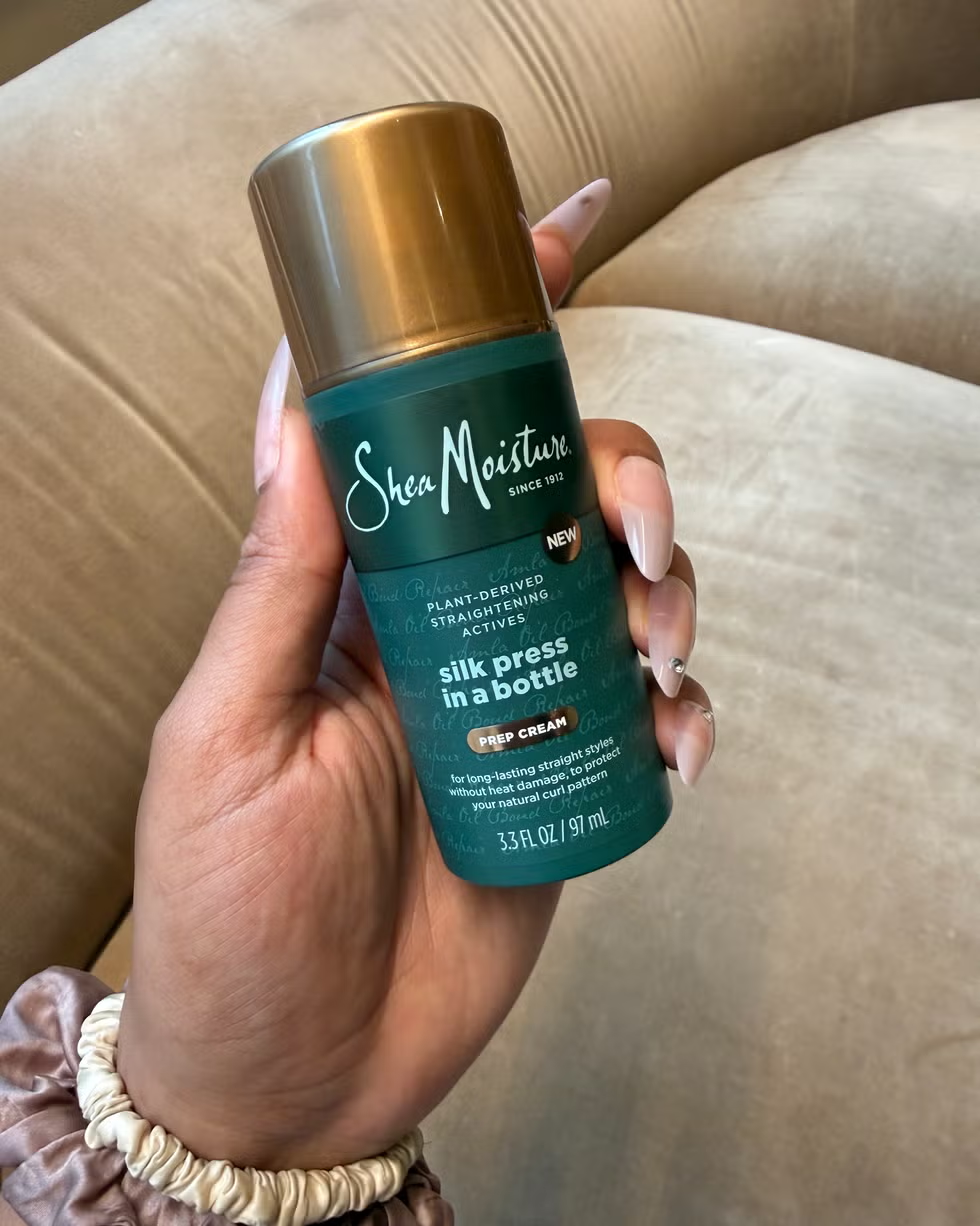
Before you touch a curling iron or straightener to your hair, you need two basics in place: clean, conditioned hair and a proper heat barrier. A prep cream designed for heat styling, such as a silk press cream, is meant to be used after washing your hair and right before you blow‑dry it; you section your hair into four parts, and after a quick towel dry, apply one pump to each section, then work it through with a wide‑toothed comb. This kind of product sets your silk press or straighten for success well before the irons heat up, keeping strands smooth and helping curls bounce back afterward.
On the tool side, aim for straighteners and irons that focus on heat styling protection. One AI‑driven straightener promises minimal heat damage by using heat‑adapt technology and ceramic plates. Available in a streamlined form with a single power button, it heats in 20 seconds and uses a cable that plugs into the mains. Those slim, subtly curved plates reduce snagging and breakage, and the heat‑adapt feature measures how fast you style and how much hair you place between the plates, taking 2900 measurements every second to adjust the heat for the least damage to your hair. This kind of tool does some of the protective work for you, especially if you tend to rush through your routine.
Step‑by‑Step: How to Protect Hair From Heat While Styling
- Wash and gently condition your hair, then towel‑dry until damp and detangle fully so strands can move freely through tools without snagging.
- Section your hair into four parts, then apply one pump of your prep cream or heat protectant to each section and distribute with a wide‑toothed comb to create an even barrier against heat and humidity.
- Blow‑dry each section thoroughly, keeping the dryer moving and avoiding super‑hot settings where possible, so you start with dry, smooth hair before using any irons.
- Use your straightener or curling iron on small sections, letting the plates or barrel glide rather than clamp too tightly; AI‑enhanced straighteners can both straighten and add waves while dynamically adjusting heat to your hair’s needs.
- Finish the style, then allow hair to cool in place before touching it too much; this helps your sleek press, waves, or curls stay ultra soft, smooth, and tamed with virtually no swelling, even in humidity.
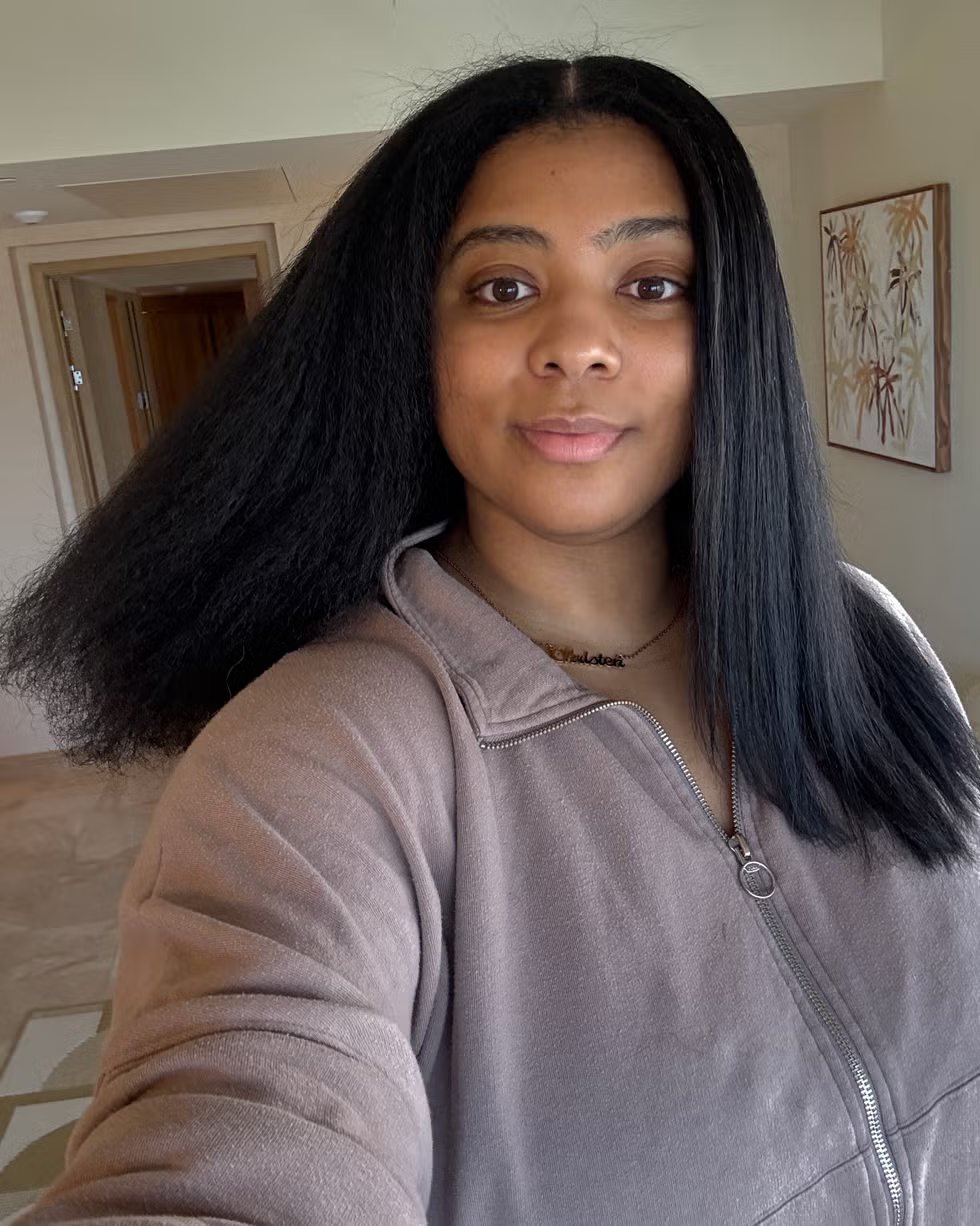
The sequence matters more than people admit. Skipping the wash and detangle step leads to rough, snagged hair and those failed styles that look wild rather than polished. Reusing the same product‑heavy style for weeks without washing, conditioning, combing, or detangling leaves hair in shambles and makes every heat session harsher on already stressed strands. When you respect the order—cleanse, protect, dry, then style—your heat protectant can act as a real shield against frizz and humidity while preserving your natural curl pattern. The payoff: through sweaty days, windy outings, and humid nights, styles stay ultra soft and smooth with minimal swelling, and curls bounce back to their coily, defined glory when you wash again.
Gotchas: Mistakes That Cause Hair Straightener Damage
Most heat damage does not come from one dramatic mistake; it comes from habits. One big pitfall is letting maintenance slide for months—refreshing the same sleek bun or wash‑and‑go over and over without washing, conditioning, combing, or detangling your hair. That buildup leaves strands dry and vulnerable, so every pass of your iron is harsher than it needs to be. Another problem is relying solely on tool marketing without paying attention while you style. Even with an AI‑enhanced straightener that promises zero damage, both the casing and hair can get pretty hot, so those claims are questionable if you do not respect heat limits and protect your hair first.
According to ghd, the heat‑adapt feature in its interactive straightener takes 2900 measurements every second to adjust the heat according to how fast you style and how much hair you put between the plates, aiming for the least damage to your hair. That is impressive, but it is not a license to clamp down on huge sections or race through your routine with no regard for your ends. Misusing even advanced tools—holding them on one spot too long, skipping heat protectant, or styling soaking‑wet hair that is not meant for wet‑to‑dry use—can still lead to breakage and rough texture over time. Respect the tool, and let its smart features support your technique rather than replace care.

Is All This Effort Worth It?
If you are a self‑described lazy natural or someone who loves wearing hair straight but wants curls to survive underneath, structured heat damage prevention is worth the extra minutes. When you take care of wash day, use a shield‑style prep cream that works as a heat protectant, and pair it with a straightener built to minimise damage, your hair can stay full and growing, your scalp well‑hydrated, and your curls able to spring back to their coily, defined glory after styling. In practice, this means you can enjoy a silk press that stays sleek and tamed across sweaty afternoons, windy rides, and humid nights with virtually no swelling, then return to your natural texture without fear.
The main thing to watch for is overconfidence. A smart straightener that measures hair temperature and adapts to your texture and speed does help protect hair from heat, but it is not magic. Keep an eye on how hot the tool feels, how often you reach for it, and whether you are slipping back into months‑long gaps without basic care. Build a routine you can keep up with—wash, protect, dry, style in measured passes—and your tools can serve your hair instead of wear it down. Done right, heat styling protection is not about perfection; it is about keeping your options open so you can move between curls, waves, and sleek presses without sacrificing long‑term health.