
What Face-Framing Bangs Can Do for Your Look
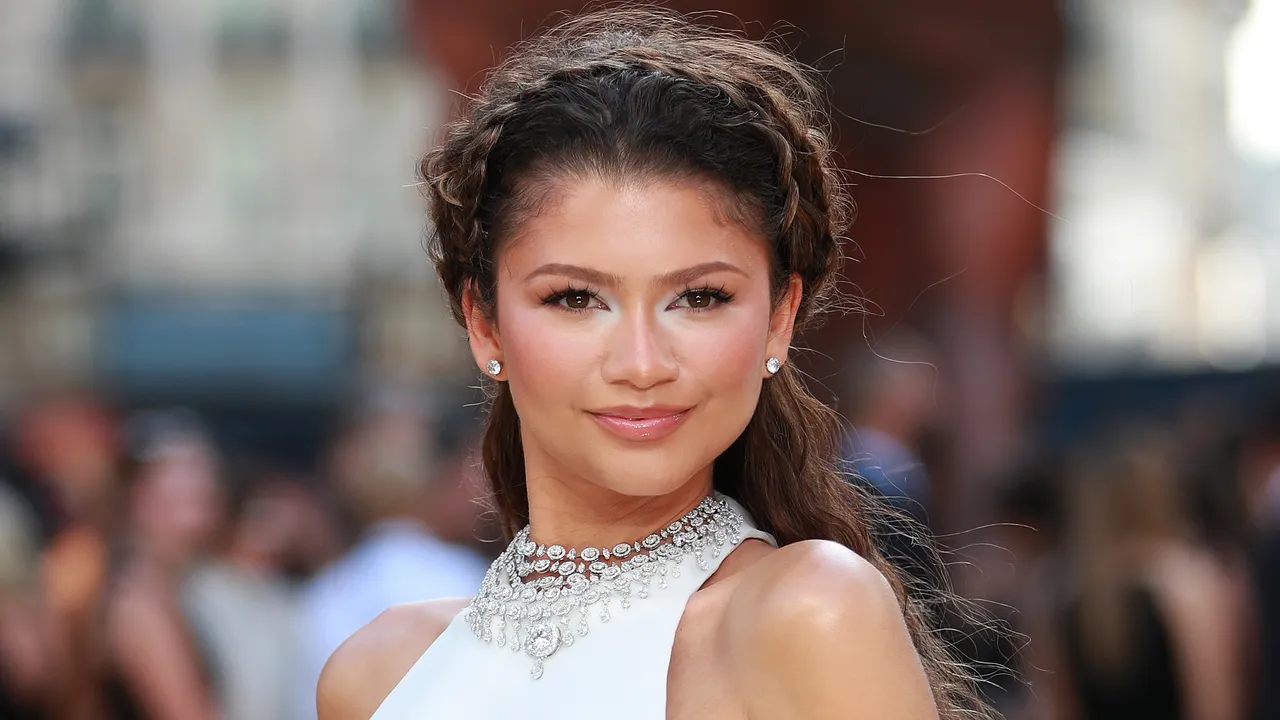
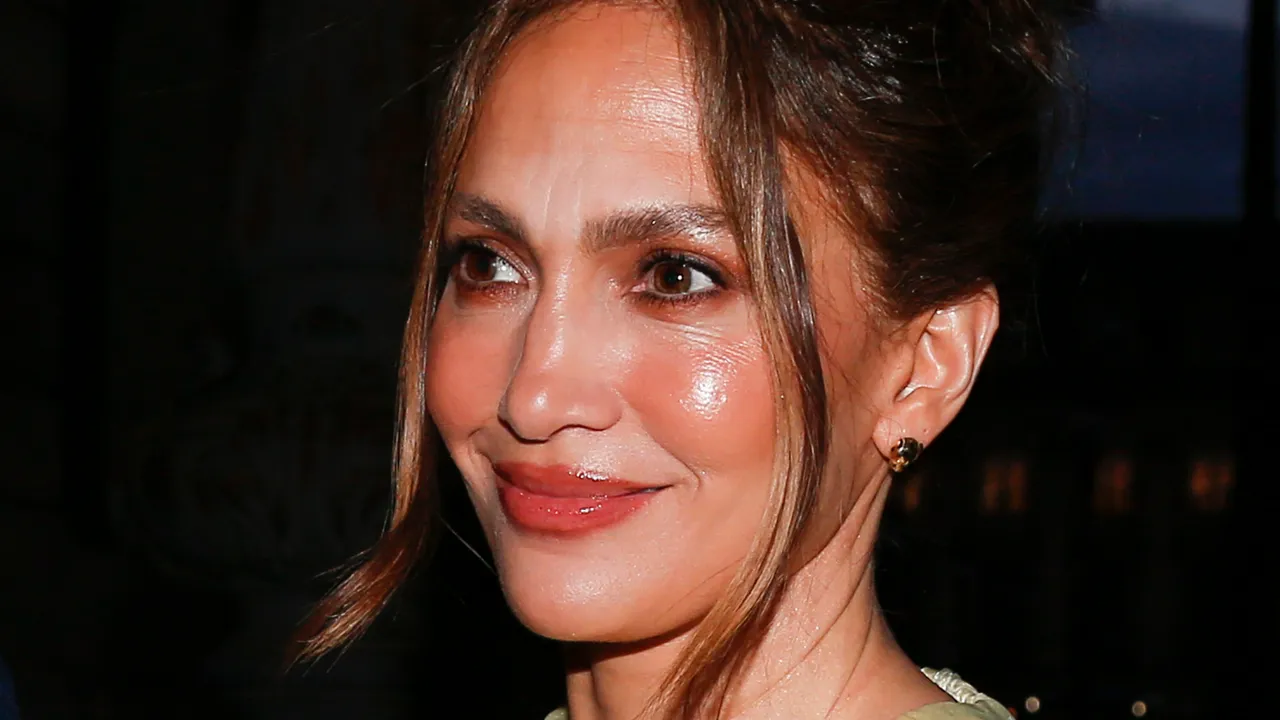
Face-framing bangs are fringe styles intentionally cut to complement your face shape, highlight your favorite features, and balance areas you feel self-conscious about, transforming basic haircuts into flattering, tailored hairstyles that look polished rather than accidental. If you’ve been tempted by a bob with bangs or you keep saving fringe inspiration photos, this is for you. The goal is not to copy someone else’s haircut, but to understand bangs for face shape so your cut feels like it belongs on your features. The real caveat: it’s not a one-size-fits-all haircut, and the most flattering fringe styles depend on your face width, forehead height, hair texture, and natural growth patterns such as cowlicks.
Step-by-Step: How to Choose Bangs for Your Face Shape
Think of this as the friend-guided route to finding flattering fringe styles, not a rigid rulebook. A little planning upfront saves you from the two most common mistakes: treating bangs like a universal cut that works the same on every face and ignoring texture or cowlicks until they cause separation or awkward gaps. Walk through these steps with a mirror and your stylist, and your bangs will feel intentional, not like a haircut you need to grow out.
- Identify your face shape (oval, round, square, heart, or diamond) by looking at your overall outline, jawline, and forehead proportions.
- Note your hair texture and growth patterns, including any strong parting or cowlicks along your hairline that might affect how bangs sit.
- Decide whether you want a bob with bangs or a longer cut, keeping in mind that bobs are versatile and form a timeless base for face-framing hairstyles.
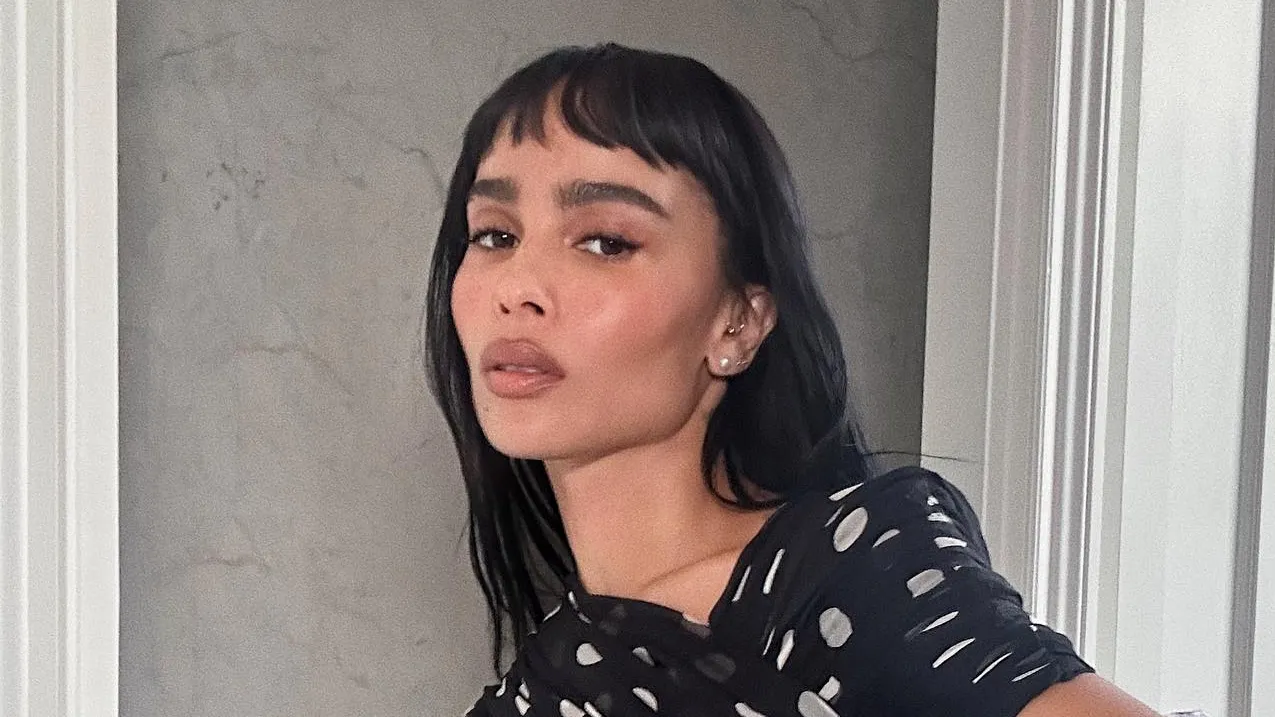
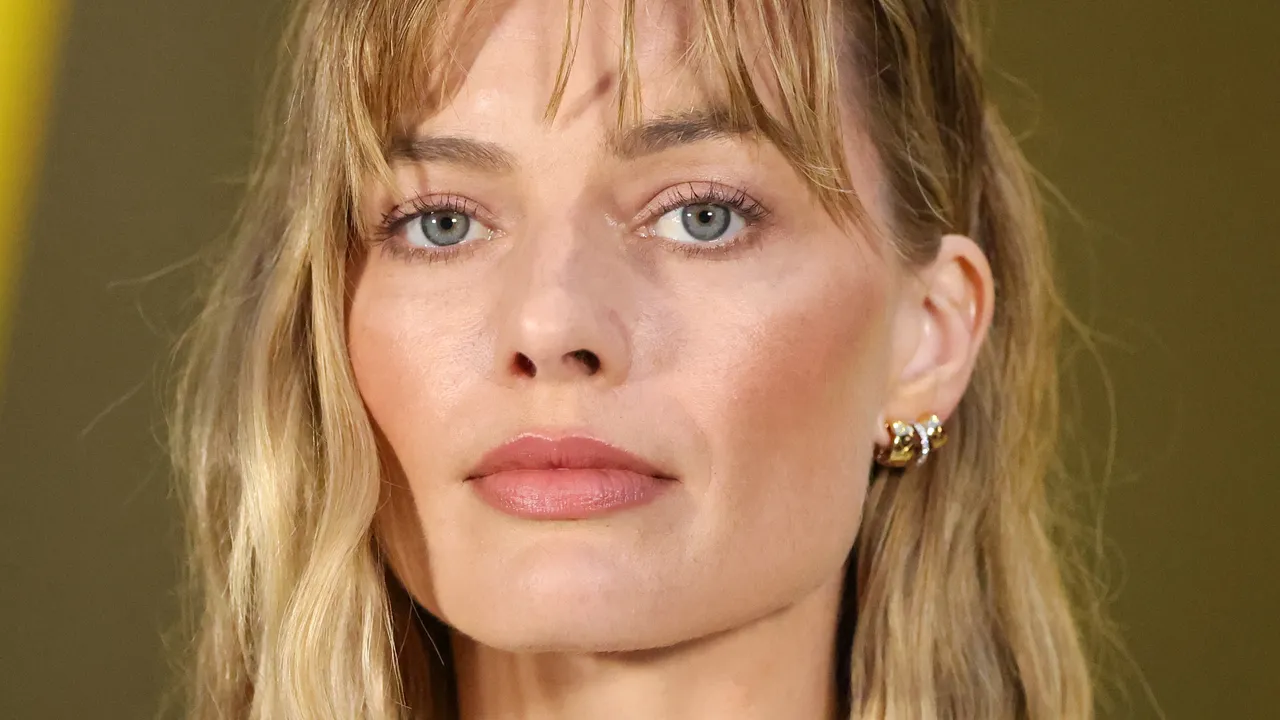
- Match bang types to your shape: micro bangs for diamond and oval faces, classic blunt or texturised bangs for heart shapes, and voluminous Bardot-style curtain bangs for oval faces.
- Refine the front framing with subtle layers or texture so the fringe blends into the rest of your hair instead of sitting as a harsh line.
- Confirm with your stylist that your hair density can support your chosen fringe; avoid full blunt bangs if your hair is very fine or has multiple cowlicks that cause separation.
The big gotcha here is skipping the texture and density check. According to Michelle Cleveland, traditional blunt bangs provide full forehead coverage with a sharp line, but they will not work well on hair that isn’t dense or has several cowlicks along the hairline because those conditions cause separation or piecing through the fringe. Keeping this in mind protects you from a bang style that looks perfect on a mood board but fights your hair in real life.
Why Bobs with Bangs Are the Shortcut to a Polished Cut
If you love short hair, pairing a bob with bangs is a reliable way to make your cut look polished, dimensional, and purposeful instead of plain. Bobs are trending again thanks to edgy 90s styles and a move away from ultra-long, one-length hair, and they stay timeless because they can be adjusted for almost every face shape. Once the shape is right, adding fringe turns a simple bob into one of the best bang styles for face-framing. Bangs become the cherry on top, either accentuating your favorite facial features or balancing those you’re less keen on. A clean blunt fringe can emphasize a strong jaw and sharp features for a minimalist, statement look, while textured or layered front framing adds softness without drastically altering length or structure.
What Stylists Consider Before Cutting Your Fringe
Behind every flattering fringe style is a stylist quietly doing geometry on your face. They look at face width, forehead height, and how your hair grows before picking between blunt, wispy, curtain, or micro bangs. As one hair expert puts it, "The perfect bob requires thoughtful consideration, particularly when it comes to understanding your face shape, the front framing, and your natural hair growth patterns," and it is not a one-size-fits-all haircut. Important details include whether your hair is thick enough to support dense blunt bangs and whether cowlicks or a strong parting will push the fringe apart or make micro bangs sit unevenly. When you bring inspiration photos, talk through these details instead of focusing on the picture alone. That conversation is what turns a reference image into face-framing hairstyles that look tailored to you.
The Payoff: A Fringe That Feels Like It Was Made for You
When you match bangs to your face shape and hair texture with a bit of thought, the result is clear: your fringe frames your face to accentuate your favorite features and balance the ones you’re less fond of. Short hair gets an upgrade because a bob with bangs stops looking like “a cut” and starts feeling like your signature style. The work is mostly in the deciding stage—understanding your shape, growth patterns, and how bold you want the front framing to be. Skip that, and you risk bangs that separate, sit oddly on your forehead, or fight your natural part. Take it seriously for an hour, and you gain flattering fringe styles that look intentional every time you catch your reflection. It is worth it; just respect your texture and trust the geometry.