
Clean Skincare Is No Longer a Niche, It’s the New Baseline
Clean skincare brands are beauty companies that market products as formulated without certain controversial ingredients, while promising safe, effective results that meet rising consumer expectations across mass, premium, and medical-aesthetic channels.
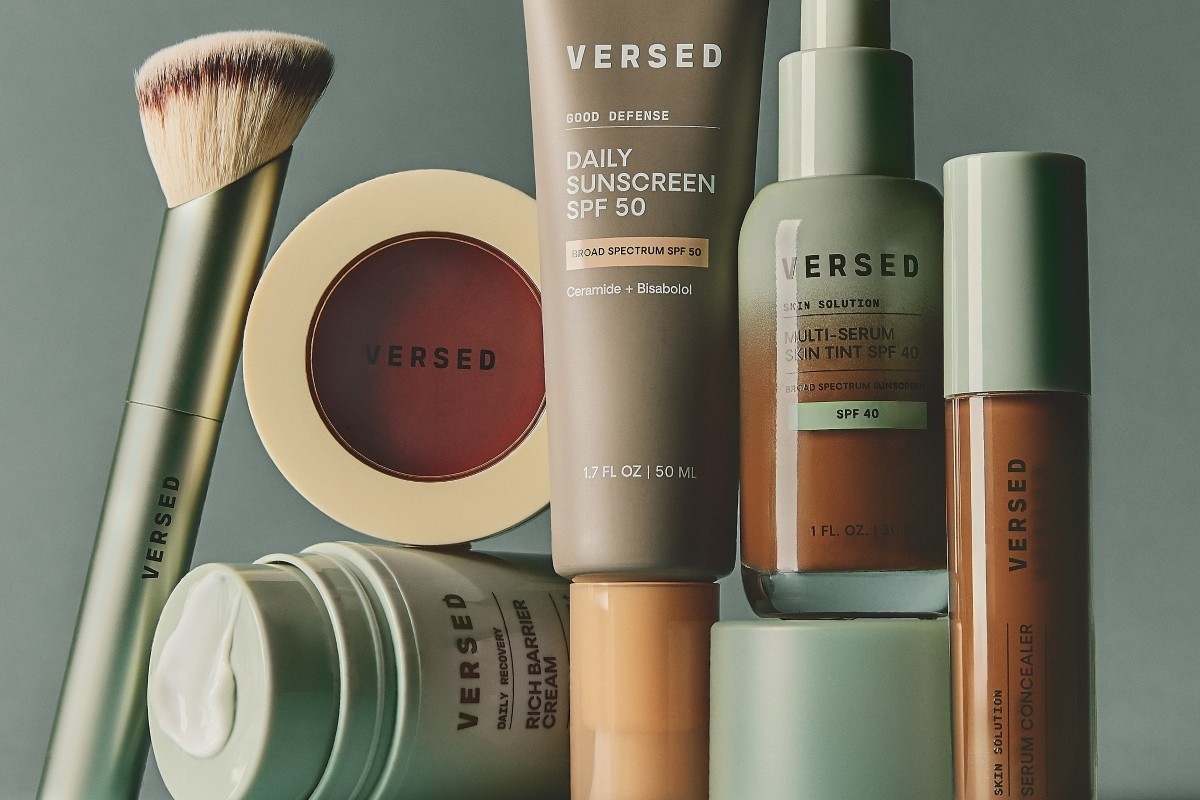
The clean beauty market has moved from fringe to default expectation—and that shift is rewriting power dynamics across beauty. Versed was launched in 2019 “to democratize clean beauty, bringing elevated, solution-driven skin care and, more recently, color cosmetics at mass retail”. Its pitch was once disruptive: clean, community-led formulas at accessible prices. Today, that is precisely what big investors want more of. When an acquirer describes Versed as doing better than any rival “in the clean mass retail space”, it signals that clean is no longer an alternative narrative; it is the core of the growth story.
Clean has become table stakes from entry-level shelves to prestige counters. The real contest now is who can combine clean formulations with credible science, visible results, and professional-level positioning.
Belle Brands–Versed: A Case Study in Premium Beauty Consolidation
Belle Brands’ acquisition of Versed is more than another portfolio deal; it is a signpost that premium beauty consolidation in clean skincare is accelerating. Belle Brands has acquired Versed, a clean, solutions-driven skin care and makeup brand founded by Katherine Power. Versed now sits alongside JVN Hair, Pipette, and KVD Beauty under the leadership of Belle Brands’ global president Teresa Lo.
This roll-up strategy matters for consumers because it concentrates influence over which clean skincare brands get shelf space, promo budgets, and long-term R&D support. Versed began as the first digitally incubated brand to debut in mass retail and grew through a data-driven, community-led approach to product development. That grassroots ethos now plugs into a larger infrastructure that promises to “continue to drive growth and maximize its potential”.
The upside: more distribution, likely more innovation, and stable backing. The risk: as more indie clean brands are absorbed, diversity of voices and experimentation in the clean skincare space could narrow, even as the category appears to thrive.
Clinique’s PDRN Bet: Clean Meets Medical Aesthetic Skincare
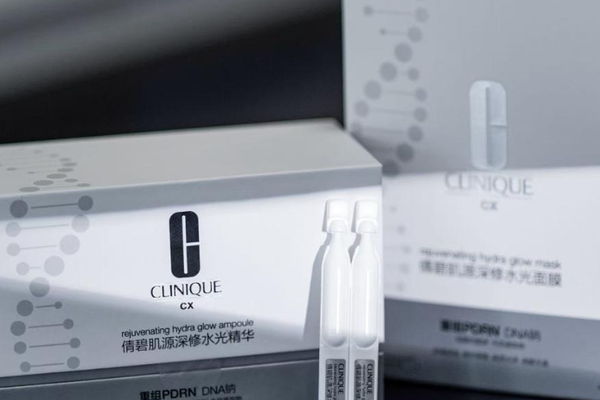
While portfolio players race to own clean mass retail, legacy prestige brands are pushing into medical aesthetic skincare to defend their premium edge. Clinique, under The Estée Lauder Companies, recently launched the CX Skin Source Deep Repair Hydrating Series in China, entering the rapidly growing PDRN skincare segment. The series uses recombinant PDRN as its core ingredient and is presented as the world’s first skincare line built around this component.
This is not a cosmetic whim; it is a strategic response to consumers who now see medical aesthetic procedures and daily skincare as parts of one continuum. As medical aesthetic consumption shifts from one-off treatments to long-term skin management, the “post-medical aesthetic care” market for pre-procedure stabilization, post-procedure repair, and long-term anti-aging is expanding.
Clinique’s move strengthens its bridge between “scientific skincare” and medical aesthetic care. It also underlines a broader truth: premium brands no longer compete on moisturization and anti-aging claims alone—they compete on scientific credibility and proximity to professional care.
Why Medical-Aesthetic-Centered Skincare Is Becoming the New Growth Engine
The rise of medical aesthetic skincare is not a passing trend; it is becoming a core growth driver for premium players. International beauty groups are treating daily care centered on medical aesthetic scenarios as an important growth direction for high-end skincare.
Consumers are changing what they ask of their products. Acceptance of non-surgical procedures is climbing, and people are shifting from chasing instant results to focusing on long-term skin condition management and maintenance. That shift pushes brands to use ingredients such as hyaluronic acid, recombinant collagen, peptides, and PDRN—materials that migrated from medical settings into daily skincare.
From an industry trend perspective, the boundary between skincare and medical aesthetics is gradually blurring. For high-end groups, “building a new product system centered on medical research, ingredient innovation, and clinical validation is becoming a critical path to seize the next round of growth”. The brands that win will be those that can turn complex clinical data into benefits consumers can see and feel, without sacrificing the clean standards they now expect by default.
The New Premium: Clean, Clinical and Everywhere
Taken together, Belle Brands’ consolidation of Versed and Clinique’s push into PDRN-rich, post-procedure care show where premium beauty is heading. Clean skincare has evolved from a niche claim to a mainstream requirement across all price tiers; Versed explicitly set out to democratize clean beauty at mass retail and is now being scaled inside a multi-brand platform, while Clinique draws on medical aesthetic research to justify its high-end positioning.
For ordinary users, the practical impact is double-edged. On one hand, more brands promise integrated solutions that cover daily care, procedure support, and long-term anti-aging, because consumers no longer separate “skincare” from “medical aesthetics”. On the other, more power sits with a smaller number of conglomerates, from Belle Brands’ portfolio of JVN Hair, Pipette, KVD Beauty, and now Versed to global groups betting on scientific collaborations and clinical testing.
The future premium brand will not be defined by price alone, but by a mix of clean formulations, credible science, and access—appearing in mass retailers, professional clinics, and prestige counters at the same time. Consumers should welcome the added choice, but stay critical of how much of “clean” and “clinical” is marketing language versus proven benefit.