

Makeup Wipes vs. Cleansing: Convenience Is Not Clean
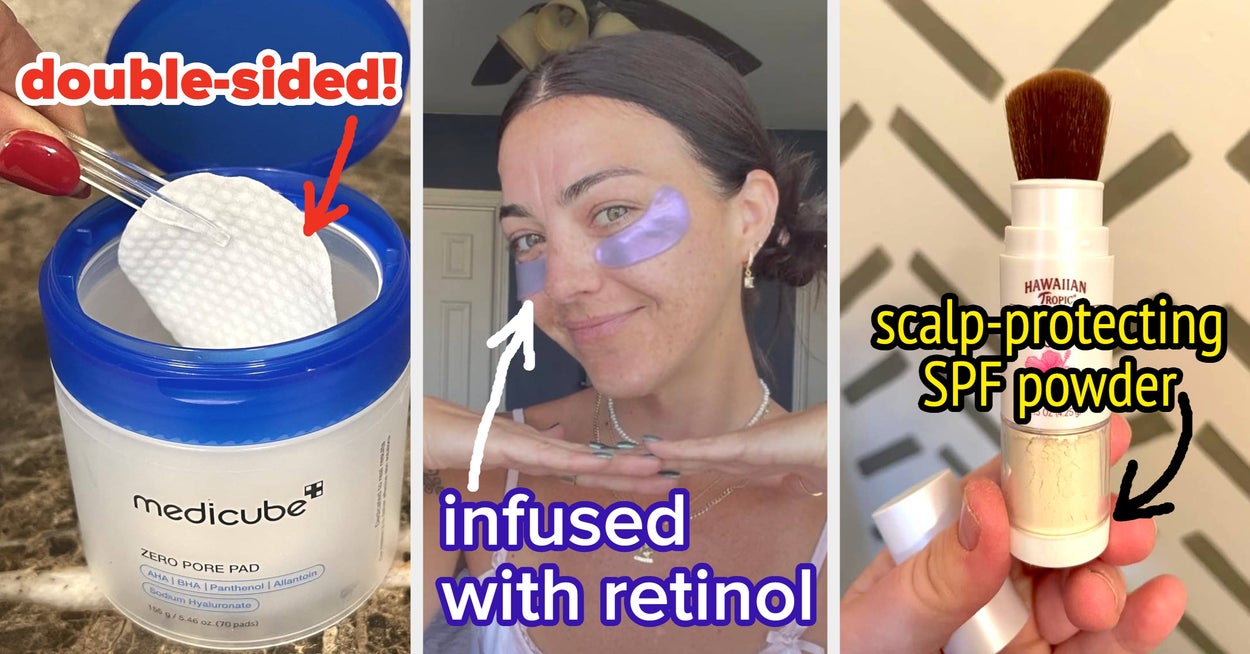
Makeup wipes are pre-moistened disposable cloths sold as a shortcut to proper skin cleansing, but in practice they function more like surface-level makeup removers than thorough facial cleansers, often smearing residue around instead of removing it completely and giving a misleading sense that the skin is clean when deeper impurities remain trapped against the skin.
The core problem is confusion between “looks clean” and “is clean.” Wipes are great at visible makeup: pigment, mascara smudges, a long-wear lipstick ring. They are poor at everything you cannot see: oxidized sebum, sweat, and the day’s buildup sitting in pores. When you swipe and walk away, you are not cleansing; you are rearranging. If your goal is a minimalist skincare routine, that is a bad trade. A minimal routine only works when every step pulls real weight, and cleansing is the step that has to do the heavy lifting.
Why Residue Matters More Than Your Mascara Smears
The swipe-and-go habit feels harmless, but what wipes leave behind is the problem. Fragrances, preservatives and surfactants can linger on the skin, while pigment and grime settle back into pores. Instead of supporting the skin barrier, you leave a cocktail of leftover product, oil and environmental debris pressed against it, which can contribute to dullness and congestion over time. A wipe may lift the top layer of makeup, but it does not give your skin that clean slate feeling a rinse-off cleanser can provide.
Proper skin cleansing means removing what you applied on purpose and what you picked up without noticing. That calls for water plus a formula designed to dissolve oil, break down impurities, and then leave with the rinse. “Cleansing is the most foundational step in any skincare routine, but its effectiveness depends on choosing the right formula”. In other words, your skin health depends far more on the cleanser at your sink than the wipes in your drawer.
What an Effective Cleanser Does That Wipes Cannot
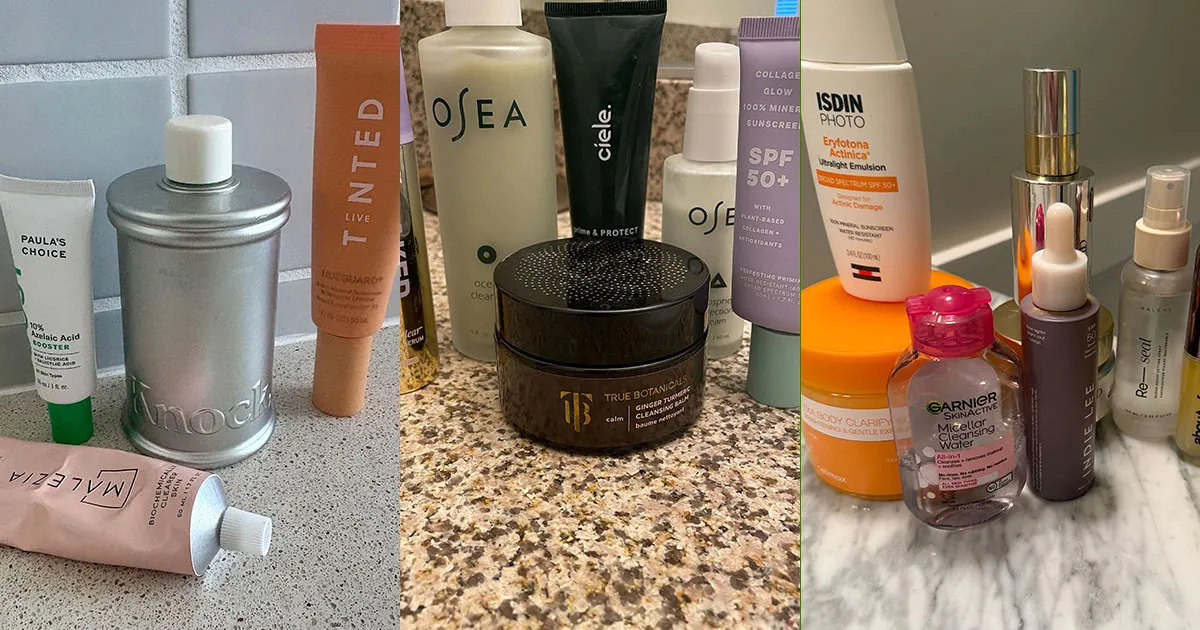
A good facial cleanser does more than sweep off pigment; it addresses specific skin needs while it cleans. One example is a trio that includes a Pore Cleanser, a Mighty Cleanser, and a Gentle Cleanser, created to help people match formulas to skin type and concerns as they shift. While the Mighty Cleanser uses 2% salicylic acid plus glycerin to clear active pimples and reduce the severity of acne, the Pore Cleanser offers 1% salicylic acid with jojoba ester beads for clogged pores. True to its name, the Gentle Cleanser uses soothing ingredients like cica and aloe for sensitive or stressed skin.
These facial cleanser benefits highlight what wipes cannot do: they work with water to remove buildup more thoroughly and offer concern-specific support at the same time. Ingredient differences make personalization understandable and practical for everyday use, with visible actives that help you decide which bottle your skin needs tonight. That is real, proper skin cleansing, and it is far more efficient than cycling through multiple wipes that do little beyond smearing product around.
Minimalist Skincare Starts With One Good Cleanser
If your goal is a minimalist skincare routine, the answer is not more wipes; it is one well-chosen cleanser that you use consistently at the sink. Cleansing is the most foundational step in any skincare routine, because every serum or moisturizer you apply afterward depends on clean skin to do its job. Swap the wipe stack for a single bottle that meets your current needs, whether that is breakout control, pore care, or calming support as your skin reacts to stress or seasons.
Think of wipes as the backup plan for rare emergencies, not your nightly ritual. Skin behaves better when you respect it with a short, thoughtful routine instead of a rushed workaround. One cleanser, water, and your chosen follow-up product will always beat a pile of wipes that only fix the mirror, not the skin looking back at you.
A Quick Note on Digital “Residue” Too
There is another kind of residue we forget: digital. When you use online services, small text files called cookies are placed on your device along with other tracking technologies like web beacons, embedded scripts, and software development kits. First-party cookies are set by the service you are using to enable features and assist analytics, while third-party cookies are placed by outside partners who recognize your device across different websites and services.
You can often adjust cookie preferences through a “Cookie Settings” link in the footer of websites, and most third-party advertisers offer a way to opt out of interest-based advertising. If you disable or remove cookies, some parts of a service may not function properly. Just as with skincare, you do not need to accept every layer by default, but you should understand what you are leaving on, what you are rinsing off, and what happens when you strip everything away.