
Frizz Control Starts Before You Touch a Blow-Dryer
Frizz control in humid weather is the intentional use of targeted styling products and blowout techniques that protect hair from moisture in the air while preserving its natural texture, volume, and movement so it stays smoother for longer without needing daily heat touch-ups.
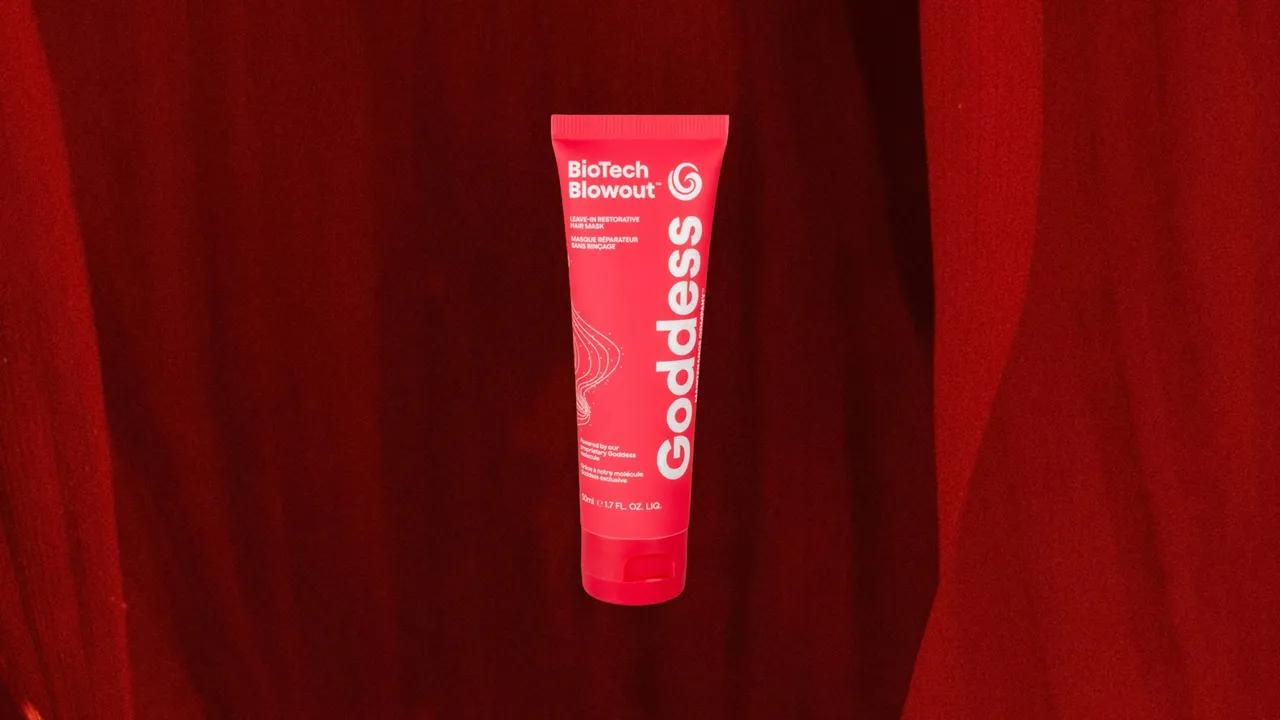
If your blowout collapses the moment you step outside, the problem is not your brush technique; it is your prep. Humidity-resistant hair begins the minute you rinse out your conditioner, with products designed to support styling tools rather than fight them. One example is using a pre-styling leave-in mask that primes hair for hot tools and helps the finished style hold together for longer. Applied to damp hair from mid-lengths to ends, this kind of lightweight cream smooths the cuticle and gives your strands structure so your blowout has a base to cling to, instead of puffing up at the first hint of thick air. You will not get invincible hair in peak summer, but you will get a fighting chance.
Why a Frizz Control Mousse Is Non-Negotiable in Humidity
When the air feels like soup, a frizz control mousse is the difference between soft volume and a collapsed, sticky helmet. For humid days, you need a mousse formula that keeps frizz under control, adds volume and holds up in humidity without leaving hair stiff or weighed down. Anything that feels heavy or tacky will betray you the moment the dew point spikes; light formulas that distribute easily through damp hair and leave no sticky residue are the ones that behave when conditions turn against you.
The most effective way to use this type of mousse is before every blowout, worked generously from roots through the middle of the hair before blow-drying. This placement matters: roots get lift, mid-lengths get frizz control, and ends keep movement instead of crisp dryness. The result is hair that feels like hair, but looks fuller, shinier, and far more polished. According to Victoria McDonnell, this kind of mousse can help a blowout maintain its shape instead of puffing up minutes after you step outside. It will not erase extreme humidity, but it will keep your style in line longer.
Blowout Techniques That Build Humidity-Resistant Hair
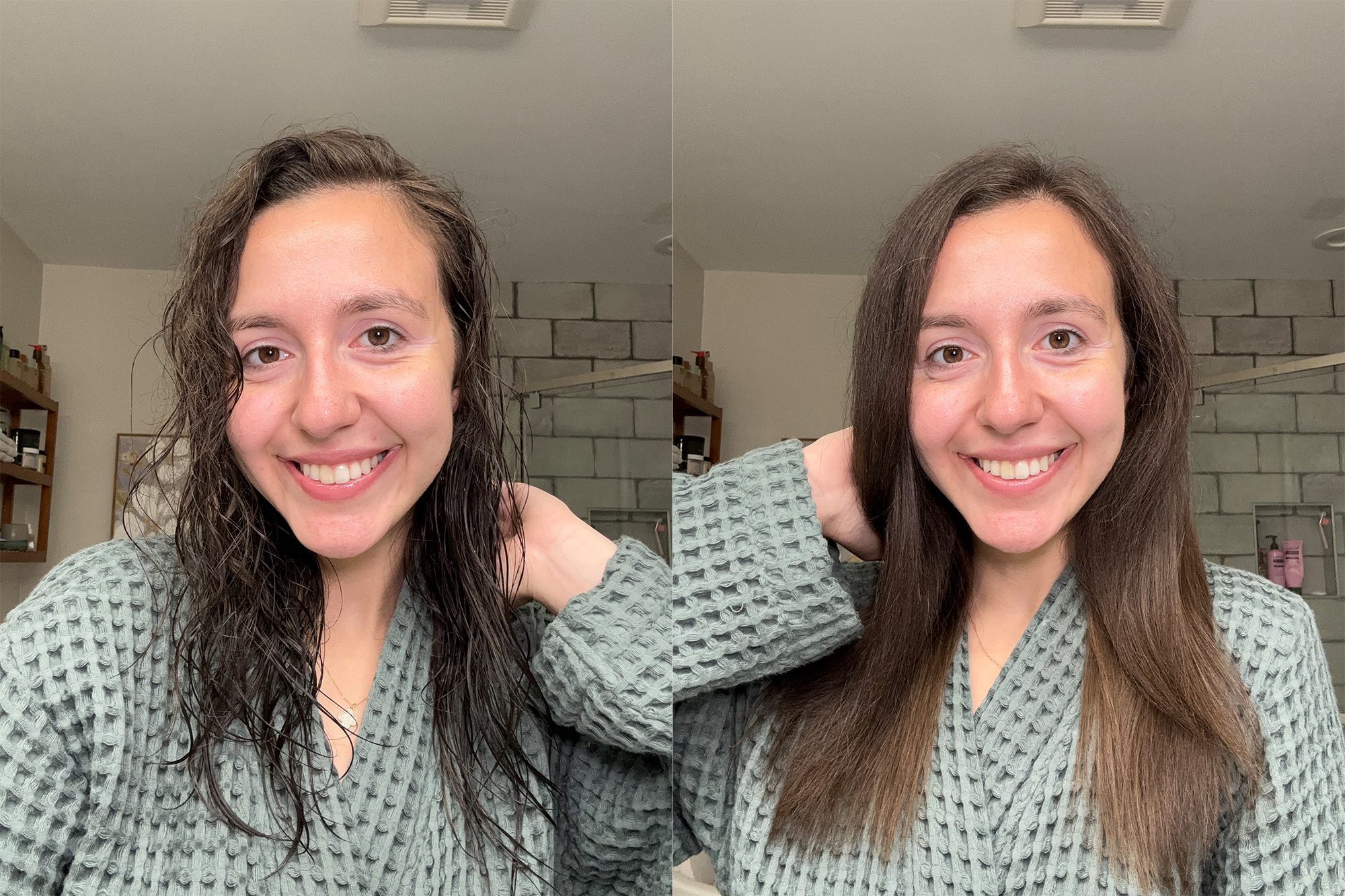
You cannot slap on smooth hair products and expect miracles; you need a blowout routine that respects how products and tools work together. Start with clean, conditioned hair, then apply a dime-size dollop of a lightweight blowout mask from mid-lengths to ends while hair is still slightly damp. This pre-styling leave-in treatment preps hair for hot tools and helps hold everything together so the blowout does not dissolve the second you leave home.
Next, layer your mousse. Work a generous amount from roots through the middle before blow-drying to create noticeable lift and extend the life of your style. Blow-dry in sections with tension and a nozzle, directing airflow down the hair shaft to keep the cuticle smooth. If you want bends or waves, add them with a curling iron once hair is fully dry. This combination—targeted mask on the lengths, frizz control mousse at the roots and mid-shaft, and deliberate hot tool use—builds in support so you can go days without redoing your entire blowout. You may still need a quick touch-up in high humidity, but not a full restyle.
Layering Products for Lasting Smoothness in Humid Air
The biggest mistake people make with frizz control is using one product and hoping for magic. Humidity-resistant hair comes from smart layering that targets different problems: structure, volume, and surface smoothness. Begin with a pre-styling blowout primer or mask to create a smoother canvas and give your hair something for the style to hold onto. Follow with a frizz control mousse for support that does not feel crunchy or weighed down. This step adds volume and helps the style keep its shape instead of puffing up as soon as you step outside.
Finish by grazing a drop or two of a shine product over the surface to tame flyaways, fight the impact of humidity, and hydrate the ends. The point is not to shellac the hair; it is to lock in the smoothness you already created with the blowout and mousse. This three-part layering—primer, mousse, shine—keeps roots lifted, ends smoother, and mid-lengths controlled, so you are not reaching for extra styling products halfway through the day. In brutal humidity, nothing is perfect, but this strategy stops your hair from turning into a frizz cloud the moment the forecast spikes.
Scent and Ritual: Why Sensory Details Keep You Consistent
Frizz control is not only science; it is ritual. If your products smell flat or feel like a chore to use, you will skip them, and humidity will win. That is why the sensory experience of smooth hair products matters more than people admit. Some mousses are praised not only for their performance but because every product in the line "smells like a dream," turning a basic styling step into a salon-level moment at home.
One formula, for example, makes the bathroom smell like you have walked into a high-end salon, with a fragrance that lingers in the hair without feeling overpowering. When your mousse feels light, leaves hair soft and touchable, and wraps the whole process in a scent you look forward to, you are far more likely to use it before every blowout. That consistency is what gives your hair that critical "fighting chance" in heavy humidity. In the end, the most effective frizz control routine is the one you repeat: a good formula, the right technique, and a sensory payoff that makes the habit stick.