
Heat Styling Without Sacrifice: What This Guide Is Really About
Heat damage prevention when creating waves and curls means combining protective hair treatments, modern heat styling tools, and thoughtful curling iron technique so you can style at high temperatures with minimal breakage, smoother texture, and longer-lasting shine instead of sacrificing your hair’s health every time you plug in a hot tool. This is not about giving up your beachy waves or polished curls; it is about refusing the old trade-off of beautiful hair today and split, fragile strands tomorrow. If your hair is frizz-prone, chemically treated, or already showing signs of heat wear, you can’t afford to be casual about this routine—every pass of a hot tool either protects your cuticle or chips away at it. The right prep and the right tools turn styling from daily damage into controlled, cosmetic heat exposure.
Build a Protective Routine Before You Even Touch a Hot Tool
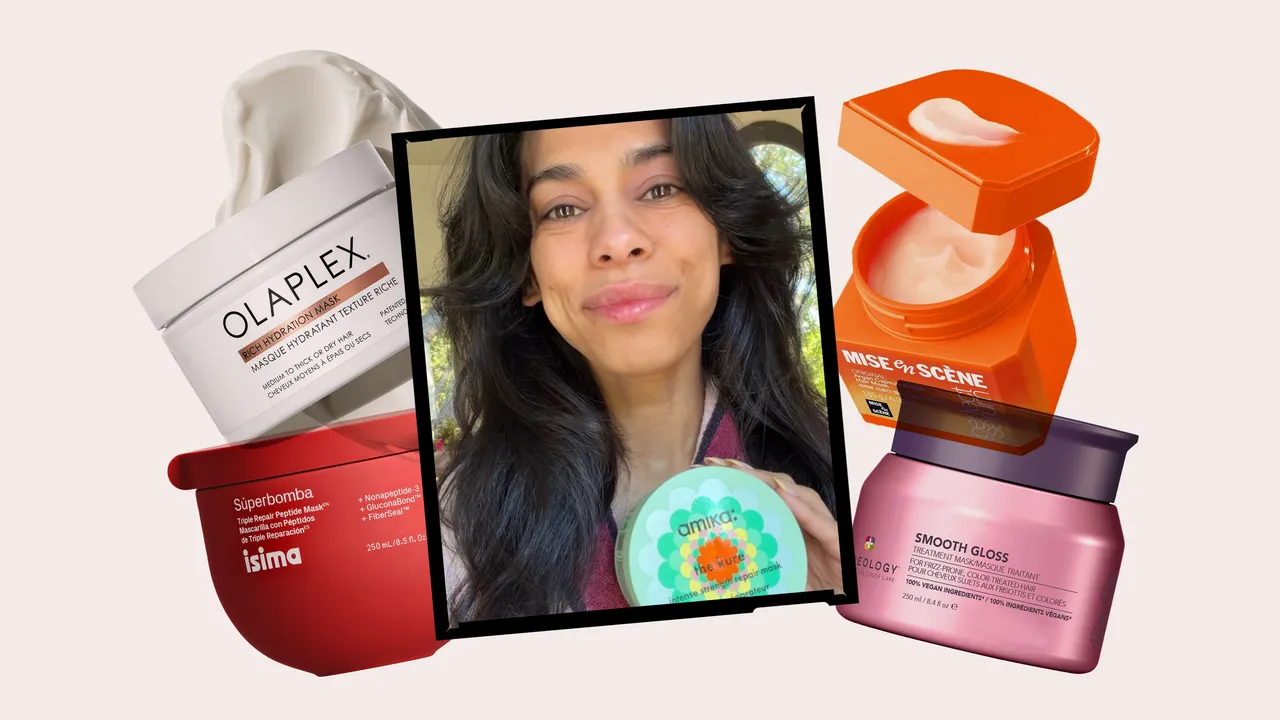
If you are serious about hair breakage prevention, your routine between styling sessions matters as much as what happens on styling day. Experts agree that moisturizing hair masks are among the best protective hair treatments to keep strands conditioned and less brittle. Most masks are designed for weekly use, and “for most people, once a week is sufficient” to maintain smoothness without weighing hair down. Overusing heavy masks—especially on fine hair—creates buildup, limp roots, and harder styling, proving that more product is not more protection. A balanced wash routine, hydrating shampoos and conditioners, and targeted serums or lightweight oils to fight frizz and boost shine all support heat damage prevention by keeping the cuticle moisturized and flexible. Even your pillowcase matters: sleeping on satin or silk reduces friction that leads to breakage and frizz between heat sessions.
Choose Smarter Heat Styling Tools Instead of Hotter Ones
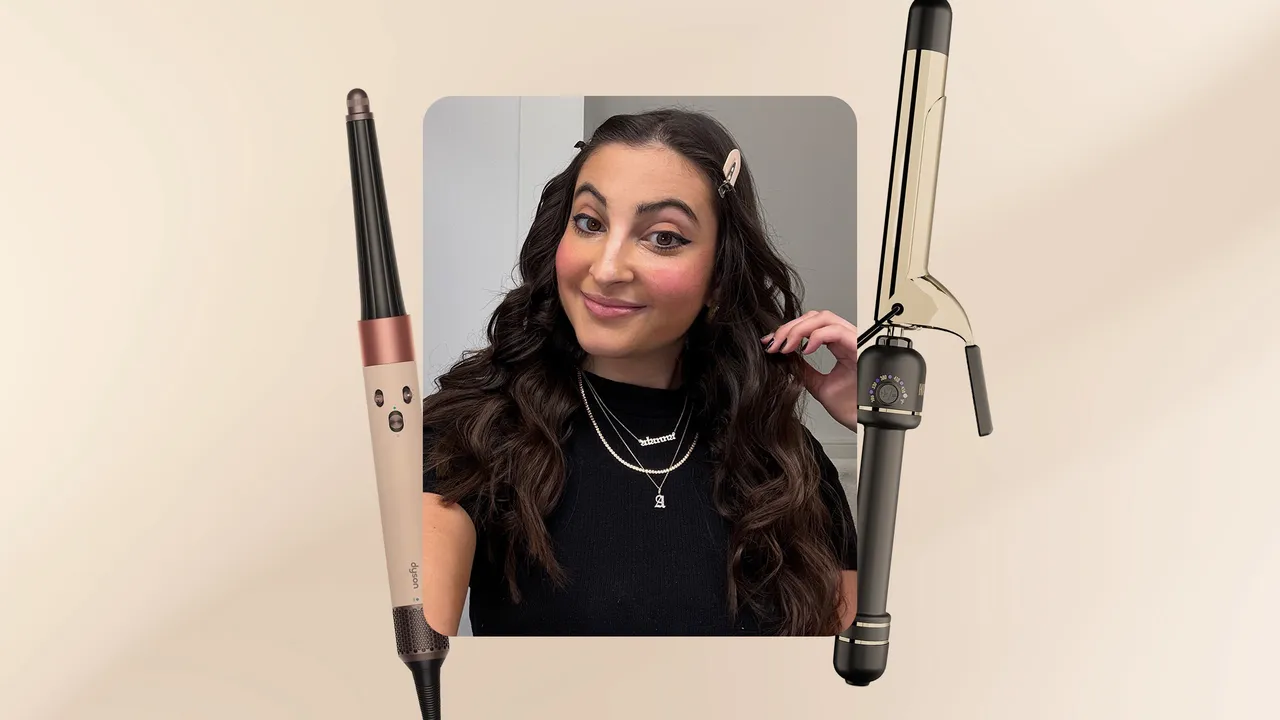
Too many people assume that hotter tools equal better styling; in reality, smarter tools equal healthier hair. Modern flat irons and curlers now use sensors and algorithms to reduce thermal stress. One new straightener measures hair temperature up to 2,900 times per second and adjusts heat for less damage, rather than fixating on plate heat. That kind of AI tailoring is exactly what fragile or color-treated strands need. For curling irons, material matters: ceramic barrels distribute heat evenly and are gentler on fine or fragile hair, titanium heats faster and stays hotter for thick or coarse textures, and tourmaline ceramic helps reduce frizz and boost shine in damaged or frizz-prone hair. Whatever you choose, the non‑negotiable rule is that you always use a heat protectant before styling to help prevent damage, regardless of how advanced your gadget claims to be.
| Hair type | Recommended barrel material | Key benefit |
|---|---|---|
| Fine or fragile | Ceramic | Even heat with less damage |
| Thick or coarse | Titanium | Higher, stable heat for faster styling |
| Damaged or frizz-prone | Tourmaline ceramic | Reduced frizz and boosted shine |
Master Curling Iron Technique to Protect Your Strands
Technique is where many people turn a safe tool into a breakage machine. Barrel size and method should match your goal and hair type. Smaller barrels from ½ to ¾ inch create tight ringlets, while 1 to 1¼ inches suit most lengths for versatile curls, and 1½ to 1.75 inches give big, voluminous waves. If your goal is red‑carpet waves, start with a medium-to-large barrel, curl sections in the same direction, let them cool before brushing out, and finish with a glossing spray to sculpt smooth, shiny waves. For beach waves, use a large curling iron around 2 inches, create loose bends at the midlengths, leave ends straighter, then scrunch and add texturizing spray. Skipping prep and finish steps is why many curls fall flat; when hair is well-conditioned and properly set, waves can last at least a full day while still feeling soft and smooth.
Style Smarter, Not Less: A Sustainable Heat Routine
You do not have to quit waves and curls to keep your hair healthy—but you do have to stop abusing heat. A sustainable routine blends weekly deep conditioning, daily friction control, and smart tool use. Weekly masks keep hair supple enough to hold shape without snapping, while avoiding overuse prevents limp, coated strands that resist styling. Air‑drying when you can or using a diffuser, always applying a heat protectant before any hot tool, and choosing AI‑guided straighteners that prioritize minimal heat damage are not luxuries; they are the new baseline. If you keep turning up the temperature instead of improving your routine, you will keep chasing shine that your damaged cuticle can no longer deliver. Protecting your hair from heat damage is a decision: either every styling step supports hair breakage prevention, or every shortcut chips away at the health you are trying to style into place.