
Why Pair a Flyaway Wand with a Smoothing Mask?
The two-step edge control method means pairing weekly frizz-fighting hair masks with daily flyaway wands to condition the hair fiber, reduce frizz, and then precisely tame baby hairs and edges for smooth hair styling that feels soft instead of stiff.
If you want polished edges and strands that look smooth in photos but still move, this approach is worth your attention. It starts by treating frizz at the source with moisturizing masks, then finishes with edge control products that handle the hairline without that hard, helmet-like feel. Hydrating masks are one of the best ways to keep your hair conditioned and less prone to frizz, especially when you deal with humidity, chemical treatments, or naturally dry texture. Once that base is in place, a flyaway wand steps in to give instant, targeted control over baby hairs and flyaways around your hairline. Think of it as caring for the canvas first, then detailing the frame.
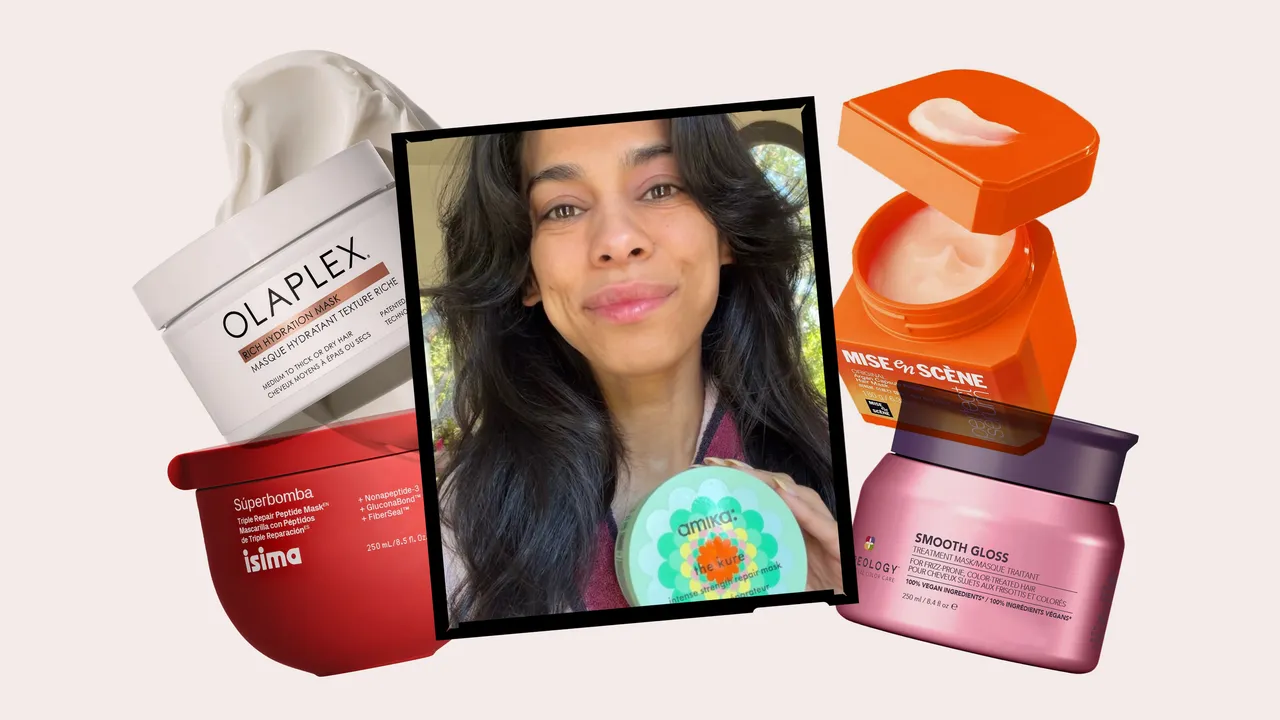
Step‑by‑Step: The Two‑Step Edge Control Routine
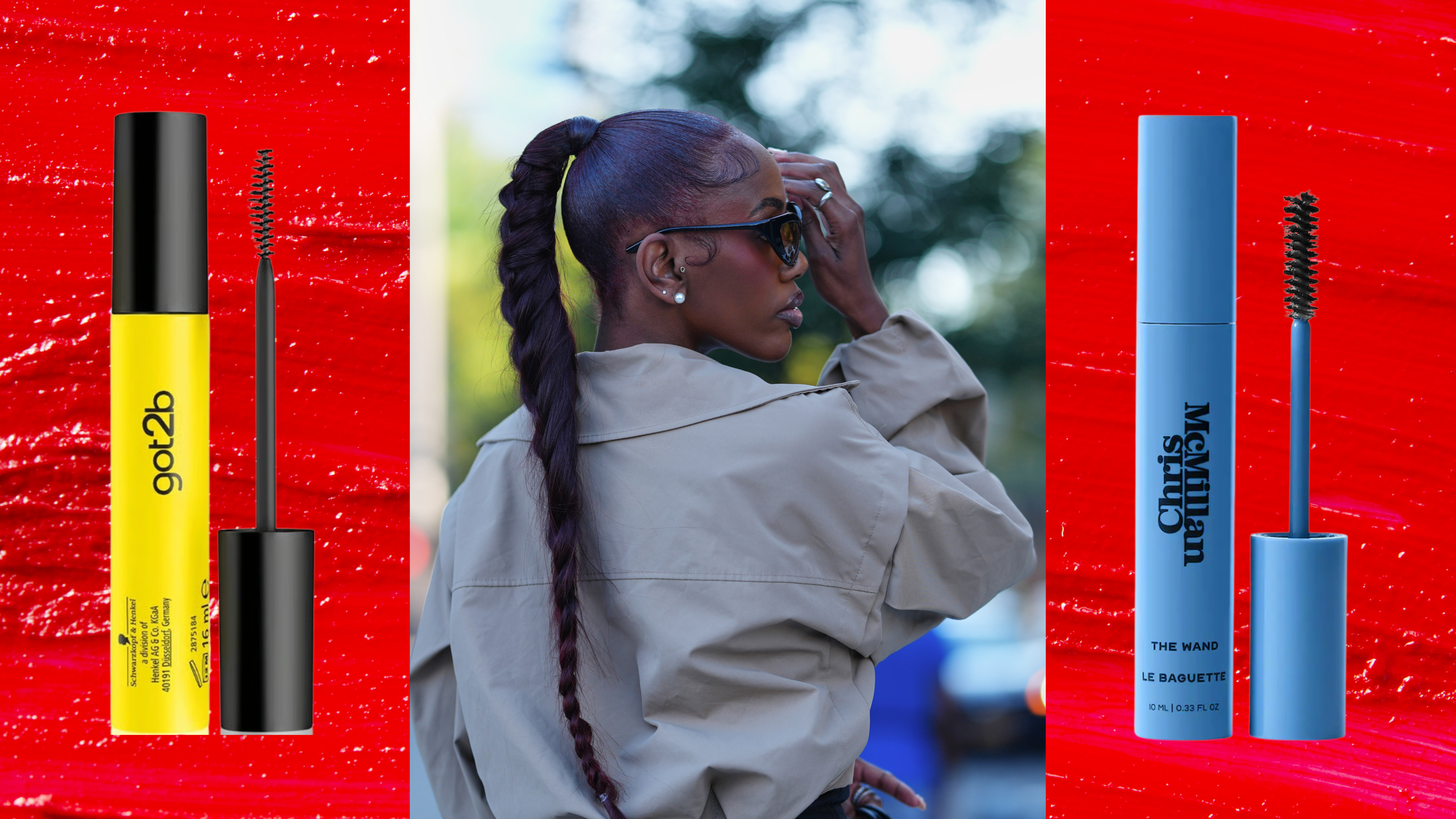
Here is the flyaway wand tutorial as a real-world routine, not a gimmick. The key is treating your mid-lengths and ends regularly, then using precise edge control products sparingly on the hairline. This is where people go wrong: skipping hydration and piling on sticky gels that flake or feel crunchy. A wand-style product uses a tiny tube and a bristled brush, like mascara, so you can target only the hairs that need help instead of shellacking your whole head. That nimble brush is what makes it especially handy for edges and baby hairs, and for smoothing smaller areas around buns or ponytails without mess.
- Once a week, apply a moisturizing, frizz-fighting hair mask to clean, damp hair, focusing on mid-lengths and ends rather than the scalp.
- Let the mask sit for the time recommended on the package, then rinse thoroughly so your hair feels conditioned but not coated or heavy.
- Air dry when possible, or blow-dry with a diffuser and heat protectant to avoid extra damage that can lead to more frizz.
- Style your hair as desired (slick bun, ponytail, or down), creating the overall shape before touching your edges or flyaways.
- Use a flyaway wand’s small bristled brush to gently swipe over baby hairs and edges along your hairline, taming frizz and flyaways without loading on product.
- Check for any stubborn pieces; add another light pass with the wand where needed instead of layering heavy gels or creams all over.
- Carry the flyaway wand with you for quick touch-ups during the day, especially in humidity, so you can smooth edges without stiffness or residue.
The gotcha here is overdoing either step. Using rich masks too often, especially on fine hair, can weigh strands down and make them look limp or greasy, while coating edges in thick gel every day can lead to buildup and flaking. Keep the mask to once a week for most hair types and apply the wand in thin layers so your edges stay controlled but still soft.
How Masks Set You Up for Smooth Hair Styling
Frizz-fighting masks do more than make your hair feel nice in the shower—they set the stage so every edge product works better. Frizz often happens because dry strands try to pull moisture out of the air, which disturbs the cuticle and causes poofing in humidity. Moisturizing masks help replenish that moisture and condition the hair fiber, so your cuticle lies flatter and your texture is easier to smooth. According to stylist advice, hair masks are a big stepping stone to smoother hair and one of the best ways to keep your strands properly conditioned.
Used about once a week, these treatments can reduce dryness from chemical processes, frequent heat styling, or naturally porous hair. The trick is to follow the guidelines on frequency: very dry or chemically treated hair may need more regular treatments, while finer hair often needs less. Applying masks mostly to mid-lengths and ends avoids scalp buildup and keeps the root area from getting oily or flat. That way, when you go in later with edge control products around the hairline, you are smoothing hair that is already soft, hydrated, and less likely to rebel.
Why Flyaway Wands Are the New Everyday Edge Control
Traditional edge control often depends on stiff gels that can feel crunchy, flake, or leave a white cast over time. Flyaway wands approach the problem differently. A flyaway wand is essentially a mascara-style tool with a small bristled brush and tube of product so you can tame edges and flyaways with precision. One stylist explains that they are fantastic for getting into smaller spaces and make taming your flyaways easier. For everyday edge control, that nimbleness matters more than brute hold.
Because you brush the product directly onto baby hairs around the hairline, you get instant control without having to smooth a thick layer of gel over a large area. Many wand formulas lean lighter—closer to serums or creams—so they help keep frizz and flyaways out of your face but avoid stiff, flaky residue. Some edge control products even combine conditioning ingredients that moisturize and soften hair or aim to prevent buildup at the hairline. The wand’s small size and travel-friendly packaging make it easy to throw in your bag for emergency touch-ups, making it a practical daily companion whenever your edges start to lift during the day.
Adapting the Two‑Step Method for Different Hair Types
The beauty of combining frizz-fighting masks with a flyaway wand is that it works across hair types, from fine to highly textured strands. Curly and textured hair are naturally more prone to frizz because scalp oils have a harder time traveling along the coil and keeping each strand smooth. That means regular conditioning and targeted edge control can be particularly helpful. On textured hair, choose a mask schedule that keeps the hair hydrated without causing product overload, then reach for bolder-hold wand formulas if your edges tend to spring back quickly.
Fine hair needs more balance. Using a heavy mask too often can make it flat and greasy, and excessive product at the hairline can leave it looking coated. Stick to lighter masks at a weekly or less frequent pace and pick flyaway wands with serum-like textures when you want softer, flexible hold. Damaged hair from heat or chemical services benefits from the same routine but should pay extra attention to heat protection and gentle drying methods, like air drying or using a diffuser. Overall, this two-step approach is a way to keep your hair smooth and edges polished while still respecting your natural texture instead of fighting it.
Takeaway: Soft Edges, Less Frizz, More Control
The two-step edge control method—weekly frizz-fighting masks plus a daily flyaway wand—pays off in hair that feels conditioned, looks smoother, and still moves. Masks handle the deeper moisture needs so frizz is less intense, while the wand gives you quick, precise control over baby hairs and edges without the heaviness or stiffness of thick gels. It is worth trying if your hair tends to puff in humidity or your sleek styles fall apart by midday. The main things to watch: do not overuse masks on fine hair, avoid coating your scalp, and keep your wand passes light. Treat this routine as care and finishing, not a battle, and your edges—and photos—will thank you.