

Why Missed Sunscreen Spots Matter More Than You Think
Sunscreen application technique is the set of habits and steps you use to measure, spread, and reapply sunscreen so that every bit of exposed skin gets consistent, reliable protection from ultraviolet radiation. Done well, it dramatically cuts the risk of skin cancer and slows visible aging caused by the sun. Daily, consistent sunscreen use has been shown to reduce the risk of melanoma and squamous cell carcinoma, and up to 80% to 90% of visible skin aging is driven by UV exposure. That is the payoff. The catch is that sunscreen works only where you put enough of it: dermatologists point out that most people apply only 25% to 50% of the needed amount, and one study found we miss about 20% of exposed skin altogether.
This guide is for anyone who already owns sunscreen but suspects their quick slap-it-on routine is not giving proper sun protection. There is one real prerequisite: a broad-spectrum sunscreen with SPF 30 or higher, mineral or chemical, that you are willing to use every day and reapply. Beyond that, the goal is to walk through a simple pattern that a friend could copy in a bathroom mirror and repeat without overthinking it. We will focus on the face, ears, and scalp line, because those missed sunscreen spots are where dermatologists see a lot of trouble later—especially along the hairline, the part in your hair, and the ears.
The High-Risk Zones People Skip: Ears, Hairline, Part Line
Ask any dermatologist where skin cancers cluster on the head and neck, and you will hear the same short list: scalp, hairline, part line, ears, nose, lips, and eyelids. These are the classic missed sunscreen spots. A huge blind spot is the scalp, including the part and hairline. Even if you have thick hair, UV rays reach that exposed part, and experts frequently see cancers high on the forehead right at the hairline. Melanoma of the scalp tends to be more aggressive than on some other sites, and it can hide under hair until it is advanced.
Then there are the ears and nose. As one Mohs surgeon notes, they disproportionately see skin cancers on the ears and nose, where UV exposure is high but sunscreen application is often inconsistent. Lips are another trouble zone; skipping SPF lip balm leads to a significant number of precancerous and cancerous lesions there. Even more ordinary areas such as the forehead, cheeks, neck, and arms are easy to under-cover when you are in a rush, yet they soak up sun all day. Skin cancer is rarely from one bad sunburn but from years of under-protection, so these little gaps add up.
Step-by-Step: A Face-and-Scalp Sunscreen Routine That Covers Everything
Think of this sequence as the same every morning: measure, map, cover, then lock in habits. The idea is to turn proper sun protection into muscle memory so that your ears, hairline, and part line are never an afterthought. SPF is only as effective as how you apply it, so this is where the numbers matter. Dermatologists recommend about a nickel-sized amount for the face—roughly a quarter teaspoon—and many people like the “two-finger rule”: apply a line of product on your index and middle fingers from tip to palm, which is generally enough to cover the full face. For the body, aim for about a shot glass worth of sunscreen, though this article focuses on the head and neck.
- Measure your dose. For the face, squeeze out about a nickel-sized amount or use the two-finger rule: draw one continuous line of sunscreen along the length of your index and middle fingers, from fingertip to where they meet your palm. For the neck and ears, plan on an extra pea-size or two so you are not rationing mid-application.
- Dot your face and neck. Lightly tap small dots across your forehead, nose, both cheeks, chin, upper lip, ears, and down the front and sides of your neck. Think of it like mapping a grid, including the jawline and just under it, so every region has product waiting to be spread.
- Spread from the center out. Using clean fingers, blend the dots starting at the nose and mouth and moving outward to the cheeks and temples. Sweep up onto the forehead and over to the hairline, making sure you rub sunscreen into the hairline itself. Then smooth down the neck to the collar area so there is no ring of unprotected skin.
- Target the hidden hot spots. Cover the ears carefully: tops, rims, and the area behind them, which often burns first. Run your fingers along your part line and the exposed scalp, using a lighter lotion or a spray if that feels less greasy on hair. Finish with an SPF lip balm on your lips and a thin layer over the eyelids and under-eye area, avoiding getting product in your eyes.
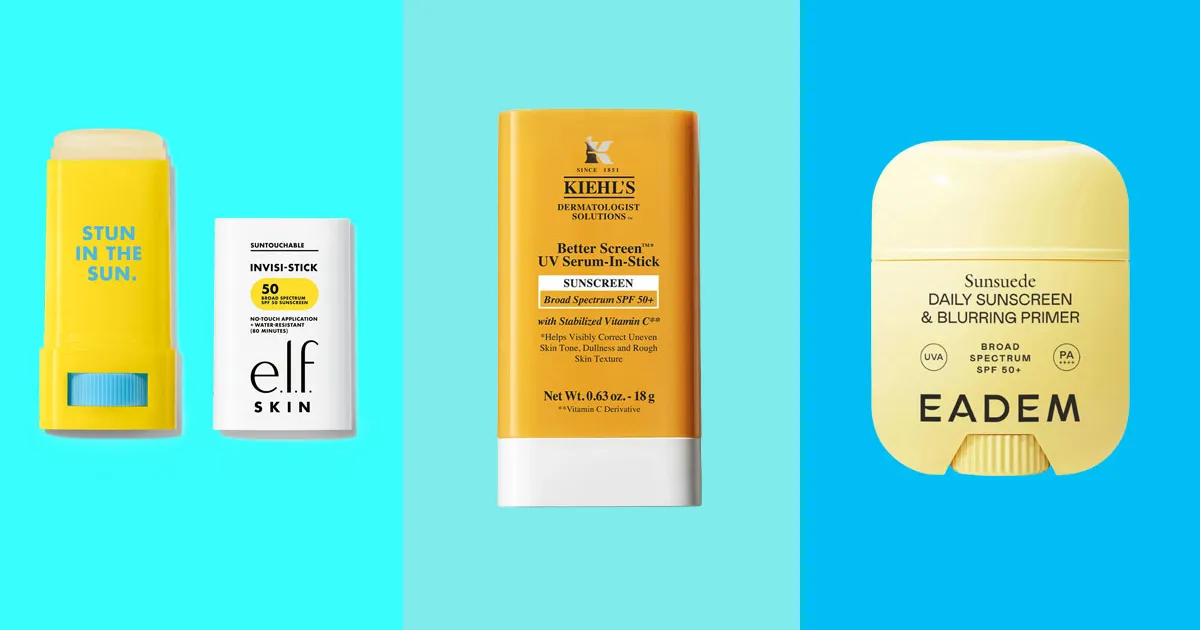
- Choose and apply special formats correctly. If you use a spray sunscreen on the scalp or face, hold the nozzle about one inch from the skin and spray until the surface glistens, then rub it in so you can see and feel coverage. With sunscreen sticks, swipe back and forth four times over each area to deposit enough product, then use your fingers to blend and even out the layer.
The big gotchas here are amount and completeness. Most of us use only 25% to 50% of what we need, which means that your expensive SPF 50 behaves more like a much lower SPF on your skin. Another trap is stopping at the visible face in the mirror and forgetting that the ears, parts in the hair, and top of the neck are still fully exposed. Using a simple pattern—center outwards, then ears, then hairline and part—keeps your routine short but thorough, so you are not guessing where you covered.
Reapplication and Habits: Keeping Protection Where It Counts
Even a perfect morning application fades. Over time, chemical sunscreen ingredients become inactivated and mineral sunscreen ingredients clump, so they lose effectiveness. That means by lunchtime you might think you are protected when you are not. The fix is reapplication: slather on more product every two hours, or more often if you are sweating or swimming, because protection wears off. Pay extra attention when reapplying to the frequently missed spots—ears, nose, hairline, part line, and lips—because those thin-skinned, high-exposure areas take the brunt of UV day after day.
Build simple cues into your day: keep a small tube or stick in your bag and reapply after a walk, a commute, or any time you have been outside for a while. Use a spray on the scalp when you will be in direct sun and smooth it into the part line. Do not rely on sunscreen alone; combine it with hats, sunglasses, and seeking shade during peak UV hours. According to dermatology experts, daily, consistent sunscreen use not only lowers the risk of melanoma and squamous cell carcinoma, it is also the number one anti-aging intervention because so much visible aging is driven by UV exposure.
Is Meticulous Sunscreen Application Worth the Effort?
All of this may sound like a lot to remember, but once you have the pattern down—measure, dot, spread, then hit the hidden zones—it takes under a minute. The payoff is long-term: fewer burns, slower wrinkles, and a real contribution to skin cancer prevention. Daily, consistent sunscreen use has been shown to reduce the risk of melanoma and squamous cell carcinoma, and the difference between slapdash and systematic application is whether your SPF can reach the number on the label. Proper sun protection is not about perfection; it is about applying enough product, in the right places, often enough to add up over years.
The main things to watch for are predictable: using too little product, forgetting the ears, hairline, part line, and lips, and skipping reapplication on busy days. Skin cancer is rarely from one bad sunburn but from years of under-protection, so each small improvement in your routine matters more than a single “perfect” day. Treat your future self like a friend you care about: cover those overlooked spots, keep a sunscreen you like within reach, and let repetition turn this from a chore into a quiet, automatic habit that protects you every day.