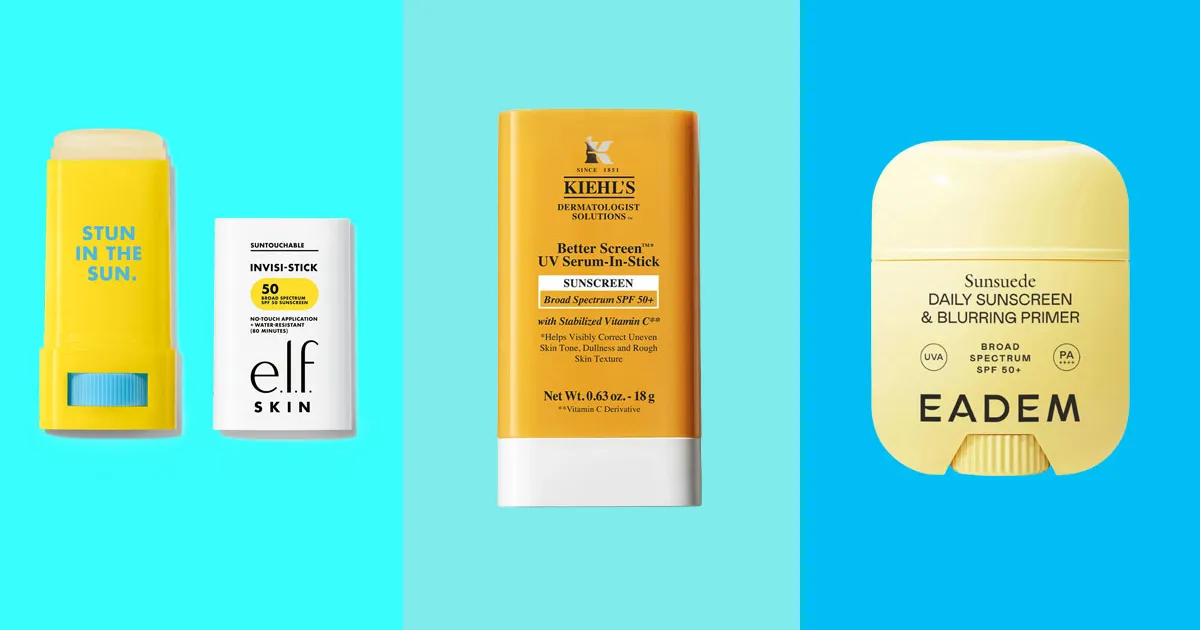


Sunscreen Is Not the Villain—Unprotected UV Is
The anti-sunscreen movement is a wave of UV protection misinformation and sunscreen cancer claims spreading across social media that falsely portray sunscreen as toxic while ignoring the far greater, proven danger of unprotected ultraviolet exposure to human skin. This movement thrives on alarmist claims that sound brave and contrarian, but it’s your epidermis that ends up collateral damage. Skin experts are blunt about where the real risk lies: “Nine out of 10 skin cancer diagnoses are due to UV exposure from the sun and sunbeds.” Sunscreen was designed to block that damage, not cause it. Yet a handful of influencers with slick editing and pseudo-scientific language have convinced millions that SPF is more dangerous than a midday burn. That idea is not edgy wellness; it is evidence-free and reckless.

How a Tiny Anti-Sunscreen Movement Looks Huge Online
Scroll long enough and you could believe everyone has sworn off SPF. That impression is engineered, not organic. A recent analysis of about 1,000 high-view videos under popular sunscreen hashtags found that roughly 87 percent promoted sunscreen use, yet the clips with the highest engagement were the ones packed with misinformation. In other words, anti-sunscreen content is a loud minority: fewer videos, but boosted heavily by likes, comments, and shares that reward outrage and controversy. Hashtags such as #antisunscreen and #nosunscreen have racked up millions of views, making fringe views feel mainstream. Algorithms do not care what is true; they care what keeps you watching. And fear—especially fear wrapped in wellness branding—keeps you on the app far longer than a calm explainer about broad-spectrum SPF 30.

Sunscreen Myths Debunked: Cancer, Vitamin D, and “Toxic” Ingestion
The most viral sunscreen myths all follow the same script: hint at a cover-up, cherry-pick a statistic, then sell an alternative. Take the claim that sunscreen causes cancer. Dermatologists are explicit: “There are no studies demonstrating an increase in skin cancer associated with sunscreen use.” In fact, sunscreens have been tested for decades and “help to prevent skin cancer,” not cause it. Another claim warns that sunscreen will wreck your vitamin D. Yet even research framed as Myth #5—“Sunscreen Causes Vitamin D Deficiencies”—shows the issue is more nuanced, not a blanket deficiency sentence. Then there’s the fear that accidental ingestion is lethal. You will ingest small amounts when lip balm migrates or sweat drips into your mouth; this is “not harmful,” and both mineral and chemical formulas are considered non-toxic, requiring an enormous amount to reach toxic levels. These are sunscreen safety facts, not vibes.
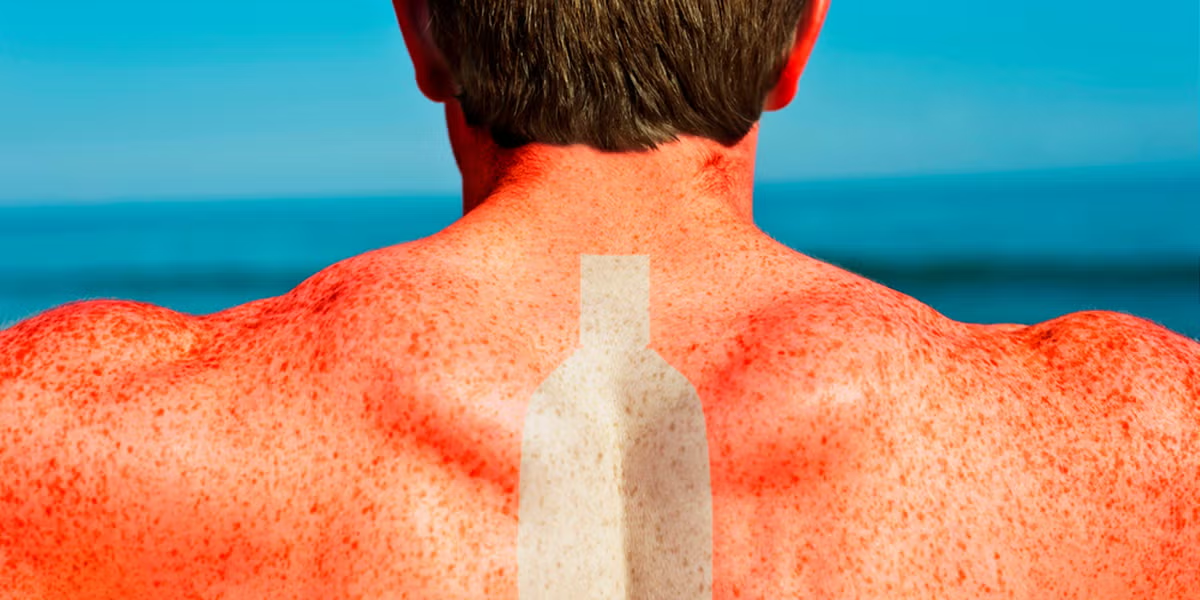
What Dermatologists Actually Say About Sunscreen Safety
If you compare a board-certified dermatologist’s view to a wellness influencer’s, the gap is night and day. Skin experts explain that sunscreen comes in two main types—chemical and physical (mineral)—and both are formulated to protect against UVA and UVB rays within strict regulatory limits. Claims that common filters are secretly poisoning you have “no scientific backing.” One skin cancer specialist puts it plainly: sunscreens “do the exact opposite of being carcinogenic—they help to prevent skin cancer.” The bigger myth, according to dermatologists, is that people with darker skin can skip SPF; everyone is vulnerable to UV-driven cancers and photoaging. When guidance from cancer organizations and dermatologists collides with a dramatic reel, trust the people who treat melanoma, not the ones lighting a Banana Boat bottle on fire for content.
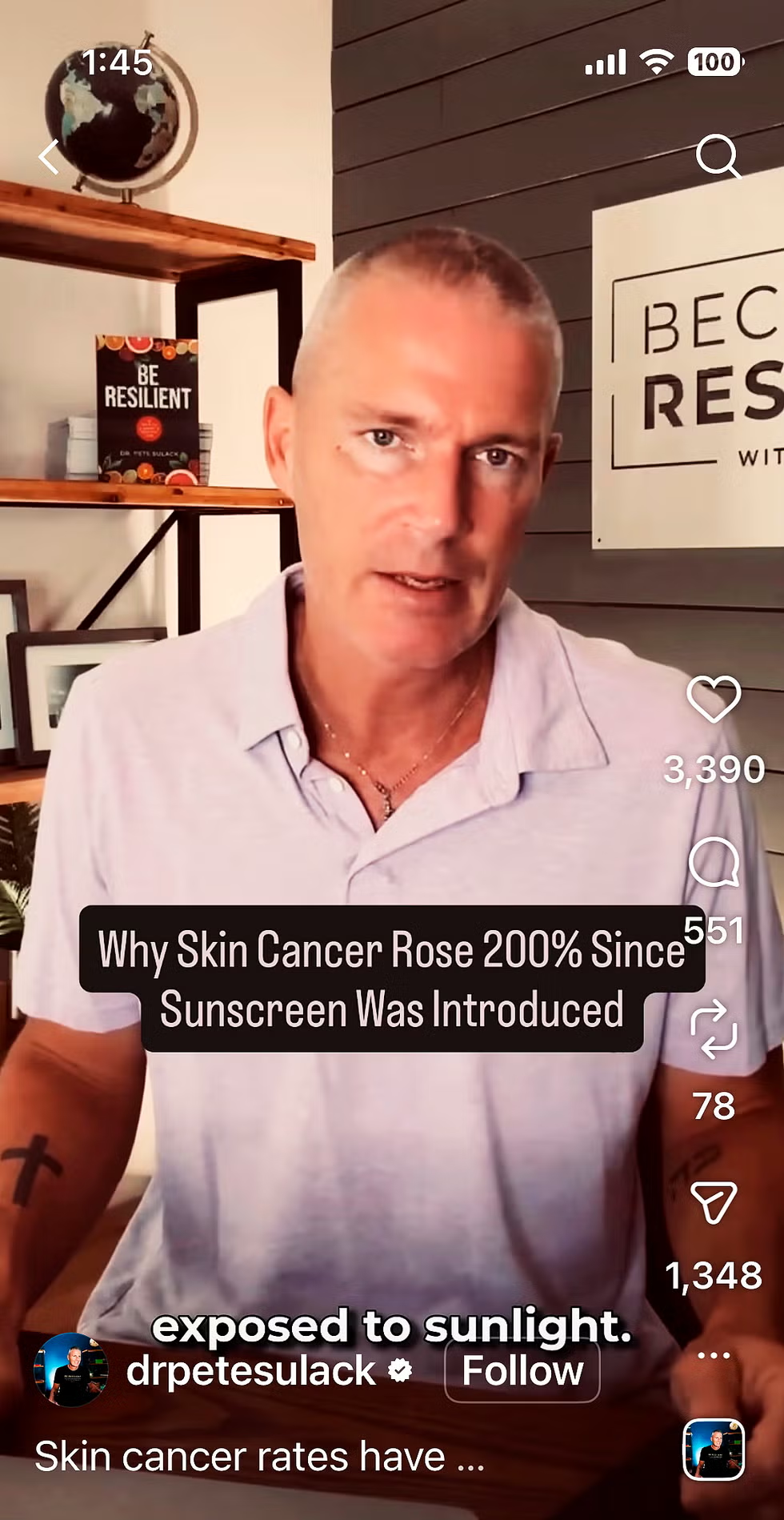
Why We Fall for UV Protection Misinformation—and What to Do Instead
Anti-sunscreen rhetoric is seductive because it tells people what they want to hear: you can tan, avoid the hassle of reapplying, and feel smarter than the “sheeple.” Dermatologists see this daily; many patients arrive armed with viral talking points instead of questions. People already dislike the feel, smell, or inconvenience of sunscreen, so they eagerly adopt any narrative that frees them from using it. But the math is cruel: if nine in ten skin cancers are driven by UV exposure, the decision to stop using sunscreen because of unproven internet claims is not “natural,” it is a calculated risk against your future self. The sane middle ground is clear—limit peak sun, cover up, and use a broad-spectrum SPF 30 or higher as a non-negotiable part of daily care. Your feed may reward controversy; your skin only rewards consistent protection.