

Humidity Frizz Control Starts Before You Even Style
Humidity frizz control is the process of keeping hair hydrated, sealed, and protected so it resists swelling and puffing up when moisture in the air disrupts the cuticle and natural texture of your strands.
If your hair balloons the second you step outside, the problem is not the weather alone—it is your prep. Frizz happens when dry hair grabs water from the air, disturbing its smooth surface and shape. In other words, dehydrated hair behaves like a sponge. Humidity is a major culprit, but chemical services, heat styling, and naturally dry textures all make hair even more vulnerable to this swelling. The most effective humidity frizz control routine therefore starts in the shower, not at the end of your blowout. Experts agree that the base should be a gentle, sulfate-free shampoo paired with a hydrating conditioner to keep the cuticle calm and flexible instead of rough and reactive. Skip this step, and no anti-frizz product will save your style for long.
Use Frizz-Fighting Products Strategically—Not Excessively
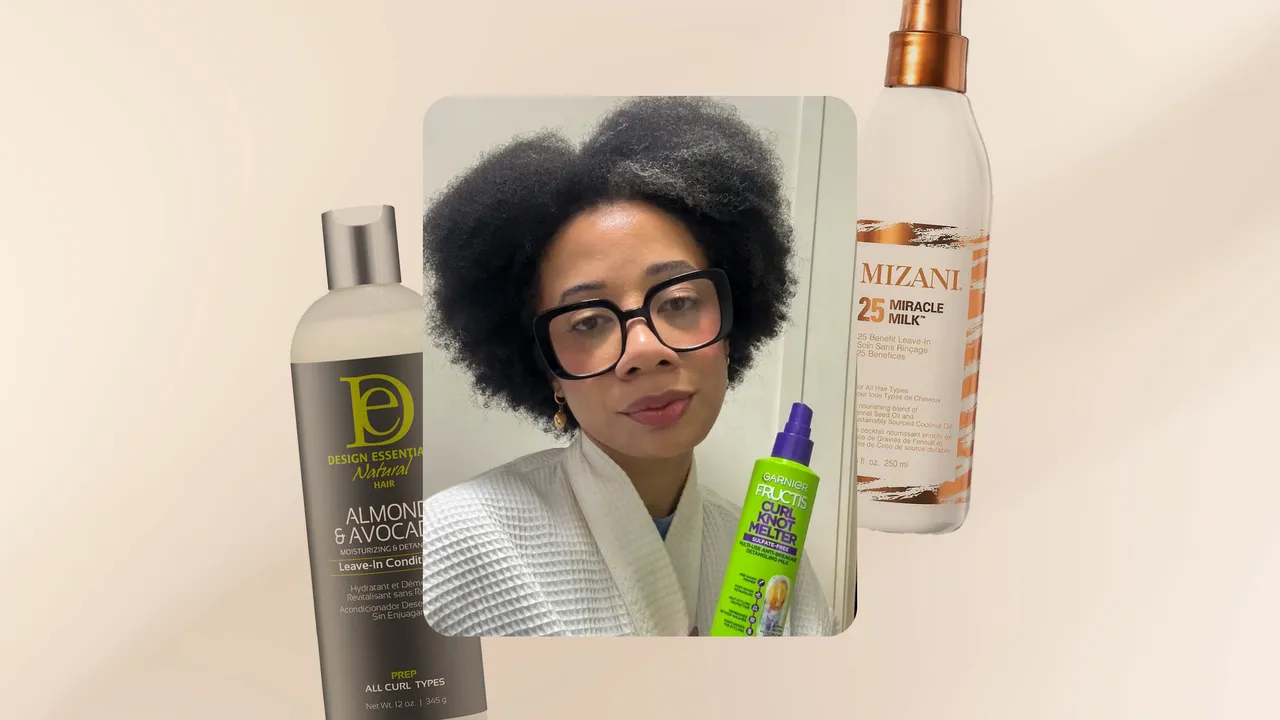
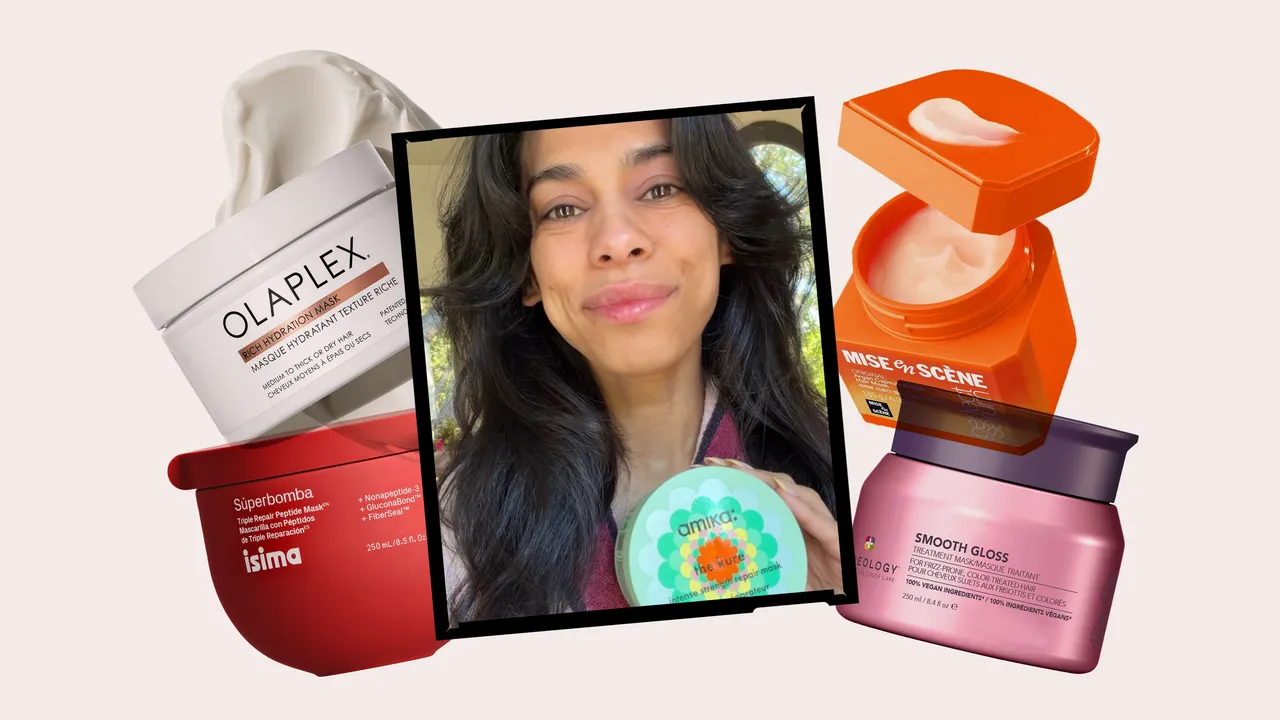
Most people try to fix frizz by piling on products, then wonder why their hair feels heavy and still swells in humidity. Hydration is essential, but precision beats excess. Professional hairstylists push clients toward hydrating at-home routines and moisturizing hair masks as one of the best ways to keep hair conditioned and smoother between styling sessions. These frizz-fighting products work because they fill in dryness so the hair is less desperate to pull moisture from the air.
However, masks are a treatment, not a daily crutch. According to New York-based colorist Lauren Paglionico, using masks more often will not eliminate frizz because frizz usually stems from texture, damage, or humidity—not a lack of mask. Overuse can create buildup and weigh hair down, leaving it limp, greasy-looking, and harder to style, especially on fine strands. The practical rule: most people do well with a mask once a week, very dry or chemically treated hair can handle up to twice weekly, and finer hair often needs less. Respect those limits and your products will enhance your style instead of smothering it.
Prep Wet Hair to Build a Humidity Barrier
If you wait until hair is almost dry before you start styling, you are giving frizz a head start. Stylists emphasize that the moment you step out of the shower is when your hair is most receptive to frizz-fighting products and shaping. Start by gently blotting with a microfiber towel; rough cotton towels lift the cuticle and create fuzz, while microfiber keeps the surface smoother.
On soaking-wet hair, apply a leave-in conditioner or smoothing cream to add slip and moisture, then layer on a heat protectant before blow-drying. This is not optional: finishing with a heat protectant before using tools helps seal the cuticle and lock out humidity, effectively creating a moisture barrier over your style. When you do blow-dry, consistent, controlled heat helps smooth without over-drying, which is why pros favor quality tools that distribute heat evenly. If you have waves or curls, air drying or using a diffuser on low settings protects the curl pattern while still allowing your heat protectant to shield the hair shaft during any targeted styling. The combination of wet-stage product application and smart heat use is your best defense against mid-day poofing.
Match Your Frizz Routine to Your Hair Texture
One-size-fits-all advice is why so many people give up on humidity frizz control. Curly and textured hair is naturally more prone to frizz because scalp oils have a harder time traveling down the bends of each strand, leaving lengths drier and rougher. These hair types benefit from richer hydration and slightly more frequent masking—especially when hair is highly porous or chemically treated—because they need extra help staying moisturized.
Fine or straight hair, on the other hand, cannot tolerate the same product load. Heavy masks used too often can flatten this hair type and make it look greasy, cancelling out any polished finish you wanted from your humidity-proof hairstyles. For these textures, a lightweight conditioner, occasional mask, and very measured use of serums or oils on mid-lengths and ends are enough to smooth without collapse. Remember, people who color, heat style, or have chemical services are more prone to frizz regardless of texture, so damaged hair of any type deserves focused conditioning and protective styling. The goal is tailored care: more nourishment and gentle handling for curls and highly porous hair, and lighter, less frequent treatments for fine strands.
Protect Your Style Between Washes to Extend Frizz-Free Days
The most underrated professional hairstylist tips are about what you do when you are not styling. Over-washing strips natural oils, leaving hair drier and more likely to swell in humidity. Stretching wash days, when your scalp allows it, gives your hair a chance to hold onto its own protective moisture. When you do wash, keep up the routine: gentle shampoo, hydrating conditioner, microfiber towel, leave-in or smoothing cream, and a heat protectant before any blow-dry or hot tool.
At night, your pillowcase can make or break your smooth finish. Friction from rough fabrics lifts the cuticle, encouraging frizz and breakage. Sleeping on a satin or silk pillowcase reduces that friction so styles last longer and you wake up with less halo frizz. Between washes, a small amount of serum or oil on mid-lengths and ends can top up softness and rebuild a light humidity shield without redoing your entire routine. If you treat your blowout or curly set like something to preserve—not something disposable—you will get more frizz-free days from every styling session and rely less on emergency fixes.