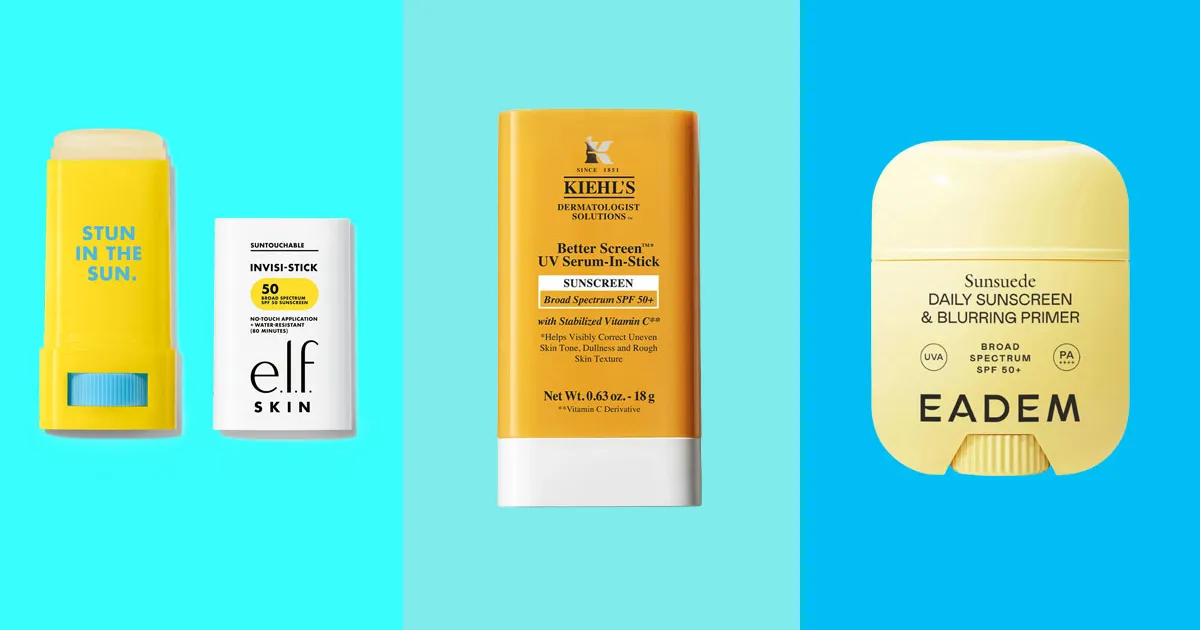


Korean Sunscreen vs Western: What Are We Really Comparing?
Korean sunscreen vs Western sunscreen is a comparison between two formulation philosophies: one prioritises lightweight, daily-wear texture with advanced UV filter technology, while the other focuses on high SPF, water resistance, and regulatory-driven ingredient choices to handle varied outdoor and athletic conditions. In practice, Korean formulas tend to feel more like skincare serums on the face, while many Western products behave like protective gear for sun, sweat, and water. If you care most about how sunscreen sits under makeup and on sensitive skin, Korean-style products will often suit you; if your main concern is long days in sun-exposed, active settings, Western-style solutions still have clear advantages.
On balance, Korean formulas are the better fit for everyday, indoor-to-outdoor life where comfort, glow, and cosmetic elegance matter, especially if you have dry, sensitive, or acne-prone skin. Western sunscreens are stronger picks for long swims, sports, and unpredictable weather where water resistance and sweat-proof claims help you stay protected between reapplications. Rather than asking which side is "best," it makes more sense to match the best sunscreen formulation to your climate, lifestyle, and skin type.
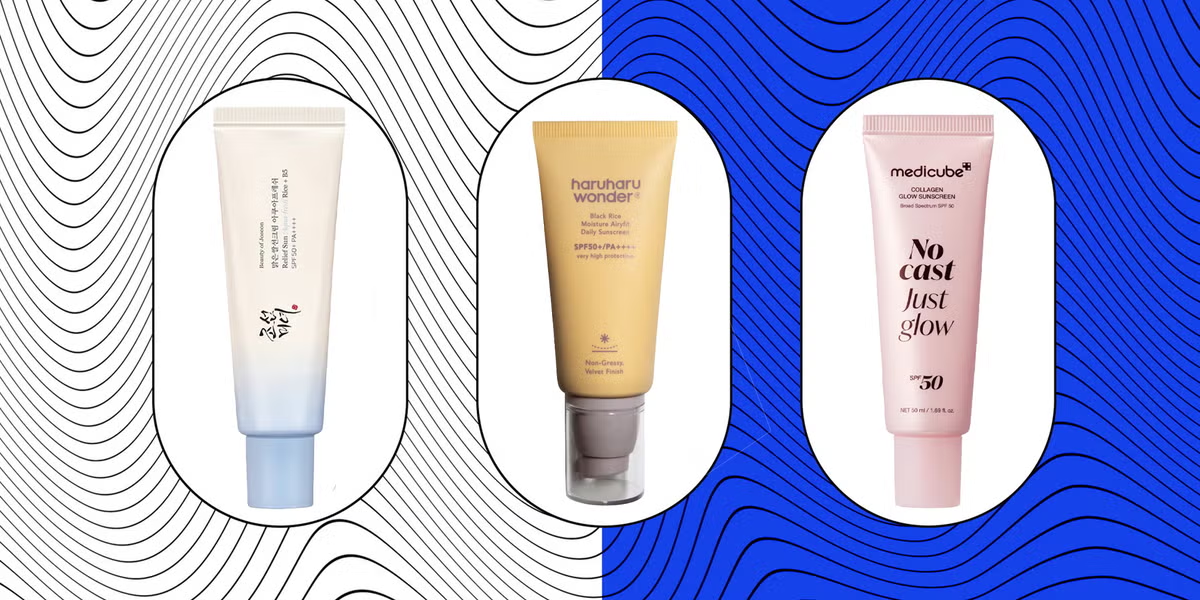
UV Filter Technology Comparison: Why Korean Formulas Test So Well
The biggest scientific difference in Korean sunscreen vs Western options is UV filter technology. Many Korean sunscreens use newer chemical filters such as Uvinul A Plus and Uvinul T 150, which are designed to provide broad-spectrum protection with strong stability and a smoother feel on skin. Because sunscreen is regulated as a cosmetic in their home market, brands can introduce new filters faster and combine several advanced molecules to cover both UVA and UVB efficiently. According to Consumer Reports, “the true Korean sunscreens use ingredients that are not approved in the U.S. for reducing the exposure to UV light,” and this wider toolbox showed measurable benefits in testing.
In comparative tests on paired products from the same brands, Korean formulas outperformed U.S.-approved versions for UVA and UVB protection in each case. This supports the hype around advanced Korean UV technology, especially if you are seeking reliable broad-spectrum coverage for daily facial use. However, Western sunscreens still offer effective protection within their allowed filter list, and panelists in the same study reported that U.S.-formulated sunscreens could feel similarly pleasant on skin, with little difference in texture between the pairs. Efficacy is not exclusive to one side; the main edge for Korean products lies in filter variety and photostability.
| Spec | Korean-style sunscreens | Western-style sunscreens |
|---|---|---|
| Regulatory status of filters | Often use newer, not U.S.-approved filters for UV reduction | Limited to FDA-approved filters, slower introduction of new options |
| Typical UV filter mix | Multiple advanced chemical filters (e.g., Uvinul A Plus, Uvinul T 150) | Older chemical filters and mineral options within existing monograph |
| Broad-spectrum performance in tests | More effective against UVA and UVB in paired-brand comparisons | Effective, but less protective than paired Korean versions in the same study |
| Regulatory classification | Cosmetic product, allowing faster innovation | Drug product, requiring lengthy and costly approval for new filters |
Texture, Skin Feel, and Cosmetic Elegance
If you have ever wondered why Korean sunscreens seem to disappear into the skin, texture is where they shine. Most K-beauty formulas are designed to feel lightweight, serum-like, and glowy rather than thick or streaky. Dermatologist Dr. Andrew Park notes that these products earn their popularity because they combine more advanced UV filters with refined textures that sit beautifully on the face. Many formulas are packed with skincare-style hydrators such as hyaluronic acid, panthenol, niacinamide, and botanical extracts, so wearing them feels closer to applying a moisturising serum than a traditional sunblock.
In day-to-day use, this lightweight sunscreen texture means less white cast, smoother layering under makeup, and a finish that can range from dewy to velvety depending on the product. It suits dry, dehydrated, or sensitive skin that struggles with heavy creams, and it helps acne-prone users who need non-clogging, airy formulas. Western sunscreens, especially sport and outdoor versions, often prioritise durability and water resistance over cosmetic elegance, which can translate into thicker textures and a more noticeable feel on the skin. The trade-off is clear: Korean-style sunscreens win on comfort and aesthetics, while Western-style options still hold an edge when resilience against sweat and water is your first priority.
Practical Weaknesses and How to Choose for Your Climate and Routine
Both sides of the Korean sunscreen vs Western debate have weak points that matter in real life. Access is a practical caveat: importing Korean sunscreens from overseas retailers can carry some risk, as packages may be stopped and even seized by customs officials. Within Korean-style options, textures that aim for a glowy, hydrating finish can feel too rich for very oily skin, and some all-rounder formulas may seem heavy on sensitive complexions. Western sunscreens, meanwhile, can frustrate users who care about minimal white cast and a weightless finish, especially when formulas are built primarily for sport or beach use.
To match the best sunscreen formulation to your environment, think through your daily reality. If you are mainly moving between home, office, and short outdoor errands, and you want a protective layer that doubles as skincare under makeup, Korean-style sunscreens offer excellent protection and texture, with strong performance against UVA and UVB in recent testing. If your schedule includes long outdoor events, sweat, or frequent water exposure, Western-style products designed around water resistance and high SPF claims remain a safer bet between reapplications. The most practical solution for many people is owning one of each style: a Korean-inspired, lightweight sunscreen for face and everyday wear, and a more rugged Western formula for intense sun days.
Buy if / Skip if
- Buy the Korean-style sunscreen if you want a lightweight sunscreen texture that feels serum-like and layers well under makeup for daily facial wear.
- Skip the Korean-style sunscreen if you rely on buying all skincare locally and cannot risk overseas packages being delayed or seized by customs.
- Buy the Korean-style sunscreen if you prioritise advanced UV filter technology and broad-spectrum protection with a comfortable, hydrating finish.
- Skip the Korean-style sunscreen if your main need is highly water-resistant, sweat-proof protection for long athletic or outdoor sessions.
- Buy the Western-style sunscreen if you spend extended time outdoors in active settings and want a formula built around durability and higher SPF claims.
- Skip the Western-style sunscreen if you dislike thicker textures and visible residue and mostly need a cosmetically elegant product for everyday office or indoor-to-outdoor wear.
- Buy the Western-style sunscreen if you prefer to stay within locally approved filters and regulations and value easy, in-store availability.
- Skip the Western-style sunscreen if you have dry, sensitive, or acne-prone skin that responds better to hydrating, airy formulas with a skincare-like feel.