
Sunburn Is DNA Damage, Not a Harmless Summer Badge
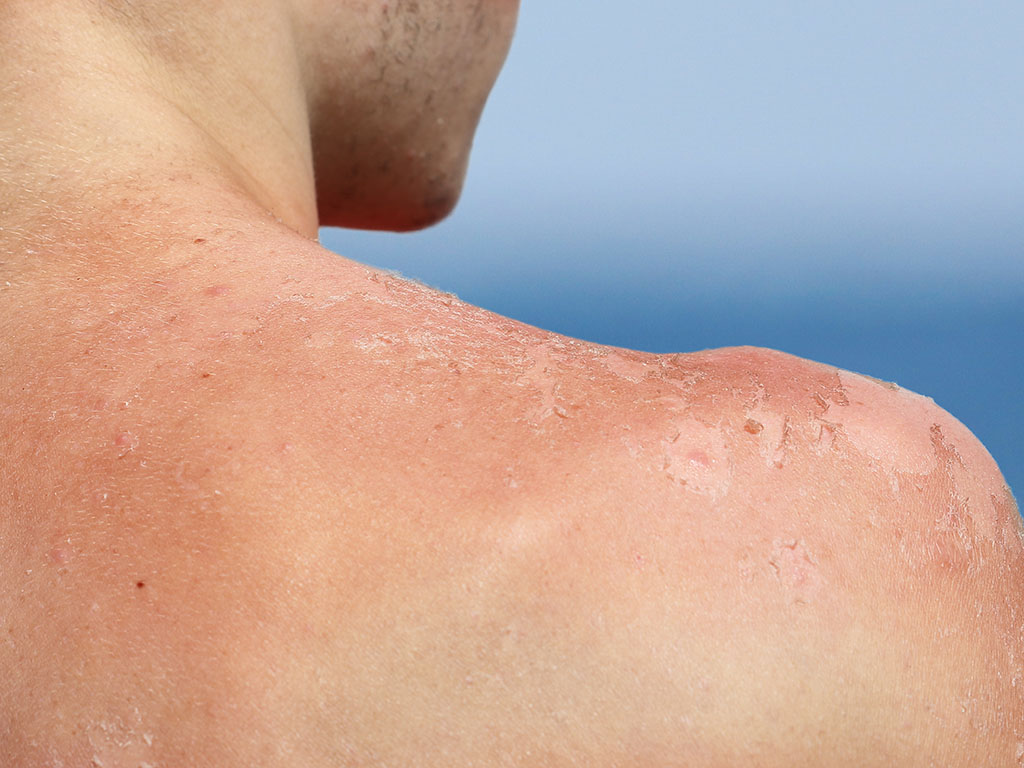
Sunburn is a visible sign of ultraviolet (UV) radiation damaging the DNA in your skin cells, causing inflammation, cell death, and long-lasting genetic changes that can accumulate over time and increase your risk of melanoma and other skin cancers. This is not a cosmetic issue or a rite of passage after a day outdoors; it is a biological injury with decades-long consequences. Sun damage is the leading cause of skin cancer, and both UVA and UVB radiation play a role in this process by creating direct and indirect DNA damage in the skin. When we treat sunburn as “no big deal,” we normalize repeated injury to the largest organ in the body and quietly raise our future sunburn skin cancer risk. The hard truth: every avoidable burn is a missed chance to protect your long-term health.
Sunburn vs. Sun Poisoning: Knowing When It’s More Than a Burn
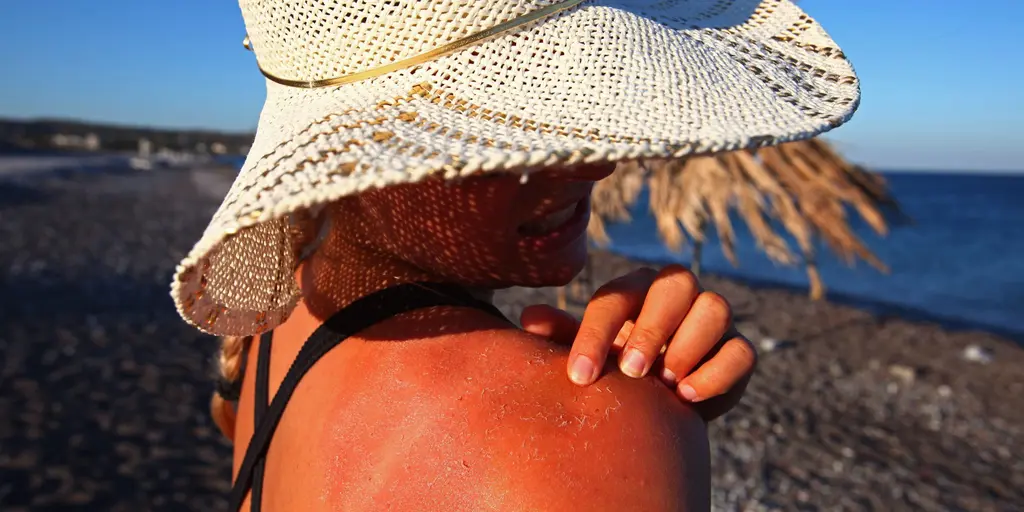
Confusion between ordinary sunburn and sun poisoning keeps people from seeking care when they genuinely need it. A standard sunburn happens when UV rays damage the skin, leading to redness, irritation or discoloration, warmth or tenderness, pain, mild swelling, and peeling days later. Sun poisoning, on the other hand, is when that burn is accompanied by symptoms that affect the rest of the body. People with sun poisoning may develop painful burns that look similar to an allergic reaction and can feel systemically ill. Sun poisoning symptoms include fever, chills, nausea, dizziness, severe rash, intense pain, lip blisters, fatigue and dehydration. Ignoring these signs because they “seem like a bad sunburn” is a mistake; whole-body symptoms signal a more serious response to UV exposure that deserves prompt attention instead of home remedies alone.
Why One Bad Burn Matters: The Cumulative Skin Cancer Risk
The uncomfortable truth is that there is no proven way to undo cancer-causing UV damage once a sunburn has happened. According to dermatologist Gyorgy Paragh, there are currently "no established, commercially available and scientifically proven techniques to effectively reduce cancer-causing damage immediately after a sunburn." Both UVA and UVB radiation harm skin cells: UVA mainly causes indirect DNA damage, while UVB causes direct DNA damage. Skin cells can repair some of this injury, but not all; the surviving changes can alter the DNA code and persist in daughter cells for decades, quietly raising sunburn skin cancer risk. An acute burn can lead to insidious low-grade damage that percolates in the skin and survives long term. While one sunburn does not guarantee cancer, burning “relatively easily” signals vulnerable skin and should be treated as a warning to avoid repeated UV injury in the future.
Smart Sunburn Treatment and Recovery: Soothe the Skin, Protect It Next
Once you are burned, the goal of sunburn treatment recovery is comfort and protection, not erasing UV damage. Many after-sun products can soothe the skin and help healing after burning, but they do not remove the long-lasting effects of sunburn. For typical burns and many cases of sun poisoning, home care should focus on UV damage prevention going forward and immediate symptom relief: soaking or showering in cool water, applying aloe vera or a thick moisturizer, drinking plenty of water to stay hydrated, and using anti-inflammatory medications like ibuprofen or acetaminophen. These steps calm inflammation and support the skin barrier while it repairs. However, some situations cross the line into medical emergencies. If blisters, facial swelling, severe headache, dizziness or an upset stomach develop, professional care is needed. In serious cases, doctors may provide IV fluids and prescribe medications to treat burns and manage symptoms.
Prevention: Daily Habits That Lower Your Lifetime UV Burden
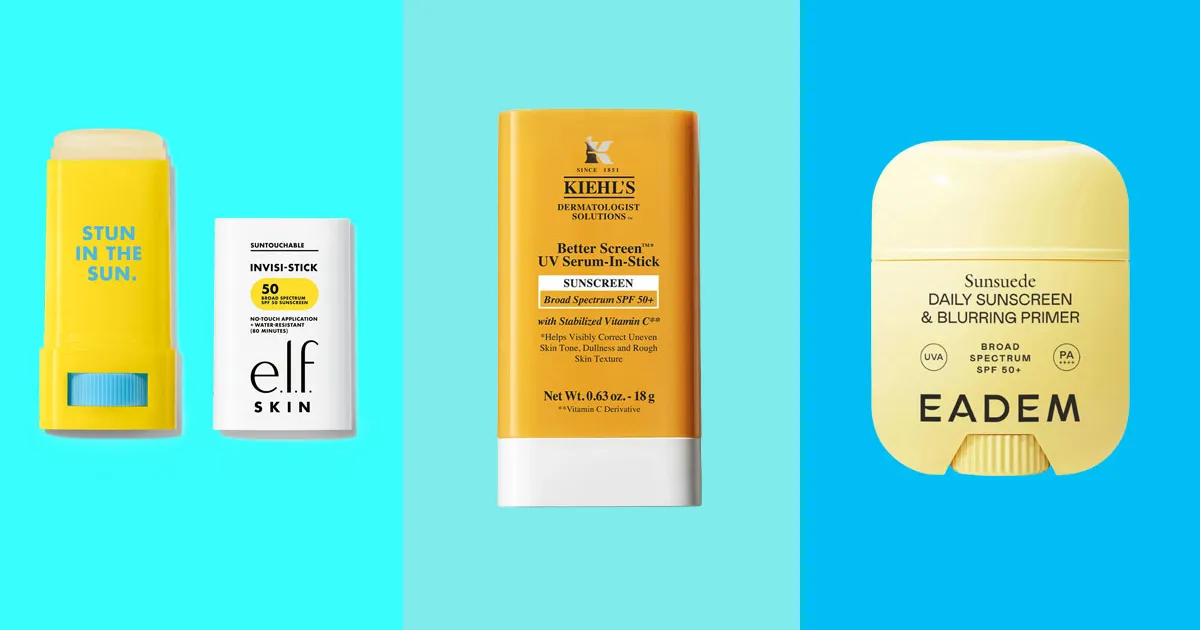
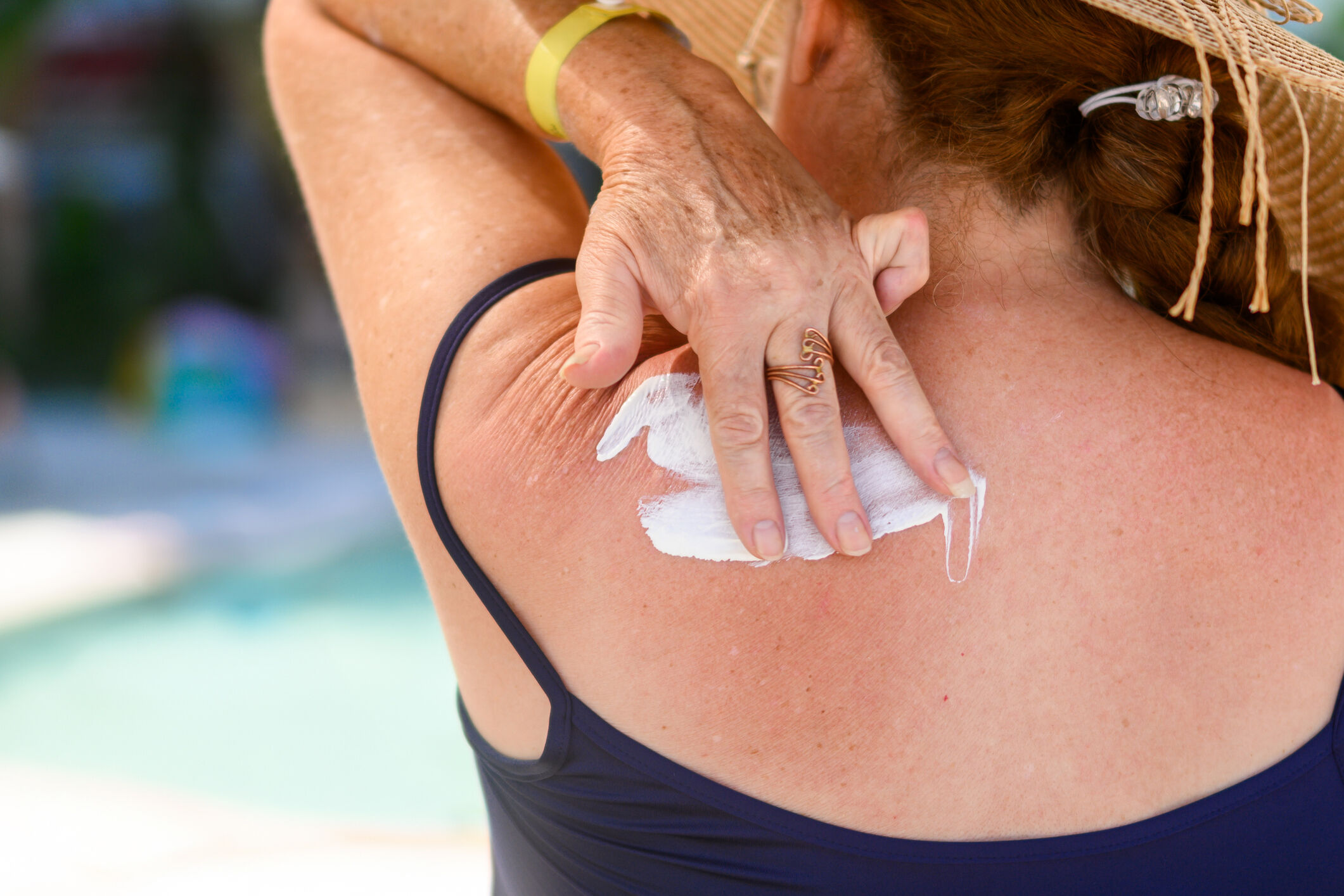
The most powerful step for lowering sunburn skin cancer risk is not a miracle cream; it is avoiding bad sunburns and chronic low-grade UV damage by every practical means. Experts recommend precautions whenever you spend time outdoors. That means wearing broad-spectrum sunscreen with at least SPF 30, which protects against both UVA and UVB rays. It also means avoiding peak UV index hours, seeking shade, wearing wide-brim hats and UV-protective clothing, and mindful application and reapplication of 30–50 SPF sunscreens. These simple habits add up to effective UV damage prevention, especially when they become routine instead of occasional. Many people treat sunscreen as a beach-day accessory; it should be viewed as daily protective gear for the skin. The conclusion is blunt: you cannot reverse past burns, but you can decisively reduce future damage. Your later-life skin cancer risk will reflect the choices you make in the sun today.