

Why the Way You Apply Sunscreen Matters More Than the SPF Number
Sunscreen application technique is the set of habits, product choices, and coverage patterns you use to spread sunscreen over your skin so that the labeled SPF protection is reached on every exposed area of your face, neck, and body during sun exposure.
Think of sunscreen like a seatbelt for your skin: it only works if it is on, fits well, and covers what it should. Daily, consistent sunscreen use has been shown to reduce the risk of melanoma and squamous cell carcinoma, and it is considered the number one anti‑aging step because 80% to 90% of visible skin aging comes from UV exposure. The catch? Dermatologists see that most people under‑apply and miss about 20% of their exposed skin. High SPF on the label cannot fix a thin, patchy layer on your face. This guide walks you through the missed sunscreen spots on your face and neck, how much product you actually need, and a realistic routine you can follow even when you are rushing out the door.
The High‑Risk Spots Everyone Misses
When you swipe sunscreen over your cheeks and forehead and call it a day, some of the most vulnerable skin is left bare. Dermatologists say we routinely forget the scalp—especially the part and hairline—despite this being a common site for skin cancers and aggressive scalp melanoma. Even thick hair is not full protection, and cancers are often found high on the forehead where the hairline begins.
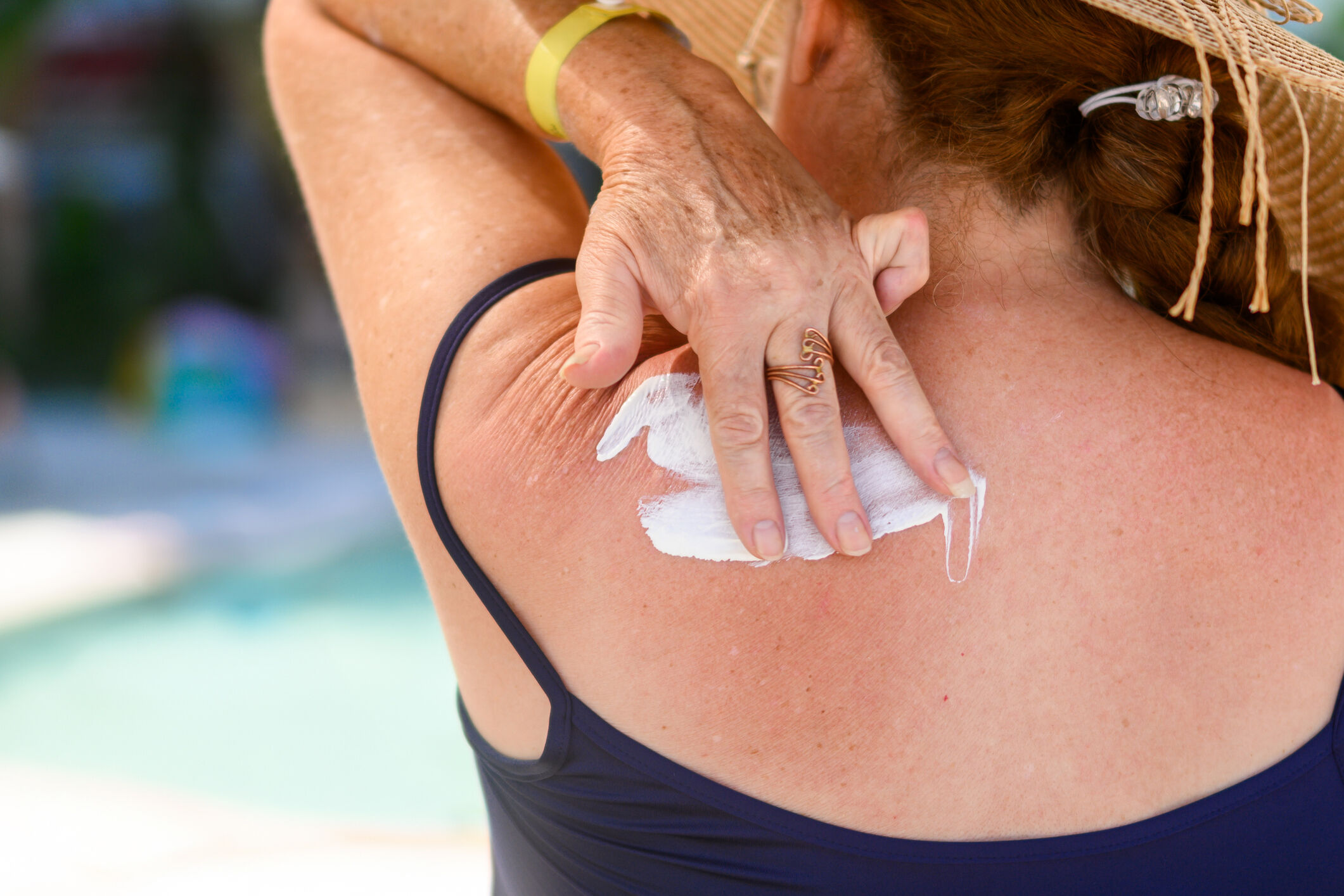
On the face itself, there are a few classic missed sunscreen spots: the lips, which often develop precancerous and cancerous lesions without SPF balm; the ears, eyelids, and nose, where one skin cancer surgeon reports seeing a disproportionate number of cases due to strong UV exposure and inconsistent protection; and the back of the neck, which tends to be forgotten when you focus only on the front of your face. Further down, that upper middle back area you cannot reach well is another danger zone. The pattern is clear: anywhere awkward to reach or easy to overlook is where trouble starts.
What You Need Before You Start (So SPF Can Work Properly)
To get proper SPF coverage, you need a few basics in place before worrying about technique. First, choose a broad‑spectrum sunscreen with SPF 30 or higher so you are covered against both UVA and UVB rays. It can be a mineral (zinc oxide, for example) or chemical formula—dermatologists care less about the type and more about consistent, correct use. Remember: “SPF is only as effective as how you apply it”.
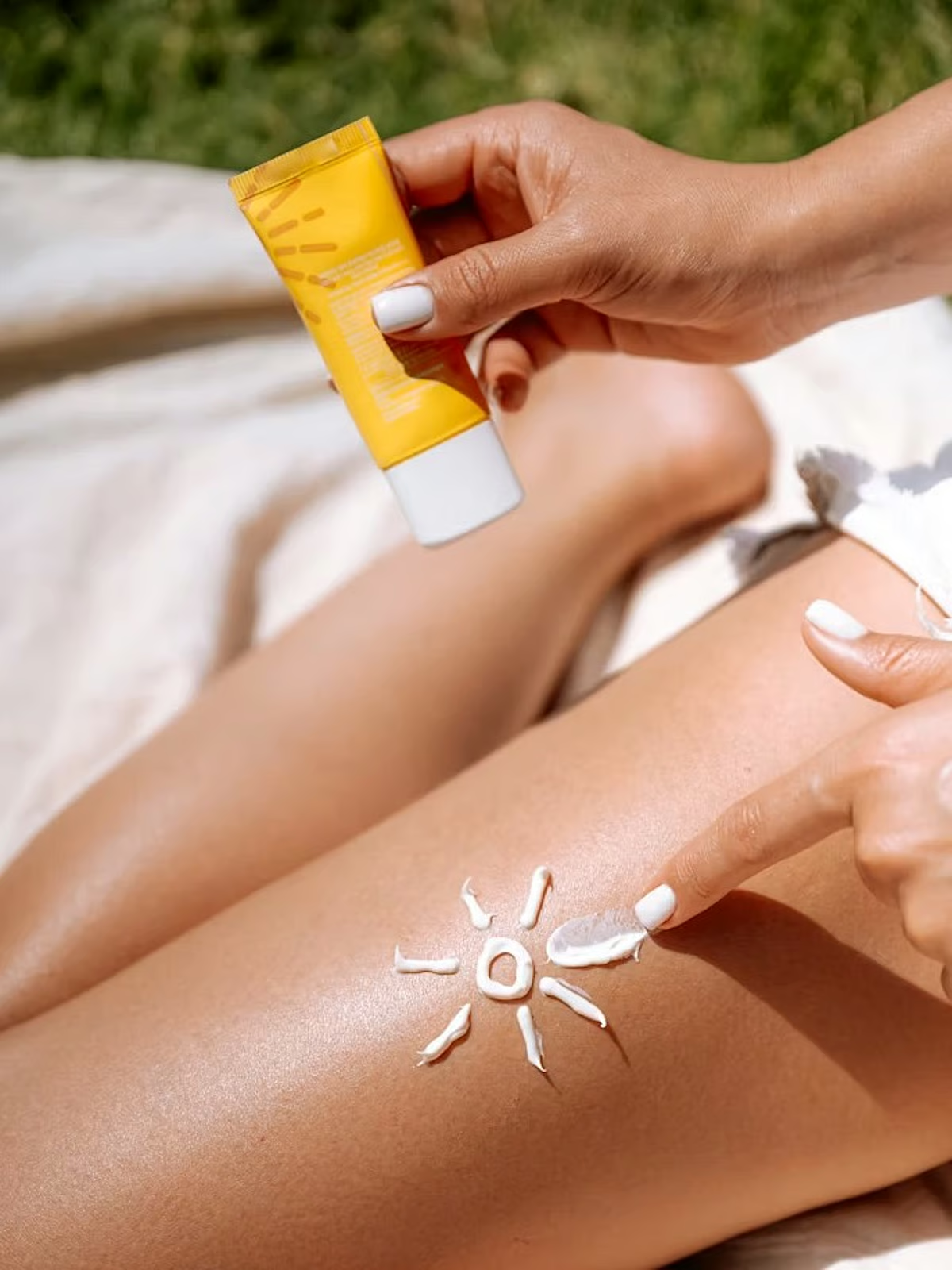
Second, know your target amount. For the face, that means about a nickel‑sized dollop or using the two‑finger rule: draw a line of sunscreen down your index and middle fingers from tip to palm, which is generally enough for full‑face coverage. For the whole body, the classic estimate is a shot‑glass amount of product. Third, plan to measure and dot the right amount: use a good amount of sunscreen and apply it to all areas exposed to the sun, including forehead, cheeks, neck, ears, and arms. Finally, aim to have accessories ready: a hat with a tight weave, sunglasses, and access to shade, because sunscreen works best as part of a wider sun‑protection strategy.
A Step‑by‑Step Facial Sunscreen Routine That Covers the Sneaky Spots
Here is a realistic morning routine you can follow in under two minutes. The goal is not perfection; it is to build a pattern that covers your whole face and neck every time so high‑risk areas do not get skipped. The main pitfall to avoid is using only 25% to 50% of the amount needed, which leaves you less protected than the SPF number suggests. Another common mistake is assuming a quick mist or one swipe of stick sunscreen is enough; sprays and sticks both need technique and rubbing in to work well. Use this sequence daily, and repeat before long midday outings.
- Measure your dose: Squeeze a nickel‑sized amount or use the two‑finger rule (one line of product on the index and middle fingers, tip to palm) for your face and front of neck so you reach the labeled SPF.
- Dot, do not dump: Place small dots of sunscreen across your forehead, nose, both cheeks, chin, and along the front and sides of your neck; add a couple of dots on each ear and along the hairline and part, since these are frequent missed sunscreen spots.
- Spread in a pattern: With clean hands, connect the dots starting at the center of the face and working outward—over eyelids, around the nose, across cheeks, down to the jawline, then over the front and sides of the neck, ears, and into the hairline so no edges are forgotten.
- Top up special areas: Apply SPF lip balm to your lips, and if you use spray sunscreen on the scalp, hold it about 1 inch from the skin, spray until the skin glistens, then rub it in so you can see it is really there.
- Check and reapply: Look quickly for any shiny, uncoated patches on ears, nose, or near the hairline. Reapply every two hours, or more often if swimming or sweating, because chemical filters break down and mineral filters clump over time, reducing protection.
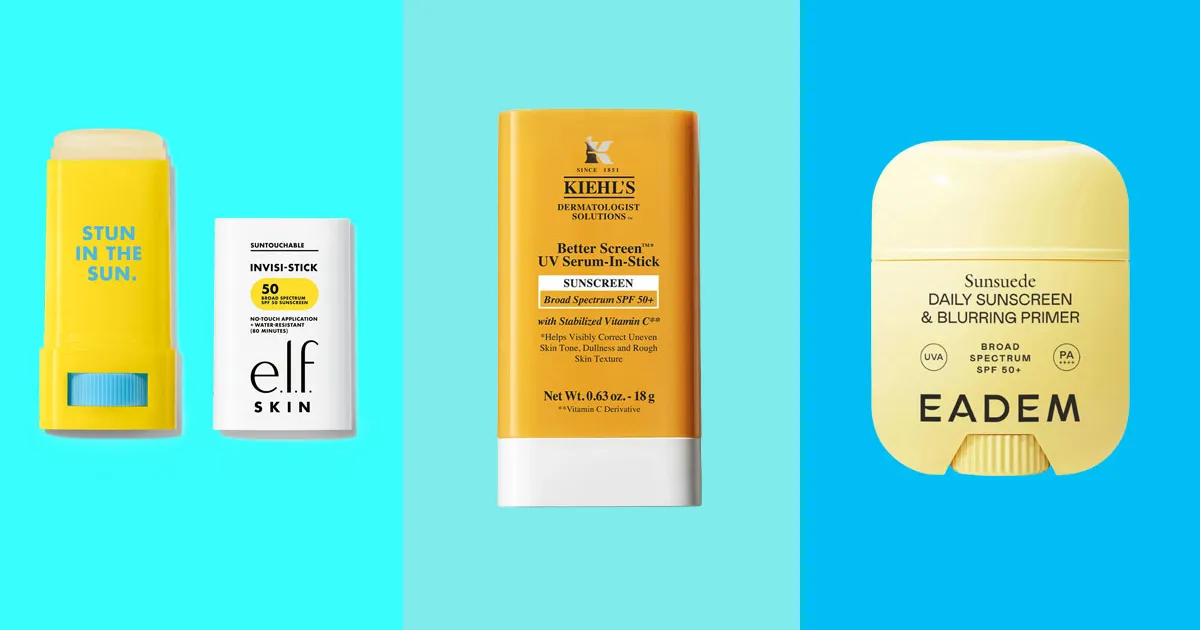
If you prefer sticks or sprays for the face, the same coverage rules apply. For stick sunscreens, run the stick back‑and‑forth four times over each area, then rub the layer in with your hands for even distribution. For sprays, never rely on a quick mist from a distance; keep the nozzle close to the skin, spray until you see a sheen, then blend it in. These sunscreen application tips help you avoid under‑coated sections without over‑loading sensitive zones like the eyes and lips.
Keeping It Up: Small Habits, Big Payoff
When you apply enough sunscreen, in a deliberate pattern, and cover the high‑risk areas that most people miss, you turn SPF from a vague good idea into real protection. Daily, thorough use cuts the risk of melanoma and squamous cell carcinoma and slows down the fine lines, spots, and texture changes that come from cumulative UV exposure. The hardest part is not the technique—it is remembering to do it every morning and to reapply when you are outside for more than a couple of hours.
To make it stick, keep your sunscreen by your toothbrush or makeup so it is part of the same routine, and stash a travel tube plus SPF lip balm in your bag or car. Combine this with a hat, sunglasses, and shade during peak sun, and you can stop worrying about whether that quick dog walk or coffee run is quietly undoing your skin. With a little practice, proper SPF coverage becomes automatic—and your future skin will be glad you bothered.