
Anti-Aging Isn’t Luxury—It’s Science and Consistency
Anti-aging skincare is the targeted use of proven ingredients and daily habits—like sun protection, barrier repair, and collagen support—to reduce fine lines, improve firmness, and maintain hydration as skin naturally changes over time. The harsh truth: most of what consumers hear about aging skin is marketing, not medicine. Dermatologists are clear that anti-aging myths debunked by real clinical experts matter more than any viral trend. When a board-certified dermatologist such as Dr. Joshua Zeichner breaks down common myths and pairs them with dermatologist recommended products under USD 50 (approx. ₱2,800), it exposes how much money is wasted chasing prestige over evidence. The key takeaway is blunt: budget anti-aging skincare built on retinol, peptides, ceramides, and daily SPF can rival—and sometimes outperform—high-end jars that mainly charge you for fancy packaging, not better skin.
Myth 1–3: Surgery, Water, and Price Tags Won’t Save Your Skin
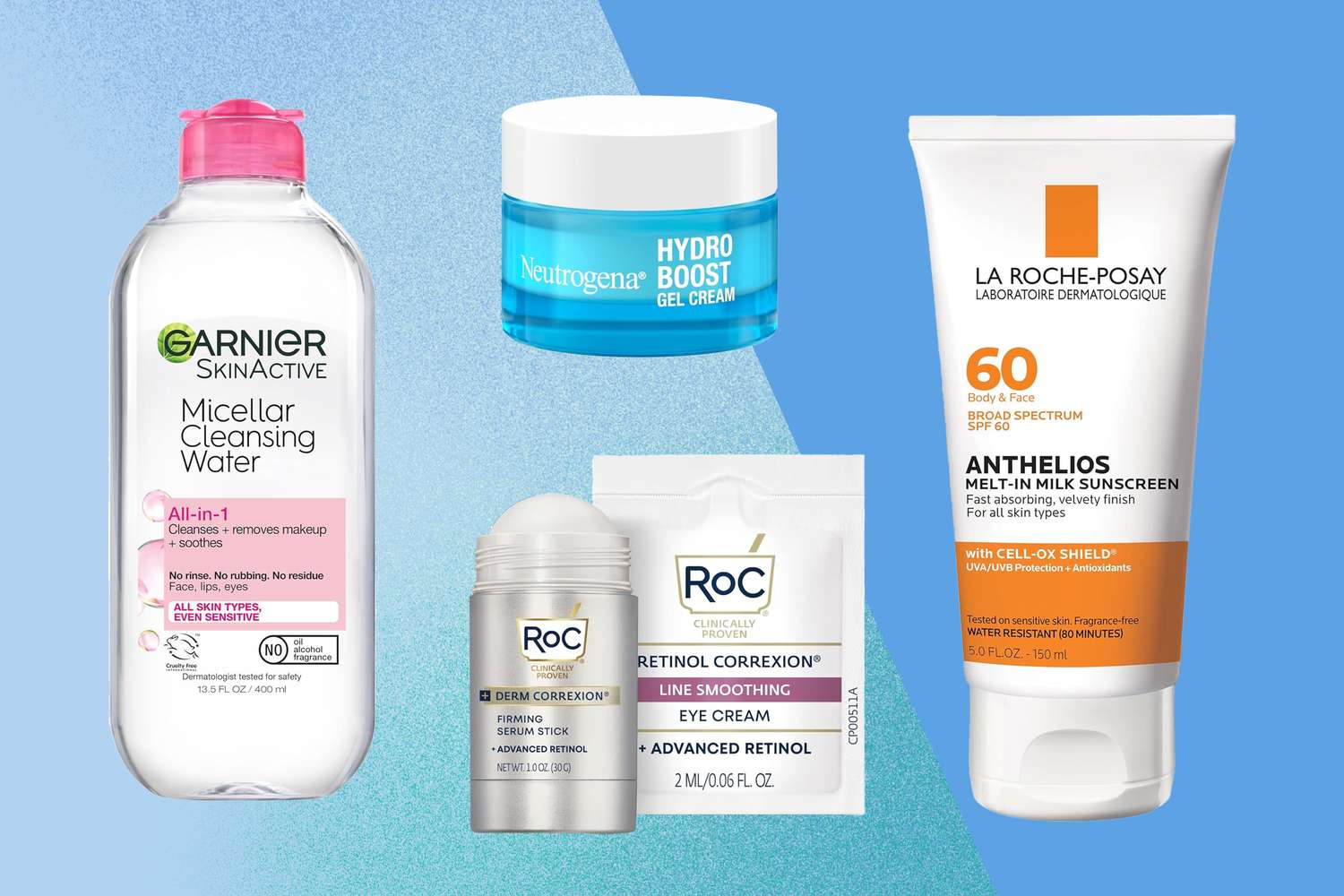
Sagging, dryness, and dullness are often blamed on lack of surgery, lack of water, or lack of cash. Dermatologists disagree. One of the most entrenched beliefs—“the only way to treat skin sagging is with surgery”—ignores how collagen works. Collagen production slows after 30, and UV light further harms these fibers, leading to that loose “fitted sheet” effect over time. Retinol can counter this by stimulating collagen to improve tone, texture, and firmness; Zeichner points to the RoC Derm Correxion Retinol Firming Serum Stick, which pairs stabilized retinol with THPE to give an instant firming benefit. Another myth says drinking eight glasses of water is the secret to hydrated skin, but dry skin is driven more by genetics and environment than your water bottle. Products like Neutrogena Hydro Boost Gel Cream, which delivers hyaluronic acid “like a sponge that pulls in water to the outer skin layer,” do far more for visible hydration than forcing yourself to hit a random water quota. Finally, the idea that expensive skincare is better collapses under scrutiny: while some ingredients cost more to formulate, many affordable serums—such as Korres Wild Rose Spotless Serum with 15 percent vitamin C—brighten, lighten dark spots, and even skin tone without luxury pricing.
Myth 4–6: Sunscreen, Eye Retinol, and SPF Moisturizers on a Budget
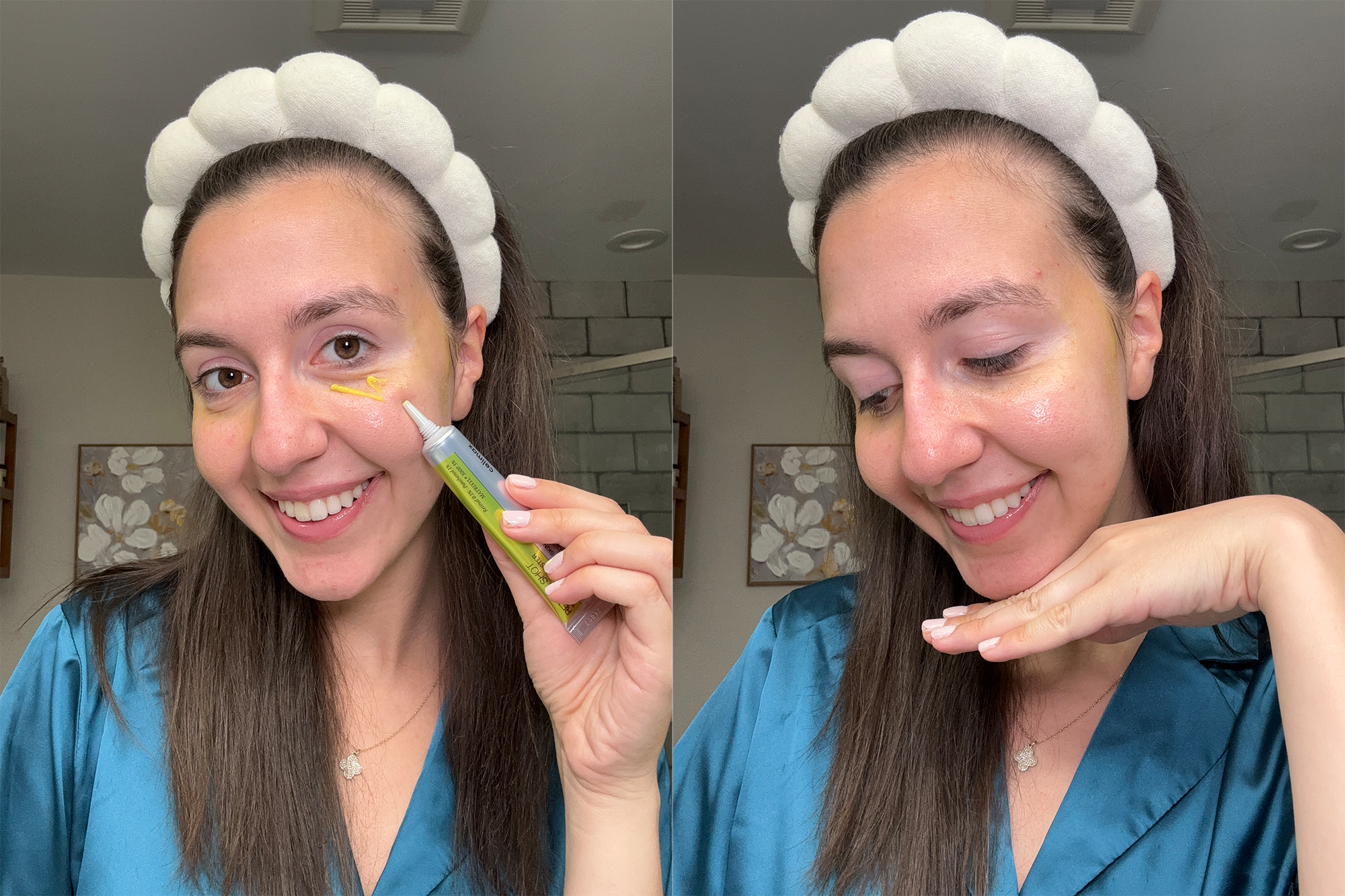
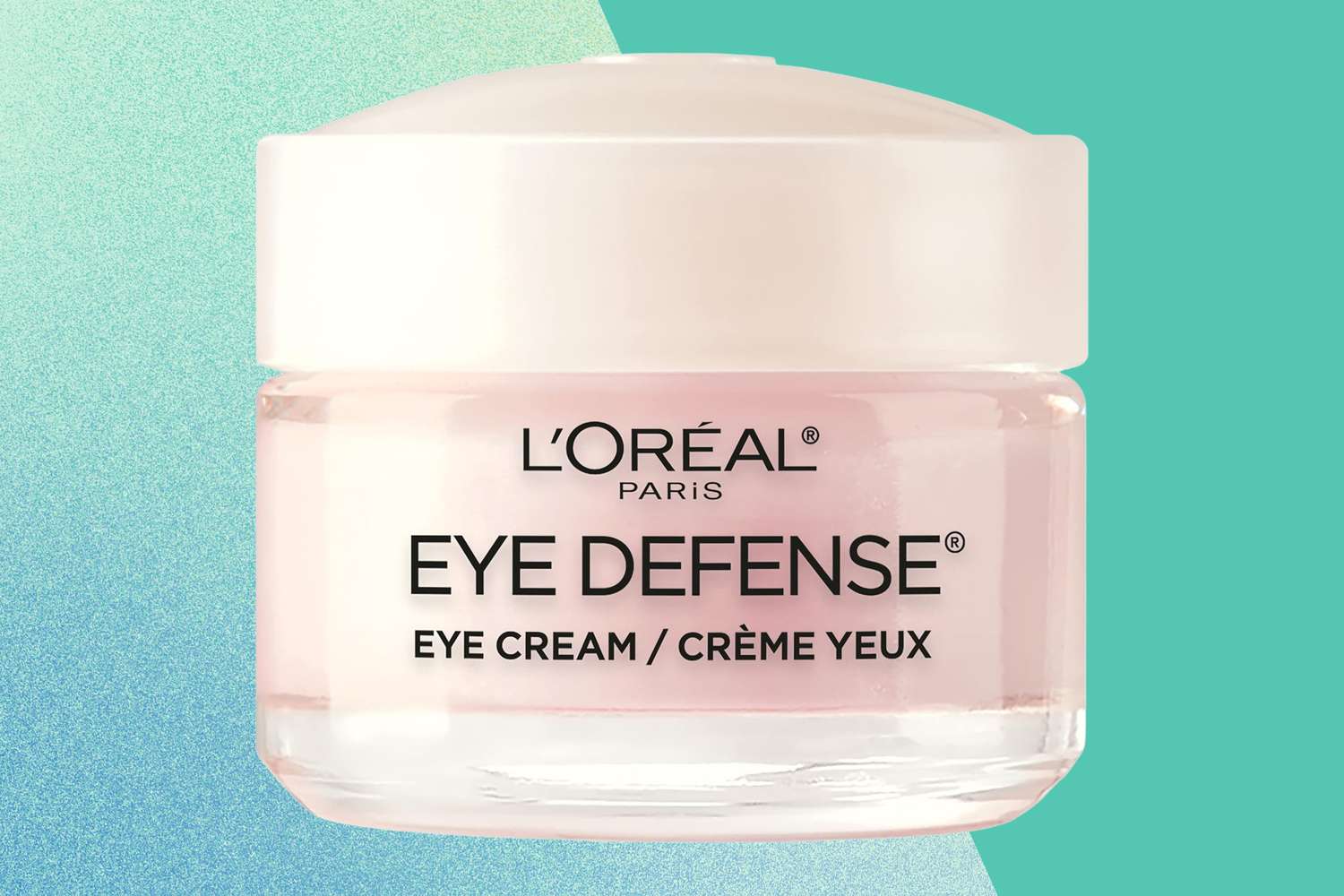
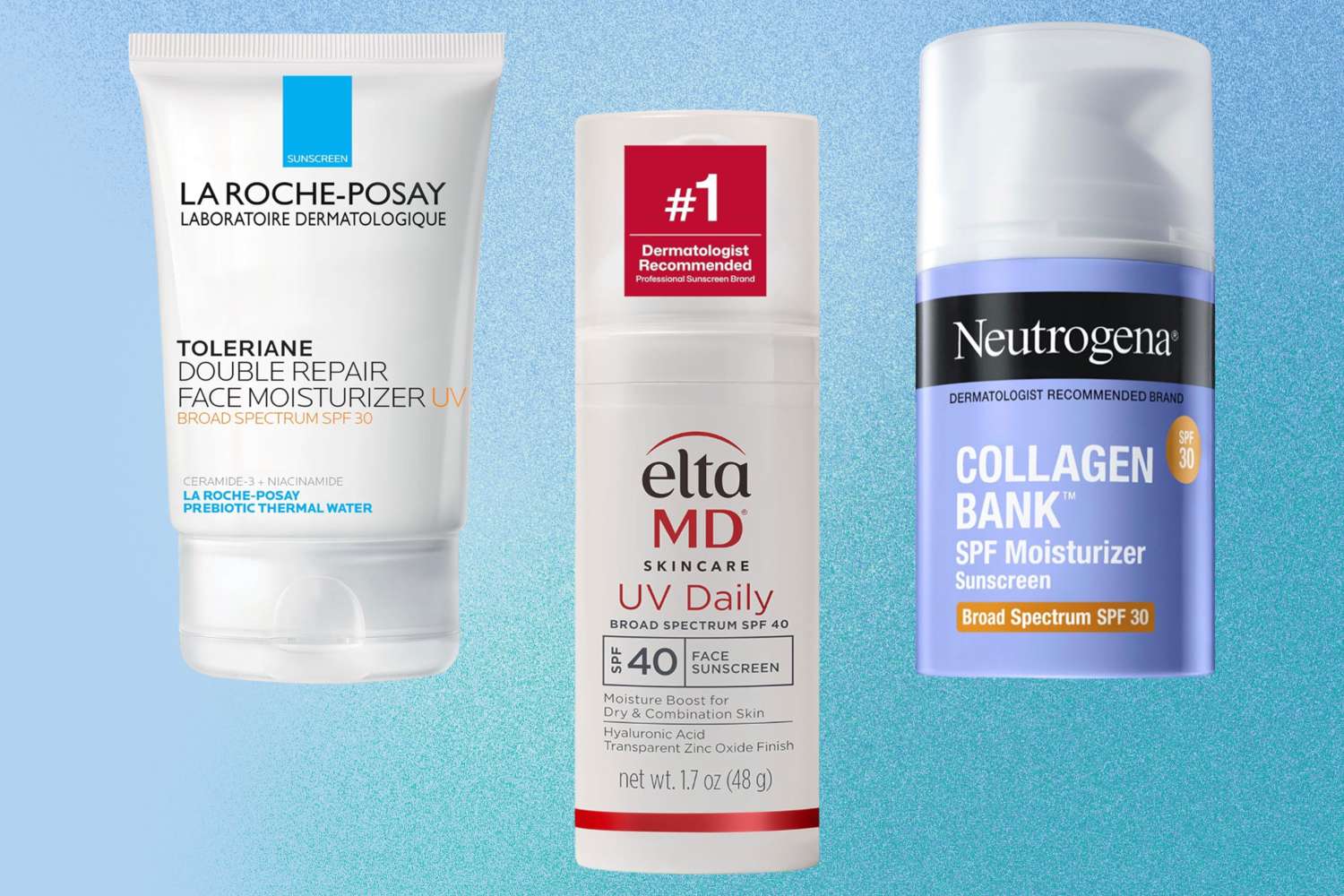
Another dangerous myth claims sunscreen is only for sunny days, yet UV damage is a primary driver of wrinkles, sagging, and uneven tone. Dermatologists insist on broad-spectrum protection daily, not occasionally, and they pair it with hydrating and barrier-supporting ingredients. Ashika Patel highlights moisturizers with SPF that do double duty: they defend against UVA/UVB while improving texture long-term. Her picks include CeraVe Ultra-Light Moisturizing Lotion with ceramides, hyaluronic acid, and broad-spectrum SPF at USD 14 (approx. ₱780), a non-greasy, matte option for everyday use. Patel also praises EltaMD UV Daily Moisturizer, which adds hyaluronic acid for hydration in a lightweight, fragrance-free, non-comedogenic formula, plus La Roche-Posay Toleriane Double Repair Moisturizer that reinforces the barrier with ceramides and niacinamide while protecting against UV damage. Around the eyes, many people still believe “skin is too sensitive for retinol.” Zeichner counters this with the RoC Retinol Correxion Line Smoothing Eye Cream, a purified retinol eye formula combined with hydrating ingredients that has been shown not to cause irritation in the delicate eye area. This is the definition of an affordable retinol eye cream: targeted, tested, and under USD 50 (approx. ₱2,800), without a designer label getting in the way of efficacy.
Myth 7–8: Trend-Chasing vs. Ingredient-Driven Results
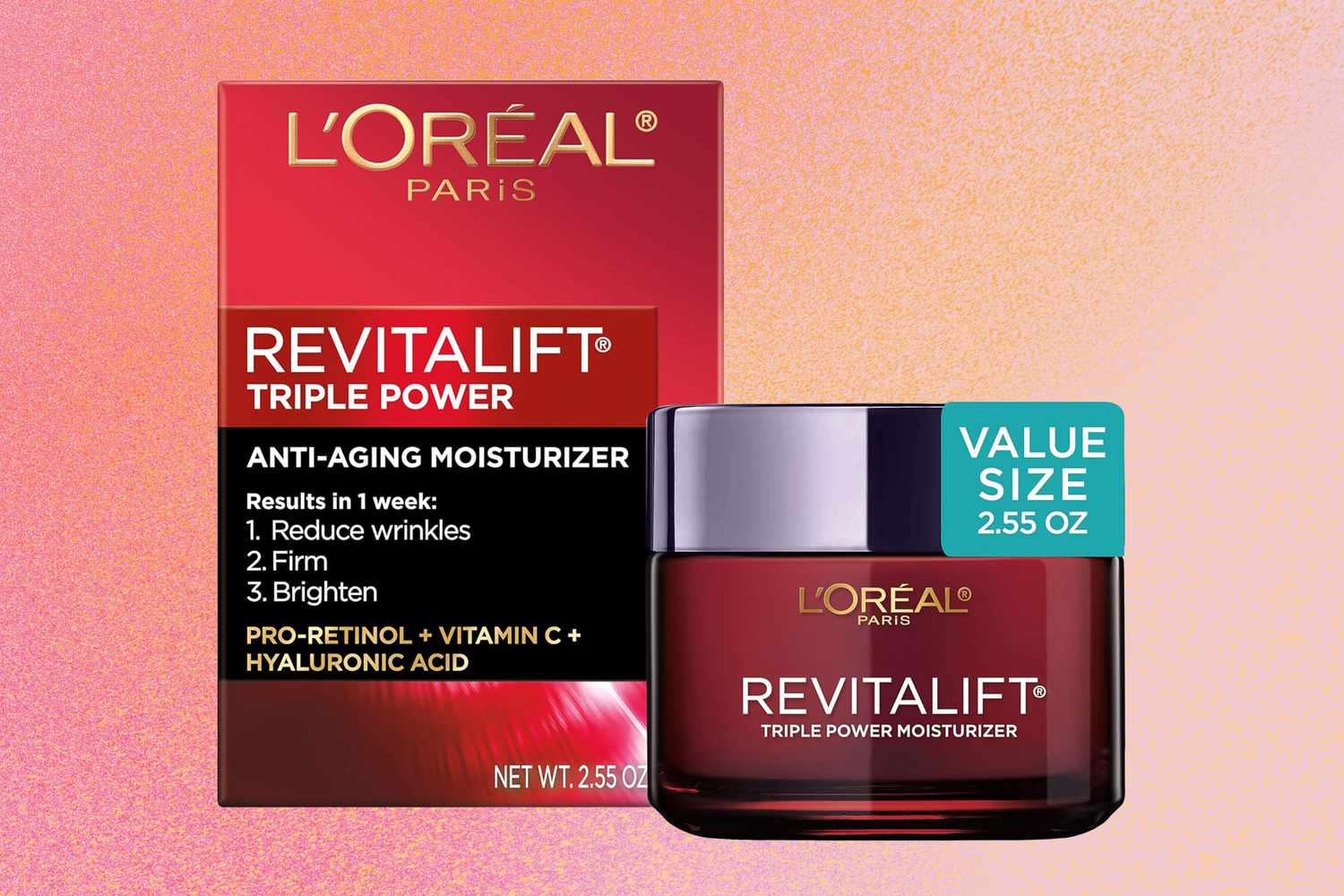
What many consumers think of as “anti-aging rules” are vague trends that fail under medical scrutiny. Dermatologists see the fallout: over-exfoliated skin, ignored sunscreen, and neglected barriers. Expert guidance helps consumers avoid ineffective anti-aging trends and waste by focusing on ingredient lists rather than hype. Reliable budget anti-aging skincare leans on ingredients with data—retinol to stimulate collagen, peptides for firming support, glycerin and hyaluronic acid to lock in moisture, plus ceramides and niacinamide to strengthen the barrier and soften fine lines. Patel’s picks, like Olay Regenerist Whip Moisturizer, show how peptides and niacinamide in a lightweight formula can smooth texture and target fine lines over time without premium pricing. Meanwhile, sunscreens such as La Roche-Posay Anthelios Melt-In Milk SPF 60 demonstrate that daily high-SPF protection can be affordable and cosmetically elegant, not a sticky chore. Dermatologist recommended products under USD 50 (approx. ₱2,800) consistently address fine lines, firmness, and hydration—proving that budget-friendly, derm-approved routines outperform most trend-led splurges when it comes to genuine results.
The Bottom Line: Spend on Ingredients, Not Illusions
You do not need surgery, eight glasses of water, or a luxury vanity to care for aging skin. You need evidence-backed ingredients, daily SPF, and the discipline to stick with the basics. Anti-aging myths debunked by dermatologists expose how much of the industry depends on confusion and fear rather than clear education. The most compelling lesson from experts is that affordable, dermatologist recommended products—like retinol firming sticks, purified retinol eye creams, hyaluronic acid gel creams, vitamin C serums, and SPF moisturizers at prices starting at USD 14 (approx. ₱780)—can deliver meaningful changes in lines, texture, and hydration. According to Dr. Joshua Zeichner, there are “effective and affordable over-the-counter serums and products that work well and get results” even when ingredients such as vitamin C are costly to stabilize. The smart consumer strategy is clear: stop paying for myths and packaging, start investing in proven formulas that fit your budget, and let consistent, science-driven care—not marketing—shape how your skin ages.