
Why Pair Scalp Scrubs with Reverse Hair Washing?
Reverse hair washing combined with regular scalp scrubbing is a two-step haircare method that removes scalp buildup, protects moisture in fine hair, and helps roots feel cleaner and more lifted so your hair looks smoother yet more voluminous from wash day onwards. Scalp scrubs act like a reset button for your roots by removing product residue, excess oil, and dead skin cells that can weigh hair down and make it look dull. They are especially helpful if your scalp is oily, prone to mild flaking, or your hair gets greasy and limp quickly. Reverse hair washing, where you apply conditioner before shampoo, helps keep hair hydrated and smooth while maintaining volume at the root, which is ideal if your strands are fine or easily weighed down. Together, these habits support a cleaner scalp and lighter lengths, giving you a better base for styling and natural lift.
Step-by-Step: The Two-Step Method to Refresh Roots
Think of this as a "reset then refine" routine. The scalp scrub clears the foundation, and reverse hair washing shapes how your lengths feel afterward. According to dermatologist Mona Mislankar, scalp scrubs help clear follicles of buildup and improve circulation, creating a better environment for hair to grow. Another dermatologist, Sandra Oska, notes that conditioning first can keep hair looking hydrated while maintaining volume at the root. This sequence is most helpful if your main goals are scalp buildup removal, less greasiness, and a way to boost hair volume without coating fine strands in heavy moisture.
- Wet your hair and scalp thoroughly with lukewarm water to loosen surface oil and product residue.
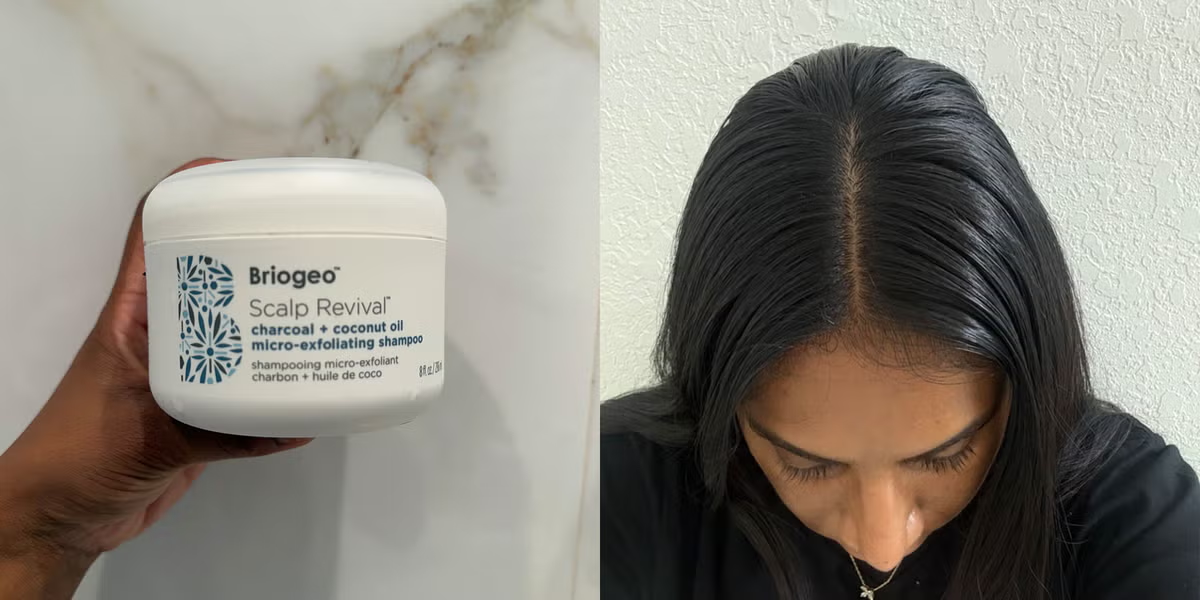
- Apply a scalp scrub directly to the roots, focusing on areas with the most buildup, and massage gently with your fingertips.
- Rinse the scrub out completely, making sure the granules are fully removed from your hair and scalp.
- Work conditioner through the mid-lengths and ends of your hair, avoiding the scalp, and leave it on for two to five minutes.
- Rinse out the conditioner, then apply shampoo mainly to your roots to cleanse away any remaining residue and refresh the scalp.
- Rinse thoroughly, then towel-dry and style as usual, noting how your scalp feels and how much natural lift you see at the roots.
The order matters: scrub first to reset the scalp, condition mid-lengths and ends for slip, then shampoo to remove leftover residue so hair does not feel coated. This helps fine hair keep enough moisture without sacrificing body. The result many users notice is cleaner-feeling roots, smoother lengths, and volume that lasts better until the next wash.
Real Scalp Scrub Benefits and What to Avoid
Used with care, scalp scrubs deliver several benefits for weighed-down hair. They remove buildup from dry shampoo, styling products, and natural oil production, which can otherwise sit on the scalp and make roots look flat. By clearing follicles and improving circulation, they indirectly support hair growth and thickness by optimizing the environment your hair grows from, though they are not a direct hair-loss treatment. For anyone chasing more lift and shine, this scalp cleanup is a quiet but important step toward a fuller look. The most common mistake, however, is over scrubbing. Too much mechanical exfoliation can cause irritation, sensitivity, excess dryness, and even more flaking and increased shedding. If your scalp feels tight, tender, or unusually reactive after use, scale back because, in Mislankar’s words, "more is not better here".
How Reverse Hair Washing Helps Fine Hair Look Fuller
Reverse hair washing is straightforward: you apply conditioner first, then shampoo. For fine or easily weighed-down hair, this twist can make a big difference in how full your hairstyle looks. Conditioners create a temporary protective lipid barrier that helps shield porous areas of the hair cuticle from the stripping action of shampoo surfactants. When you follow with shampoo, it can lift away microscopic conditioner residue left behind on the shaft, which reduces the heavy, coated feeling some formulas cause while still keeping lengths smoother and hydrated. One cosmetic dermatologist explains that this method is especially useful for fine strands, providing enough conditioning without sacrificing body. If your hair is very coarse, thick, or highly textured, you may prefer the traditional shampoo-then-conditioner routine because you often need more lasting moisture at the ends.
How Often to Use This Routine and What to Watch For
Think of scalp scrubs and reverse hair washing as maintenance, not a daily fix. Regular but moderate scalp care helps prevent the buildup of oil and product that can dull hair and flatten natural volume. Many people fold a scrub into their routine every week or every few washes, then use reverse hair washing on any day their hair feels heavy at the roots. Watch for the two big pitfalls: over-exfoliating your scalp and expecting scrubs to solve medical scalp issues or significant hair loss. If you have psoriasis, eczema, an open wound, or infection on your scalp, avoid scrubs until those conditions are under control, since exfoliation can aggravate inflamed or broken skin. Pay attention to how your scalp responds; if tenderness or extra flaking appears, back off and let it recover. Done thoughtfully, this two-step approach is low effort, and the payoff is cleaner roots, better lift, and hair that feels easier to style day to day.