
Curly Hair Representation: More Than a Styling Choice
Curly hair representation is the consistent and visible portrayal of curly and textured hair in media, celebrity culture, and advertising in ways that affirm its beauty and versatility, shaping how people with curls value their own texture and influencing which styles are seen as aspirational, professional, and worthy of the spotlight. In live-action remakes, red carpet appearances, and press tours, these seemingly cosmetic decisions quietly teach audiences which hair types deserve to be seen. When curls are softened, blown out, or hidden, the message is clear: straight or loosely waved hair is the "polished" default. When stars commit to their natural coils, the lesson flips—texture becomes a feature, not a flaw. This tension is at the heart of today’s beauty conversation.
Moana’s Loosened Curls and the Missed Chance for Textured Girls
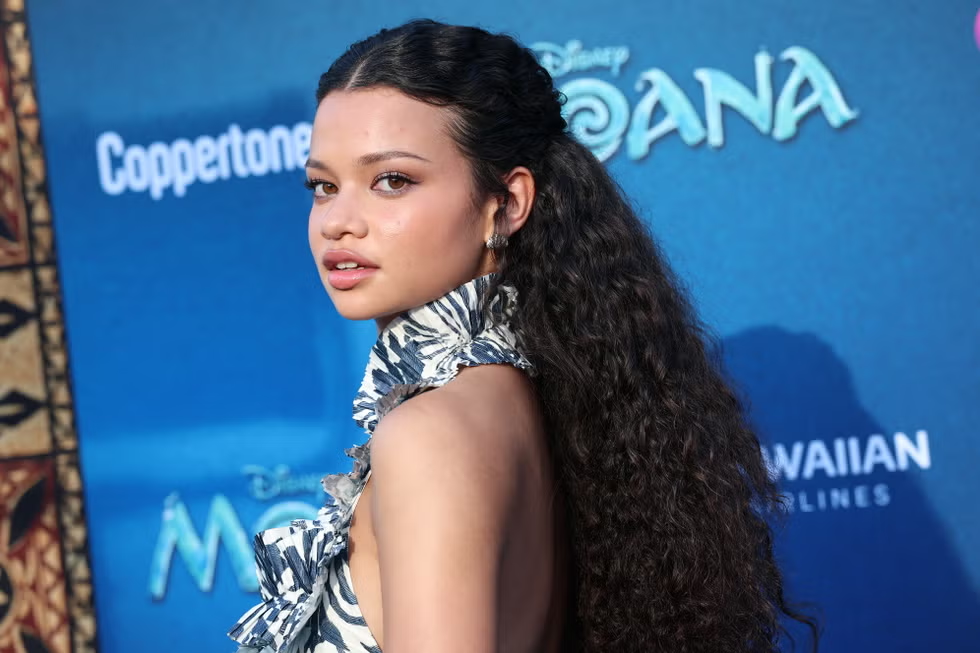
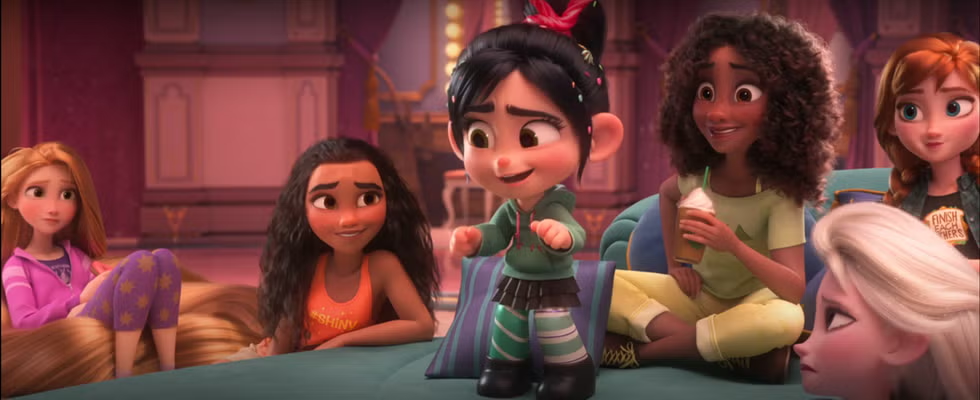
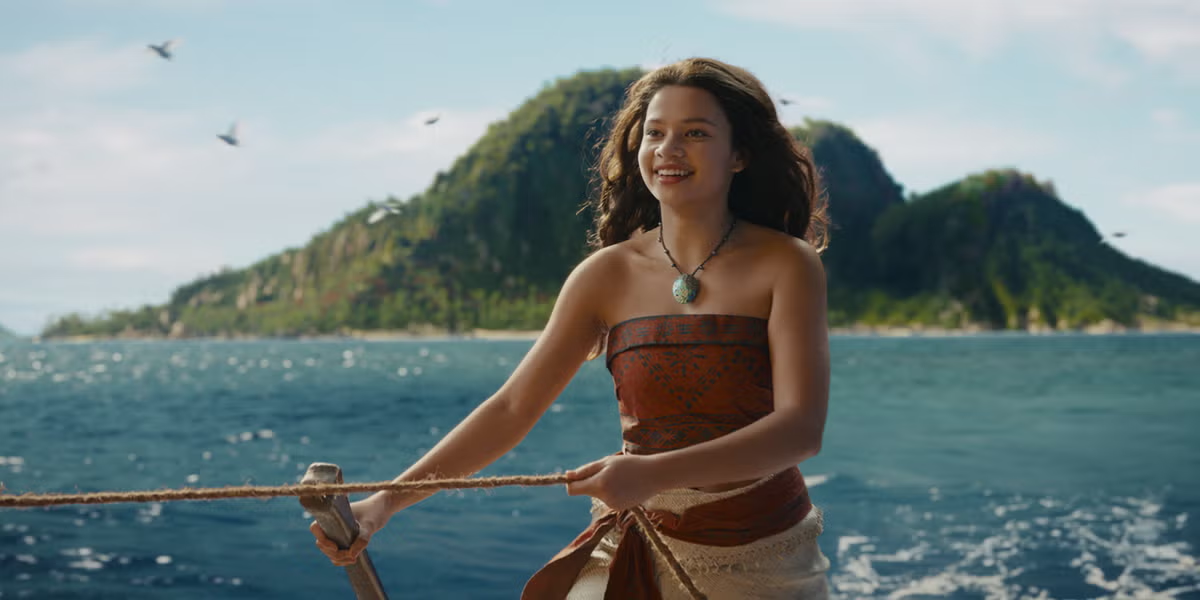
The live-action version of Moana quietly illustrates how Hollywood still edits texture out of center stage. In animation, Moana’s tight curls were so central that artists invented a new process, the Disney Elastic Rod model, to bring them to life. On screen, she is a girl constantly in the water, tumbling in as she learns to wayfind and even being thrown in by Maui. Yet in the remake, her hair dries into looser curls that no longer match the original’s iconic texture. A wig was chosen for the production, with the director explaining that Moana has around 30 different hair looks for different scenes. That technical reasoning doesn’t erase the symbolic loss. When one of only two curly-haired figures in the princess lineup—Moana and Merida from Brave—is visually softened, the industry repeats an old pattern: tight curls are acceptable in animation but smoothed out in real life.
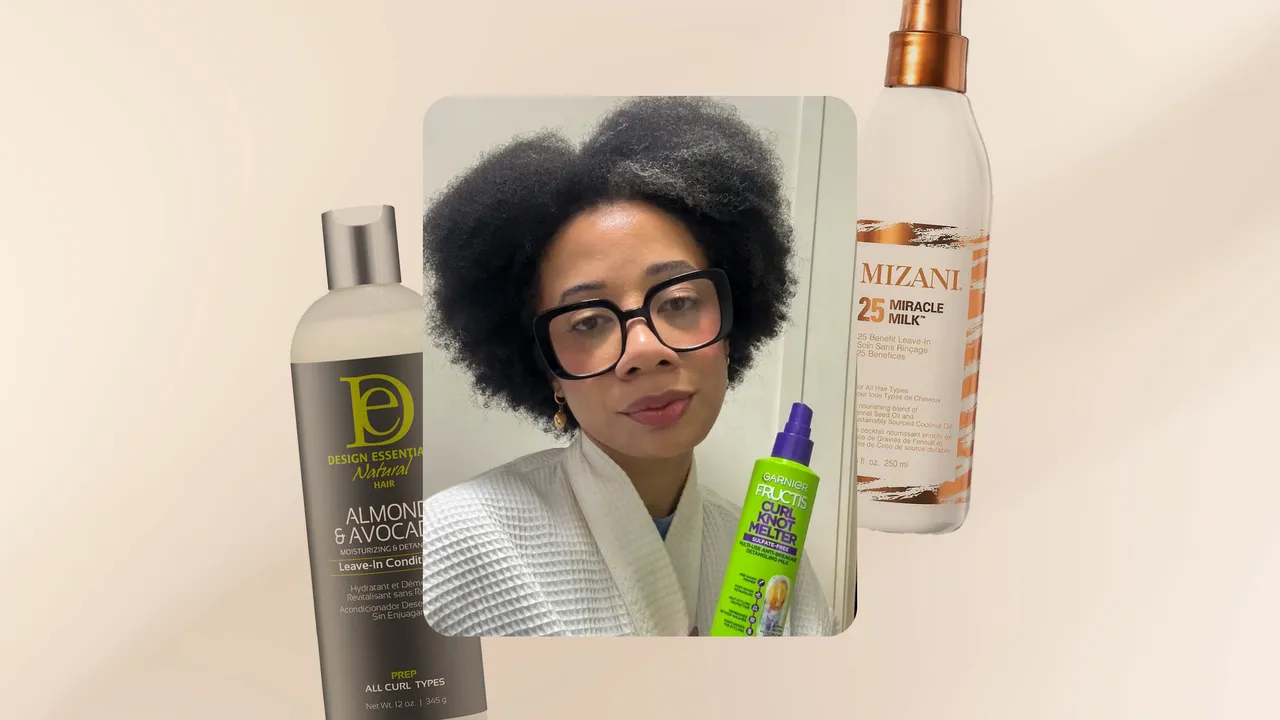
This matters for the kids watching. For young girls, seeing their own coils on a real-life hero is an opportunity to feel recognised. The writer of one source reflects on growing up with big, poofy hair, fighting it with flat irons and never learning textured hair styling, including the curly girl method, until adulthood. When your hair is constantly framed as something to fix, you absorb the idea of "bad hair," or pelo malo, a phrase used in Latine communities to describe textured hair. Mirabel’s curls in Encanto, which resemble the author’s own, finally pushed back against that idea. The live-action Moana could have continued that shift for even more children. Instead, loosening her texture signals that tight curls still aren’t quite “princess enough” for a major studio, undermining curly hair representation precisely where it would be most powerful.
Zendaya’s Curly Crop and the Power of Celebrity Texture
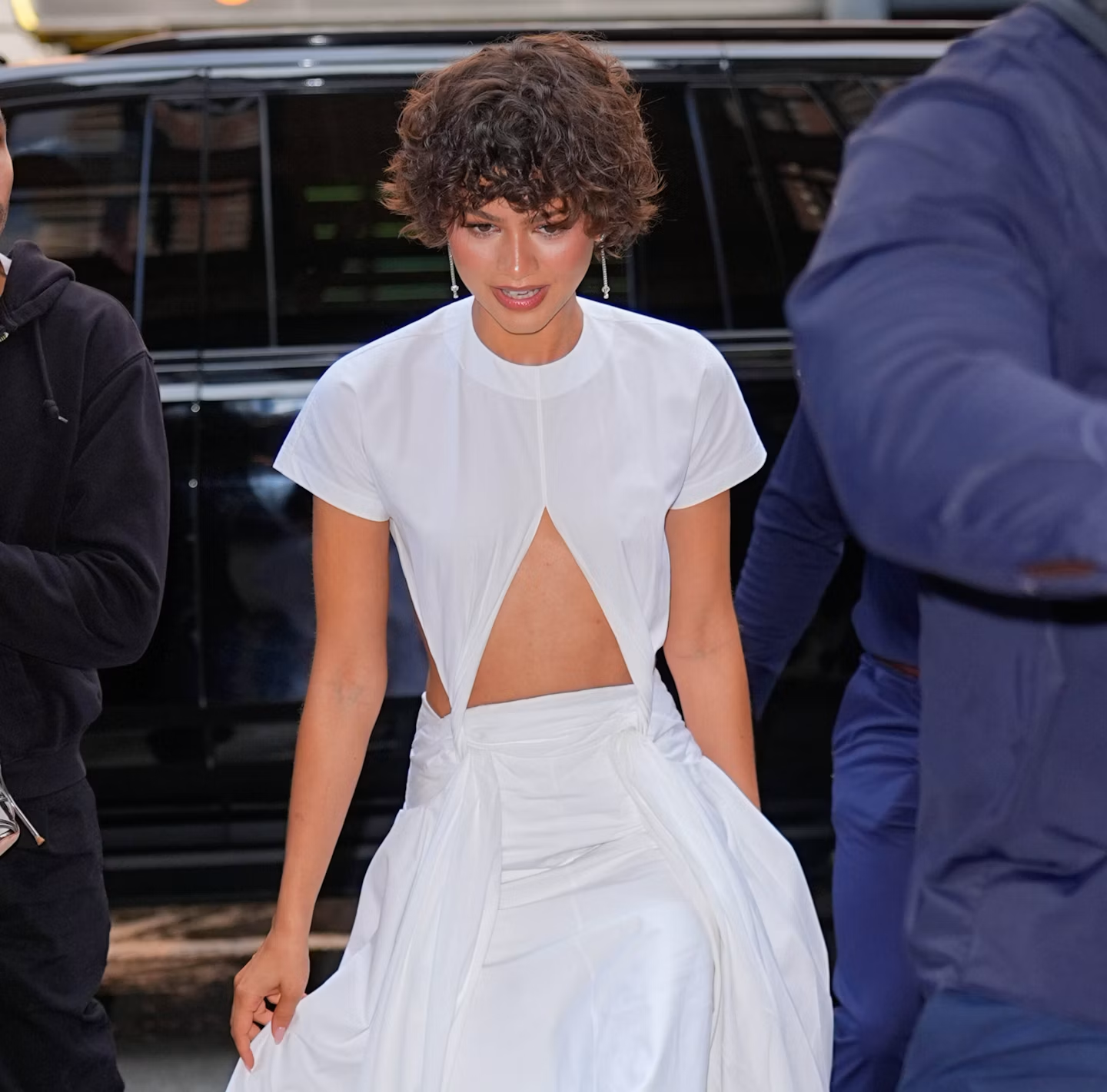
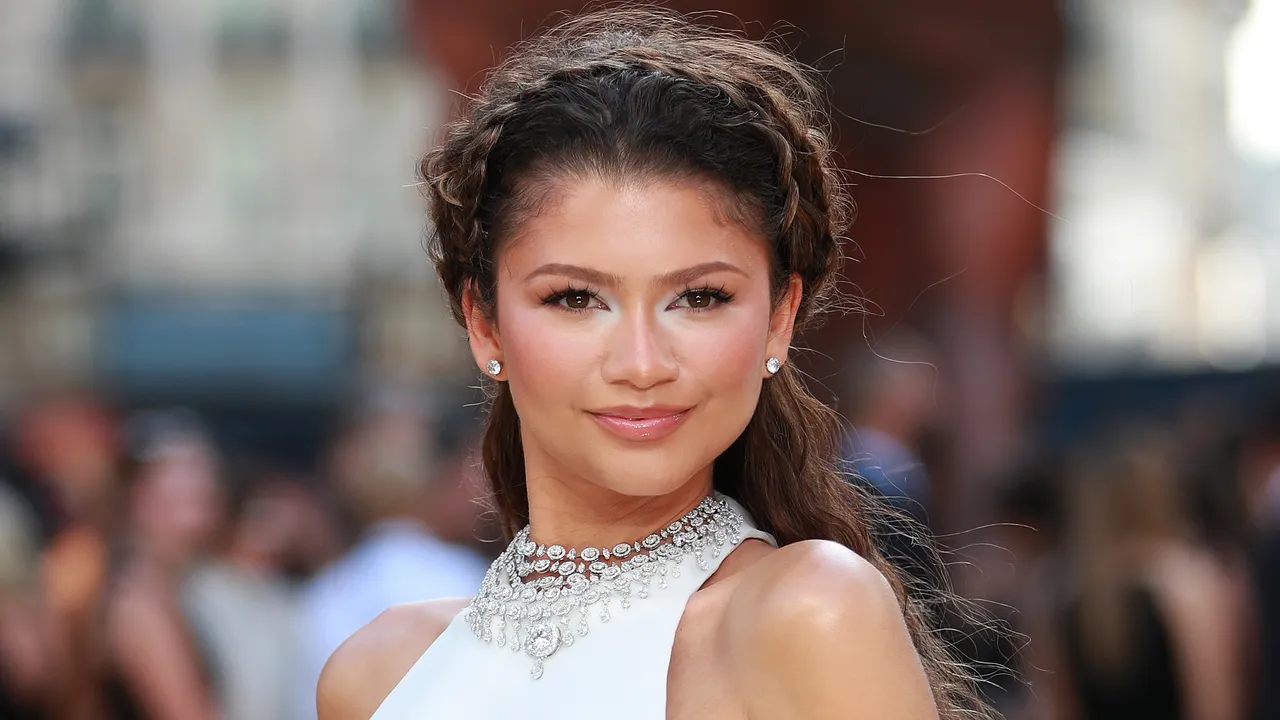
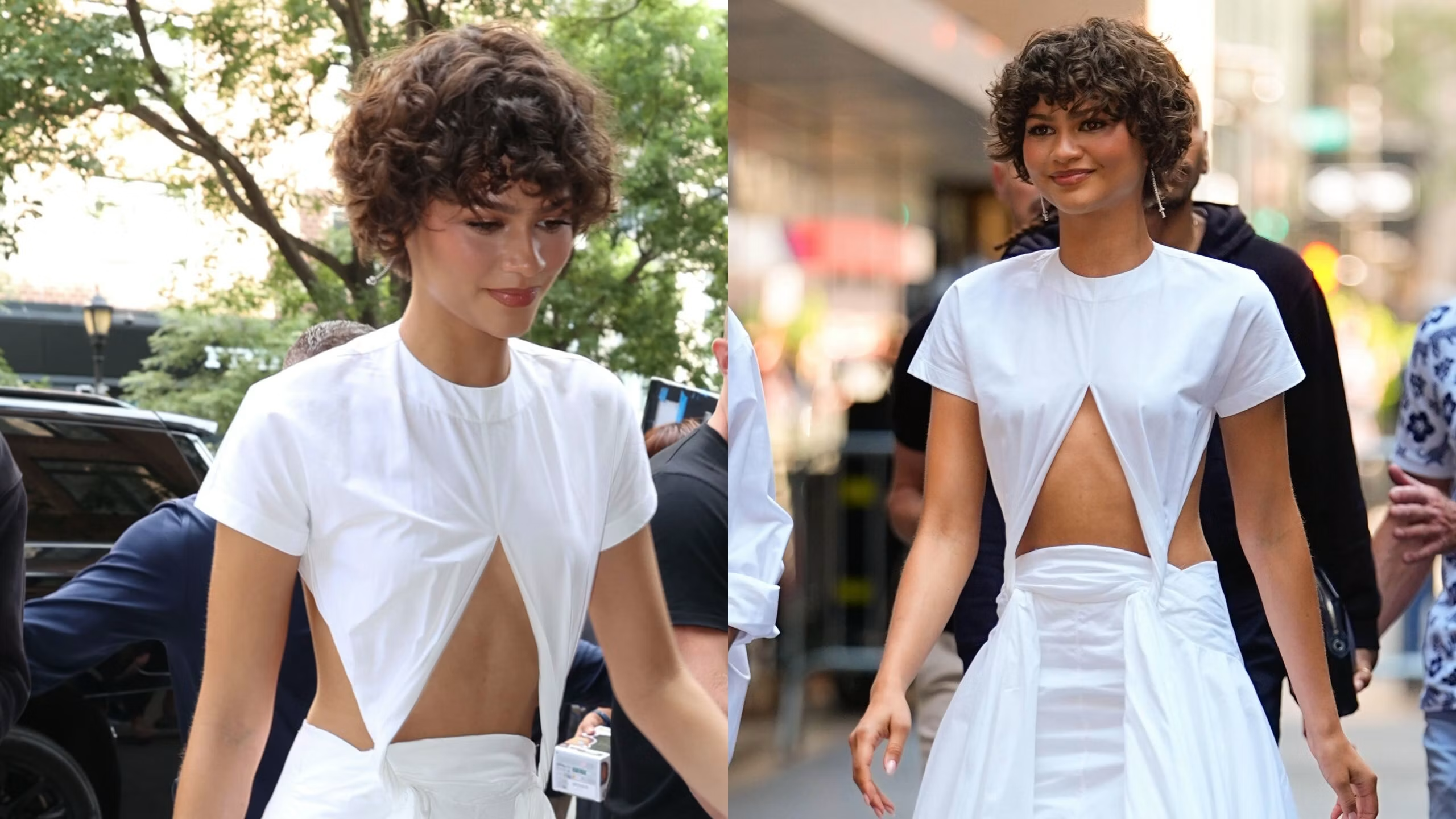
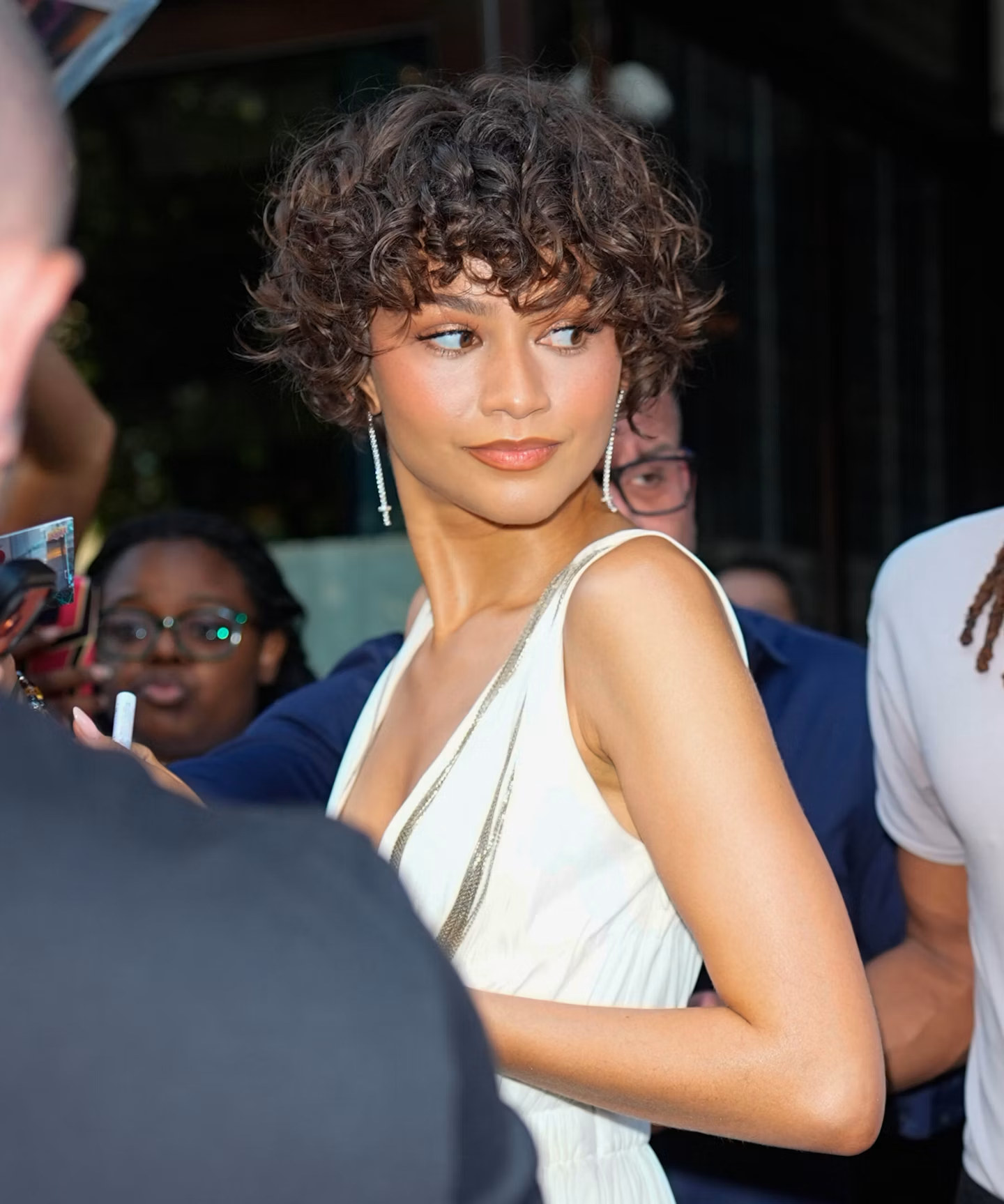
If Moana shows how Hollywood can dilute curls, Zendaya shows how a single star can elevate them. Since reaffirming her commitment to the bob at Paris Fashion Week, she has offered constant inspiration for short hair types, proving a cropped cut doesn’t have to be a one-note style. Across the press tour for The Odyssey, where she plays Athena, her team has turned hair into storytelling—Greek goddess glamour, crown braids, and other-worldly beauty moments that build a character from head to toe. Her latest move, reviving a rounded, layered curly bixie in New York City ahead of the film’s release on 17 July, is a deliberate return to texture. According to hairstylist Tom Smith, her cut avoids blunt lines and uses all-over layering to create a lifted, curved shape. This isn’t casual experimentation; it is image architecture designed to send a message and shape an aesthetic for the moment.
The message, crucially, is that curls belong in high fashion and blockbuster promotion. Worn with texture and natural-looking curls, Zendaya’s style aligns with current summer hair trends, where people embrace their own patterns rather than fight humidity and heat with endless straightening. Natural textures are more resilient against the elements and air conditioning, but there is more at stake than practicality. When the "queen of the red carpet" is held up as a lesson in the power of hair, and she does it with curls, she becomes direct natural hair inspiration for fans. Viewers aren’t just admiring clothes; they are screenshotting curls, asking stylists to recreate the curved, rounded layers that frame the face, and learning that textured hair styling can produce looks worthy of premiere photography. That is what meaningful celebrity curly hairstyles look like: beautiful, intentional, and unapologetically textured.
From Red Carpets to Real Life: How Texture Changes Self-Perception
Red carpets and press tours act as public mood boards. When a star keeps their curls visible instead of smoothing them away, it changes how audiences see their own hair. With Moana, the disappointment around the looser texture stems from a sense of lost possibility: younger girls could have seen themselves and their curls represented in a beloved character brought into the real world. We can only hope that children who meet her through the film feel seen in the actress’s off-screen appearances, where her own texture can still shine. On the flip side, Zendaya’s textured bob and crop send a very different signal. Her looks are carefully curated to create an aesthetic for each moment, showing that curls can be aligned with heroism, glamour, and conceptual fashion, not only casual or "messy" days.
These images guide everyday choices. Fans imitate not just outfits but haircuts, and stylists respond to that demand. When someone walks into a salon asking for a curved, rounded layered shape that frames the face—with shorter layers around the fringe and longer ones at the crown—they’re pulling directly from Zendaya’s press-tour looks. Texture becomes the foundation, not the obstacle: curly and wavy types are ideal for recreating the silhouette, while straight hair is textured with curling irons to mimic it. As more stylists focus on defining curl and volume rather than erasing it, they help dismantle the idea of "bad hair" that has defined textured hair for generations. In that sense, every high-profile curl on a red carpet is not just a hairstyle; it is public permission for viewers to wear their own texture without apology.
Stylists Are Learning to Celebrate Curls—and Audiences Are Watching
The most hopeful shift in celebrity beauty is happening behind the scenes: stylists are learning to celebrate curls instead of flattening them for big events. Zendaya’s current look reflects a broader pattern, where summer styling increasingly favours natural textures and practical, lived-in shapes. Rather than spending hours forcing hair to behave against humidity, hair teams build on its strengths. Natural curls and waves, once treated as something to fix, are recognised as durable and expressive under real-world conditions from heat to air conditioning. This new approach changes the tools and techniques used on major stars. Products now focus on natural lift and volume while defining curl, with serums, gels, creams, or balms applied through the lengths before diffusing to let the texture emerge.
For viewers, those behind-the-scenes decisions become visible role models. One source describes years of wrestling with their own hair without learning how to style curls, only shifting during the pandemic. When celebrities appear with defined, touchable curls on carpets and in campaigns, they demonstrate that textured hair styling isn’t niche knowledge but a normal part of grooming. Instructions from professionals—diffuse, scrunch to break the product cast, then add dry shampoo or texture spray—are now shared as casually as eyeliner tips. This matters because it moves curly hair representation from symbol to practice. Stars and stylists are not only saying that curls are beautiful; they are showing audiences exactly how to care for them so that the "princess" or "goddess" aesthetic is attainable on textured heads too.