
Frizz Control in Humidity Starts With Respecting Your Cuticle
Frizz control in humidity is the practice of keeping the hair’s outer layer, the cuticle, smooth and evenly moisturized so strands stop grabbing water from the air, which causes puffiness, rough texture, and flyaways on camera and in person. If your hair reacts the second you step outside, it is not "bad" hair; it is a cuticle problem. Humidity lifts that outer layer and dry, damaged, or chemically treated strands absorb moisture unevenly, so every flyaway you see is a tiny raised cuticle shouting for hydration. People who color, heat style, or have regular chemical services are especially prone to this, but high humidity can make almost any hair type misbehave. The professional approach is blunt: stop fighting the weather and start engineering your routine to seal, cushion, and protect the cuticle long before you walk into a humid room.
Build a Red-Carpet-Level Wash Routine
On red carpets, frizz control in humidity begins in the shower, not at the styling chair. Professional hair care routines swap stripping formulas for a gentle, sulfate-free shampoo and a hydrating conditioner so the cuticle stays flexible instead of parched. After rinsing, celebrity stylists go straight to frizz-safe fabrics: they dry hair with a microfiber towel to reduce friction, which keeps the cuticle tighter and smoother. This is an anti frizz technique you can copy at home—rough terry cloth and aggressive rubbing undo half your conditioning work. Curly and textured hair, which already struggles to get enough scalp oil along the strand, benefits most from this kinder wash ritual because it avoids extra dryness and cuticle lift. If you ignore wash-day and only chase flyaways later, you’re treating the symptom, not the cause.

Hydration and Masks: Powerful, But Not Magic
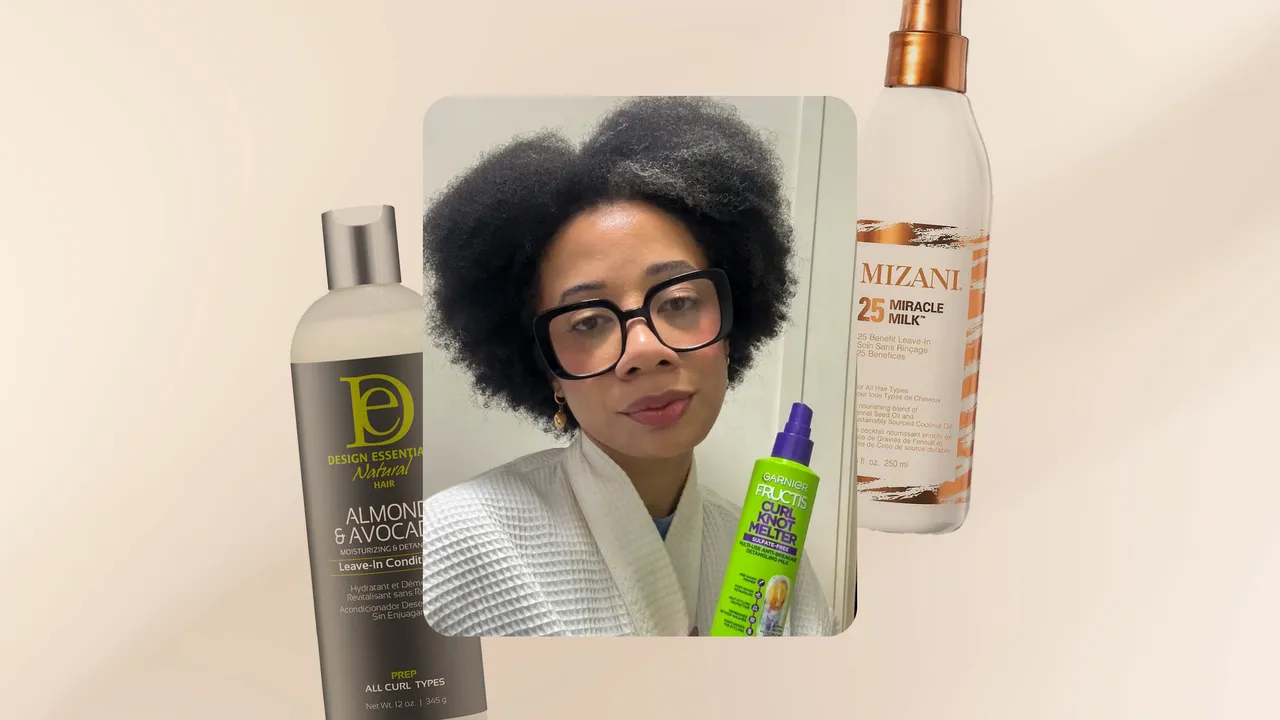
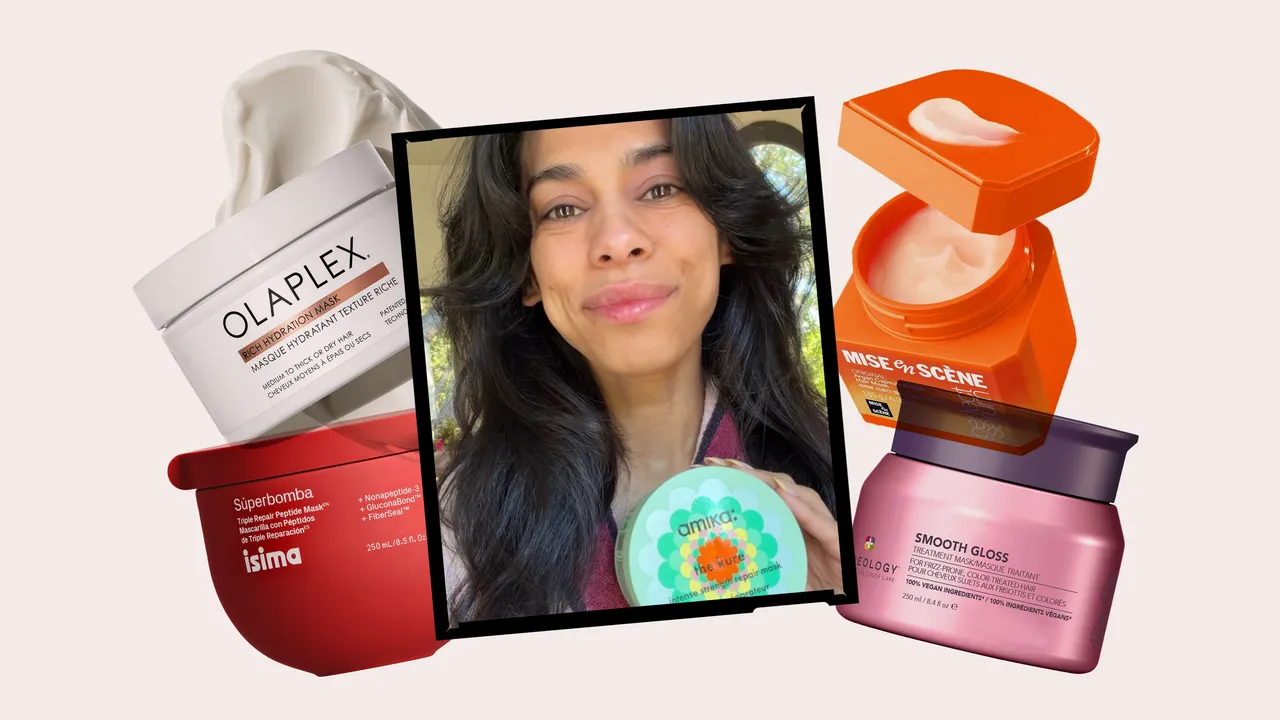
Red-carpet stylists are unapologetically pro-hydration: they rely on moisturizing hair masks and rich conditioners to keep texture conditioned and less likely to poof on humid days. These masks are one of the strongest anti frizz techniques because well-hydrated strands don’t desperately pull moisture from the air. But here’s the misconception that professionals are tired of correcting: using a mask every day will not eliminate frizz. Frizz usually stems from your curl pattern, texture, breakage, and humidity, not from a missing fourth conditioning step. Overusing heavy masks can cause buildup and leave hair limp, coated, and harder to style. According to hairstylist Kimberly Michelle, most people do best with weekly masks, while highly porous or chemically treated hair can handle two sessions and finer hair often needs less. Application matters too—keep rich masks on mid-lengths and ends instead of your scalp to avoid greasy roots and product congestion.
Style Soaking Wet Hair to Lock Out Humidity
The most underused professional hair care trick for frizz control humidity is timing: stylists apply protective products while hair is still soaking wet, not half-dry. Mui explains that this is when hair is most receptive; styling and sealing then helps lock the finished look in place before frizz has a chance to form. After blotting with microfiber, pros smooth on a leave-in conditioner or cream, then always finish with a heat protectant before blow-drying to seal the cuticle and lock out humidity. Quality tools with consistent heat distribution help smooth without over-drying, which keeps the cuticle lying flat instead of raised and ragged. For curls and coils, air drying or using a diffuser with a heat protectant keeps definition while still protecting that fragile outer layer. Skipping this wet-stage styling is like walking on a slick stage without grip tape—you’re inviting chaos the moment conditions change.
Night and Texture-Specific Strategies That Make Styles Last
Hairstylist tips for beating frizz do not end when the blow dryer switches off; they extend into how you sleep and how you tailor care to texture. Experts push sleeping on satin or silk pillowcases because they reduce overnight friction, helping the cuticle stay smooth instead of roughed up by cotton. Pros also warn against over-washing, which strips natural oils and forces hair to chase moisture from the air, worsening humidity reactivity. Curly and textured hair, already more prone to frizz because scalp oils travel less easily along the strand, benefits from richer hydration and possibly more frequent mask use, while fine hair needs lighter formulas spaced further apart to avoid looking flat. People who color, heat style, or get chemical services should treat anti frizz techniques as non-negotiable maintenance, not occasional rescue work, because their cuticles are already more vulnerable to lift and roughness in humid conditions.