
Why the small missed spots matter so much
The overlooked sunscreen spots on your face and scalp are the small, often skipped areas—like ears, hairline, eyelids, lips, and the sides of the nose—where UV exposure quietly adds up over years and can lead to skin cancer and premature aging if they are not consistently covered with adequate SPF.
If you swipe some SPF over your cheeks and call it good, you are in very common company—but you are also leaving prime real estate wide open to UV damage. Dermatologists see skin cancers again and again on spots people forget: the scalp and hairline, ears, eyelids, nose and lips. Daily, consistent sunscreen use has been shown to reduce the risk of melanoma and squamous cell carcinoma, and it is also the top anti‑aging move you can make, since up to 80% to 90% of visible skin aging comes from UV exposure. The catch: sunscreen only works where and how you apply it, and most of us use only 25% to 50% of the amount needed for proper SPF coverage.
The facial zones everyone skips—where skin cancers love to show up
Think about where the sun hits your face when you drive, walk the dog or sit outside with a coffee. Now think about where your fingers actually go when you slap on SPF in a rush. There is a gap. One study found people miss about 20% of their exposed skin when applying sunscreen, and that missing fifth is often the same set of small, high‑risk zones.
- Scalp, part line and hairline: A major missed sunscreen spot, even on people with thick hair. Melanoma on the scalp is a particular concern and tends to be more aggressive.
- Ears: Fronts, rims and the crease behind the ears get strong sun but inconsistent SPF, and skin cancers there are common in surgical clinics.
- Eyelids and around the eyes: Thin, delicate skin that burns easily; people avoid it because they fear stinging and end up skipping it.
- Nose: One of the highest‑exposure facial features, yet often streaky or missed along the bridge and sides.
- Lips: Frequently forgotten unless you keep an SPF lip balm handy; precancerous and cancerous lesions on the lips are common findings.
These are not minor details. Skin cancer rarely comes from one dramatic sunburn but from years of under‑protection. The good news: once you know these missed sunscreen spots, a few small habit changes can sharply improve long‑term skin cancer prevention.
Step‑by‑step: a daily facial sunscreen routine that covers everything
Here is a practical routine you can run through each morning in under two minutes. Follow the steps in order so you do not forget any of the high‑risk zones, and you hit proper SPF coverage instead of that “thin smear” that gives a false sense of security.
- Start with the right product: Choose a broad‑spectrum sunscreen that is SPF 30 or higher for exposed skin. Use a formula you can comfortably wear every day so you will stick with it.
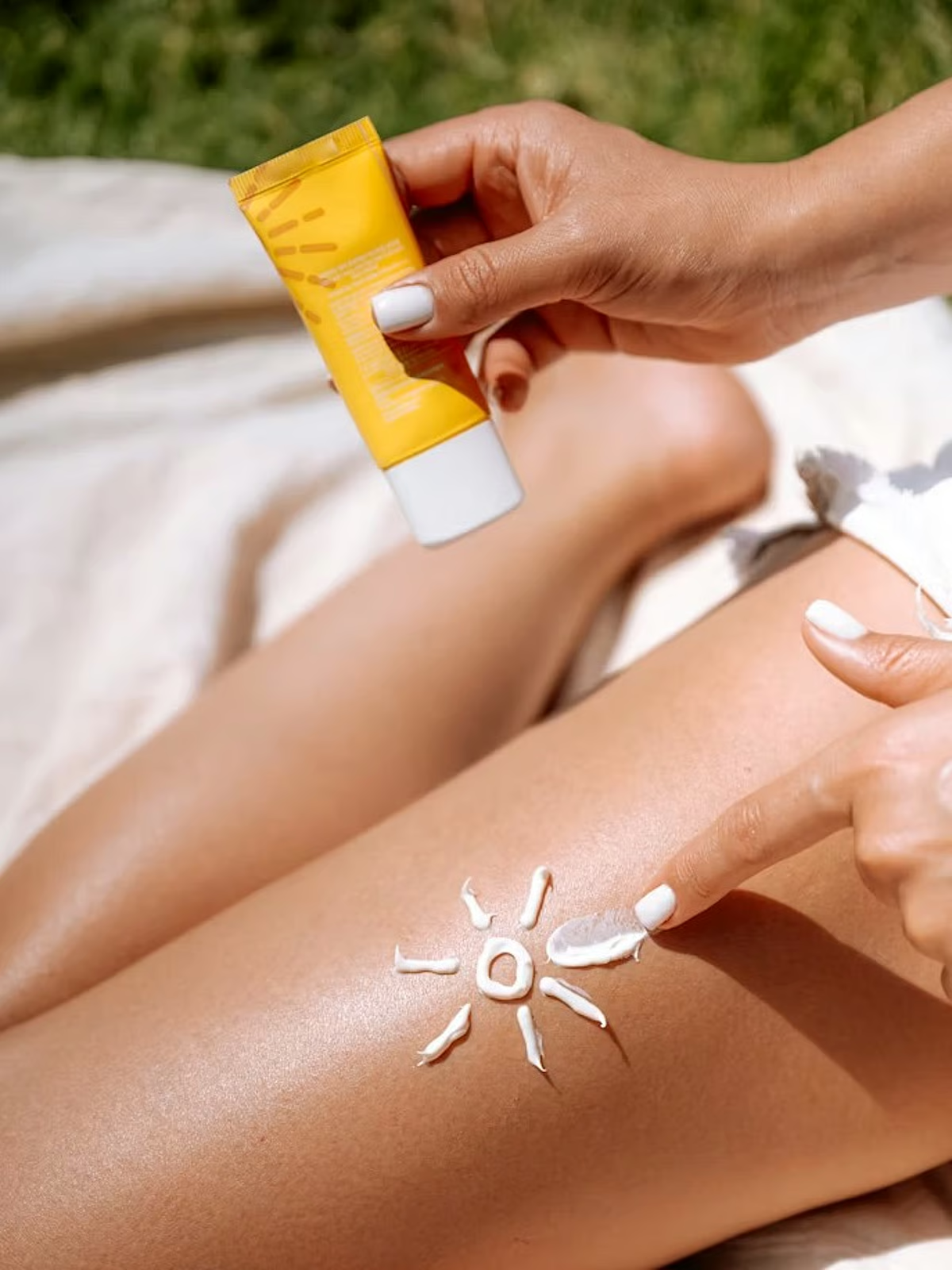
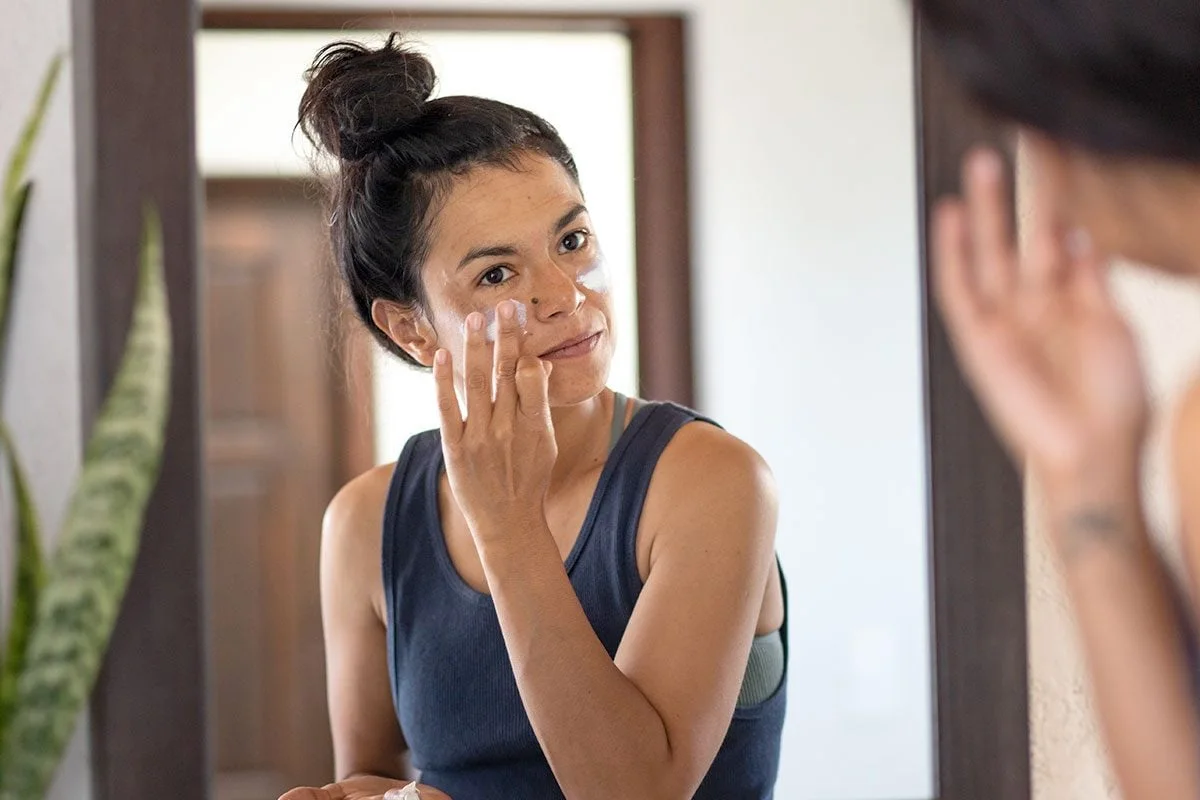
- Measure your dose: For your face, aim for a nickel‑sized amount or use the two‑finger rule—a line of product along your index and middle fingers from tip to palm for full facial coverage.
- Dot, then blend the main areas: Lightly dot sunscreen over forehead, cheeks, nose, chin, and neck, then blend until the skin has an even, slightly sheeny layer. Do not ignore forehead, cheeks, neck and ears, which should all be covered.
- Cover the overlooked edges: With what is left on your hands—or a little more if needed—work sunscreen into the hairline and along any visible part line on the scalp, around the sides and back of the neck, over and behind the ears, along the sides of the nose, and gently across the eyelids and under‑eye area.
- Protect lips and around the mouth: Finish with a dedicated SPF lip balm over both lips and slightly over the border where lip skin meets facial skin to avoid a hard “tan line” and missed strip.
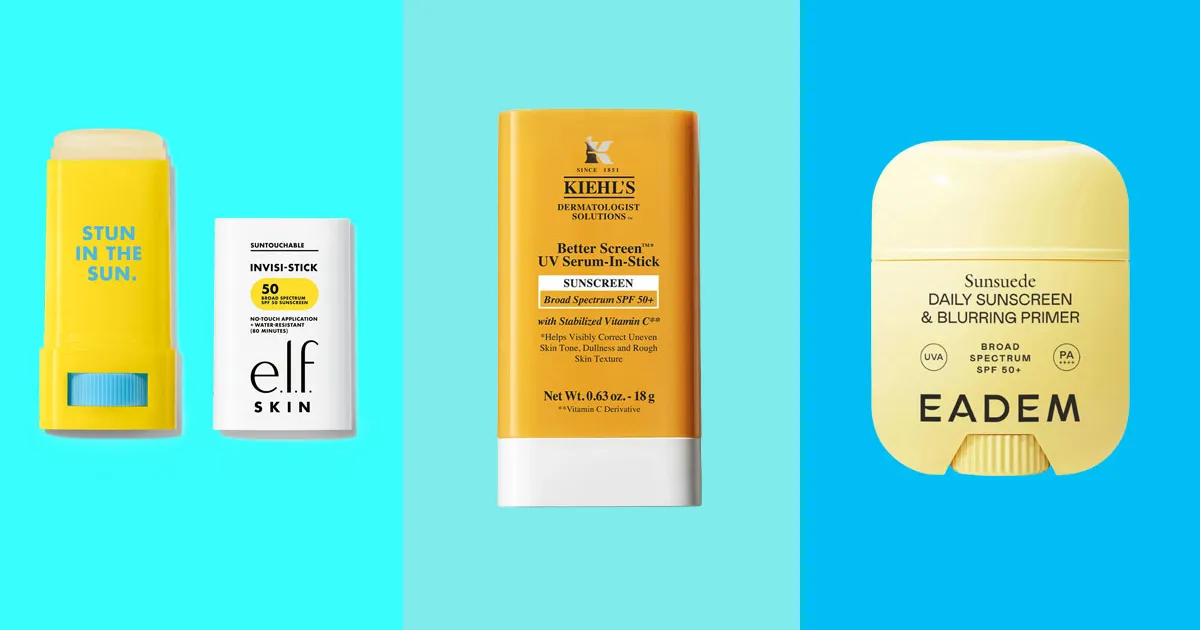
- Adjust for format: If you use a spray sunscreen on the scalp or face, hold the nozzle about 1 inch from the skin, spray until the skin glistens, then rub it in so you can see where it went. For a stick, swipe it back and forth over each area four times, then blend with clean fingers.
- Reapply on schedule: Reapply every two hours when you are outdoors, and more often if you are sweating or swimming, since both chemical and mineral filters lose effectiveness over time.
The real gotcha is amount and timing: most people use only a quarter to half what they need, then forget to reapply. Think of this routine as brushing your teeth for your skin—quick, boring, but what keeps damage from piling up.
Tiny tweaks that boost your skin cancer prevention for life
Once the basic routine is in place, small tweaks make a big difference. According to dermatologist Tiffany J. Libby, “SPF is only as effective as how you apply it,” and most people use a mere 25% to 50% of the amount needed. That means these practical sunscreen application tips do more than smooth out your routine—they close a real protection gap that can build up over decades.
- Pair sunscreen with shade, wide‑brimmed hats and sunglasses, especially during peak UV hours, instead of relying on SPF alone.
- Ask a partner or friend to help cover areas you cannot see or reach well, such as the back of your neck and upper back.
- Keep travel‑size SPF and lip balm in your bag, car or desk so reapplication every two hours outdoors feels possible, not like a project.
- Book regular skin checks with a qualified dermatologist, especially if you have a history of sunburns or notice any changing spots.
Skin cancer prevention is less about perfection and more about consistency. Simple application adjustments—covering the hairline, ears, eyelids and lips every day, using enough product, and reapplying on time—stack up over the years into a much lower risk of both cancer and visible aging.
The bottom line: worth the extra 30 seconds
If your sunscreen habit so far has been a quick swipe on the “big” parts of your face, you are closer than you think to doing it right. You do not need a suitcase of products or a twenty‑step ritual—you need a little more product, a more deliberate pass over the missed sunscreen spots, and a timer in your head for reapplication. Those extra seconds of attention to your scalp, ears, eyelids, nose and lips mean less cumulative UV damage, fewer surprises at future skin checks, and skin that ages more slowly over time. Treat it as a daily investment in your future self—and make tomorrow’s face grateful for today’s habits.