
The Big Reveal: Price Is Not a Proxy for Protection
Sunscreen comparison is the process of evaluating how different sun protection products perform on SPF accuracy, UVA coverage, water resistance, texture, and ease of use, so consumers can decide whether budget or premium formulas give meaningfully better real-world protection across varied skin types and daily conditions. The latest battery of drugstore sunscreen testing and premium formula scrutiny sends a clear message: you cannot buy your way out of sun damage. Lab data from more than 100 lotions and sprays shows plenty of products fail to reach the SPF printed on the bottle, yet they still deliver some protection and reinforce one blunt truth: any sunscreen is better than none. What you pay mostly buys an experience—how it feels, smells, and layers—not a magical force field. That should change how we shop: focus less on branding, more on whether you will apply a full shot-glass amount and reapply all day.

Inside the Testing Lab: How Protection Is Really Measured
If you imagine sunscreen testing as a quick spritz on the back of a hand, think again. Technicians apply a controlled amount of product to small areas of skin, then expose those patches to ultraviolet B rays to see whether the advertised SPF survives contact with reality. For any water resistant sunscreen, they do not take the label’s word for it: volunteers soak in a tub for up to the claimed 40 or 80 minutes before UV exposure, so water resistance is a verified performance metric, not marketing poetry. UVA protection is checked differently—UV light is shined through sunscreen-coated plates to measure how much aging and cancer-linked radiation gets through. Parallel to this, editors and experts who review the best drugstore sunscreens judge efficacy, texture, experience, and formula, because a product that passes the lab but fails in daily use is still a bad buy.
Budget vs. Luxury: Where They Diverge (Hint: It’s Not the SPF)
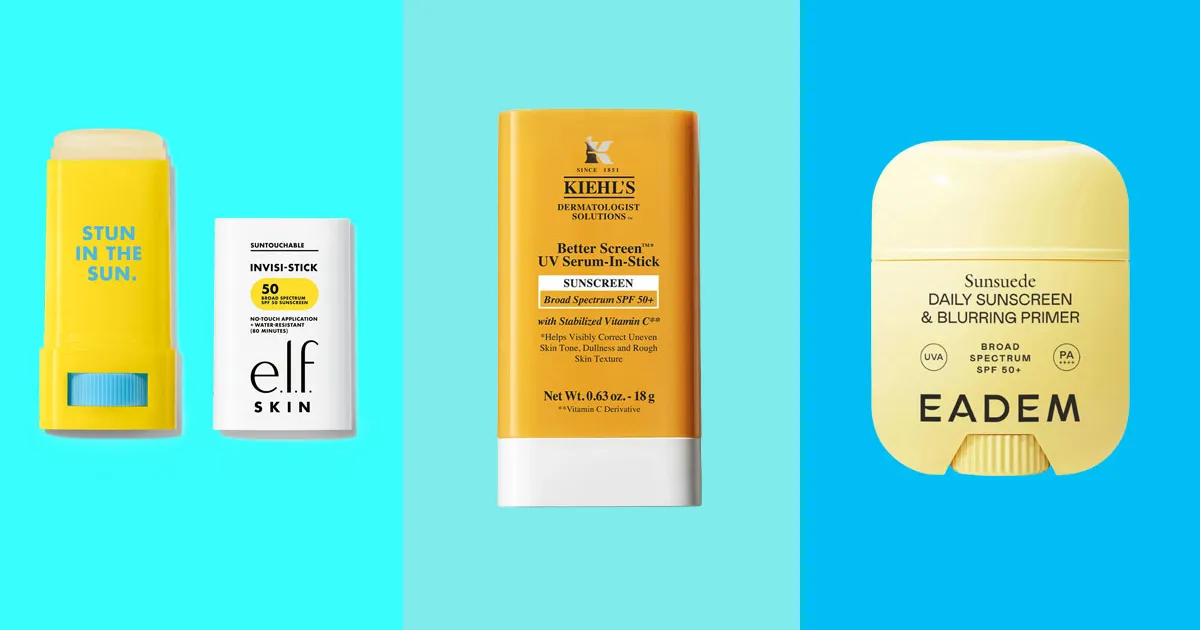
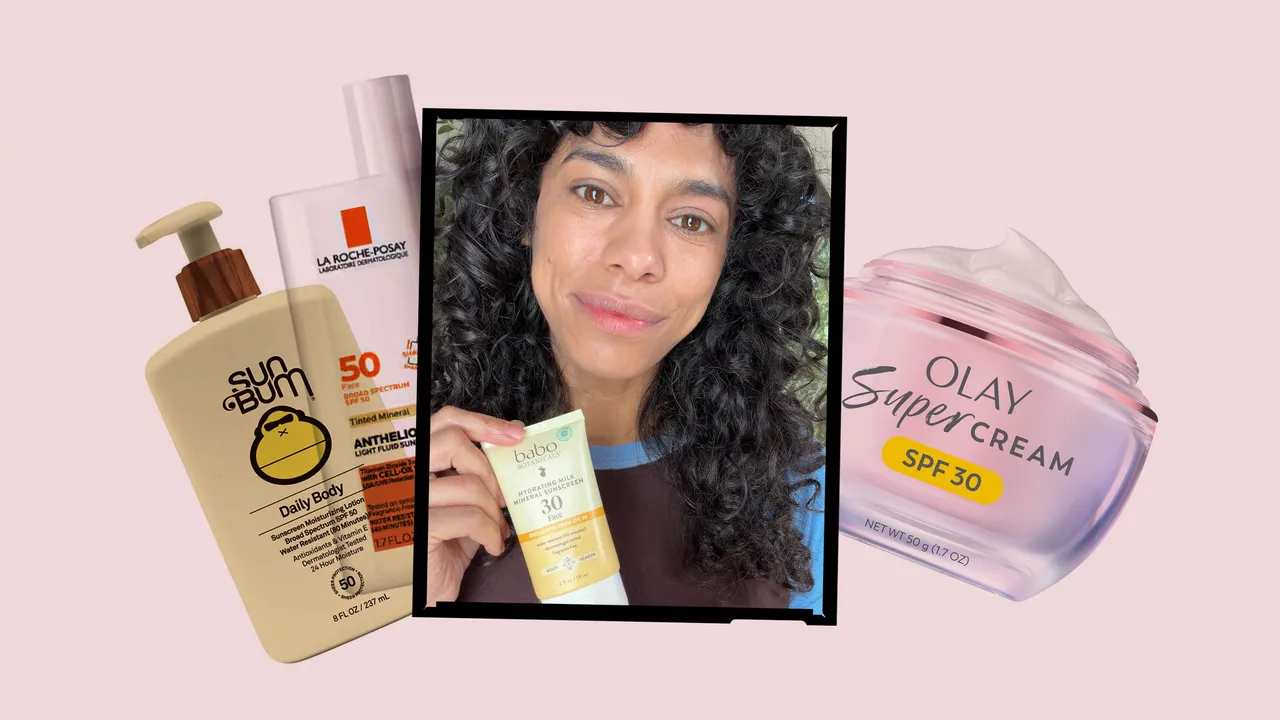
The uncomfortable truth for premium brands is that drugstore sunscreen testing shows cheaper formulas can protect skin as effectively as their upscale counterparts when they share similar active ingredients and broad-spectrum claims. In the lab, many sunscreens—regardless of price—miss their exact SPF label, but that shortfall is not confined to budget shelves. The real split shows up in what dermatologists call cosmetic elegance: whether the product feels greasy, pills under makeup, or leaves a disliked cast. If it does, people use less or stop reapplying, and protection collapses. Affordable lotions often win on accessibility and volume, making it easier for people to buy enough and use the recommended one-ounce shot-glass amount on the body. Meanwhile, premium products tend to compete on subtle texture, fragrance, and packaging—comfort factors that matter only if they make you more consistent, not more special.
Water, Sweat, and Skin Type: The Real-World Separators
In practice, the biggest gaps between sunscreens appear once sweat, swimming, and skin type enter the picture. If you will be in water or working out, a clearly labeled water resistant sunscreen rated for 40 or 80 minutes is non-negotiable; if the bottle says nothing about water resistance, it does not protect you in the pool or on a long run. According to testing protocols, water-resistant products must survive up to 80 minutes of soaking before UV exposure, so only formulas that perform under those conditions earn the claim. Skin type narrows the field further: sensitive complexions often do best with mineral options containing zinc oxide or titanium dioxide, while oily or acne-prone skin may prefer lightweight, noncomedogenic fluids and gels. People with melasma or hyperpigmentation should consider tinted sunscreens with iron oxides to help with visible light, and drier or mature skin benefits from hydrating ingredients like glycerin and ceramides.
Verdict: How to Choose the Right Sunscreen for Your Life
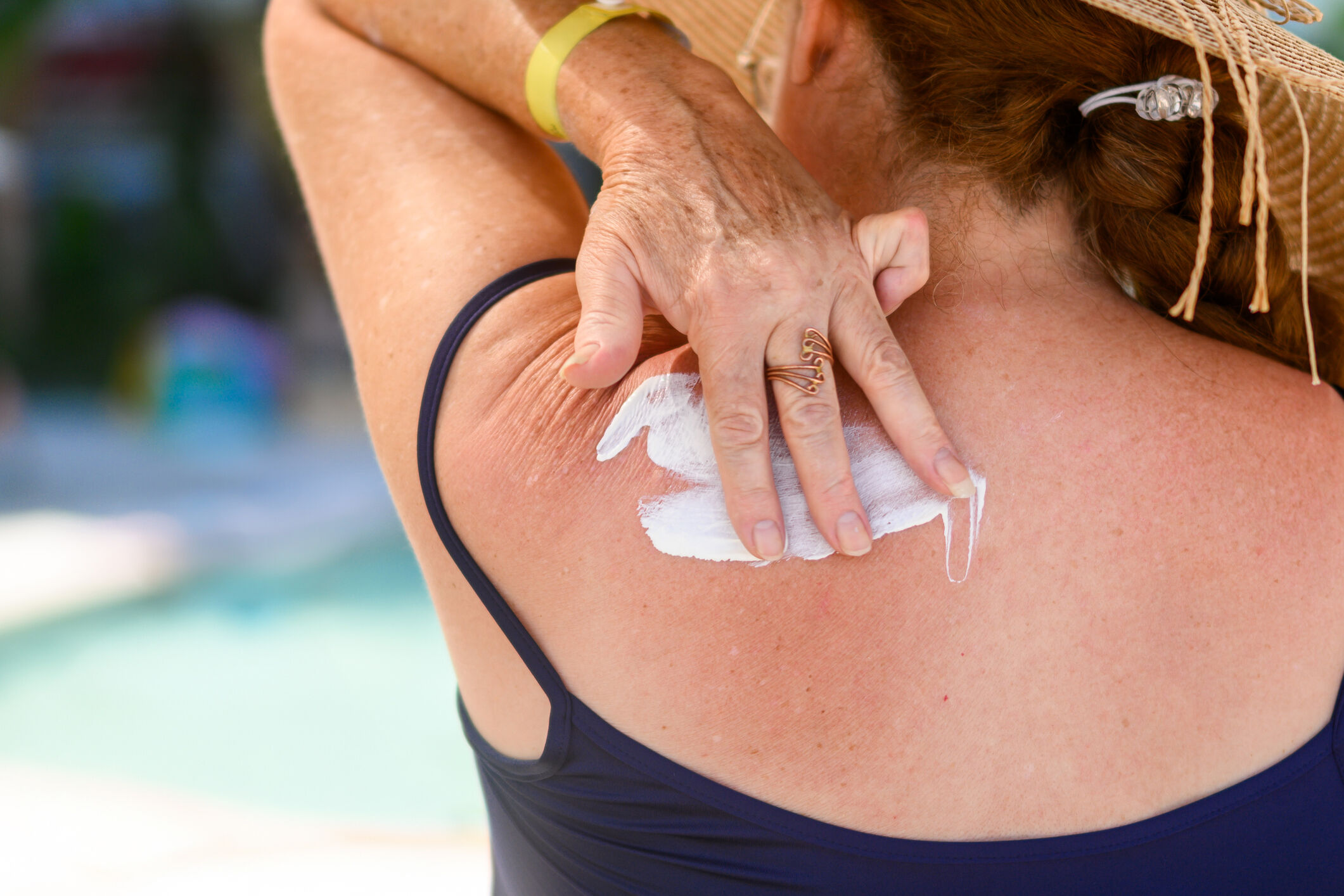
The data is clear: picking the best sunscreens is less about chasing a premium label and more about matching formula, format, and feel to your day. Lotions usually make it easier to see how much you have applied and to get even coverage, while sprays trade precision for convenience and risk being inhaled or blown away—so if you use a spray, you need to apply until your skin glistens and then rub it in. Shared weaknesses stretch across price points: many products fail to hit their exact labeled SPF, and a greasy or chalky finish guarantees people will under-apply or skip reapplication. For most shoppers, broad-spectrum coverage with at least SPF 30, proven performance in independent ratings, and a texture you do not dread wearing beat any prestige name. Consistent daily use will matter more than whether your bottle lives in a drugstore aisle or a luxury boutique.
- Buy if you need broad-spectrum, at least SPF 30, and are willing to apply a full shot-glass amount and reapply every two hours.
- Skip if the formula feels greasy, pills under makeup, or leaves a cast you dislike, because you are likely to under-apply or stop using it.
- Buy mineral formulas with zinc oxide or titanium dioxide if you have sensitive, rosacea-prone, or post-procedure skin.
- Skip heavy creams and choose lightweight noncomedogenic gels or fluids if your skin is oily or acne-prone.
- Buy tinted sunscreens containing iron oxides if you have melasma or hyperpigmentation and need protection from visible light as well as UV.
- Skip non-water-resistant products if you will be swimming, sweating, or in humid conditions; choose clearly labeled water-resistant options instead.
- Buy hydrating formulas with ingredients like glycerin, ceramides, or hyaluronic acid if your skin is dry or mature.
- Skip sprays in windy settings or if you are unlikely to rub them in; choose lotions for more reliable coverage.