
Why the Greek Goddess Aesthetic Owns the Red Carpet
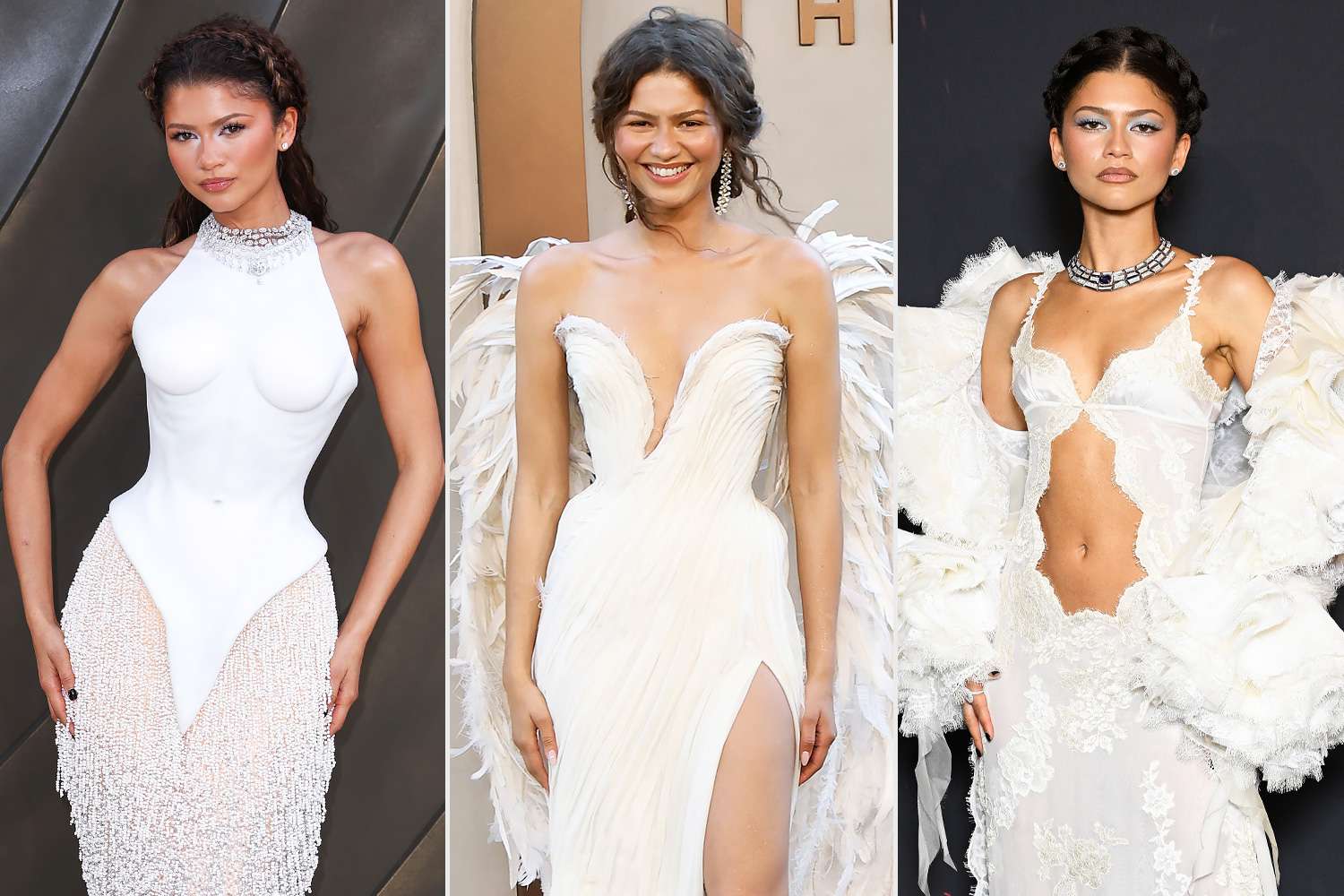
Greek goddess style is a sculptural, column-and-drape approach to red carpet styling that uses flowing fabrics, gold-toned details and ethereal proportions to turn the body into a living statue while staying wearable for modern, eco-conscious wardrobes. It’s no longer niche costume design; thanks to Christopher Nolan’s The Odyssey, Zendaya, Anne Hathaway, Lupita Nyong’o and Charlize Theron have walked premiere carpets in draped dresses that pushed this goddess aesthetic into blockbuster territory. Zendaya and Law Roach have turned the press tour into a travelling gallery of living sculptures, making statue-inspired fashion a defining pop-cultural image rather than an insider couture reference. The point now isn’t to look historically accurate; it’s to treat your body as architecture—using fabric as "wet drapery" that defines the silhouette like a Greek chiton.
Start With Sculptural Draped Dresses and Flowing Lines
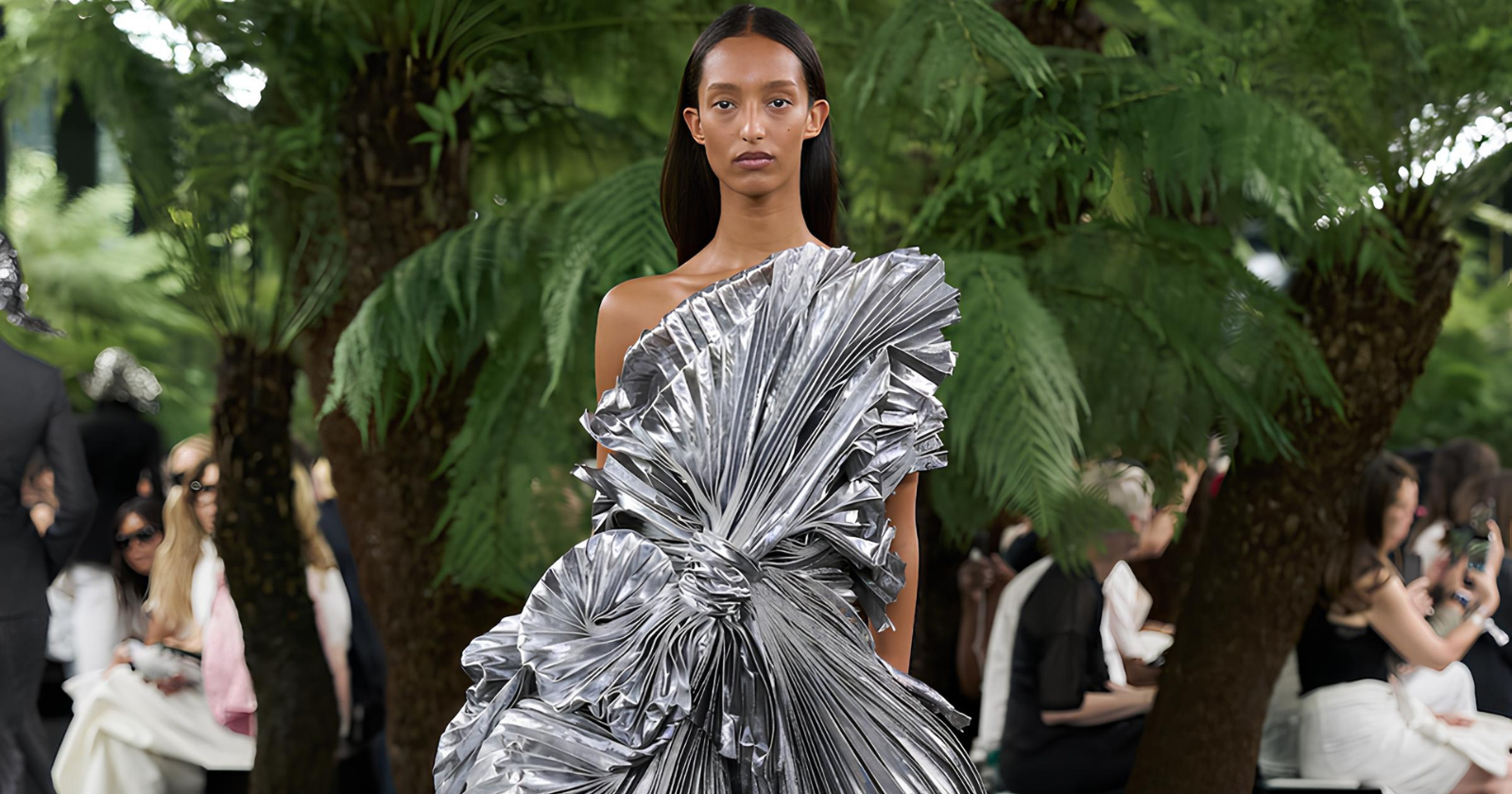
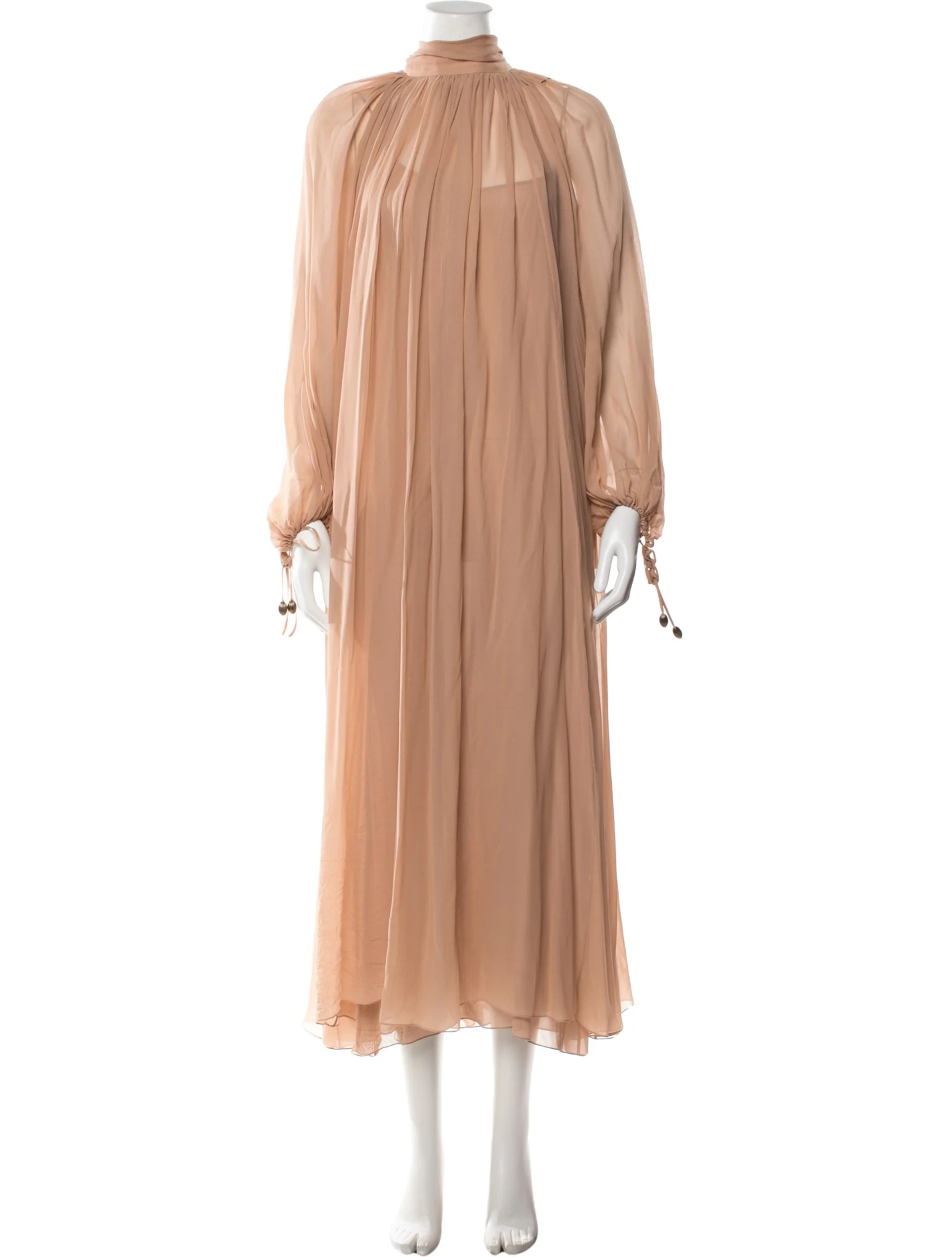
If you want a Greek goddess look, your first non‑negotiable is draped dresses that move like sculpture. The red carpet has gone "fully Aegean," with column-and-drape silhouettes in white silk and marble tones that echo Greek statues and haute couture experiments with statue-core. Zendaya’s internet-breaking Givenchy Haute Couture Spring 1997 ensemble designed by McQueen, complete with a headpiece-mask by Phillip Treacy, proved how a white, myth-inspired draped dress can feel both ancient and futuristic at once. On the New York premiere carpet, a white silk look from Khaité’s Resort 2027 collection used fluid draping that slid along the body, recalling the wet drapery technique that defines sculptural fashion in Greek mythology. To recreate this, seek gowns cut on the bias, with fabric that clings then releases, creating vertical lines that read as modern columns rather than prom ruffles.
Use Eco-Conscious Labels to Own the Silhouette
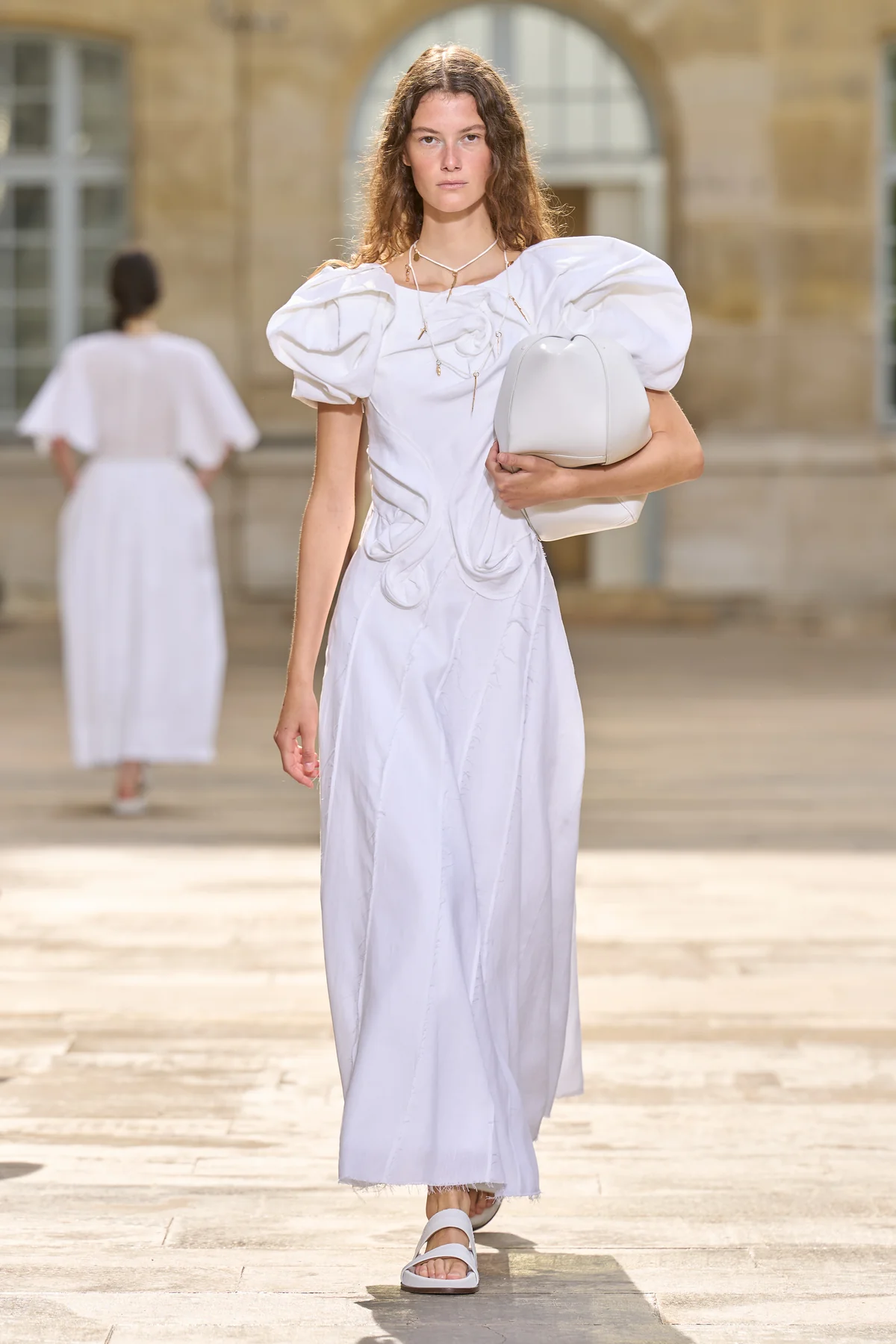
The real upgrade is choosing goddess silhouettes from labels that can trace their fabrics instead of borrowing couture for one night. Each of the eco-luxe brands highlighted for this trend works a fluid, columnar register and backs it with sustainability credentials strong enough to stand a second look, with options that scale from accessible contemporary to runway. One quotable benchmark: "Chloé became the first luxury house to earn B Corp certification in 2021," and under Chemena Kamali it has settled into soft, romantic draping that mirrors Odyssey’s costumes. Gabriela Hearst’s Navi puff-sleeve maxi in ivory aloe linen spirals around the body with architectural volume traced to the Le Chariot tarot card, proving that a goddess aesthetic can be built from natural fibers rather than synthetic blends. This is not a trend you rent; it’s a silhouette you commit to wearing on repeat.
Dial Up the Statue-Core: Color, Texture and Gold Details
Once the base dress is right, the goddess effect comes from sculptural fashion details: stone-inspired textures, metallic sheens and gold accents that make you read like a modern deity. At Paris Haute Couture Week, Rahul Mishra’s Devi: The Eternal Muse collection drew on bas-reliefs of southern Indian sculpture, using skin-toned trompe-l’œil, dramatic draping and zardozi embroidery rich in stones and beads to turn models into stone deities dressed in basalt, bronze, sandstone and soapstone. Standing Ground pushed the same obsession with the sculpted body but with near-scientific drapery precision, wrapping the body to give it sculpture-like plasticity while keeping lightness and tactile comfort. On the Odyssey carpet, a braided leather belt with gold details on a white silk look showed how gold tones and flowing lines can quietly frame the body as architecture without overwhelming the fabric’s movement.
Red Carpet Attitude: Wearable Mythology as Daily Style
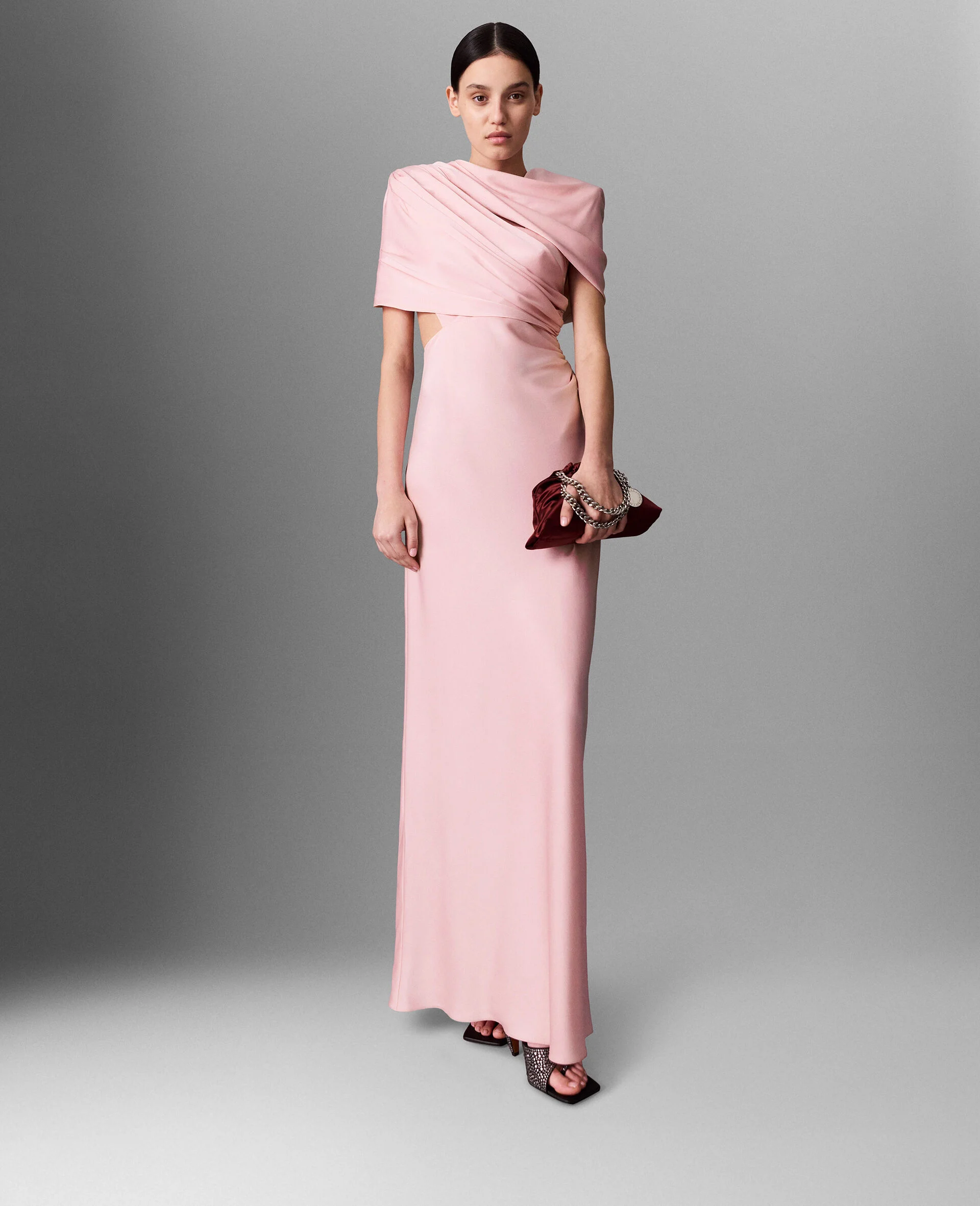
The Greek goddess aesthetic belongs in everyday wardrobes as much as on premieres, but it demands intent: you are choosing to dress like living sculpture, not a trend victim. The Odyssey press tour has made goddess dressing a cinematic blockbuster, yet the more useful question for anyone not walking a carpet is who makes the silhouette responsibly and transparently. Eco-conscious brands focused on traceable supply chains are already cutting pleated, statuesque silhouettes designed to be worn on repeat, not archived after one night. Sculptural fashion has moved beyond didactic marble prints that once drew criticism at Kim Jones’s first Fendi Haute Couture show inspired by the Galleria Borghese in 2022; now statues have their moment of glory across runways and red carpets, with designers treating the body as a site for frozen gestures and fluid movement at once. The conclusion is clear: if you want the goddess look, commit to both the form and the ethics behind it.