
Frizz Control in Humidity Starts with the Cuticle, Not the Forecast
Frizz control in humidity means using products and techniques that keep the hair cuticle smooth, evenly hydrated, and sealed so moisture from the air cannot enter the strand in random patches and disrupt the overall texture. At a basic level, frizz occurs when the hair absorbs moisture unevenly and the cuticle becomes lifted or rough, which humidity amplifies for almost every hair type. That’s why frizz-fighting routines that focus on protecting and conditioning the cuticle are more effective than blaming the weather. Instead of accepting halo frizz as inevitable, professional hairstylists argue that the right wash routine, product layering, and styling methods can turn humid days from a hair crisis into a non-event. The point is clear: if your cuticle is defended, the forecast matters far less, whether your hair is straight, curly, or textured.

Build a Frizz-Fighting Wash Routine That Protects the Cuticle
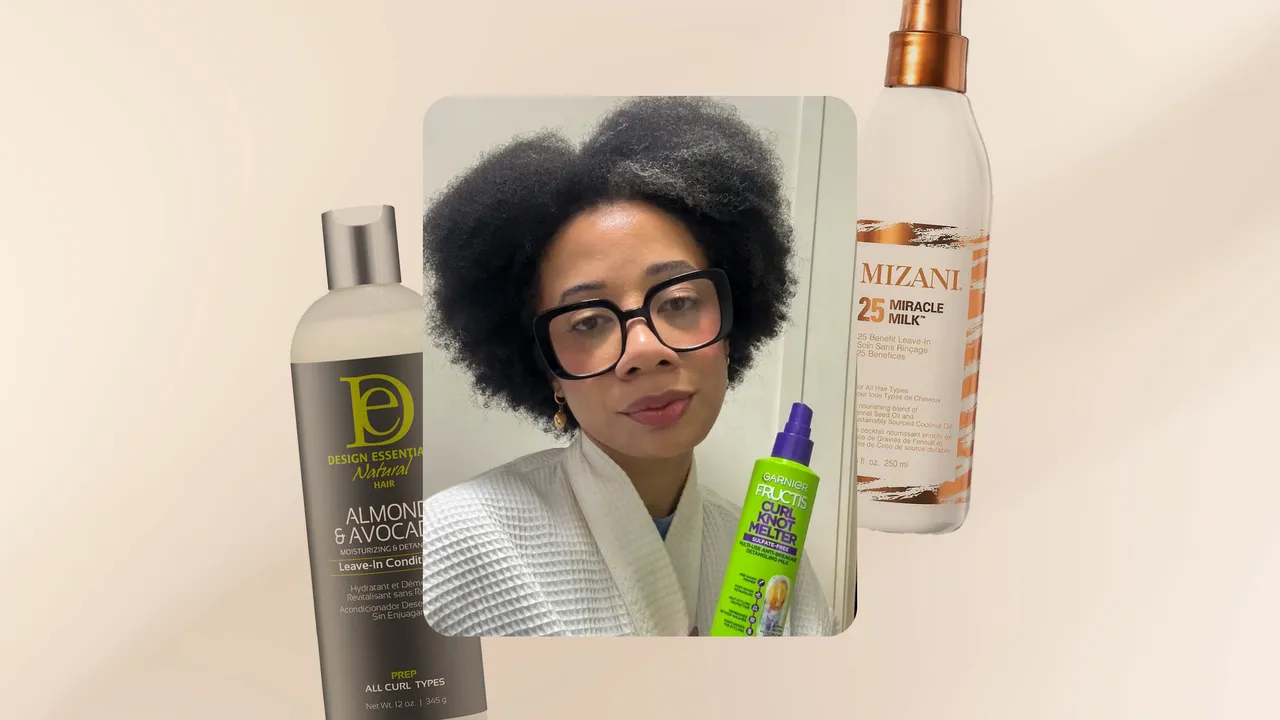
Professionals are blunt: if you want serious frizz control humidity doesn’t stand a chance against a disciplined wash routine that respects your cuticle. All three experts agree that the best way to prevent frizz is to use a gentle, sulfate-free shampoo and a hydrating conditioner. Sulfates strip natural oils, leaving the cuticle raised and thirsty; a hydrating conditioner replaces lost moisture so hair absorbs water more evenly instead of swelling in random places. For dry, frizzy curls, rich emollients like shea butter, avocado oil, and argan oil act as substitutes for scalp oils and lock down the cuticle so moisture can’t escape into the air. Tighter curl patterns need thicker, creamier conditioners for enough hydration, while finer or looser curls benefit from lightweight lotion-like formulas that give frizz control without flattening natural volume. Your shampoo and conditioner choices are your first line of professional frizz prevention.
Master Product Layering: From Soaking-Wet Hair to Sealed Ends
Anti-frizz hairstyling tips from professionals have one recurring theme: timing and layering matter as much as the products themselves. After washing, experts recommend drying hair with a microfiber towel, then applying a leave-in conditioner or smoothing cream. Rough towels lift the cuticle and create frizz; microfiber reduces friction so products can glide over smoother strands. Mui emphasized the importance of styling and applying protective products while the hair is still soaking wet, explaining that this is when hair is most receptive and it helps lock the style into place before frizz has a chance to form. Pardoe adds that you should always finish with a heat protectant before blow-drying to seal the cuticle and lock out humidity. Finally, Small advises finishing with a light serum or oil on the mid-lengths and ends to lock in moisture and create a barrier against humidity.
Smart Styling Techniques That Keep Hair Sleek in Brutal Humidity
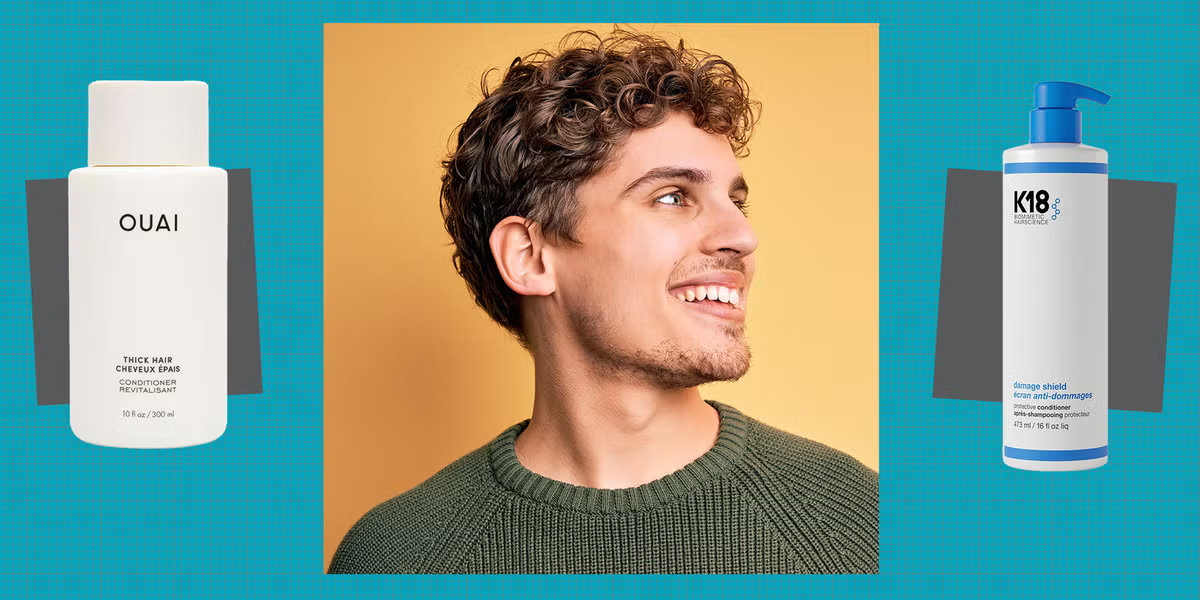
If your blow-dryer works against your cuticle, no amount of product will save your style in sticky weather. Professionals insist that frizz control humidity success relies on methodical, heat-conscious styling. Pardoe’s directive is clear: always finish with a heat protectant before blow-drying to seal the cuticle and lock out humidity. Small recommends using quality tools because consistent heat distribution helps smooth the cuticle without over-drying the hair. Over-dried strands grab moisture from the air at the first chance, lifting the cuticle and exploding into frizz. According to one expert team, the conditioners they selected held up in brutal tropical humidity and kept curls defined for days, judged on slip, ingredient quality, and how cleanly they defined curl patterns without greasy residue. Whether your hair is naturally straight or highly textured, protecting the cuticle during styling preserves sleekness instead of sacrificing it to the climate.
Treat Curly and Textured Hair Like the Humidity Magnet It Is
Curly and textured hair demand stricter, more deliberate routines because their very structure makes them more vulnerable to frizz. Curly strands are a maze of twists that block scalp oils from traveling down the hair, leaving them drier and more reactive to humidity. That is why heavy-duty hydration and structural repair are non-negotiable for professional frizz prevention on curls. For damaged or brittle hair, proteins, amino acids, or specialized bond-builders go inside the hair cortex to repair microscopic structural breaks from towel-drying, heat styling, or chlorine. Stronger internal structure means the cuticle can lie flatter, so external moisture has less chance to cause uneven swelling. The tighter your curl pattern, the thirstier your hair is, and the thicker the conditioner you need to make an impact. Humidity can make almost any hair type more reactive in summer, but curls and coils pay the highest price unless their unique needs are met.