
Oral SPF Supplements: Helpful Backup, Not a Standalone Shield
Oral SPF supplements, often called UV protection pills or sunscreen supplements, are ingestible products containing antioxidants and other compounds that may reduce some UV-induced skin damage from within, but they cannot replace topical sunscreen or proven sun-safe habits like wearing protective clothing and seeking shade.
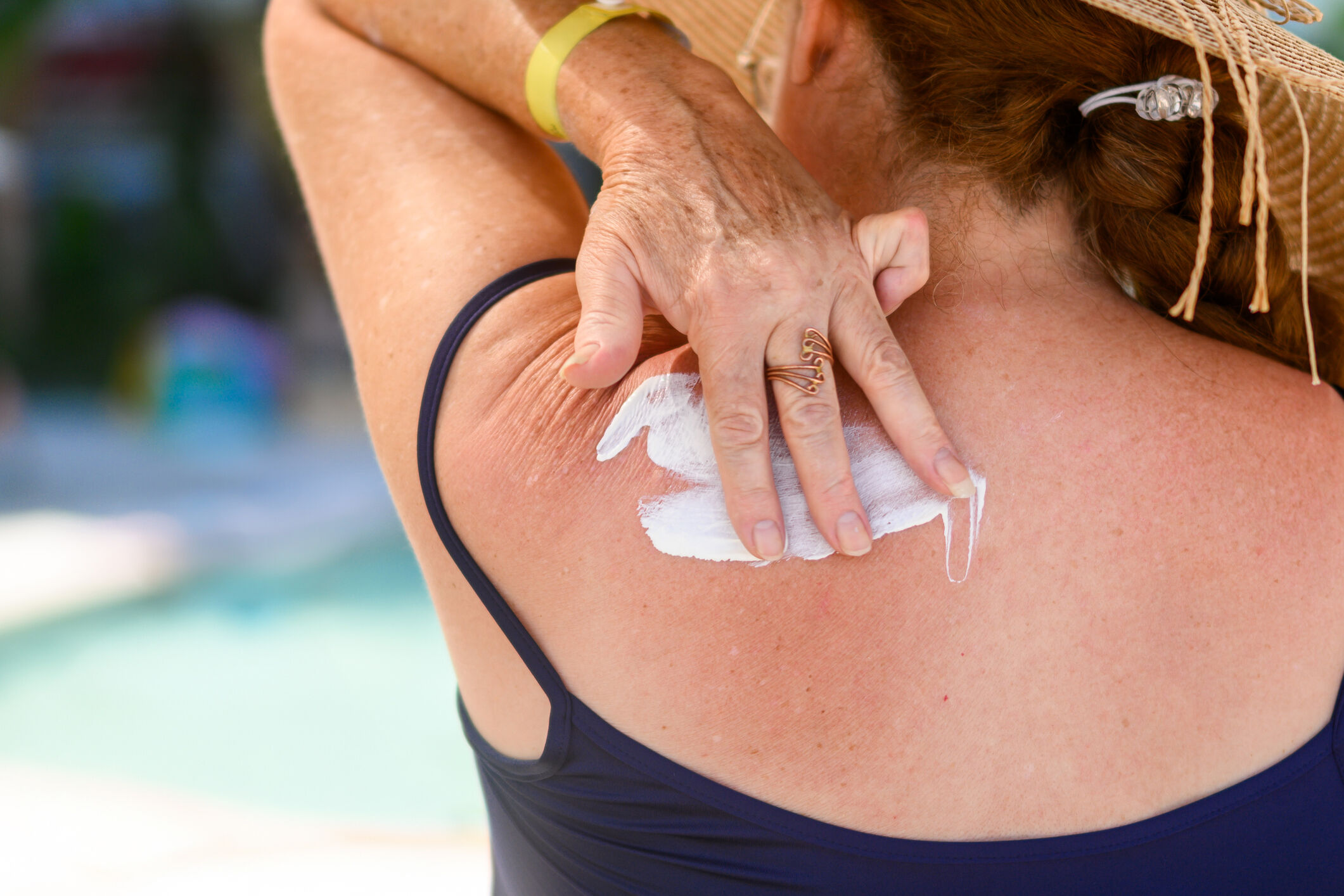
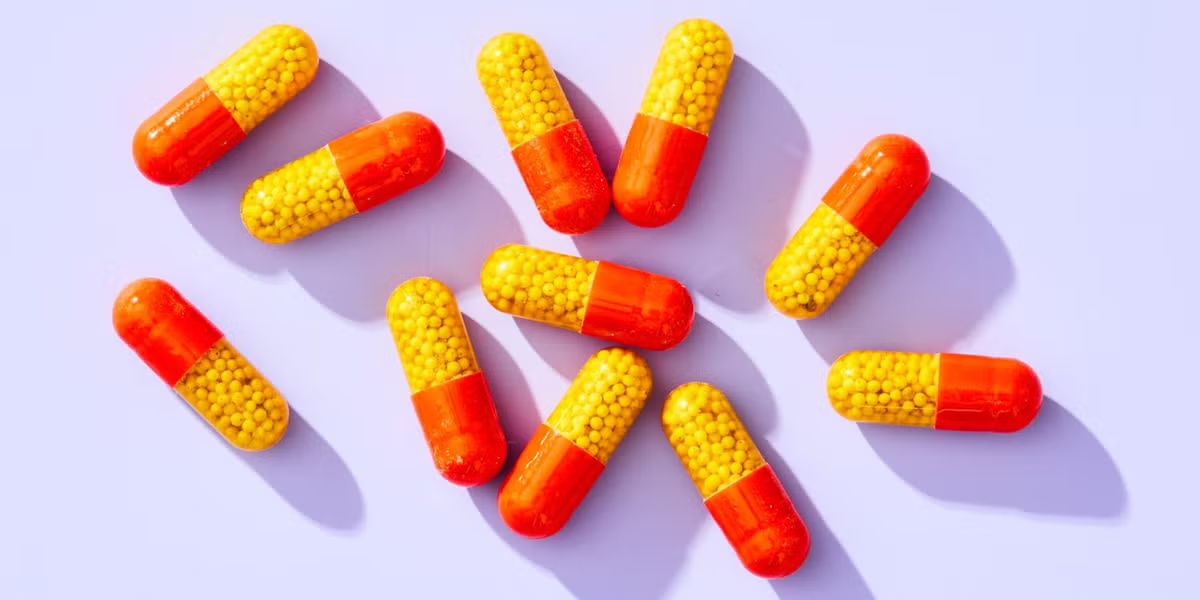
The pitch behind oral sunscreen supplements is seductive: swallow a capsule and head into the sun with less worry. That fantasy is exactly why we need to be blunt. “One of the challenges with the term ‘oral sunscreen’ is that it creates this impression that taking a capsule is somehow equivalent to applying SPF, and that’s simply not true,” says dermatologist Shereene Teymour. These products are classified as dietary supplements, not regulated sun filters, and they provide no measurable SPF on the label. If you treat them like a full-body shield, you are overestimating SPF pills effectiveness and underestimating your real UV risk.
How UV Protection Pills Work (and How They Don’t)
Unlike creams that physically or chemically block ultraviolet light at the skin’s surface, oral sunscreen supplements work indirectly. “Unlike sunscreen, which physically or chemically blocks UV radiation, [these supplements] work from within by helping to reduce the oxidative stress and inflammation caused by UV exposure,” explains dermatologist Whitney Hovenic. In simple terms, they aim to soften some of the biological fallout after UV hits your skin rather than stopping the rays from arriving in the first place.
Many UV protection pills rely on antioxidant blends. A key ingredient with the most data so far is polypodium leucotomos extract, a fern-derived compound that has been shown to reduce oxidative stress, limit free radical damage, cut UV-induced DNA damage, and support the skin’s immune response against visible inflammation. Another research-backed component is nicotinamide (vitamin B3), which supports DNA repair mechanisms and cellular energy production after UV damage. This is where sunscreen supplements work best: in the microscopic repair and resilience zone, not in outright ray-blocking.
SPF Pills Effectiveness: What the Evidence Supports—and What It Doesn’t
Dermatologists are cautiously optimistic, not starry-eyed. Shereene Teymour finds it compelling that these products “appear to be more than a mere wellness trend with purely theoretical benefits—there are human studies showing measurable effects on UV-induced skin damage.” That means SPF pills effectiveness is not zero; some trials show less redness, less molecular damage, and better skin immune responses when people take certain formulas containing polypodium leucotomos or nicotinamide.
But here is the hard line: “These products will complement, not replace traditional sun-safe behaviors,” says Whitney Hovenic. Despite promising findings, both dermatologists stress that these supplements alone cannot be your sole source of protection against ultraviolet light. Right now, there are no controlled clinical trials proving that polypodium leucotomos lowers skin cancer rates across the general population. And because they do not carry an official SPF rating and are not regulated as approved sunscreen drugs, they cannot be compared head-to-head with a broad-spectrum SPF 30+ applied in the correct amount.
Who Might Benefit—and How Dermatologists Suggest Using Them
If you already respect sunscreen basics, oral SPF supplements can be a smart add-on in specific situations. Hovenic views them as especially valuable for people with multiple past skin cancers, melasma, photosensitive conditions, a history of skin cancer, heavy outdoor exposure, or significant worries about hyperpigmentation. She recommends using them during high-exposure times such as vacations, outdoor sports seasons, or the sunniest months, always alongside topical SPF, protective clothing, and shade-seeking habits.
Practical use also matters. For nicotinamide, dermatologist Sarah Allen cites a research-backed dose of 500 mg twice daily in high‑risk individuals. For polypodium leucotomos, Hovenic usually advises taking it before significant sun exposure and continuing consistently during periods of higher UV. Still, recommended dosing varies by product, and these capsules remain optional support, not mandatory medicine. Most importantly, they do not make anyone “immune” to sun damage or free you from the daily labor of applying broad-spectrum sunscreen and covering up.
The Bottom Line: Treat Oral Sunscreen Supplements as a Bonus Layer
If marketing convinced you that a UV protection pill could stand in for your SPF 50, you were sold false comfort. The most reliable tools we have for preventing sun damage remain unglamorous: sunscreen, clothing, and shade. Oral sunscreen supplements can add a helpful inner buffer against oxidative stress and support DNA repair, but they do not provide measurable SPF, are not regulated like sunscreens, and have not yet shown population-wide cancer prevention in controlled trials.
The sensible move is to treat sunscreen supplements as you would a good antioxidant serum—worth considering, especially if you are at higher risk or outdoors for long stretches, but never a reason to skip proven protection. If a product implies you can swap your broad-spectrum lotion for a capsule, that is your cue to walk away. Your skin deserves better than a shortcut that science does not yet back.