

When ‘Cosmetic’ Skin Damage Turns Out To Be Cancer
Melanoma early detection means recognising skin cancer warning signs and using professional skin checks to diagnose malignant changes before they grow deeper, spread, and become harder to treat, often starting from subtle sun damage symptoms that many people mistake for normal ageing or cosmetic flaws.
We like to think wrinkles are a vanity issue, not a life-or-death one. Ilene Potter’s story proves the opposite. Years of sun-soaked sports left her with “fine lines, deeper wrinkles and a leathery texture” across her face and neck. She booked a cosmetic appointment to soften those lines, assuming ageing was the only price of a tan. On June 25th, 2025, she arrived at a dermatology clinic, excited to freshen her appearance. While preparing for the procedure, her dermatologist spotted a tiny pink bump on Ilene’s left temple—something most of us would dismiss as irritation or a minor blemish. That quick, skeptical glance changed everything. Trying to fix what looked like cosmetic sun damage “uncovered a far more dangerous concern”.
The Small Pink Bump That Wasn’t Harmless
Here is the hard truth: the most dangerous skin cancer warning signs rarely arrive with drama. Ilene’s dermatologist paused the cosmetic plan and said, “Let’s just biopsy it to be safe”. That decision, taken before the first aesthetic step, is the kind of caution we should start seeing as standard, not excessive. The lab result: melanoma. And not the textbook dark, obvious kind, but an amelanotic melanoma—“colorless,” lacking the pigment that makes most melanomas stand out. These can look pink, reddish, skin-coloured or nearly clear, hiding in plain sight.
Because her doctor refused to ignore a subtle change, Ilene’s melanoma was caught “in the early stages”. Melanoma always changes with time, often developing irregular borders, varied shades and growing larger than other moles. Waiting to see obvious drama on your skin is a gamble. The lesson is blunt: if a trained eye wants to biopsy a spot, let them. Ironically, vanity may have brought Ilene into the office, but it ultimately saved her life.
Melanoma Is Rising Fast—And Screening Has To Catch Up
Stories like Ilene’s are not rare side notes to an otherwise stable disease landscape; they sit in the middle of a growing problem. Melanoma is now the fifth-most-common cancer, and its incidence has risen by 164 per cent since the early Nineties. New research suggests there are now more than 20,000 new cases diagnosed each year. You cannot look at those numbers and keep treating skin checks as optional. The more we screen, the more very thin or “in situ” melanomas specialists are seeing in clinic—borderline lesions that, when removed early, may never have the chance to become catastrophic.
In the last five years, increased public awareness has driven a “dramatic rise in the number of people coming forward for screening”. That is good news, but it also exposes how unprepared old systems are when thousands suddenly seek professional skin checks. One dermatologist expects artificial intelligence to play “a big part in how we will screen and diagnose skin cancers” and believes “we’ll get to a stage where AI could be responsible for screening and diagnosing most skin cancers”. Technology might help triage the flood of suspicious moles so specialists can focus on advanced cases and surgery, “improving the skin cancer diagnostic and treatment outlook”.
Sun Damage Symptoms: Your Skin’s Early Alarm System
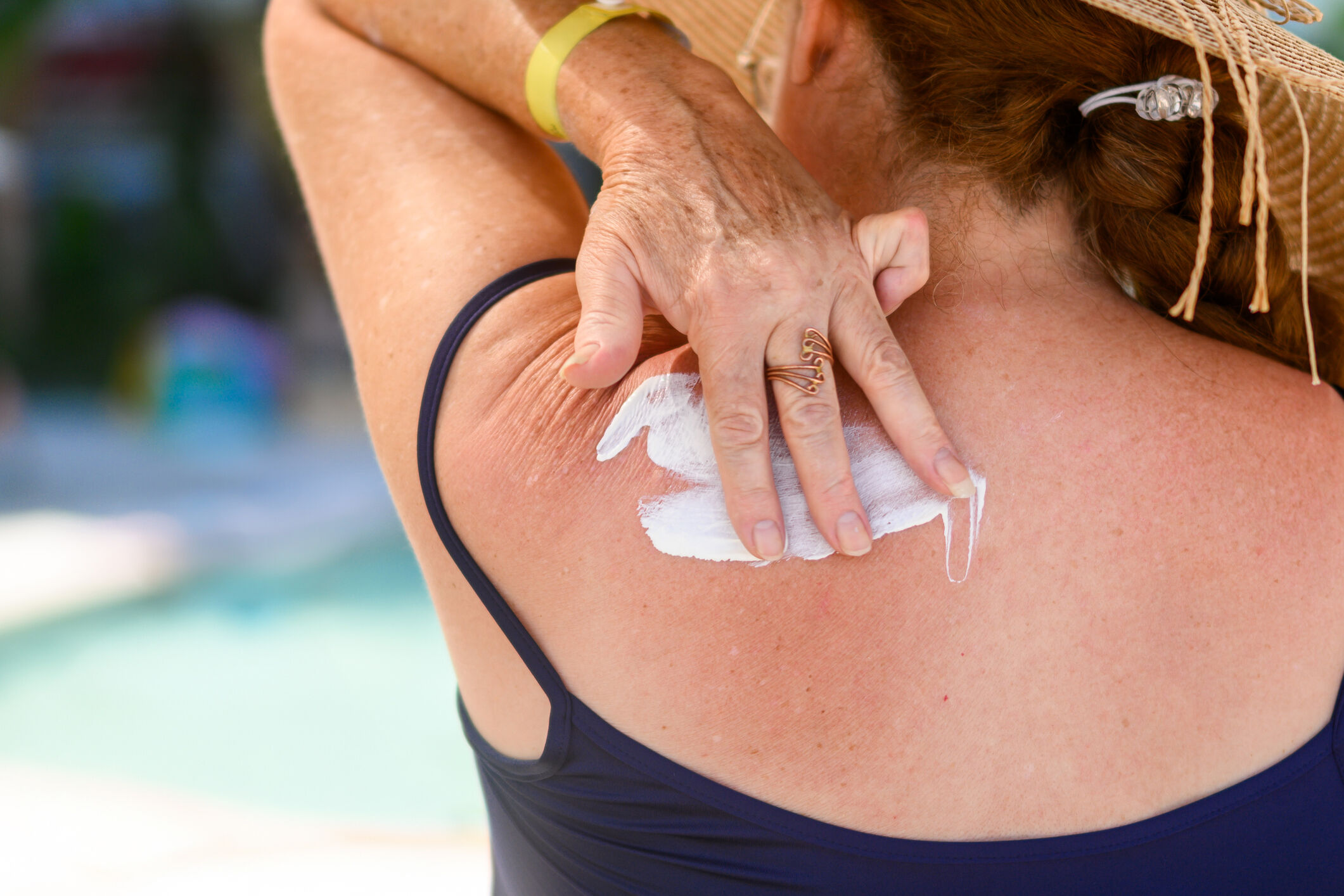
We need to stop treating sun damage symptoms as a purely cosmetic nuisance. The “fine lines, deeper wrinkles and leathery texture” carved into Ilene’s skin were the long-term result of ultraviolet radiation damaging collagen, elastin and DNA in her skin cells. That same cumulative exposure is “registered in your skin for life,” and from about 45 to 50, people often notice new lesions appearing on the backs of their hands, tops of their ears, noses or scalps. These changes are warning flares, not background noise.
That does not mean fearing the sun or hiding indoors. One dermatologist argues that wanting to bask in sunlight is human nature and that the answer is to “learn to live with the sun and know our skin phototype,” then protect it accordingly. Their practical advice: use sunscreen if you will be in the sun for more than 15–20 minutes in spring and summer, such as a long walk, bike ride or park time with children; for a normal commuting day to the office, extra sunscreen is not needed. Overdoing daily high-factor products on top of layered serums and creams can backfire, leading to rashes, clogged pores, acne and rosacea. Protection should be thoughtful, not obsessive.
From Daily Habits To Lifesaving Professional Skin Checks
Melanoma early detection depends on pairing your own vigilance with expert eyes. At home, that means watching for new or changing moles; taking a photo and tracking size, borders and colour over time can help, because melanoma “always changes with time with irregular borders and different shades of colours” and is usually larger than your other moles. If something evolves, the next step is not panic—it is booking an examination. “Make sure that, if you notice any changes, you are seen by a doctor, but do not panic”.
Ilene’s life after diagnosis looks very different. Now, when she steps outside, she relies on sun-protective clothing, a wide-brimmed hat, sunglasses, daily sunscreen and “regular visits to a dermatologist”. Those visits are no longer framed as indulgent cosmetic appointments but as routine health care. Her story proves that personal awareness and professional skin checks are not competing priorities—they are the same strategy at two levels. Sometimes, “in the pursuit of beauty, you stumble upon something even more important: health”. Our skin “tells stories,” and when we listen early enough, those stories can end in survival, not regret.