
Active Noise Cancellation Explained in Plain Language
Active Noise Cancellation (ANC) is an audio technology designed to reduce unwanted ambient sounds before they reach your ears, using microphones and signal processing to generate anti-noise waves that partially cancel the incoming sound rather than relying only on physical isolation. That sounds clever, but it is not magic. With active noise cancellation, your earbuds or headphones are equipped with a small onboard computer that uses an algorithm to cancel out noise by listening through tiny microphones. The computer then creates anti-noise, an out-of-phase version of the external sound that can physically cancel parts of the ambient noise before it hits your eardrums. In other words, noise cancelling technology is a smart filter layered on top of passive isolation, not a force field that guarantees silence in every situation.
ANC vs Passive Noise: Why Your Fit Matters More Than the Marketing
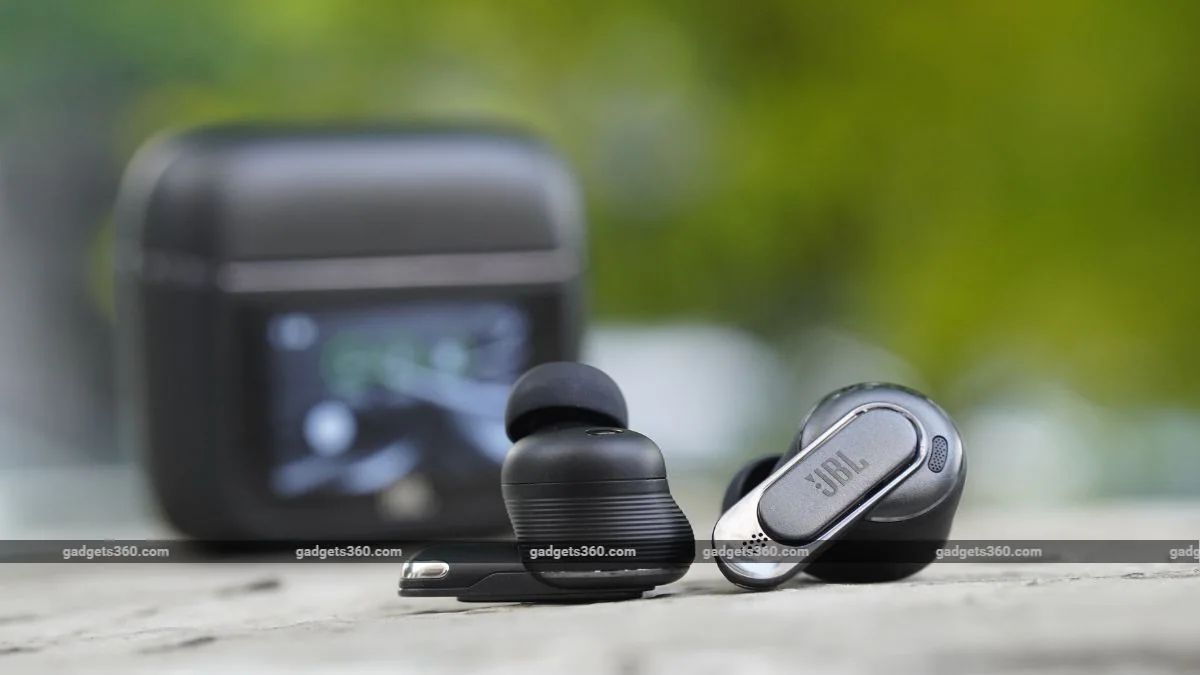
Here is the uncomfortable truth about commuter headphones ANC: if the earbud fit is poor, fancy algorithms cannot save you. Whereas passive noise cancellation physically blocks sound with earcups, pads, and silicone tips, ANC actually does cancel it by generating anti-noise. Because the microphones and processor work on a delay and struggle with complex sound patterns, passive isolation is the first line of defense for ANC headphones. The more noise your tips and earcups block, the less work the ANC system needs to do, and the cleaner the result. This is why even the best noise-canceling earbuds cannot match over-ear headphones that cover your ears entirely. If you buy budget ANC earbuds, treat the ANC vs passive noise story as a partnership: get a secure seal first, then decide whether the active layer is good enough for your commute.
Do Budget ANC Earbuds Work on the Commute?
Budget ANC earbuds work, but only if you judge them by the right yardstick. Affordable earbuds in the Rs. 2,000 to Rs. 3,000 segment offer ANC that can reduce background noise, especially simple low-frequency sounds such as office air conditioners, metro trains, buses, coffee shop hum, or a ceiling fan. In these predictable conditions, you will almost certainly notice a difference once ANC is enabled. That makes them useful commuter headphones ANC for many people who want fewer distractions, not silence. However, budget ANC earbuds work much less convincingly on human voices, windy streets, crying babies, or sudden construction noise, because those inconstant frequencies confuse the microphones and reduce effectiveness. Premium earbuds and over-ear models still command higher prices because they handle these messy situations better and get closer to that “near-silent” experience budget models cannot reach.
The Hidden Cost of ANC: Audio and Battery Trade-Offs
Noise cancelling technology is not free; you pay in battery life and sometimes in sound quality. When ANC is enabled, microphones and the audio processor are constantly working in the background to cut out ambient noise, which leads to reduced battery life compared to standard listening mode. On many budget models, that hit is noticeable because their entry-level chips and average-sized drivers are already working near their limits. Toggling ANC can alter the audio tuning, suppress bass, and make familiar tracks sound flatter than in passive mode. Premium headphones throw more microphones and stronger processors at the problem, which helps them cancel noise more effectively and keep sound quality more consistent. If you value long, uninterrupted listening sessions or rich, unaltered audio, you should see ANC as a trade, not a free upgrade, and weigh whether the extra isolation is worth the compromises on a lower-cost pair.
When Budget ANC Is Enough—and When to Go Premium
You should think of ANC as a spectrum rather than a binary feature. If your goal is to reduce daily distractions while working, studying, or listening to music on routine metro and bus rides, budget ANC earbuds work well enough to improve your experience and help you avoid cranking the volume up to unhealthy levels. They shine on steady low-frequency noise, where “good enough” cancellation is surprisingly satisfying. If you commute longer, fly often, or are sensitive to office chatter and variable sounds, then premium ANC headphones or flagship earbuds earn their price by narrowing the gap between chaos and calm and delivering a near-silent sound bubble. For most first-time buyers, budget ANC is a smart starting point; you feel the benefit without overspending. But once you know how much that quiet matters to you, upgrading to stronger ANC becomes less about hype and more about comfort you use every day.