
Physical vs Digital Pricing: The Gap That Changes Everything
The main topic is the growing price gap between physical game discs and digital downloads, where retail copies are often dramatically cheaper than online storefront versions, and how this gap will reshape what players pay once manufacturers stop producing discs and remove physical competition from the market.
Physical games are cheaper today not by luck but by design: retailers compete with each other, while platform storefronts do not. A detailed pricewatch of 16 PlayStation 5 titles shows that, on any given day, the average retail price is usually lower than the PlayStation Store price. The pattern is clear in specific game price comparison examples: discs routinely undercut digital by 40–75%, with extreme cases approaching 90%. In one sale, Lost Soul Aside on disc cost USD 9.99 (approx. ₱560), while the digital sale price was USD 39.59 (approx. ₱2,220) at the same time. When you remove the disc, you remove the cheaper option—and that is exactly what is about to happen.

How Retail Competition Keeps PlayStation Disc Prices in Check
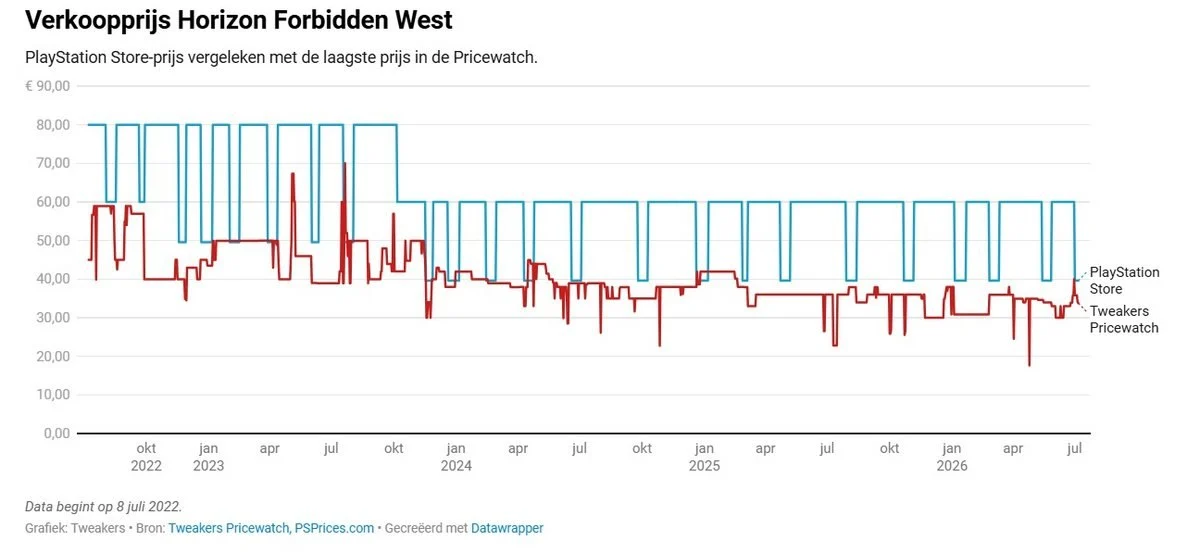
Right now, retail stores are the only real counterweight to platform owners in the digital vs physical pricing battle. Pricewatch data tracking PlayStation disc prices since July 8 shows that retail prices for PS5 games tend to fall steadily over time, while the PlayStation Store often keeps titles at their original launch price for years when they are not on sale. That means physical prices drift down naturally; digital prices only move when the platform decides to run a promotion.
According to the report, “on any given day you are statistically much more likely to find a game cheaper at retail than at the PlayStation Store.” First-party exclusives highlight the imbalance: among the surveyed titles, only Horizon Forbidden West permanently dropped from €80 to €60, while other first-party games snap back to full price whenever a digital sale ends. Meanwhile, retailers mark down stock to clear shelves and avoid losses, which is why physical games cheaper than their digital counterparts is the norm, not the exception. Remove that competition and the pricing pressure disappears.
Sony’s All-Digital Shift: Why It Happens Now
Sony has announced it will end manufacturing of physical PlayStation discs beginning January 2028, with all new PlayStation game releases becoming digital-only from that point. The company calls this a “natural evolution,” pointing to the fact that by Q4 FY2025 roughly 85% of full-game sales on its consoles were already digital. On paper, the move follows where the majority of buyers have gone.
But calling it natural hides the financial motive: ending discs gives Sony greater control and a bigger cut of each sale, because it no longer shares margin with retailers or faces their discounting. The current structure already shows how one-sided that control can be; first-party games rarely see permanent digital price reductions, and even older titles can remain at launch price unless a sale is running. In other words, the all-digital future is less about convenience and more about consolidating pricing power in a single storefront.
What Happens to Prices When Discs Disappear
Once PlayStation disc production ends, the pricing rules change in ways that will not favor players. Today, documented examples show physical discs routinely coming in 40–75% cheaper than digital versions, with rare cases reaching up to 90% difference. The Lost Soul Aside example—USD 9.99 (approx. ₱560) on disc vs USD 39.59 (approx. ₱2,220) digitally in the same sale—makes that gap impossible to ignore. When discs are no longer made, those kinds of deals disappear with them.
Experts warn that price-sensitive customers will be the biggest losers, along with retailers who rely on game sales. If buyers are forced into first-party digital storefronts, they will on average pay more than they would with retail or second-hand markets available. The used-game safety valve—trading in old discs to afford new ones—dies with the disc. Code-in-box vouchers may survive, but they are still tied to platform-controlled digital prices, not independent inventory costs, so they cannot recreate the deep permanent discounts discs enjoy today.
How Gamers Can Prepare for a Higher-Price Digital Future
The coming years are a countdown: physical games cheaper than digital is a temporary advantage, and January 2028 is the expiry date. If you care about value, treat discs as a finite resource. Stack up key titles while retail competition still carves 40–75% off digital prices and occasional deals get near 90% differences. Use the remaining life of the second-hand market to offset costs, because that option will not exist for future digital-only releases.
Looking ahead, expect digital storefronts to keep launch prices higher for longer, with savings locked behind limited-time sales rather than permanent drops. Retail will not vanish entirely, but with discs gone, its ability to undercut platform pricing will shrink dramatically. If you are concerned about paying too much, this shift deserves close attention. The bottom line: when discs disappear, you are not just losing plastic—you are losing your strongest bargaining chip against rising game prices.