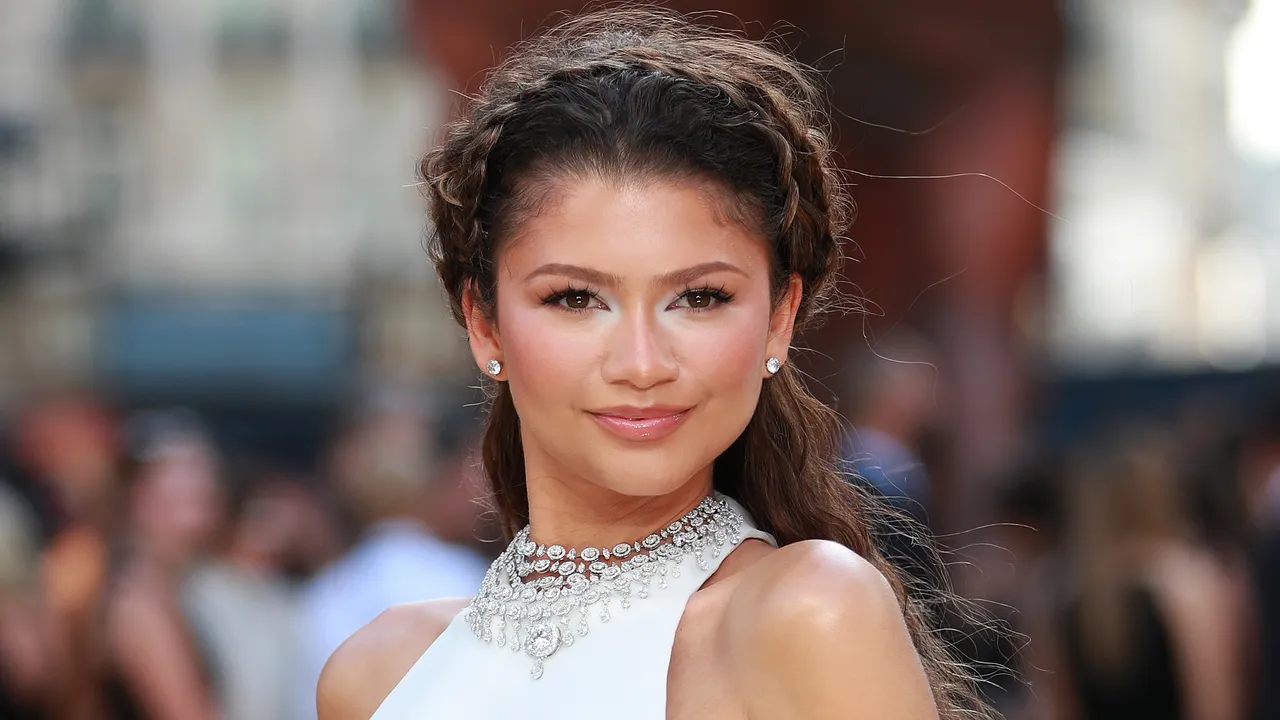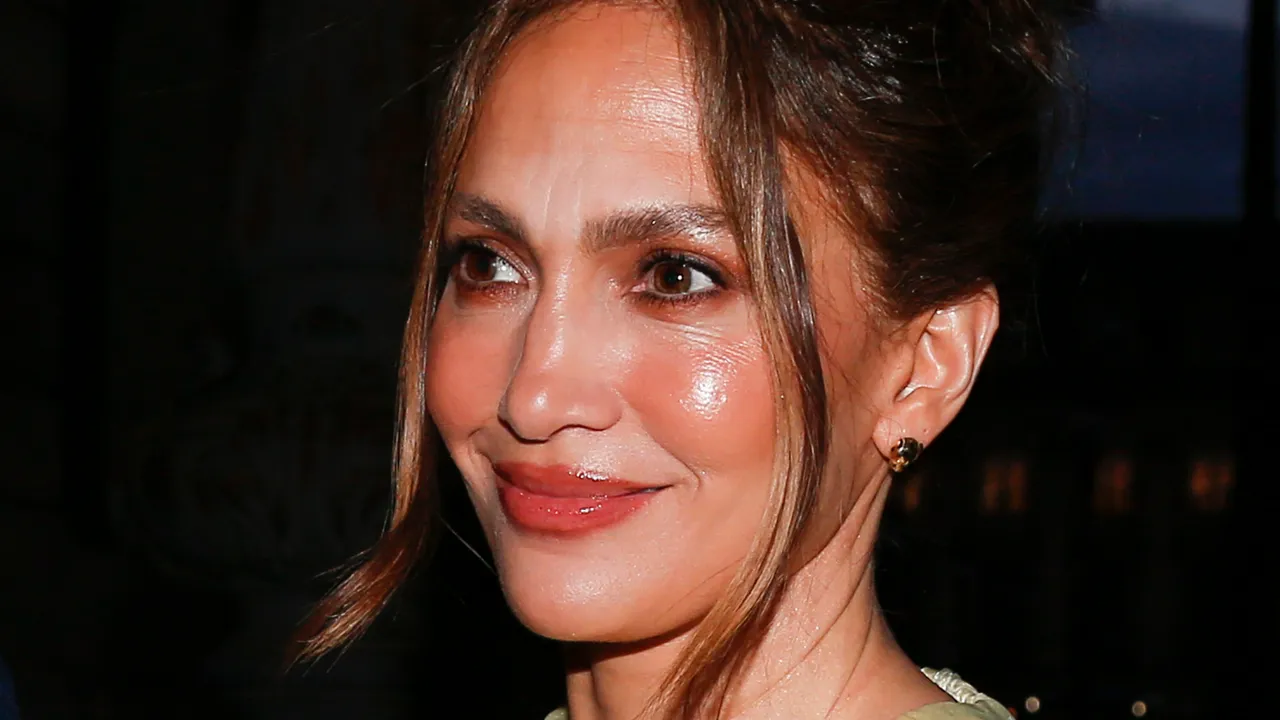

Why Monochromatic Makeup Is the Smartest Red Carpet Shortcut
A monochromatic makeup look is a technique where you use the same color family across lips, cheeks, and eyes to create a unified, harmonious, and luminous result that feels modern, polished, and flattering in real life and on camera. Done well, it is less about looking “done” and more about looking expensive: seamless tones, subtle dimension, and a hydrated glow that suggests good skin and good taste. This is the quiet luxury of makeup. Instead of battling with clashing shades, you commit to one tone and let it carry the whole face. It is no coincidence that artists are now matching lips, cheeks, and eyes using the same blush shade for that soft “pink kiss” effect on the skin—it’s efficient, elegant, and looks like you were born with great color, not painted into it.
Choosing Your Color Family: Proof It Works From 30 to 60 and Beyond
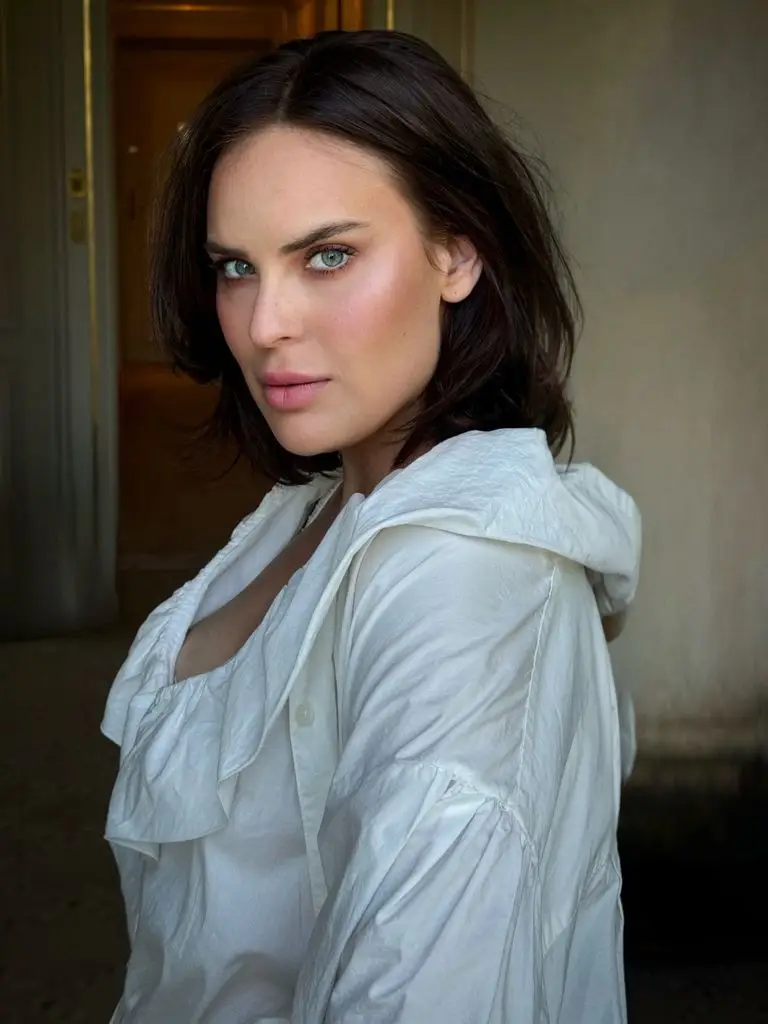
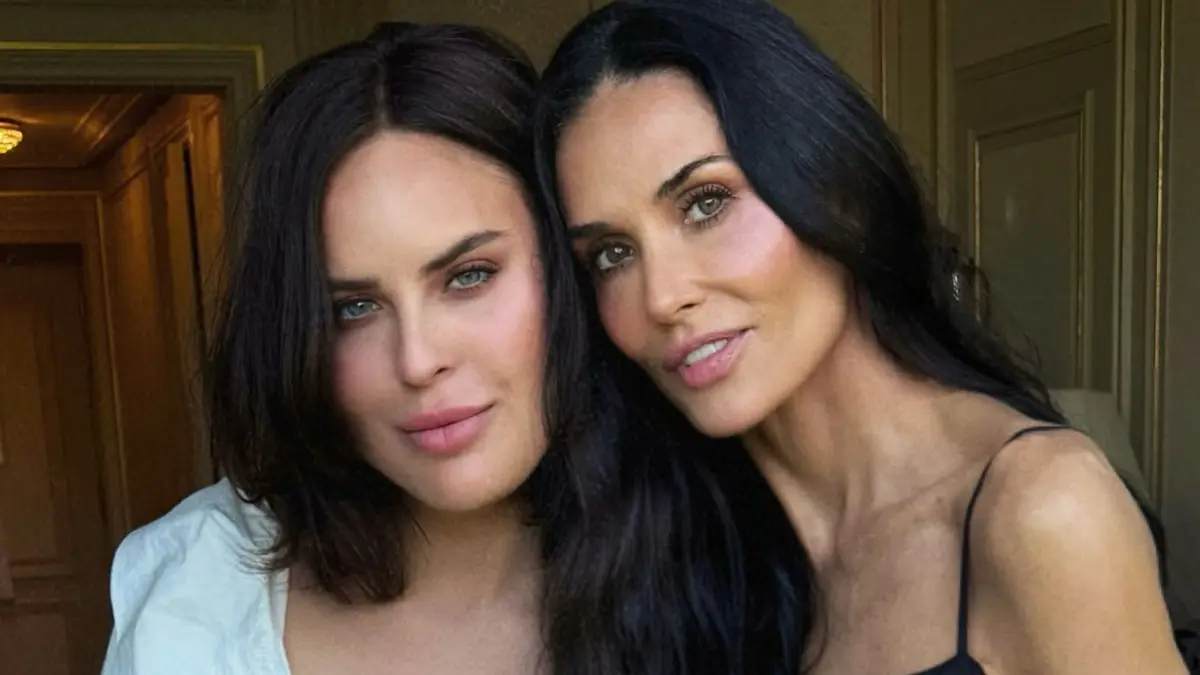
The monochromatic trend is not reserved for one age bracket; it is proof that smart color choices beat heavy technique. When a makeup artist uses the same rosy blush shade on lips and eyes, the look reads as a natural flush, and it has already been shown to work on a mother–daughter duo with a 30-year age gap. That is the power of picking the right color family instead of chasing whatever is viral. For fair to medium skin, pink and peach tones give that believable, soft-focus warmth. Deeper complexions look striking in berry, brick, and rich terracotta. The rule of thumb: choose a tone that your skin might plausibly flush to, then dial up or down the intensity. When the color feels like it belongs to your face, matching lips, cheeks, and eyes looks intentional, not gimmicky.

Layering Lips, Cheeks, and Eyes: How to Build Dimension Without Breaking Harmony
The fear with monochromatic makeup is that you’ll look flat, but that happens only when you slap on a single layer and stop. The smarter approach is to treat one shade like a theme and build nuance with placement and texture. Using the same blush tone on eyes and lips already creates a soft, blurred effect that mimics a sun-touched flush on the skin, but you earn depth by varying how concentrated it is. Think of cheeks as the color anchor, eyes as the whisper, and lips as the statement. On the cheeks, go for a diffused wash; on the eyes, a sheer halo around the socket; on the lips, either a cushiony full application or a blurred stain. You’re not changing color, you’re changing intensity—and that is what stops the look from feeling monotone while keeping the harmony that makes monochromatic makeup so compelling.
Dewy Skin: The Secret Sauce Behind Modern Monochrome
Monochrome without glow can read harsh; monochrome with dew feels expensive. Hydrated, light-catching skin turns matching tones into a soft-focus filter. Ingredients like hyaluronic acid, which helps bring in and hold onto moisture in the skin, are the quiet heroes behind this effect. When an artist preps the skin with a treatment product and then uses a lip-and-cheek glow formula infused with hyaluronic acid in pinky and rosy shades, the result is not glossy-for-Instagram; it is supple and believable, like you’ve been drinking water and minding your skincare. This dewy makeup trend earns its place on red carpets because shine is controlled: radiance on the high points, satin elsewhere. The takeaway is blunt: if you want monochromatic color to look fresh rather than flat, you must respect skin prep as much as pigment choice.
Less Is More: Editing Your Routine for Maximum Impact
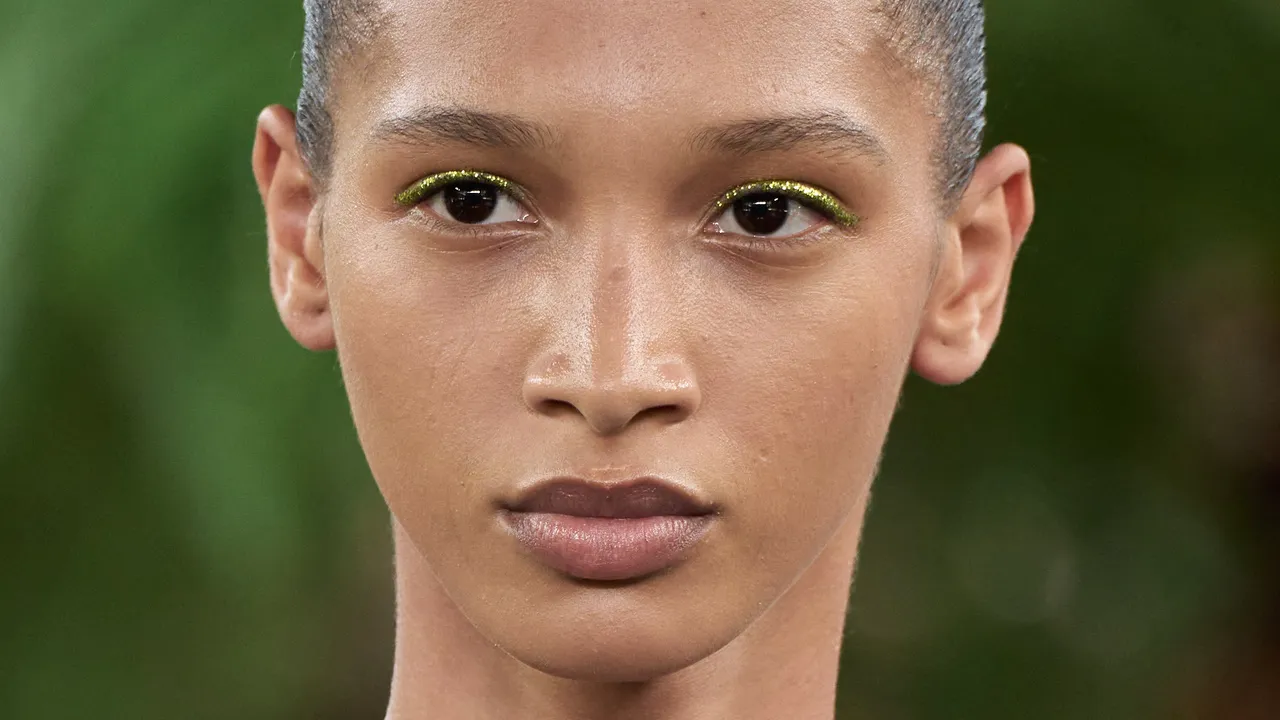
Monochromatic makeup exists to simplify, not complicate. It aligns with the philosophy that less can be more as you refine your beauty routine over time. Instead of juggling five different palettes, you commit to one tone and let it pull the look together. A single lip-and-cheek product plus a skin hydrator with moisture-binding ingredients like hyaluronic acid can carry most of the work, while a sweep of colorful eye shadow and mascara adds polish without turning your face into a battlefield of trends. The point is not to abandon play; it is to decide where you want impact and cut the noise everywhere else. Matching lips, cheeks, and eyes gives you that high-impact, coordinated finish with fewer decisions and fewer products—and that is the kind of beauty minimalism that feels luxurious instead of sparse.