
UPF Running Apparel: The New Starting Point for Runner Sun Safety
UPF running apparel is sun protection clothing for runners made from UV-filtering fabrics that carry a rated ultraviolet protection factor and are designed to block a high percentage of harmful rays during outdoor activity while remaining breathable and comfortable enough for long runs in warm conditions. The key takeaway is blunt: sunscreen alone is no longer enough for many endurance athletes. Runners spend extended time in direct and indirect sunlight, which increases their risk of skin damage, skin cancer, and premature aging simply because of the hours they log outdoors. A lotion that can sweat off, wear off, or be applied unevenly is a shaky foundation for that kind of exposure. UPF 50+ gear outdoor provides a more reliable base layer of protection, and sunscreen is becoming the backup rather than the star. That shift is not cosmetic; it is a philosophical change in how runners think about sun risk.

UPF vs SPF: Why Clothing Beats the Clock
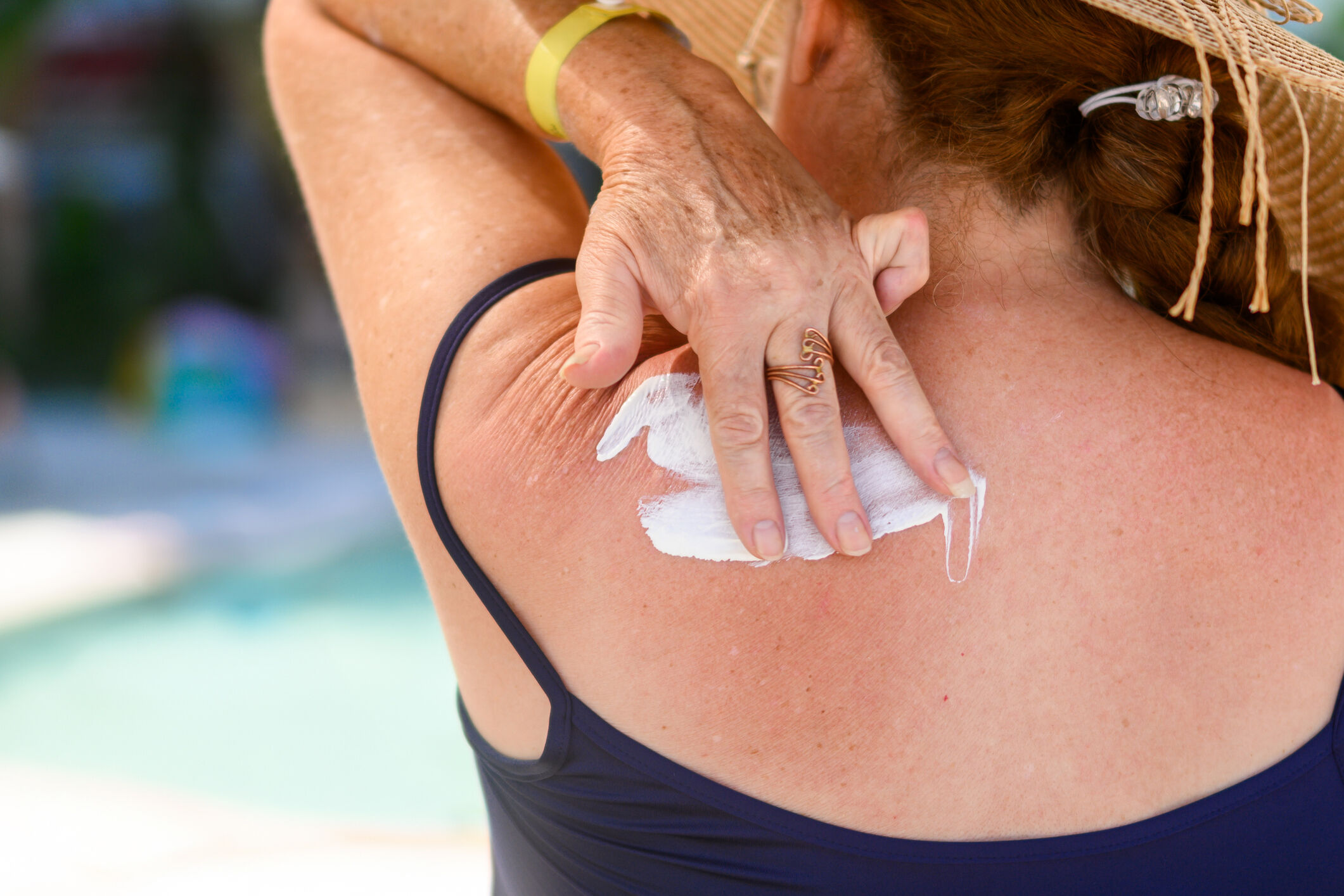
If you still treat sunscreen as your main defense, you are trusting a product that is literally timed. SPF is built around how long it takes for sun-exposed skin to turn red and burn, while UPF measures how much UV radiation can pass through clothing and reach your skin. A UPF 50+ shirt can block up to 98 percent of rays, and you do not risk sweating it off, missing spots, or needing constant reapplication during a long run. A lightweight shirt or hoodie with built-in UV protection means runners can worry less about reapplying sunscreen mid-workout. In practical terms, that continuous protection is a bigger win than the highest SPF label on a bottle. For endurance athletes, the most-confused concept is thinking SPF and UPF are interchangeable; they are not. One fights the clock on bare skin, the other turns fabric into a shield.
Layering Strategy: Clothing First, Sunscreen Second
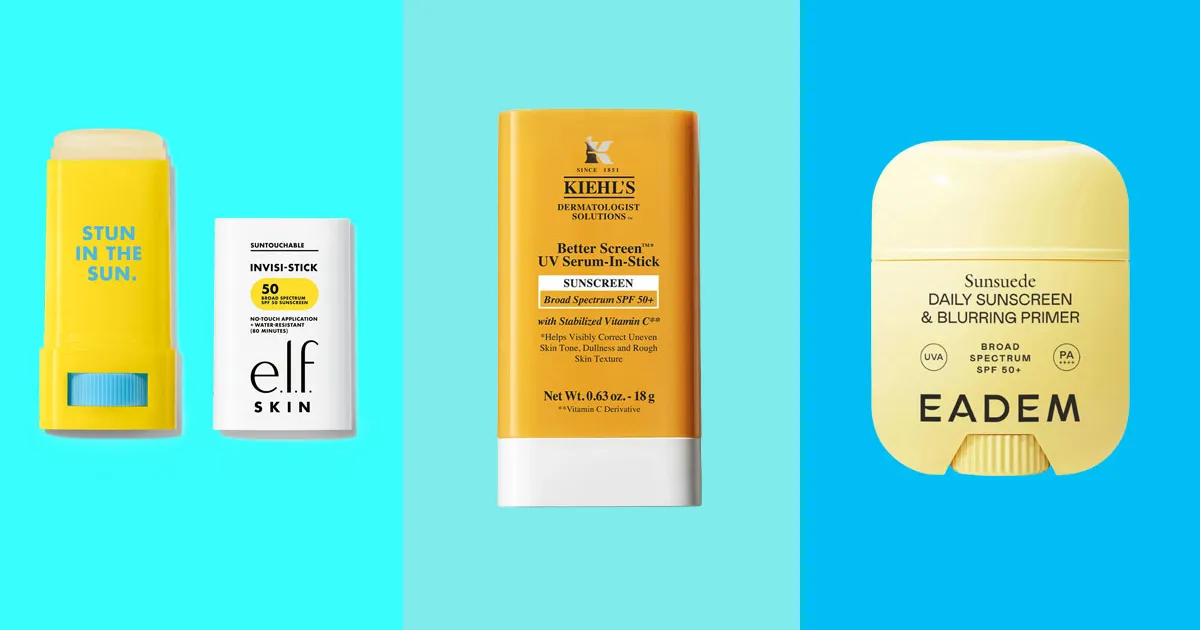
Dermatologists are clear: clothing should be the best line of defense, but sunscreen still matters. One sun-care expert and marathon runner wears both high-SPF sunscreen and long-sleeve sun-protective clothing year-round, even in warm weather, because unprotected sun exposure is the leading cause of skin cancer and skin aging. This is the new runner sun safety playbook. Good sun-protective gear needs a UPF factor of at least 40, preferably 50+, along with broad coverage and fabric that effectively filters ultraviolet rays, while remaining breathable and a good value. Then the sunscreen comes in to cover everything the fabric does not reach: face, neck, hands, legs. Treat UPF running apparel as non‑negotiable, and SPF as your precision tool for exposed skin. That layered approach is not overkill; it is the minimum for athletes spending hours outside.
Comfort Myths: Long Sleeves Can Help You Stay Cooler
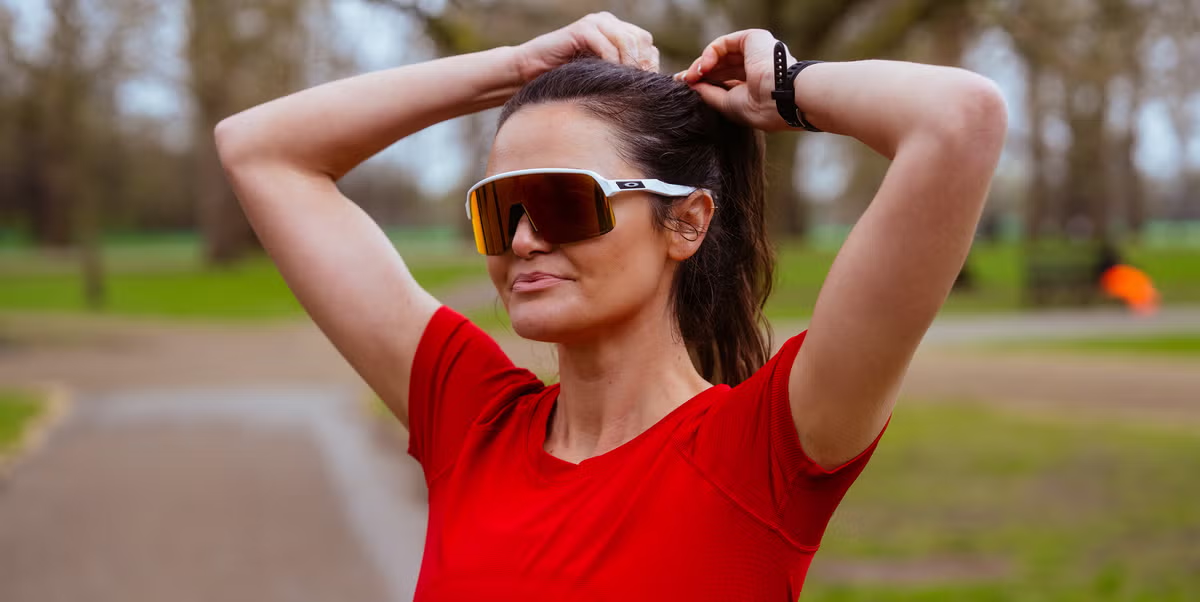
Many runners still flinch at the idea of long sleeves in summer, clinging to the myth that more fabric equals more heat. Modern UPF running apparel proves the opposite. UPF tops are designed with breathable, moisture-wicking fabrics that help keep you cool and dry on long runs, while hoods and sleeves provide extra coverage when the sun is strongest. Good sun-protective gear must be comfortable and breathable, not suffocating, or it will never be worn. Loose-fitting long sleeves can feel cooler than a damp cotton singlet because they allow airflow and are not stretched thin enough to let sunlight filter through. For runners, this is the uncomfortable truth: baring more skin in high sun does not equal better performance; it often means more heat stress and more damage. Smart sun protection clothing for runners aims to protect and regulate, not to weigh you down.
What Runners Should Demand From Their UPF 50+ Gear Outdoor
If you are going to reframe your sun strategy around clothing, your standards should be high. Good UPF running apparel needs at least UPF 40, ideally UPF 50+, ample skin coverage, and fabric that filters UV effectively. Synthetic materials with tighter weaves, such as nylon blends, tend to be more protective than basic cotton, which offers around SPF 7 and even less when wet. Dark or bright colours absorb or reflect rays better than thin, light fabrics that let more UV penetrate. For runners, that means prioritising long sleeves, higher necklines, and hoods or caps when you choose UPF 50+ gear outdoor, then using sunscreen for remaining exposed areas. Brands are adding more sun protection to workout gear so athletes can better safeguard their bodies from skin cancer. The message is blunt: if your kit is not helping defend your skin, it is failing you.