

The Counterintuitive Truth: Overwashing Makes Oily Skin Worse
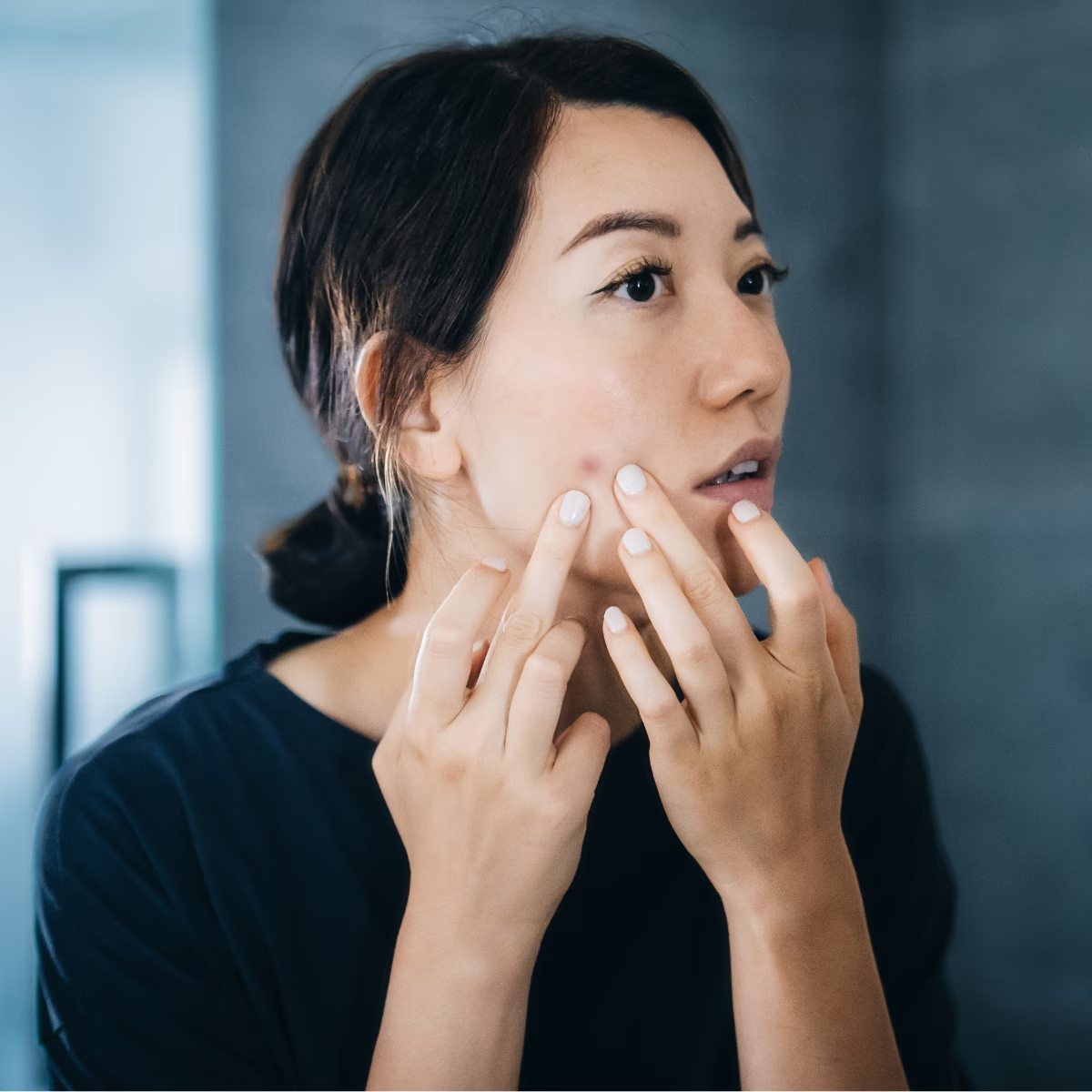
Overwashing the face is the habit of cleansing with products more times than the skin can comfortably tolerate in a day, often three or four washes or repeated scrubbing after every episode of sweat, and this excessive cleansing strips natural oils, disrupts the oily skin barrier, and paradoxically leads to more oiliness, irritation, and breakouts rather than a healthier, clearer complexion. The obsession with a squeaky-clean feel is driving a quiet epidemic of overwashing face damage, especially among people with oily or acne-prone skin. It seems logical to combat grease with more cleansing, but that logic fails the biology test. The skin’s protective barrier depends on a delicate balance of natural oils and surface bacteria to function properly, and over-cleansing breaks that balance. When you keep attacking oil, your skin fights back—and it usually wins.
Why Scrubbing Away Sweat and Shine Backfires
Humid, sweaty weather is when overwashing habits explode: people reach for foaming cleansers again and again, chasing a tight, matte finish. Yet washing the face more than twice a day, particularly with foaming or sulphate-based cleansers, strips the barrier faster than it can replenish itself. According to cosmetic dermatologist Dr Rinky Kapoor, co-founder and director of The Esthetic Clinics, the oil glands try to compensate for the loss of natural oils by producing even more oil. You end up in a loop where the more you cleanse, the greasier you become. Excess sweat by itself is not the villain; the problem is when sweat sits on the skin and mixes with sebum, sunscreen, makeup and environmental debris, which can clog pores and irritate sensitive skin. Scrubbing harder feels satisfying in the moment but quietly dismantles your oily skin barrier and sets up future breakouts.

Barrier Damage: The Hidden Cost of Over-Cleansing
The real danger of overwashing isn’t the temporary dryness; it’s long-term barrier damage. Overwashed skin becomes more reactive, prone to redness, tightness and increased sensitivity to active ingredients that were previously well tolerated. When you strip the skin by over-cleansing or skip moisturiser altogether, you can compromise the barrier and make the skin more reactive. That damaged moisture barrier is a perfect storm for oily but sensitive skin: oil glands pump harder to compensate, acne often flares because the skin becomes oilier and pores are more easily congested, and the surface stings at products it once handled well. For those with sensitive skin, excess sweat can wreak havoc when combined with this weakened barrier, clogging pores and causing frequent breakouts. In trying to punish oiliness, you sabotage your skin’s natural defences and lock yourself into chronic irritation.
Dermatologist-Approved Cleansing: Less Often, More Gentle
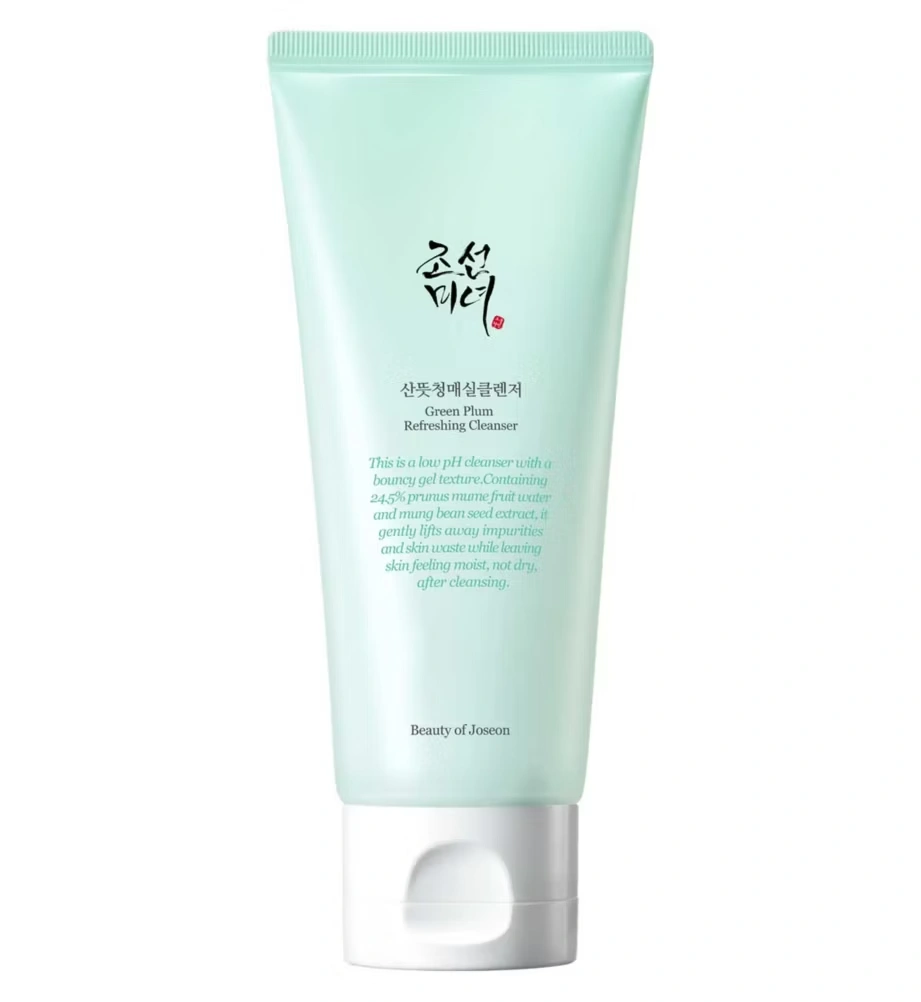
Dermatologists are clear on how often to wash face without triggering overwashing face damage: cleanse your face twice a day using a gentle, pH-balanced and sulphate-free cleanser. Avoid washing your face three or four times a day, because repeated cleansing may disrupt the skin barrier. After sweating heavily, rinse with plain water instead of reaching for a cleanser each time, or use micellar water for a quick refresh after prolonged exposure to humid weather. One of the biggest mistakes in hot, sweaty weather is abandoning moisturiser and sunscreen out of fear of more oil or breakouts. Experts recommend a lightweight, non-comedogenic moisturiser to maintain a healthy barrier and daily non-comedogenic sunscreen to protect from UV while keeping pores clear. Instead, focus on supporting your skin barrier with a simple, consistent routine, gentle cleansing, lightweight hydration, and daily sunscreen.
When Your Skin Feels Squeaky Clean, That’s a Red Flag
If your face feels tight, squeaky and oil-free after washing, you haven’t won—you’ve overdone it. A face that feels squeaky clean immediately after washing is usually a sign that the cleanser has removed more than surface oil and sweat; it has disrupted the lipid layer that keeps moisture in and irritants out. Overwashed skin also becomes more reactive, which means active ingredients that used to help, including many acne treatments, can start to sting or inflame. In people with acne, that inflammation can worsen congestion and flare-ups; in eczema, a compromised barrier plus sweat can trigger itching and irritation. Heat, humidity and oiliness tempt you to cleanse more, scrub harder or stack acne products, but that approach is unsafe for the barrier and short-sighted for skin health. Respect the oily skin barrier instead of waging war on it: wash less often, treat sweat strategically, and let your skin keep some of its own protective oils.