

Summer acne isn’t random—your skin is reacting to the weather
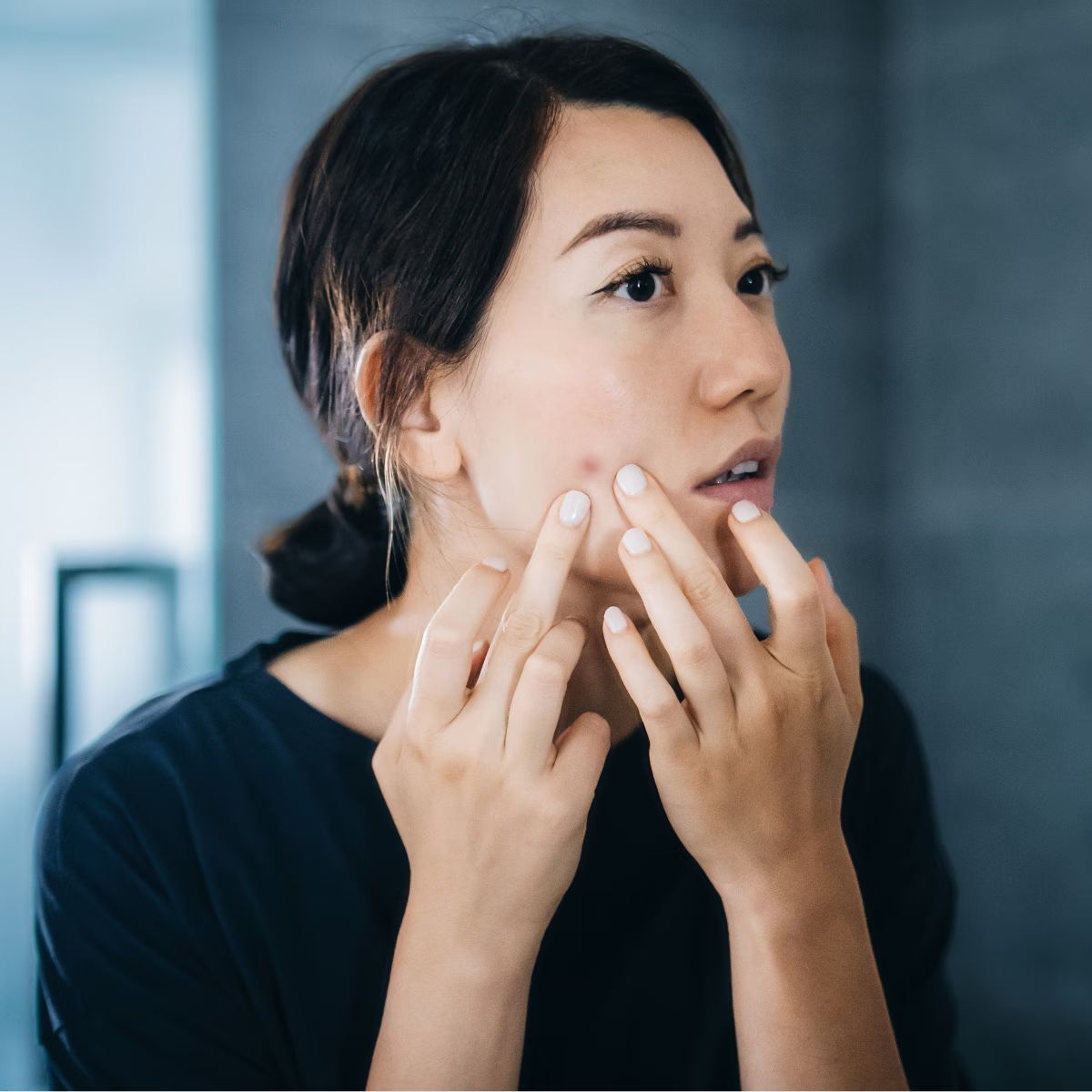
Summer acne breakouts are inflammatory skin flare‑ups driven by heat, humidity, sweat and excess sebum, where pores become clogged with oil, debris and bacteria and the skin barrier is often weakened by over‑cleansing, harsh products or poorly chosen moisturisers, leading to more pimples, redness and sensitivity than in cooler seasons. The uncomfortable truth is that your skin is not "misbehaving" in summer—it is acting logically. When temperatures rise, you sweat more and your oil glands ramp up production, especially in hot, humid environments that keep moisture sitting on the surface of your face for longer. People notice acne erupting around sunglasses, along the hairline and on cheeks once the dewiness crosses into clammy territory. If you respond with panic scrubbing instead of strategy, you feed the very problem you are trying to solve.

How heat and humidity turn oily skin into a breakout factory
If you want to prevent acne in heat, you must accept a non‑negotiable reality: hot, humid weather makes your face oilier. Increased humidity and heat lead to more oil production and a greasier complexion. Heat stimulates sebum output, while humidity keeps sweat on the skin for longer. That sweat is not inherently harmful, but left on your face it mixes with excess sebum, sunscreen, makeup and pollution, forming a film that blocks pores and encourages bacterial growth in those tight spaces. The result is a perfect storm for summer acne breakouts. According to consultant dermatologist Dr Aamna Adel, “acne often flares because the skin becomes oilier and pores are more easily congested” in hot, humid conditions. Add constant face‑wiping with your hands or towel and you compound irritation. The weather sets the stage—but your daily habits decide how bad the show gets.
The hidden mistake: Overwashing your sweaty face ruins your barrier
The knee‑jerk reaction to sticky, oily skin is to wash it more. That instinct is understandable—and damaging. The skin barrier depends on a delicate balance of natural oils and surface bacteria to function properly. Washing the face more than twice a day, especially with foaming or sulphate‑based cleansers, strips this barrier faster than it can replenish itself. Your oil glands respond by producing even more sebum, leaving you paradoxically shinier and more congested. Overwashed skin becomes reactive, prone to redness, tightness and increased sensitivity to ingredients it previously tolerated. In hot, humid weather, if you strip the skin by over‑cleansing or skip moisturiser entirely, you compromise the barrier and make the skin more reactive. An effective oily skin care routine in summer is not about punishing your pores; it is about protecting the barrier so it can regulate oil and fight inflammation for you.

Dermatologist-backed summer routine: light, consistent, twice a day
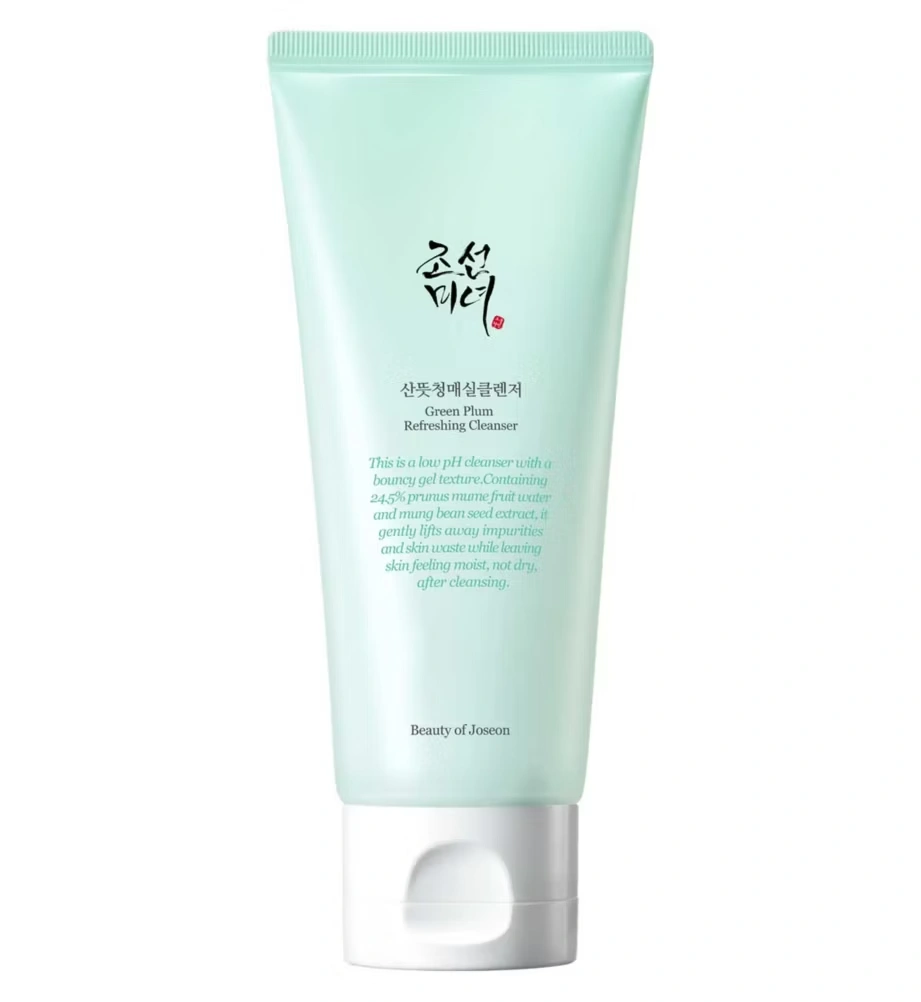
Dermatologists are blunt: you do not need a complicated system to prevent acne in heat, but you do need a disciplined, twice‑daily routine. For acne‑prone clients, summer means simplifying their routines and avoiding heavy layers or rich textures. You want lightweight, non‑comedogenic formulas across the board. That looks like cleansing twice a day with gentle, pH‑balanced, sulphate‑free products, using micellar water to remove makeup and sunscreen, then a mild foaming gel cleanser to clear sweat and excess oil without stripping. A thorough cleanse at the end of a sweaty day is non‑negotiable, but more than that becomes self‑sabotage. You do not have to overhaul everything during a heatwave; you may only need to make your routine lighter. The biggest mistake is abandoning moisturiser and sunscreen out of fear they will worsen breakouts; in reality, protecting your barrier is what keeps acne in check.
Moisturise smarter: niacinamide and balance, not dryness and fear
The idea that avoiding moisturiser will "dry out" pimples and fix summer acne breakouts is outdated and counterproductive. A lightweight, non‑comedogenic moisturiser keeps the skin barrier healthy, reducing irritation and helping it function properly. In hot, humid weather, swap heavy creams for gel textures that feel breathable and are less likely to clog pores. This is where sebum‑control ingredients such as niacinamide earn their hype: niacinamide helps regulate sebum production, supports the skin barrier and has anti‑inflammatory properties. Combined with consistent sunscreen and a simple oily skin care routine—gentle cleansing, barrier‑friendly hydration and non‑clogging SPF—you work with your skin instead of against it. As one expert put it, the golden rule for preventing summer breakouts is: "Don’t fight your skin". Respect its need for balance, and it will reward you with fewer flare‑ups, even when the heat and humidity peak.