
Viral Skincare Trends vs. Your Skin Barrier
Unconventional beauty ingredients in viral skincare trends, such as nappy cream, beef tallow and salmon sperm, promise barrier repair and glow, but their real value depends on ingredient function, evidence, and how they interact with the skin’s outer layer. Instead of asking whether a product is quirky or boring, we should ask what it does for the barrier, how it was designed, and whether there is dermatologist skincare advice backing its use on the face. The uncomfortable truth is that shock value sells faster than science, and many trend-led hacks apply products far beyond what existing evidence supports. If your barrier is fragile from acids and retinoids, reaching for the wildest trend on TikTok is less smart than understanding humectants, occlusives, and targeted formulations.
Nappy Cream on Your Face: Why “Face-Basting” Misses the Point
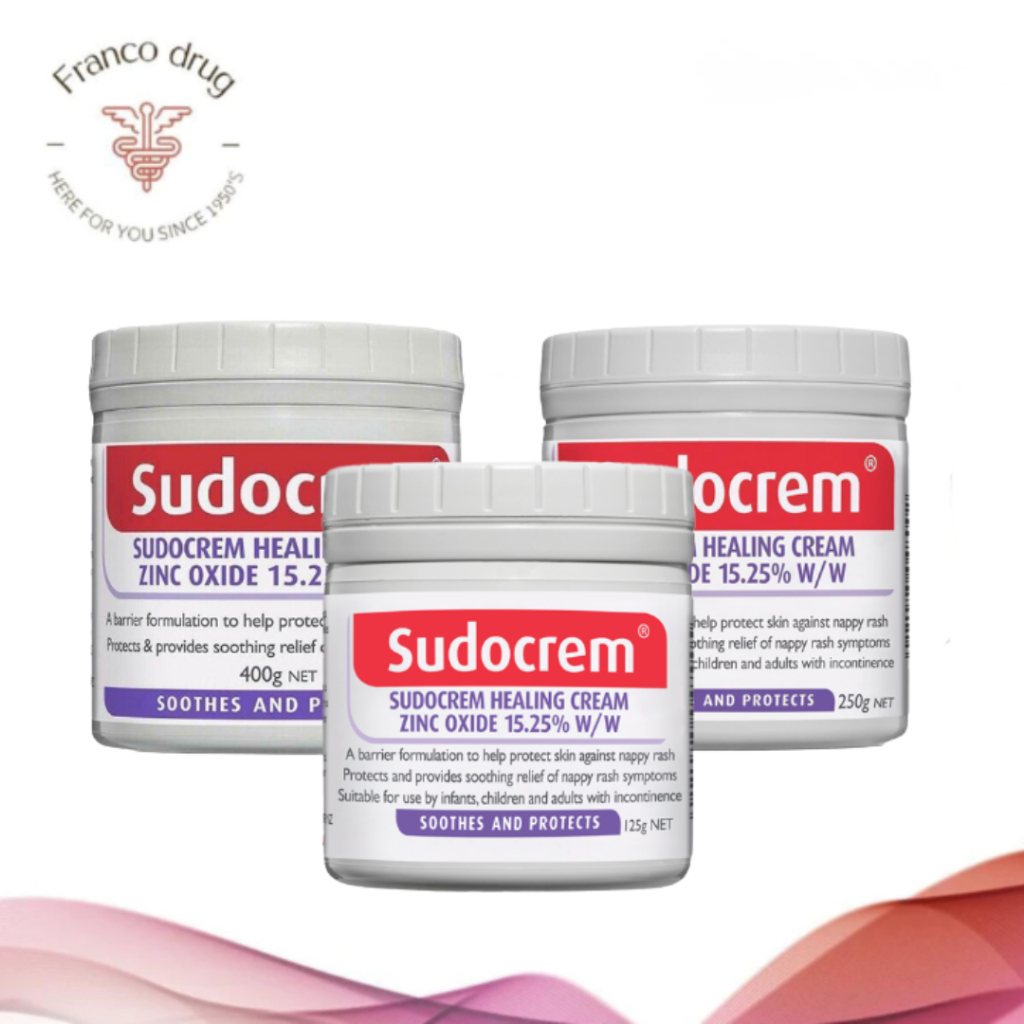
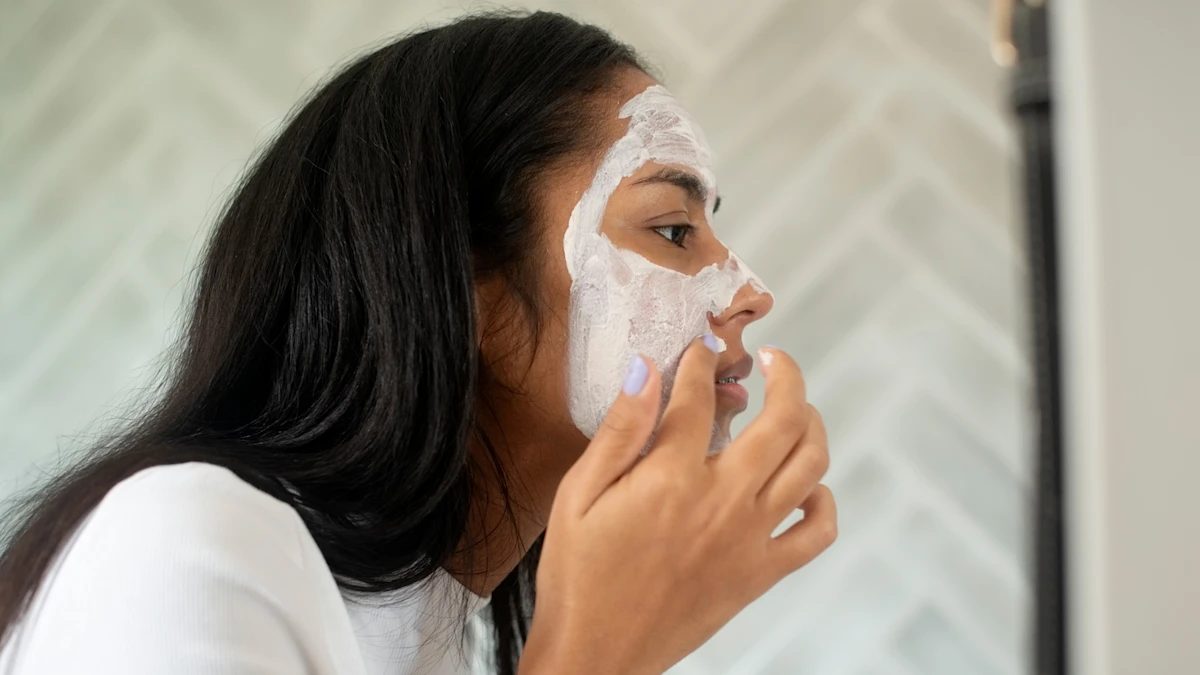
Nappy cream is the poster child for how viral skincare trends twist a sensible concept—barrier repair—into a blunt, one-size-fits-all hack. Creators are “basting” their faces with thick Sudocrem overnight for calmer, clearer, glowier skin. Yes, zinc oxide is non‑comedogenic and can help reduce moisture loss when used correctly. But diaper creams are built in heavy, occlusive bases with waxes, lanolin and liquid paraffin, designed for short‑term coverage of irritated baby skin, not as a nightly mask for acne‑prone faces. According to dermatologist Aakriti Gupta, “it takes a product that works well for one purpose and applies it much more broadly than the evidence supports”. Her advice is blunt: stick to facial barrier creams, and if you must, use nappy cream as an occasional spot treatment rather than a daily habit.
What Legit Barrier Care Looks Like: Humectants, Not Hype
The smoother, plumper look people report after a Sudocrem night isn’t magic; it’s water retention. When the outer layer of skin holds more water, fine dehydration lines fade temporarily. That effect can come from a well‑formulated facial barrier cream using humectants like glycerin or hyaluronic acid, plus barrier lipids such as ceramides and soothing ingredients like panthenol, all designed for facial skin. Urea is another under‑hyped workhorse: in low concentrations, 5 to 10 percent, it acts as a humectant that binds water. You can buy urea in safe, sterile formulations, and it is described as “a very powerful tool to use in dermatology”. This is the kind of quiet science that should guide your routine. If a product can’t explain whether it hydrates, seals, or repairs the barrier, its cute name doesn’t matter.
Decoding Trend Claims with Dermatologist Skincare Advice
The problem isn’t that unconventional beauty ingredients are always bad. It’s that marketing turns a single function—like reducing overnight moisture loss—into a miracle narrative, while side‑stepping skin type, formulation, and long‑term effects. Thick zinc oxide pastes can even end up drying if they lack humectants. Gupta urges people to identify why their skin is red, flaky or sensitive before leaning on any viral skincare trend. Her stance is clear: trends are not one‑size‑fits‑all, and a product that is excellent for nappy rash is not automatically the best choice for a face. Dermatologist skincare advice does more than say yes or no; it decodes whether an ingredient makes sense for your specific barrier problem. Instead of asking “Is this going viral?”, ask “What does this do, in this formula, for my skin?”
Choose Science Over Shock Value
The most responsible way to approach slugging‑style routines, beef tallow balms, or salmon sperm serums is not to chase the strangest ingredient, but to follow barrier science. Heavy occlusives can reduce water loss; humectants like urea and glycerin bind moisture; targeted barrier creams combine these functions at strengths and textures suited to the face. Viral hacks take products that work in narrow, well‑studied situations and stretch them beyond what evidence supports. If you enjoy experimenting, do it in partnership with expert guidance: patch test, start small areas, and be extra cautious if your skin is oily or acne‑prone. In skincare, boring often means tested and effective. The glow you want tomorrow should not come at the cost of a compromised barrier next month.