
The Real Skincare Upgrade: Choosing the Right Expert First
Dermatologist vs aesthetician is not a rivalry but a practical choice: dermatologists diagnose and treat medical skin conditions, while aestheticians focus on cosmetic care, maintenance, and product guidance, and understanding which expert fits your needs is the fastest route to a safe, effective skincare routine. The loudest voices online push products, yet the most useful professional skincare advice starts with a person, not a serum. Keke Palmer’s top tip is blunt: “A dermatologist is number one,” because you may need topical or oral medication before experimenting with trendy actives. That flips the usual order, where people exhaust the internet, irritate their skin with DIY retinoids, and only then book a medical visit. If your routine is built around guesswork, you are not being empowered; you are being marketed to.
| Spec | Dermatologist | Aesthetician |
|---|---|---|
| Core focus | Medical diagnosis and treatment of skin issues | Cosmetic treatments, maintenance, and product coaching |
| Typical tools | Prescription medicines like tretinoin and oral drugs | Facials, peels, and curated product routines |
| Best for | Persistent acne, hyperpigmentation, rashes, unexplained changes | Texture, glow, and everyday product choices |

Why Dermatologists Say: Stop DIY-ing Your Skin Problems
Dermatologists emphasize seeing a professional before you build a routine, because misusing strong actives can make your problems harder to treat. Tretinoin, the prescription retinoid now hyped across social media, is a clear example: it is “a prescription because of the strength and the need for someone with more expertise to guide you in using it”. Applied like a night cream, it can be “wrong and dangerous,” but used correctly—moisturizer, medicine, more moisturizer, and slow frequency increases—it becomes a gold-standard tool for acne and hyperpigmentation. This is not gatekeeping; it is damage control. Waiting until your skin is inflamed, peeling, or covered in post-inflammatory marks before asking when to see a dermatologist is backwards. The faster route to good skin is the waiting room, not the hauls page, and Palmer’s advice underlines that routine experiments should follow, not precede, diagnosis.
How Aestheticians Turn Drugstore Aisles into Skincare Clinics
If dermatologists set the medical foundation, aestheticians turn that foundation into an everyday routine that fits your budget and lifestyle. In the world of professional skincare advice, Natalie Aguilar stands in a unique overlap: celebrity facialist, dermatological and plastic surgery nurse, and founder of a skincare brand, combining hands-on aesthetic skill with medical training. She sends clients to drugstores “well over 15 times a week,” armed with specific product recommendations instead of vague promises. Her perspective cuts through luxury marketing. As she explains, high-end formulas are not automatically superior; “A $5 lip balm can absolutely be better than a $225 lip balm. It all comes down to the formula and not the brand or price”. That is the core of drugstore skincare recommendations that work: ingredient quality, not prestige packaging. Aestheticians like Aguilar act as skin therapists, translating clinical needs into accessible routines.
Affordable, Ingredient-Led Products Both Experts Endorse
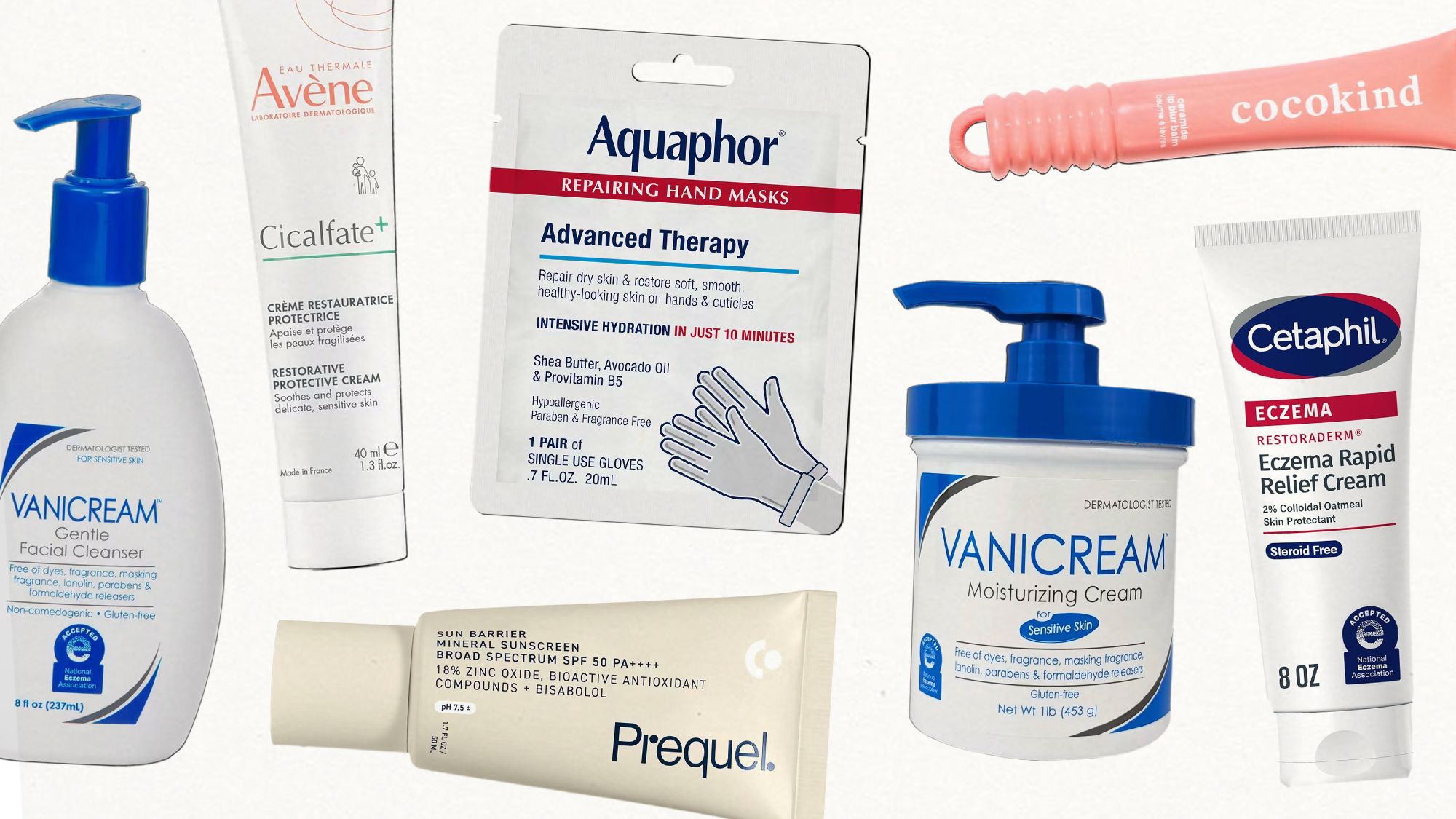
Here is the quiet truth: the professionals are not snobs about price. They are picky about ingredients. Palmer fills the everyday layer of her routine with widely available products—such as a cleanser and retinol from a mass-market French pharmacy brand, star-shaped pimple patches “that come in the green box,” and even a freckle pen discovered through social media—while staying firm that diagnosis must come first. Aguilar echoes this with her “Drugstore Heroes” picks, highlighting budget-friendly products that “make a difference in someone’s skin, hair, and makeup routine” when the formulas are sound. She breaks down colloidal oatmeal at 2% for soothing inflammation and zinc oxide at 40% as a protective barrier for irritated skin, praising diaper creams with that concentration as staples beyond the nursery. Both perspectives converge on a simple principle: you do not need expensive products, you need the right ingredients chosen with expert guidance.
So, Dermatologist or Aesthetician: Who Should You Call First?
Choosing between a dermatologist vs aesthetician is less about status and more about timing and stakes. If you have persistent acne, hyperpigmentation, unexplained rashes, or reactions to products, your first call should be a dermatologist, even if it costs more time and effort, because you may need prescription support before anything else. Once the medical side is stable, aestheticians excel at ongoing care: refining texture, glow, and routines, and helping you shop smarter from drugstore shelves instead of defaulting to the most marketed items. Aguilar advises that if you are unsure about a product, “say no, take a photo, and go home and do your research,” using available tools and professional input before buying. That is the real upgrade: a routine shaped by experts, not algorithms. See the dermatologist for problems, lean on aestheticians for maintenance, and let ingredients—not prices or hype—drive your choices.