

From Spec Sheets to Shooting Behavior
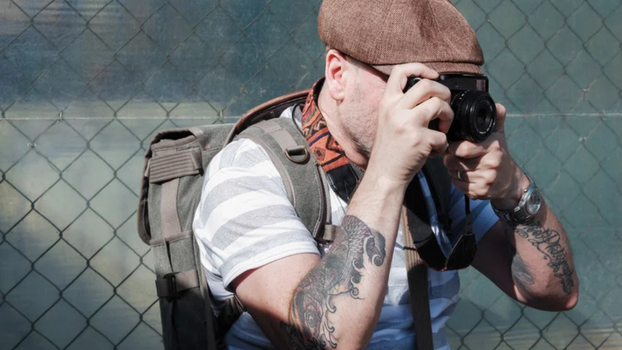
Experienced photographers are abandoning bigger cameras for lighter gear because they are discovering that the most important question is not which camera has the best specifications, but which camera creates the most natural, efficient, and unobtrusive shooting behavior in real-world situations, especially for documentary and street photography where timing and presence matter more than megapixels or frame rates. In 2010, one street photographer sold a Nikon system and bought the first Olympus Pen E-P1, a slow and imperfect camera on paper, yet it transformed the way he worked in public space. Since then he has moved through Canon DSLRs, Lumix bodies, Olympus, Ricoh, Sony, Fujifilm, and Pentax systems as a working photographer, not a collector, and concluded that most camera debates obsess over technical limits while real failures come from friction: delay between seeing and reacting, a body that feels too visible, an interface that pulls you out of the moment. The shift toward lightweight photography gear is driven by a desire for cameras that disappear so attention can stay on life rather than on the machine.
Why Camera Behavior Beats Raw Specifications
The usual full frame vs mirrorless argument misses the point because it treats cameras as spec competitions instead of tools that shape human perception and timing. Reviews highlight megapixels, autofocus points, dynamic range, and frame rates, yet documentary and street photography seldom fail for those reasons; they fail when a camera adds hesitation between intention and capture or makes the photographer feel on display instead of present. According to one long-term street shooter, the better question is not “what is the best camera?” but “what kind of photographic behavior does this camera create?” A responsive, simple body with a viewfinder that suits how you see, and ergonomics that let you shoot without thinking about menus, matters more than another stop of dynamic range. This is why street photography equipment such as the Ricoh GR, Fujifilm X100, and Olympus OM-D is praised less for headline specs and more for how these cameras become extensions of reflexes, encourage anticipation over reaction, and keep the photographer emotionally inside the scene instead of performing outside it.
Lighter Gear and the Changing Creative Mindset
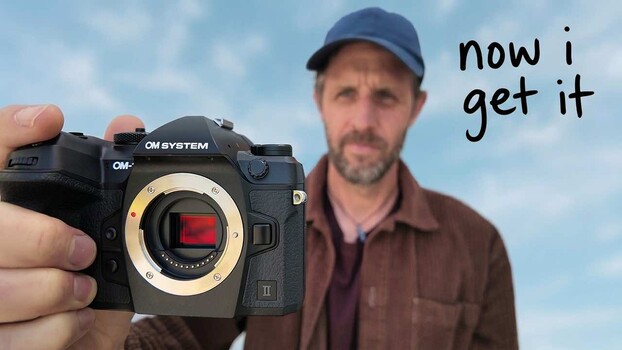
Weight and portability start to redefine photography once you have spent years and miles carrying heavy full-frame setups. Landscape and nature photographer Ian Worth describes a two-decade journey from film to digital, then years of full frame, before dropping to APS-C to cut weight, and later embracing Micro Four Thirds based on field experience rather than charts. The turning point was practical: he had left gear behind on long hikes because it felt like too much, and missed rare misty woodland conditions he had chased for five years. When the barrier to carrying your camera drops, you shoot more, you overthink less, and you are present when the light finally arrives. That change in behavior affects composition and creative decision-making; with lighter photography gear you move your body more, explore more angles, and combine landscape and wildlife using long effective reach—such as a 400mm full-frame equivalent lens on an OM-D Mark II—without feeling chained to a tripod bag. For many veterans, the gain in intuitive shooting outweighs the occasional loss in ultra-shallow depth of field or extreme low-light performance.
Micro Four Thirds and Alternative Formats in the Real World
Micro Four Thirds and similar mirrorless formats are winning over experienced photographers not because they beat full frame in lab tests, but because they change how photographers work in public and in the field. In street contexts, compact Olympus OM-D and Pen bodies offer strong stabilization, flexible depth of field, and above all, freedom in public space; they tend to be less intimidating, and that psychological size advantage matters more than many admit. In outdoor landscape and wildlife work, Micro Four Thirds adds reach and portability, letting shooters isolate details and compress scenes with long equivalents while still carrying a manageable pack. Yet the move is not automatic: anyone eyeing Micro Four Thirds purely for a lighter pack must weigh specific lenses instead of assuming the format always yields a smaller kit. A full-frame body with a modest prime can be lighter than a small-sensor body coupled to a fast telephoto zoom. The key is matching the camera system to the way you shoot so it feels intuitive, invisible, and reliable across changing conditions, instead of chasing format prestige.
Workflow, Accessibility, and the New Logic of Camera System Switching
After years across Nikon, Canon DSLRs, Lumix, Olympus, Ricoh, Sony, Fujifilm, and Pentax, one documentary photographer concluded that there is no universal best camera—only cameras that reduce resistance and protect continuity of attention. Another, with twenty years of full-frame habit, realized that the important question was no longer whether one system beats another, but how a system changes the way you work. Full frame vs mirrorless is now less about sensor bragging rights and more about workflow efficiency and accessibility: cameras that are light enough to be carried daily, simple enough to operate without thought, and responsive enough to capture fleeting moments consistently. Documentary and street photography fail when you are forced to step outside the moment to operate a complex machine; they succeed when the camera disappears and you stay inside the scene. That is why seasoned shooters are willing to switch camera systems, abandoning long-held full-frame assumptions, to gain smaller bodies, cleaner ergonomics, and frictionless street photography equipment. The new logic is clear: if a camera lets you be present and shoot more, it is worth more than any spec sheet victory.