
Hydroquinone Dark Spots: The Gold Standard, With Strings Attached
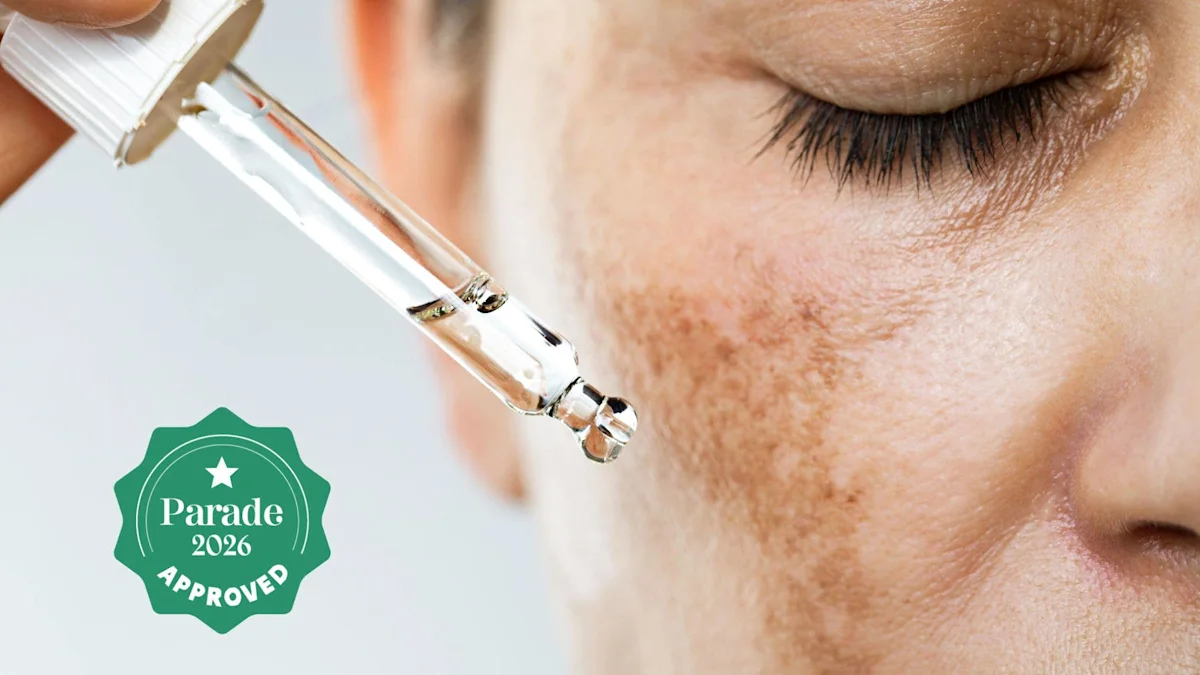
Hydroquinone dark spots treatment refers to prescription-strength creams that fade hyperpigmentation by directly blocking pigment formation, making them a more aggressive but often faster option than over-the-counter brightening serums that work indirectly on melanin or cell turnover. If you’re tired of cycling through "brightening" products with underwhelming results, hydroquinone is the ingredient dermatologists reach for when dark spots are stubborn, slow to respond, or emotionally exhausting to live with. Experts agree it is the gold standard for hyperpigmentation, targeting the tyrosinase enzyme that drives melanin production and gradually allowing excess pigment to fade. One expert points out that 4% hydroquinone is the most studied benchmark for melasma and post-inflammatory hyperpigmentation, with visible improvement often starting around four weeks and building over two to three months. That kind of precision is why it earns the title of best dark spot treatment for truly resistant marks—but it’s not a casual, everyday ingredient.
Why Hydroquinone Works Fast—and Who Should Skip It
Hydroquinone’s appeal is simple: it fades blemishes fast compared with most over-the-counter options, because it interrupts pigment at its source rather than only exfoliating or buffering the consequences. When used as prescribed, some people see initial changes in as little as four weeks, with more dramatic fading over two to three months. But the speed comes with caveats. Mild irritation, dryness, and redness are common at the start, and long-term use of high concentrations has rarely been linked to a blue-gray discoloration called exogenous ochronosis. Another dermatologist warns that hydroquinone can worsen hyperpigmentation in deeper skin tones and is not considered safe for those complexions. Pregnancy, breastfeeding, rosacea, eczema, or a history of ochronosis are also strong reasons to avoid it. In other words, hydroquinone is a powerful tool—but it belongs inside a personalized plan, not in everyone’s medicine cabinet.
Dermatologist-Recommended Serums: Gentler Routes to Even Skin
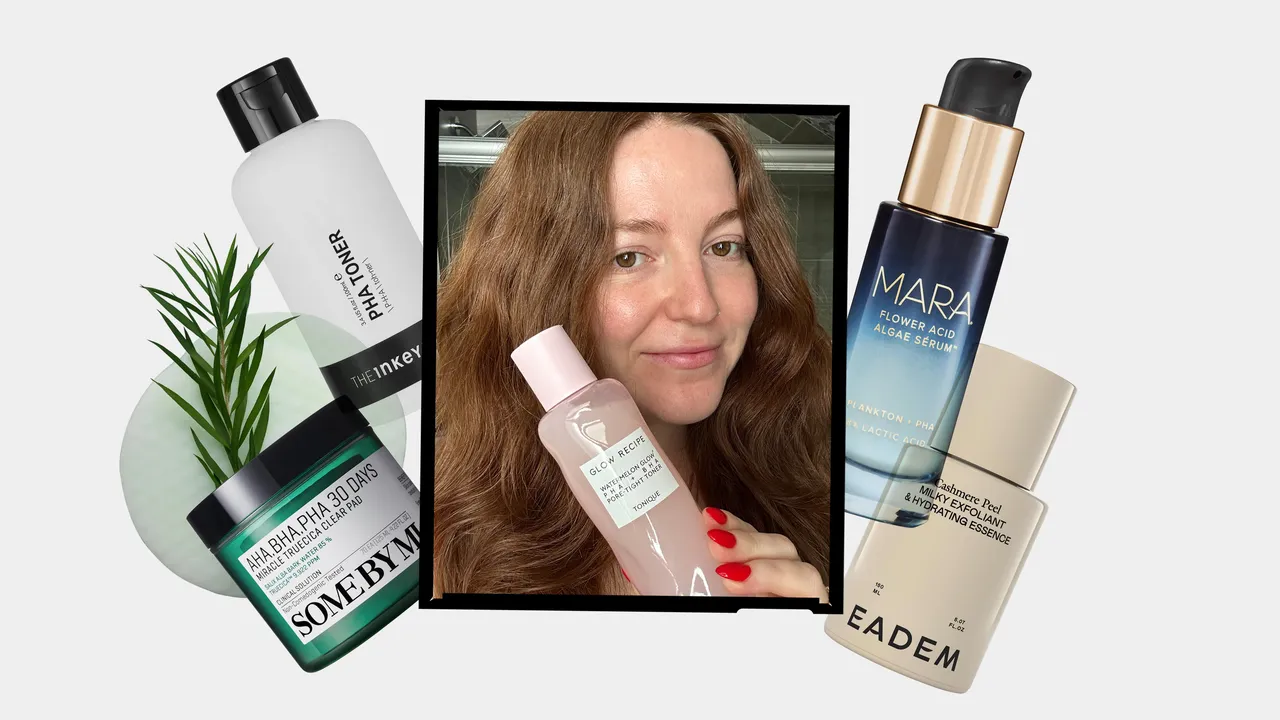
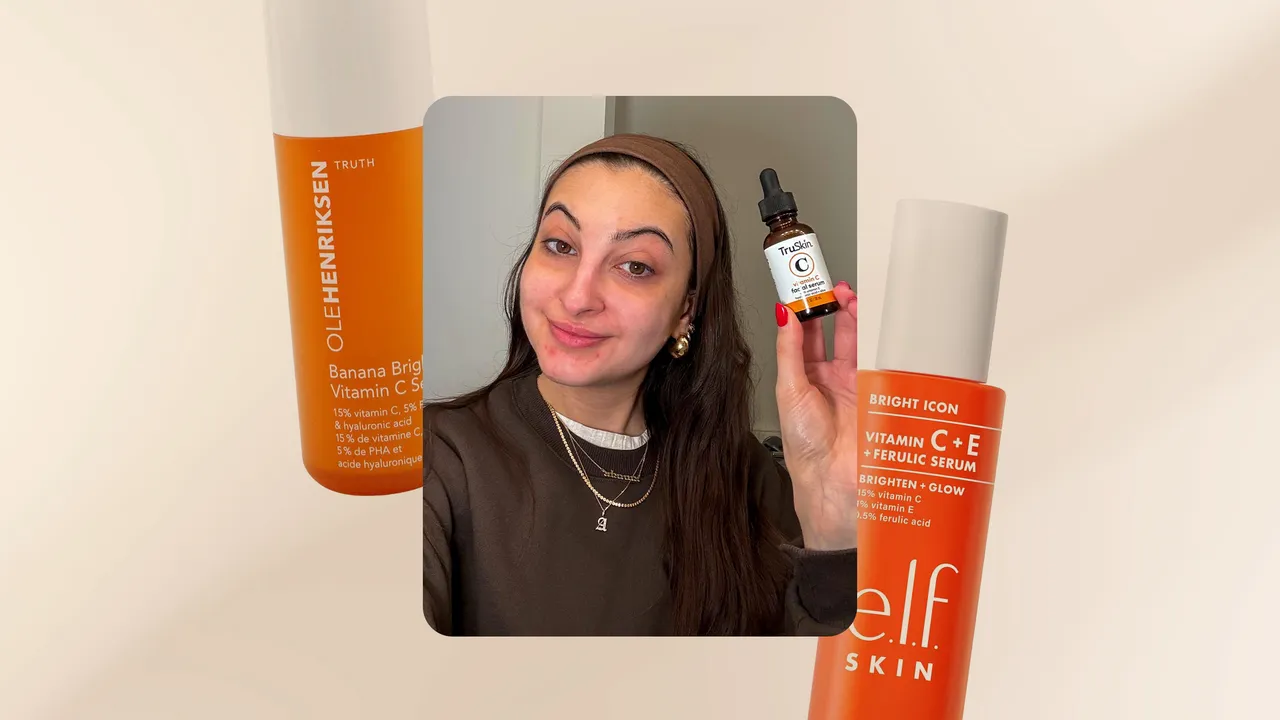
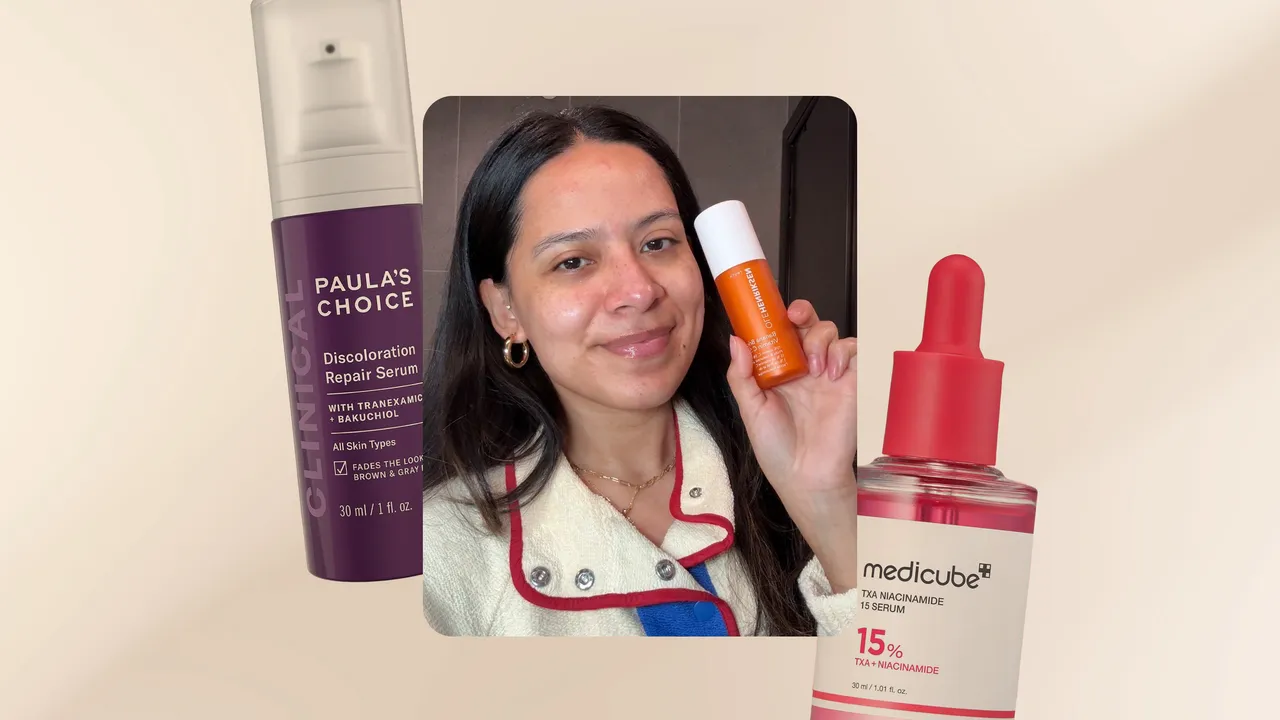
If hydroquinone feels too intense—or off-limits—dermatologist recommended serums built around gentler ingredients are not second-rate; they just work through different, slower pathways. Alpha hydroxy acids like glycolic and lactic acid speed up cell turnover to fade surface-level pigment, while salicylic acid targets acne-related spots. Retinol stimulates consistent turnover and gradually softens hyperpigmentation over time. Vitamin C reduces melanin production and shields against free radicals triggered by sun or trauma, making it a staple in many of the best dark spot treatment formulas. Other clinician-backed options such as tranexamic acid, cysteamine, azelaic acid, soy, and arbutin inhibit melanin in more targeted but generally gentler ways. For people who cannot or do not want to use hydroquinone, experts highlight multi-pathway serums that tackle discoloration without it and are better suited to sensitive skin or long-term maintenance. You trade some speed, but you gain flexibility and safety.
Results Depend on Spot Depth, Skin Type, and Commitment
The search for the best dark spot treatment fails when we pretend there is one universal winner. Efficacy varies with how deep or old the discoloration is, your skin type, and how consistently you apply products. One dermatologist notes most dark spots take 8 to 12 weeks to fade noticeably with regular treatment, while deeper or older patches can need several months—and sun exposure will slow progress unless you wear daily SPF. Another expert stresses that hydroquinone works best on pigment in the upper skin layers, and deeper dermal pigment does not respond well. Sensitive skin may rebel against strong acids or retinol, requiring poly-hydroxy acids or milder actives instead. If you expect overnight miracles or use actives sporadically, even the strongest formulas will disappoint. Dark spots are a slow-burn problem; any serious plan to fade blemishes fast still means months of disciplined skincare, not days.
Why Smart Combinations Beat Single-Ingredient Fixes
Dermatologists rarely rely on a single ingredient to fix complex hyperpigmentation, and that should reshape how you build your routine. If you’re aiming to fade blemishes fast, a combination approach is often best: prescription-strength pigment inhibitors such as hydroquinone, retinoids, tranexamic acid, or cysteamine paired with strict sunscreen and, when appropriate, in-office procedures like peels or lasers. Experts emphasize that hydroquinone itself should be a finite course, cycled with non-hydroquinone products for long-term maintenance. Meanwhile, exfoliating acids, vitamin C, niacinamide, and melanin inhibitors can serve as daily anchors between more aggressive phases. There are many ways to attack dark spots—lasers, microdermabrasion, chemical peels, and topicals—and the smartest plans borrow from several categories instead of overloading one. My view: use hydroquinone as a focused, supervised sprint when you need it, but build your skincare life around the gentler, sustainable brighteners that keep new pigment from stacking up.