
The One Serum Most People Should Start With
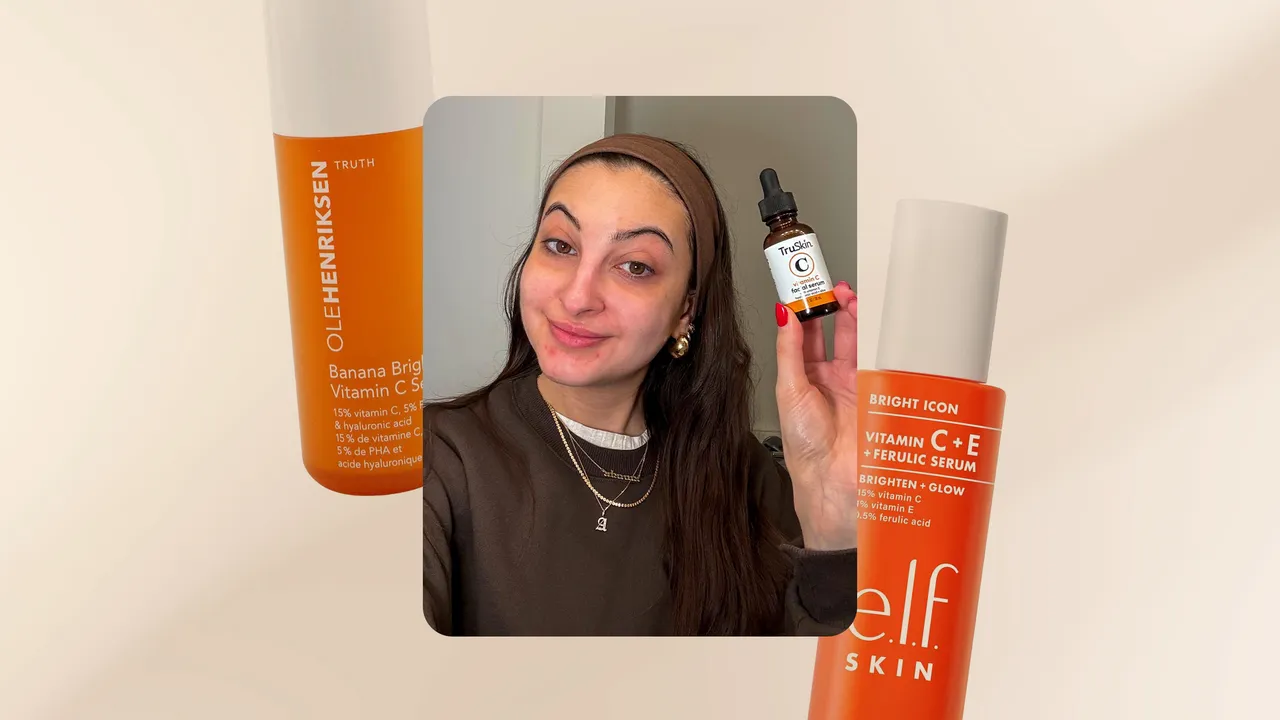
Dermatologist-approved vitamin C and dark spot serums are concentrated skin treatments that use antioxidants and pigment-targeting ingredients to brighten, protect, and visibly even skin tone when applied consistently in a daily routine. For most people, the best place to start is a dermatologist-approved vitamin C serum in the 10% to 20% range, powered by pure L-ascorbic acid and packaged in a dark, air-tight bottle for stability. That combination gives the widest group of users reliable skin radiance improvement and a clearer, smoother-looking complexion over time. Among the best vitamin C serums, those that pair L-ascorbic acid with supportive antioxidants like vitamin E or ferulic acid deliver dependable, dermatologist approved brightening while also defending against environmental damage. If you want a single step that tackles dullness, early fine lines, and emerging spots, this type of serum is the smart, no-drama starting point.
How to Choose: Key Criteria That Actually Matter
When you are comparing the best vitamin C serums and dark spot correctors, focus on ingredients, concentration, and packaging first. Dermatologists highlight L-ascorbic acid as the gold-standard form of vitamin C because it penetrates deeply where you need it most, while tetrahexyldecyl ascorbate offers better stability for longer-lasting formulas. They recommend concentrations between 10% and 20%: less than 10% will not be as effective, and more than 20% raises the risk of irritation. Look for supporting antioxidants like vitamin E and ferulic acid to boost brightening power, plus hydrators such as hyaluronic acid or squalane if your skin leans dry. Packaging matters too: dark, tinted glass with airless delivery helps protect vitamin C from light, air, and heat, which can quickly degrade the formula and shorten its three- to six-month post-opening lifespan.
| Key Check | Vitamin C Serums | Dark Spot Correctors |
|---|---|---|
| Star ingredients | L-ascorbic acid, tetrahexyldecyl ascorbate, vitamin E, ferulic acid | Vitamin C, niacinamide, AHAs, kojic acid, azelaic acid, arbutin, tranexamic acid |
| Ideal strength | 10–20% vitamin C for effective brightening with tolerable irritation risk | Varies; often blends of acids and brighteners used several times per week |
| Packaging | Dark, airless bottles to prevent oxidation and maintain potency | Opaque or UV-protective containers for stability and safety |
| Routine slot | Morning, under sunscreen for antioxidant protection | Morning with vitamin C/azelaic acid; retinol-based options at night |
Targeting Dark Spots: When You Need More Than Vitamin C
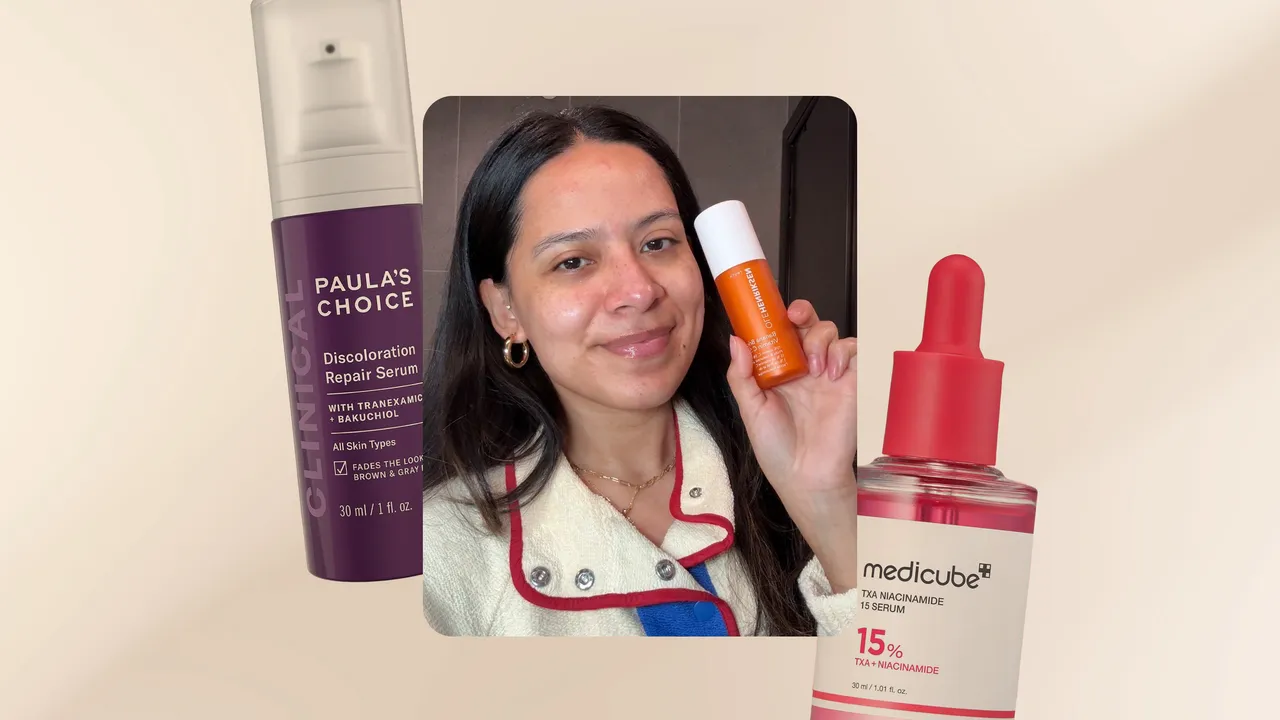
If your main concern is hyperpigmentation—age spots, sun spots, or lingering acne marks—a dedicated dark spot corrector is the better choice. A dark spot is an area of extra pigment in the skin, and correctors are designed to break down that excess pigment and stop more from forming by inhibiting melanin transfer. Dermatologists advise looking for blends of alpha hydroxy acids like glycolic or lactic acid to speed up cell turnover, along with vitamin C and niacinamide for added brightening. Kojic acid is especially useful for newer spots and acne scars, while ingredients like tranexamic acid, cysteamine, azelaic acid, soy, and arbutin help inhibit melanin production over time. Tested dark spot correctors are assessed not only for brightening power but also for texture, scent, and how skin feels after weeks of regular use so you get results without wrecking your barrier.
Routine and Results: Getting Real Skin Radiance Improvement
To get visible skin radiance improvement, you must commit to daily use and a routine that respects how these actives behave. Vitamin C serums belong in your morning routine, applied once daily and followed with a broad-spectrum sunscreen to maximize antioxidant protection and prevent new pigment from forming. Because vitamin C is powerful, dermatologists advise against layering it with other strong actives like retinol in the same routine; instead, use retinol at night to support cell turnover while letting vitamin C handle daytime defense. Dark spot correctors that contain acids, azelaic acid, or alpha arbutin are best used in the morning, while retinol-based options stay in the evening slot. The most successful products in expert testing delivered long-lasting radiance, reduced discoloration and hyperpigmentation, and smoother texture when used consistently for several weeks.
Buy if / Skip if
- Buy the dermatologist-approved vitamin C serum if you want a single step that brightens, firms, and defends against daily environmental damage while improving overall radiance.
- Skip the dermatologist-approved vitamin C serum if your skin is extremely reactive or you cannot commit to using and finishing it within three to six months after opening due to its limited shelf life.
- Buy the dermatologist-tested dark spot corrector if you are focused on fading specific age spots, sun spots, or acne marks and are willing to use targeted treatments for several weeks.
- Skip the dermatologist-tested dark spot corrector if your main concern is only mild dullness and you prefer a simpler routine centered on an all-purpose brightening serum.
- Buy the dermatologist-approved vitamin C serum if you want dermatologist approved brightening backed by ingredients like L-ascorbic acid, vitamin E, and ferulic acid for long-lasting radiance.
- Skip the dermatologist-tested dark spot corrector if you are not prepared to use daily sunscreen, since UV exposure can undo pigment-fading progress and trigger new spots.