
The Anti-Aging Step Everyone Skips—and Why That’s Sabotaging Your Skin
Anti-aging skincare refers to daily habits and targeted products that protect skin from damage, support collagen, and improve texture to delay or soften visible signs of aging like fine lines, wrinkles, sagging, and uneven tone, focusing less on reversing time and more on slowing preventable wear from sun, environment, and lifestyle. Recent expert research makes one point painfully clear: the anti-aging step most people skip is the one that matters most for wrinkle prevention—mineral sunscreen. Dermatologists were asked to rank dozens of products for common skin concerns in a paper published in the Journal of the American Academy of Dermatology, which surveyed 62 dermatologists at 43 academic centers. A striking 96.8 percent named mineral sunscreen as the top product to prevent fine lines and wrinkles, rating it as important as powerhouse retinoids. Yet only 13.5 percent of Americans report wearing SPF daily, with 11 percent saying they never use it. If you are chasing new serums while skipping daily sun protection, you are fighting aging with one hand tied behind your back.
Dermatologist Anti-Aging Myths: Why Your Routine Feels Busy But Ineffective
Dermatologists are blunt: much of what passes for anti-aging wisdom is myth, and it wastes both money and collagen. A board-certified dermatologist was interviewed about the myths his patients commonly believe and the anti-aging products he actually recommends, all under USD 50 (approx. ₱2,800). Among the most damaging misconceptions is the idea that sunscreen is only for sunny or beach days. In reality, UV exposure is a daily event—during commutes, lunch outdoors, and even through windows—quietly accelerating fine lines, uneven tone, and sagging. Another myth: the only way to treat sagging skin is surgery. But collagen, the skin’s structural foundation, can be supported with topicals such as retinol, which stimulates collagen production and improves tone, texture, and firmness. Believing that expensive skincare is automatically better is yet another trap; dermatologists point out that there are effective and affordable over-the-counter serums and products that deliver visible results when paired with smart basics like SPF.
The Overlooked Wrinkle Prevention Steps: Sunscreen First, Actives Second
If you care about wrinkle prevention steps, dermatologists argue that your routine should be built in a clear order: daily mineral sunscreen, then targeted actives. The same study that ranked 83 different products and ingredients found mineral sunscreen to be the number one recommendation for fine lines and wrinkles, tied with retinoids and followed by vitamin C and chemical sunscreen. This shows that protection from UV damage is not optional background care—it is as vital as the most celebrated anti-aging ingredients. The practical impact is huge. While countless pricey serums promise miracles, experts conclude that slathering sunscreen on daily and reapplying through the day will go much further in setting your skin up for long-term success. For those prone to breakouts, a topical retinoid such as adapalene gel can address acne and improve fine lines at the same time, offering a two-in-one benefit when layered under daytime SPF. Ignoring this simple sequence means you are paying to repair damage you could have prevented.
Why Dual-Action Moisturizers with SPF Are the Smartest Anti-Aging Products
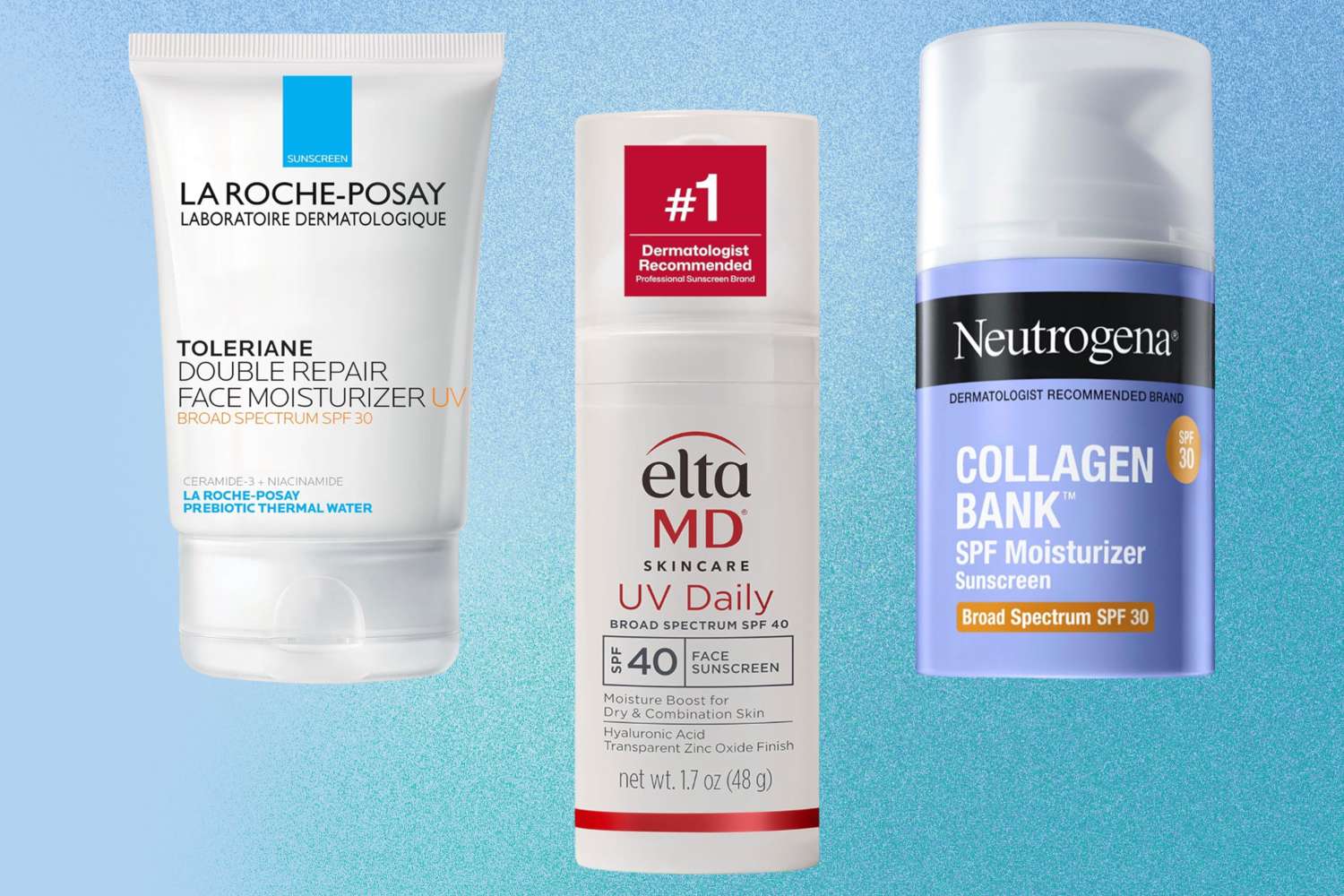
Dermatology experts are clear: broad-spectrum SPF protection is non-negotiable for preventing sun damage and premature aging. But they also know most people will not commit to a complicated routine. That is why anti-aging moisturizer SPF formulas—moisturizers that do double duty with sun protection and skin-improving ingredients—are rising as the best anti-aging products for real-world use. A dermatology physician assistant explains that when shopping for these moisturizers, you should prioritize more than the SPF number. Look for broad-spectrum UVA/UVB coverage plus ingredients that enhance skin quality over time: glycerin and hyaluronic acid to lock in moisture and plump skin, peptides to support collagen and firmness, and ceramides to strengthen the barrier. For sensitive skin, mineral filters like titanium dioxide or zinc oxide and antioxidants such as vitamins C and E help neutralize free radicals that drive aging, while niacinamide helps even tone and soften fine lines. With recommended options starting at USD 14 (approx. ₱800), these dual-action formulas upgrade your regimen without extra steps or high prices.
Budget-Friendly, Dermatologist-Approved: Building an Effective Routine Without Luxe Prices
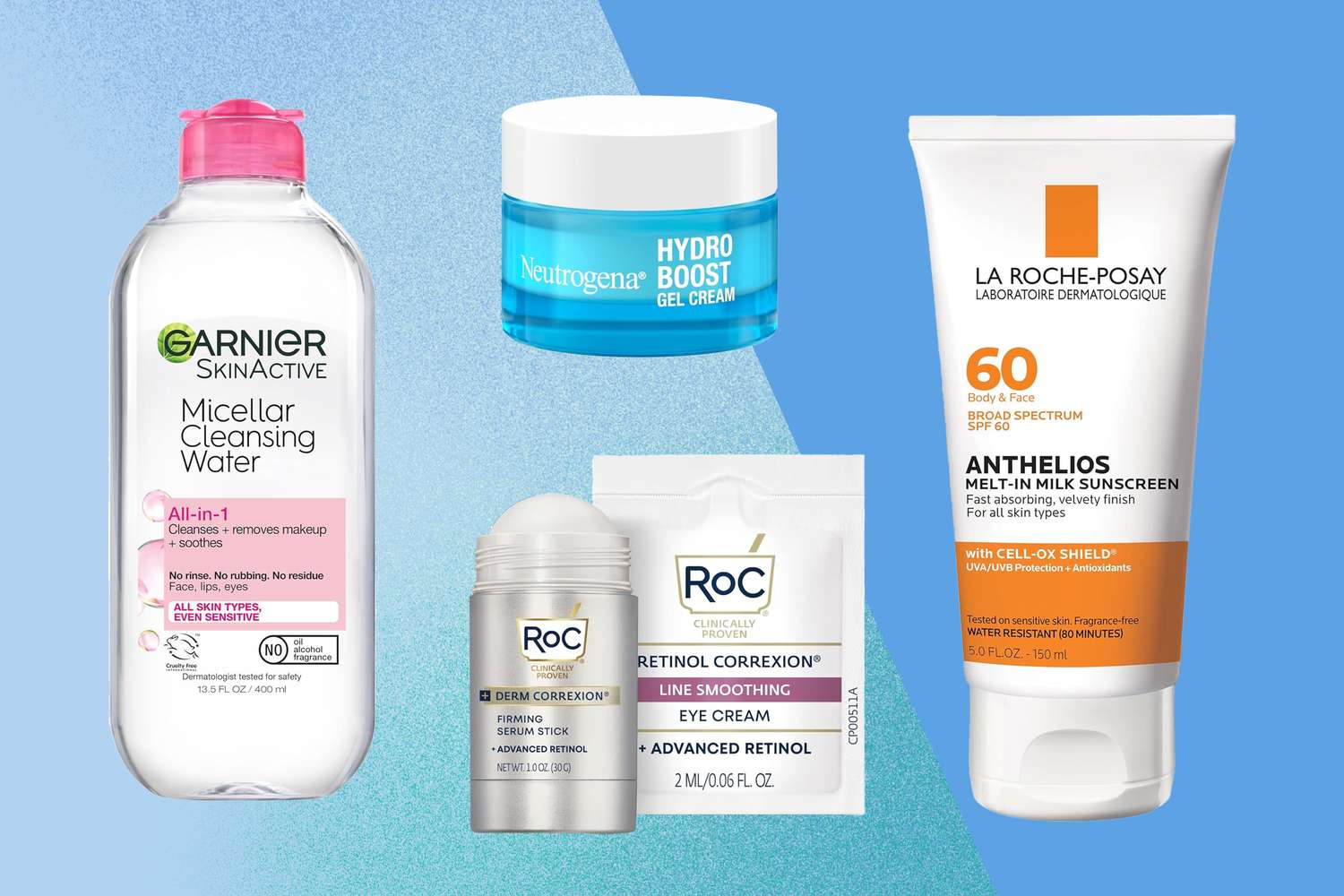
The idea that only luxury products can fight aging is one of the more convenient myths for marketing—and one of the least helpful for your wallet. Dermatologists highlight many budget-friendly, dermatologist-approved alternatives that rival expensive anti-aging products when paired with daily SPF. One expert shared eight anti-aging products he recommends for aging skin, all under USD 50 (approx. ₱2,800), underscoring that effective care does not have to be costly. Another specialist points to drugstore standouts: a lightweight, fragrance-free SPF moisturizer with hyaluronic acid that hydrates while protecting, and a USD 14 (approx. ₱800) ultra-light lotion with ceramides, hyaluronic acid, and broad-spectrum SPF that leaves a non-greasy, matte finish and layers well under makeup. These options show that the smartest investment is not a single luxury jar but a consistent routine centered on daily sunscreen. When you combine mineral SPF with proven actives like retinol and barrier-supporting moisturizers, you get a routine that protects, repairs, and preserves your skin’s future—without draining your savings.