
Botox-In-A-Bottle: What These Serums Can — And Can’t — Do
A “Botox-in-a-bottle” serum is a topical skincare formula that claims to visibly reduce expression lines and plump fine wrinkles without injections, often using peptide or lipid-targeting ingredients and hydrating bases to create a smoother, blurred finish on the skin over time rather than delivering the dramatic muscle-freezing or filler-level volume changes seen with in-office procedures. That promise is seductive, but it sets most buyers up for disappointment. Used as a botox alternative serum, these wrinkle reducing serums belong firmly in the non-invasive anti-aging camp: they sit on and just beneath the surface, where their powers are limited. Our testing, backed by dermatological assessments, made one thing clear—topicals can improve texture and early lines, but they are not needles in disguise and shouldn’t be shopped as such.
The Ordinary Argireline Solution 10%: Instant Blur, Slow Change
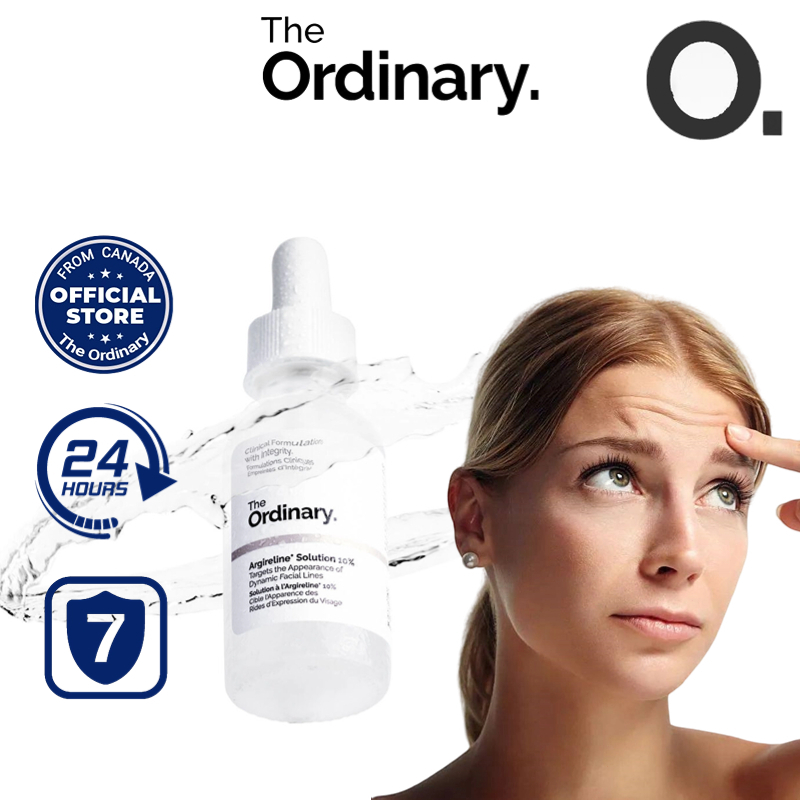
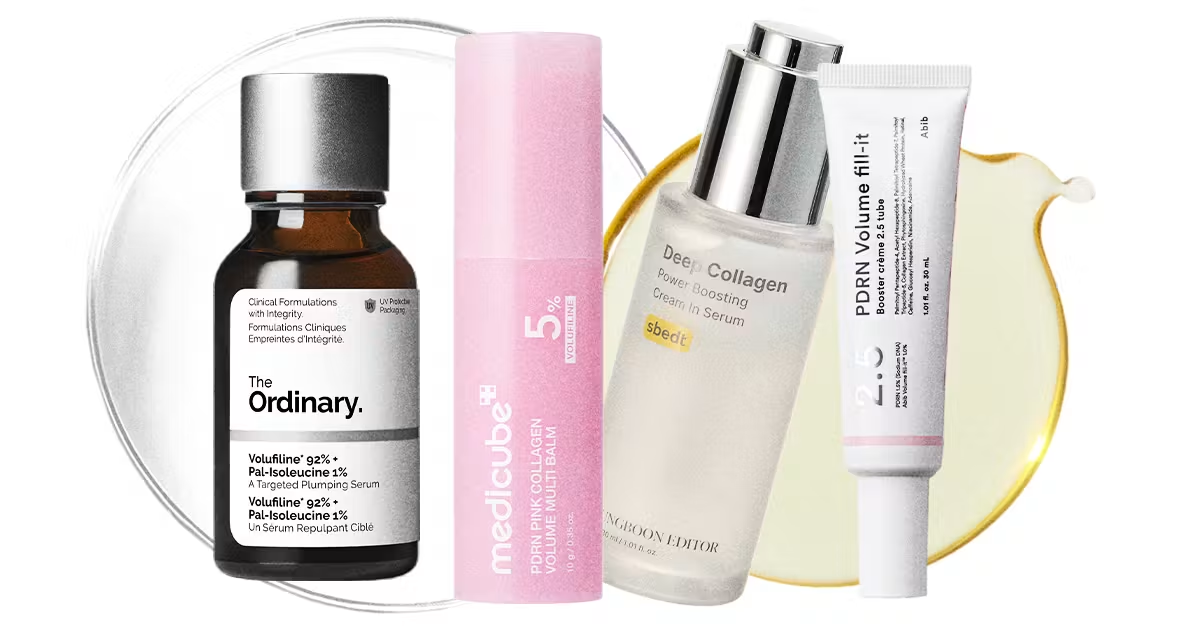
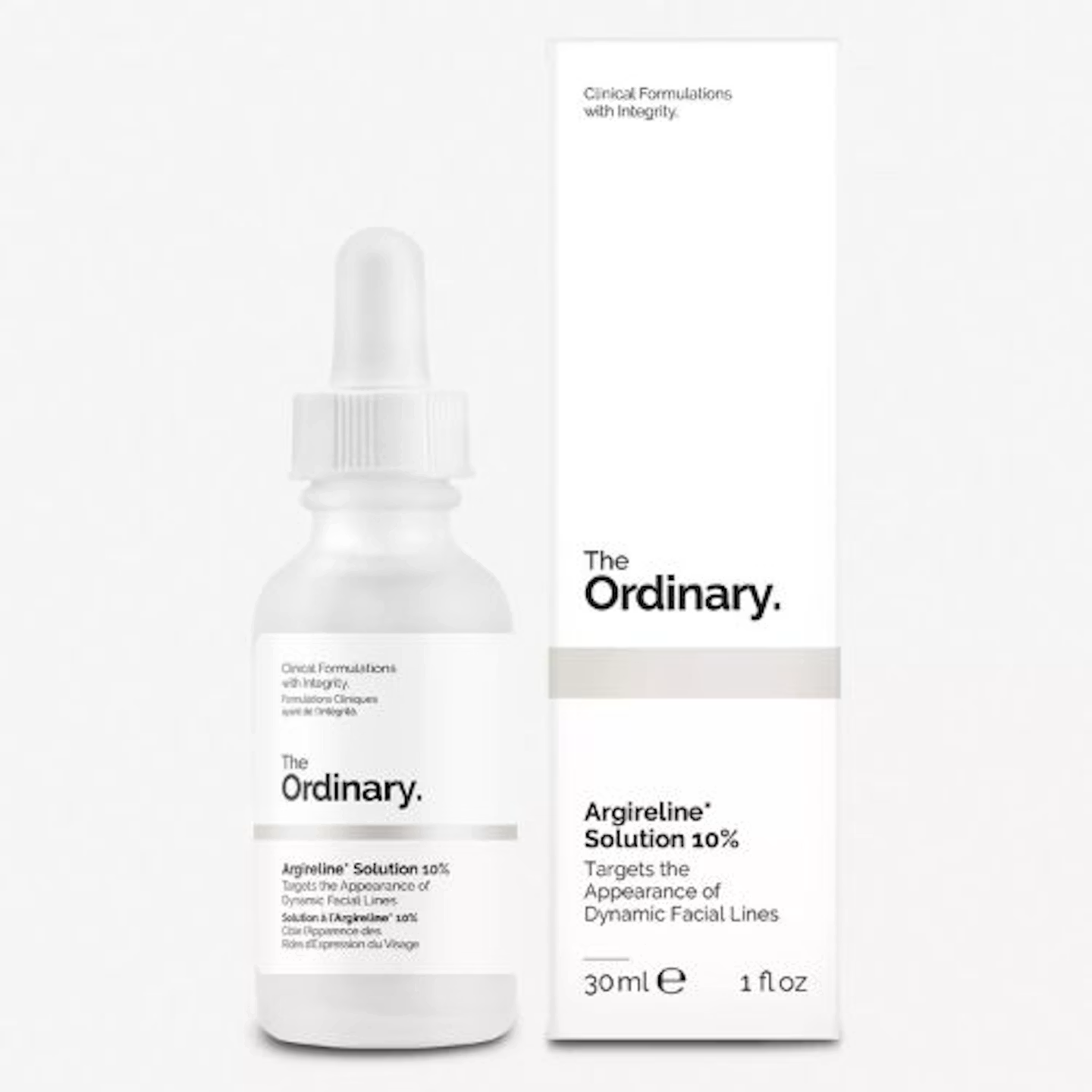
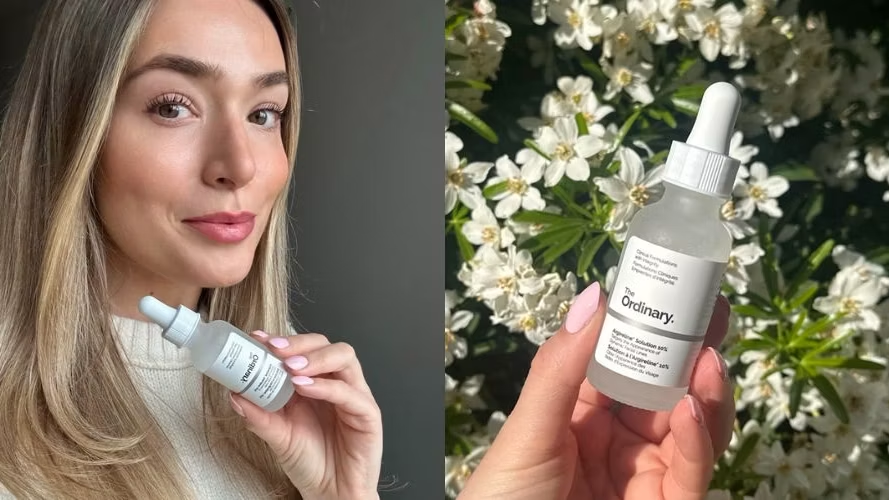
The Ordinary’s Argireline Solution 10% is the poster child for Botox-in-a-bottle claims, built around acetyl hexapeptide-3 to relax the look of expression lines. In real-world use, it behaves more like a clever soft-focus filter than a liquid neuromodulator. The featherlight formula feels like water, absorbs fast, and gives an immediate blurred, smoother finish under makeup, which makes it appealing as a daily primer-style botox alternative serum. One beauty writer described it as a “subtle soft-focus filter in a bottle” that “instantly gives the skin a fresher, plumper appearance and helps lines to look more diminished under make-up.” That matters: the instant payoff is mostly optical and textural, while genuine wrinkle reduction demands consistent use and patience. Expect improved fine lines and better foundation glide, not frozen foreheads or erased frown lines after a few drops.
Where Argireline earns its place among serious wrinkle reducing serums is in its targeted design. Expression lines on the forehead, between the brows, and around the mouth benefit from the peptide’s line-softening effect, but the timeline is measured in weeks of regular application, not seconds. Comparing user tests with dermatology feedback shows modest but real smoothing when the serum is used twice daily and paired with broad skincare basics like moisturizers and sun protection. The Ordinary’s ingredient-first approach helps deliver that non-invasive anti-aging support at a reasonable concentration, but marketing language about Botox-like results blurs the line between science and wishful thinking. Argireline is useful; it is not magic. Treat it as a smart supporting actor in your routine, not the single product that will rewrite your face.
Volufiline: Filler-In-A-Bottle, Or Just A Good Plumper?
Volufiline arrived with equally bold promises: “filler in a bottle” that boosts volume by encouraging fat-cell differentiation and lipid storage in the skin. On paper, that sounds like the topical answer to hyaluronic acid fillers, which physically occupy space in deeper tissues. In practice, the comparison falls apart. According to board-certified dermatologists interviewed by The Zoe Report, Volufiline is made from the plant-derived compound sarsasapogenin, but “based on the current evidence, [they’re] not convinced that topical Volufiline itself meaningfully increases facial fat or restores lost volume.” Most of the visible plumping people celebrate online likely comes from the moisturizing bases—squalane, humectants, and emollients—rather than any dramatic fat-cell shift. If Argireline focuses on muscle-related expression lines, Volufiline aims at volume, yet both sit within the same non-invasive anti-aging category, where effects are subtle and layered, not structural.
Our argireline volufiline comparison made the gap between claim and outcome clear. Volufiline-infused creams did deliver softer, more cushioned skin in user tests, especially on mildly dehydrated complexions with early fine lines. But the improvement looked similar to what you can get from a well-formulated hydrating routine rather than a filler-grade transformation. Dermatologists pointed out that topicals cannot reach the deeper fat layers where injectables work, and that independent clinical data on Volufiline is still limited. This matters for consumers seduced by viral videos: if you expect sculpted cheekbones or a restored midface, you will be disappointed. If you want an extra nudge of plumpness on top of hydration, Volufiline can be satisfying—but it is a skin-plumping agent, not a syringe replacement.
Ingredients vs. Visible Results: What Our Testing Revealed
When we put these formulas side by side and checked visible outcomes against ingredient promises, a pattern emerged: the more dramatic the marketing language, the more modest the results. Argireline serums tended to excel at surface-level smoothing, softening the look of dynamic fine lines and giving a polished canvas for makeup. Volufiline-based creams contributed a cushier feel and faint plumpness that dermatologists largely attribute to their hydrating formulations. Neither product behaved like a true injectable. That doesn’t make them failures; it makes them misbranded. As wrinkle reducing serums within a non-invasive anti-aging strategy, they offer incremental improvements: better texture, slightly softened lines, a more rested look. Our dermatological assessments reinforced that consistency, overall skin health, and sun protection have a bigger impact on aging than any single trending serum.
The argireline volufiline comparison also exposed how viral trends oversell isolated ingredients. Peptides and plant lipids do contribute to smoother, stronger skin barriers, but they work within complex formulations and daily routines, not as stand-alone miracles. When you zoom out from close-up TikTok footage and assess faces in neutral light, the supposed “Botox” or “filler” effects shrink to subtle refinements. That perspective is essential: shoppers need to match expectations to biology, not to marketing. These serums can bridge the gap between bare skin and in-office procedures, but they sit closer to moisturizer upgrades than to medical interventions. If you buy them for nuanced improvement, they can delight; if you buy them to replace needles, they will frustrate.
How To Shop Non-Invasive Anti-Aging Without Falling For Hype
The lesson from testing these “Botox-in-a-bottle” and “filler in a bottle” formulas is simple: treat viral claims as marketing, not medicine. A botox alternative serum like The Ordinary’s Argireline Solution 10% belongs in the same category as Volufiline creams and peptide-rich wrinkle reducing serums—incremental, non-invasive anti-aging tools that support, but cannot replace, professional treatments. Start by deciding what bothers you most: expression lines, dryness, or volume loss. Then pick formulas with clear ingredient logic and realistic claims, not dramatic before-and-afters. Look for hydration, barrier support, and targeted actives such as peptides, rather than miracle language about instant transformation. If a product promises injectable-level change with over-the-counter application, assume the photos are flattering angles and filters, not evidence.
In the end, separating hype from help comes down to bringing expectations back to skin-level reality. Serums with Argireline might soften how your forehead lines read in daylight; Volufiline blends might make your skin feel cushier and slightly more plump. Both can play a sensible role in an argireline volufiline comparison-driven routine, paired with sunscreen, retinoids, and moisturizers. None can freeze muscles or rebuild deep facial volume the way injectables do. If you approach these trends as small upgrades rather than silver bullets, you gain control over your routine and avoid the disappointment that often follows viral promises. Non-invasive anti-aging is about slow, consistent care—these serums are tools, not shortcuts.