

Minimalism Doesn’t Mean Ignoring the Weather
Seasonal skincare adjustments are targeted changes to the formulas, textures, and hydration levels of a stable routine, made in response to shifts in temperature, humidity, sweat, and UV exposure so that skin stays balanced without adding extra products or steps. The point of a minimalist routine isn’t to stubbornly use the same cream through a heatwave and a cold snap. It is to rely on a small set of reliable products—three to five essentials—and tweak them as conditions change so your skin can keep up. Heat, humidity and stronger sun alter how skin behaves; they increase sweat and oil production and can make some active ingredients more irritating or leave skin more vulnerable to sun damage. Ignoring that reality in the name of “simplicity” is not minimalism; it is neglect.

Why Smart Swaps Beat Product Piling
Minimalist routine swaps matter because the environment changes faster than your product shelf. Dermatologists are clear that most people do not need overflowing cabinets or 12-step routines; they need a handful of products that work and a consistent plan. The mistake is thinking summer demands an entirely new lineup. In reality, “it’s important to adapt treatment plans to account for increased UV exposure, heat, sweating and changes in skin behavior,” explains aesthetic doctor Dr. Dara Suite. That means adjusting textures and hydration levels rather than multiplying steps. For example, in humid climates you may not need to layer as much hydration as in winter, and can pare down rather than stack mists, essences, serums, moisturizers, and sunscreen. Over-exfoliating and layering too many active ingredients, especially when sun exposure is high, is one of the most common mistakes and increases the risk of irritation and pigmentation problems.
Build a Core Routine, Then Adapt It by Skin Type
A real minimalist routine starts with identifying three to five core products that serve you year-round: typically a cleanser, a treatment serum, a moisturizer, and a sunscreen. Summer skincare changes should focus on those essentials, not on adding trendy extras. For oily skin, dermatologists even encourage cutting down steps to avoid heavy layers; in humid climates, your skin naturally retains more moisture and you can sometimes get away with a single morning step: sunscreen. At night, an oily “slick ball” can benefit from swapping in a salicylic acid cleanser a few times a week to reduce sebum and keep pores clear, alternating with a sulfur cleanser to calm redness. Dry skin, often over-treated in winter, usually needs fewer hydrating layers in hot, humid months and can stay balanced with a lightweight serum, moisturizer, and sunscreen, plus less frequent exfoliation. No matter your skin type—oily, dry, combination, or acne-prone—its needs shift in summer and deserve tailored tweaks.
Summer: Lighter Textures, Stronger Protection
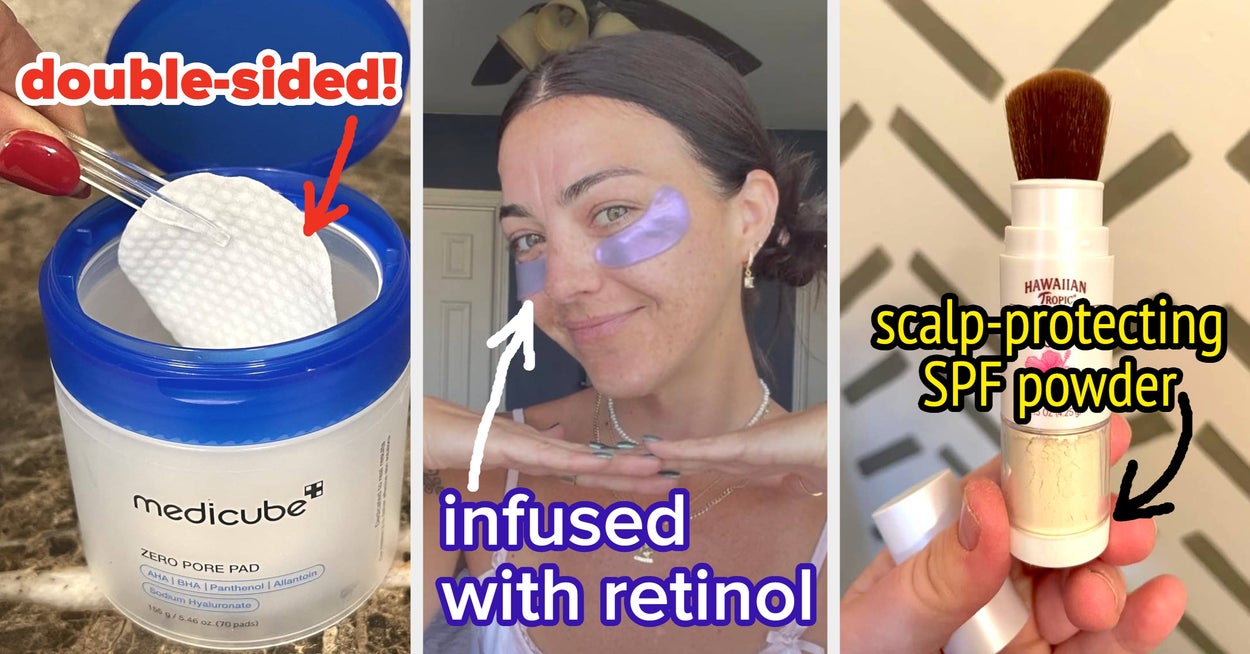
The biggest seasonal skincare adjustment for minimalists should be texture and protection, not step count. Heat and humidity increase sweat and oil, which means rich creams that felt comforting in winter can become suffocating in summer. Dermatologist skincare tips repeatedly highlight that in humid climates, skin can hold onto moisture more easily, so lighter textures are enough and heavy layering is unnecessary. Summer also brings more UV exposure, demanding smarter use of actives and more diligent sunscreen rather than abandoning your treatment goals altogether. According to one dermatologist, “you can absolutely use retinoids in the summer; you just have to be smart about them. You need to be extra diligent with sunscreen, which, let’s be real, you should be anyway.” The goal is not to do more in summer but, as Dr. Suite puts it, “to do the right things consistently and let your skin’s natural resilience do the rest.”
Protect Your Barrier and Skip the Overhauls
Minimalist seasonal skincare succeeds when you protect your barrier instead of chasing big, dramatic changes at the worst possible time. Experts recommend prioritizing options and habits that support hydration, strengthen the skin barrier, and improve overall resilience in warmer months, rather than aggressive resurfacing. Long-term resilience comes from a combination of habits and treatments working together, not one miracle product or procedure. One of the most common mistakes is booking intensive resurfacing treatments without considering upcoming sun exposure or travel, which can raise the risk of post-inflammatory pigmentation and interfere with healing. Over-exfoliating and stacking too many high-strength actives on top of that is another fast track to a compromised barrier. Seasonal skincare adjustments should feel like a refresh, not a reset: keep your core minimalist routine, swap formulas for lighter or more hydrating textures depending on climate, stay serious about SPF, and let consistency—not constant change—do the heavy lifting.