
The Real Choice in Dark Spot Treatment: Power vs. Tolerance
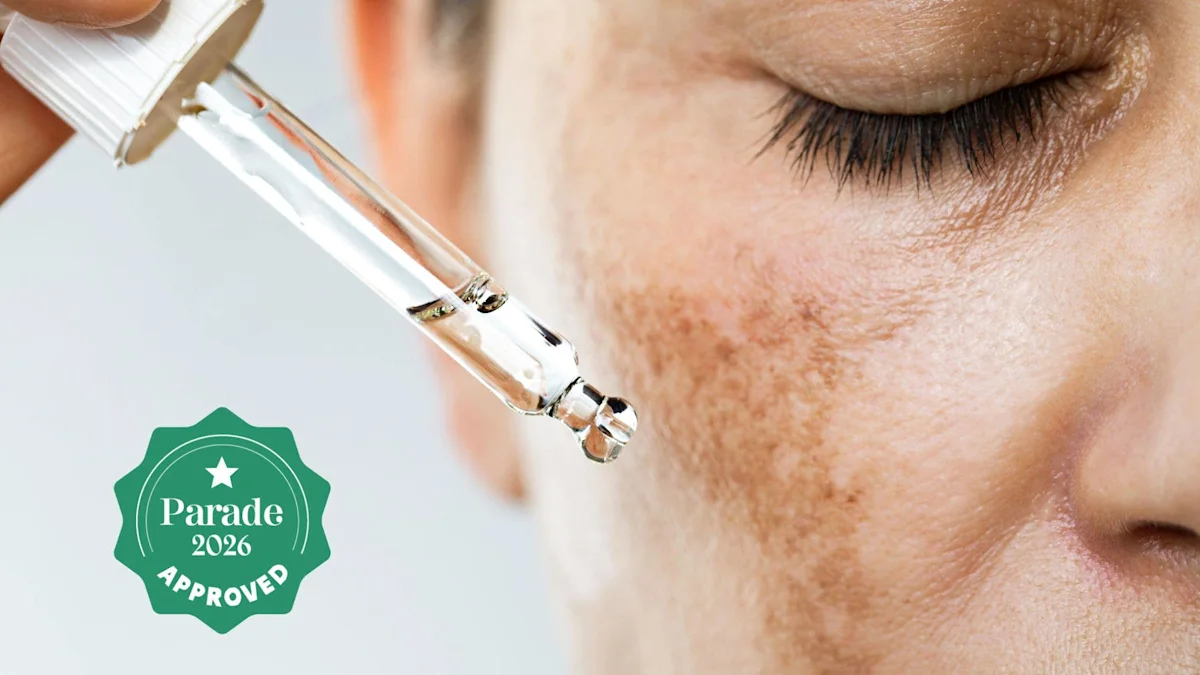
Dark spot treatment refers to skincare products and protocols designed to fade visible patches of excess melanin—whether from sun exposure, hormones, or post-acne marks—and restore a more even complexion by either directly slowing pigment production or gradually lifting existing surface discoloration over time. The blunt truth: you are choosing between power and tolerance. Prescription hydroquinone cream is the high-performance option that goes after the pigment engine itself, while retinol alternatives and brightening moisturizers focus on slow, steady hyperpigmentation removal. Hydroquinone has been labeled the gold standard for hyperpigmentation for decades, and dermatology experts still call it “one of the most effective ingredients” for stubborn dark spots when used correctly. Yet the strongest treatment is useless if you cannot tolerate it or access it. That’s why bakuchiol- and niacinamide-based creams now challenge hydroquinone for everyday use, especially on sensitive skin.
Hydroquinone Cream: Gold-Standard Results With Real Strings Attached
Hydroquinone cream earns its reputation because it interferes with tyrosinase, the key enzyme that makes pigment, so excess melanin production slows and existing dark spots gradually fade. In plain terms, it goes straight to the source, which is why a 4% prescription formula is the benchmark for melasma, sun spots, and post-inflammatory hyperpigmentation. This direct action makes hydroquinone the go-to when “truly stubborn” discoloration has laughed at vitamin C, niacinamide, or mild serums. But the strings are significant. Over-the-counter hydroquinone is no longer FDA-approved in the United States, so most people now need a prescription to get it, which raises both cost and access hurdles. It can cause irritation, dryness, and redness, and long-term use of higher strengths has been linked—though rarely—to blue-gray exogenous ochronosis. It also works best on pigment in the upper skin layers; deeper discoloration may demand in‑office procedures plus topicals. Hydroquinone is powerful medicine, not casual skincare, and should be treated that way.
Retinol Alternatives Like Cetaphil: Fast Wins for Sensitive, Everyday Use
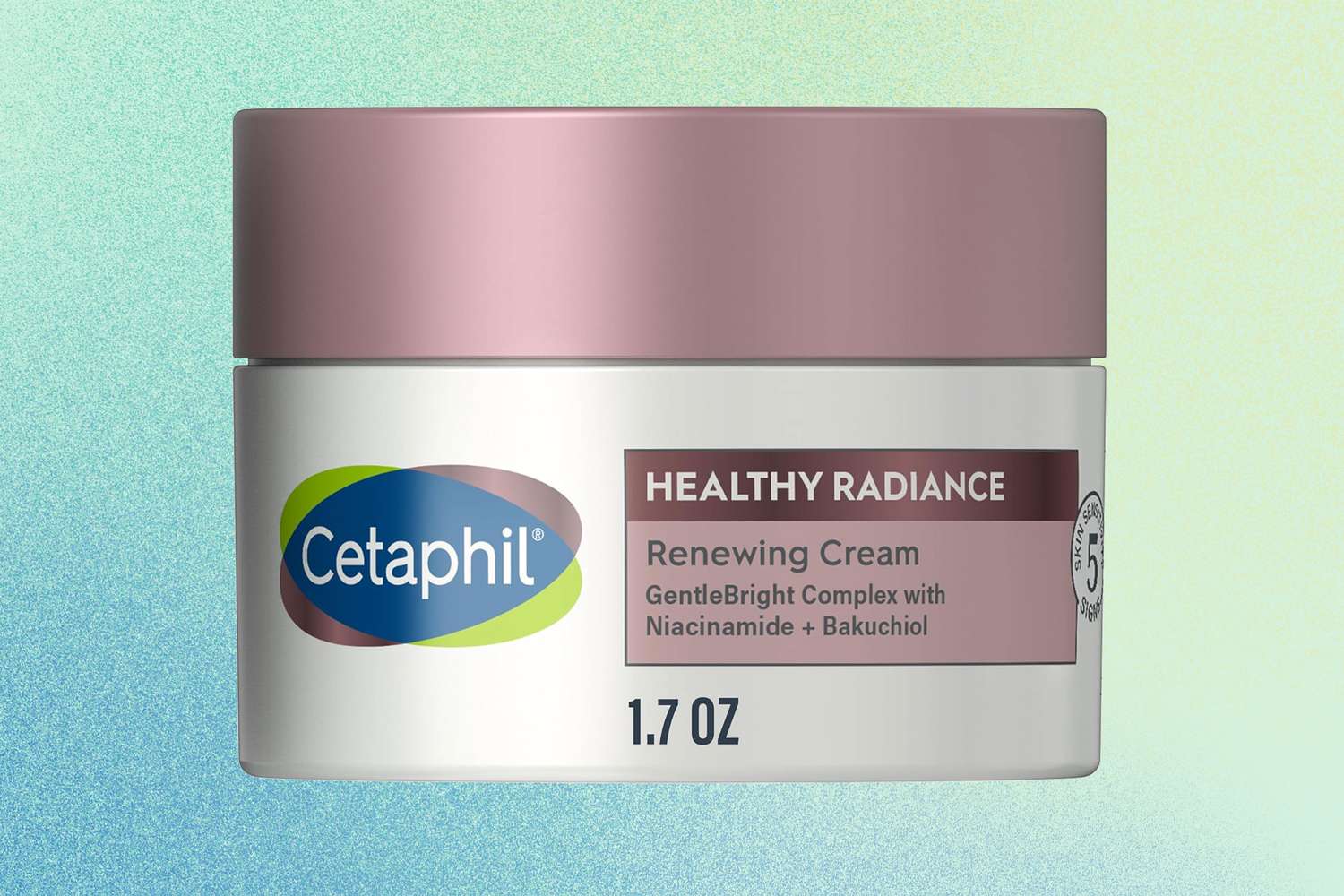
If hydroquinone is the strict boot camp, bakuchiol-based moisturizers are the patient coach. Cetaphil’s Healthy Radiance Renewing Cream relies on niacinamide to fade hyperpigmentation and dark spots while bakuchiol, a milder, plant-derived alternative to retinol, supports collagen and improves elasticity without classic retinol harshness. That combination targets dark spots, fine lines, and barrier health at once—especially appealing for sensitive or chronically dry skin. Shoppers report visible changes quickly; one reviewer saw “a big difference” in skin tone, with brown spots already fading and wrinkles less noticeable after just five days of use when applied morning and night. The bigger story is that this kind of formula makes hyperpigmentation removal realistic for people who can’t tolerate prescription actives. It softens, moisturizes, and fades rather than strip and inflame, turning dark spot treatment from a medical project into a daily habit that sensitive skin can actually handle.
Matching Treatment Intensity to Dark Spot Severity—and Budget
Pretending all dark spots are equal is the fastest way to waste money and irritate your face. Dermatology experts point out that lower hydroquinone strengths suit milder discoloration or sensitive skin, while higher concentrations are reserved for more persistent pigmentation under medical supervision due to irritation risk. Some pigment deeper in the dermis may barely respond to hydroquinone at all, and will need peels or lasers on top. On the other side of the aisle, accessible OTC formulas like Cetaphil’s bakuchiol and niacinamide cream target hyperpigmentation more gently, trading speed on the most stubborn spots for consistency and comfort. Cost and accessibility split sharply here: prescription hydroquinone demands clinic visits and controlled use, while long-standing OTC fade creams remain reachable options for mild discoloration even as regulations tighten. My view: reserve hydroquinone cream for pronounced, resistant dark patches and let retinol alternatives handle everyday tone-smoothing.
Why Smart Combinations Beat Single-Ingredient Obsession
The smartest dark spot treatment strategy stops worshiping a single hero ingredient. Experts emphasize that hydroquinone works best as a finite course, cycled with non‑hydroquinone products for long‑term pigment control. Some advanced formulas combine hydroquinone with kojic acid, azelaic acid, or resveratrol to hit discoloration through several pathways at once, while hydroquinone‑free serums can still “target discoloration through multiple pathways” for sensitive users or maintenance after a hydroquinone cycle. On the gentler side, pairing niacinamide and bakuchiol inside one cream already delivers multitask benefits: fading dark spots, smoothing wrinkles, and reinforcing the skin barrier for sensitive types. The takeaway is clear: combine, don’t over-rely. Use hydroquinone strategically for stubborn, well‑defined patches. Lean on retinol alternatives and brighteners the rest of the time. The fastest, most sustainable hyperpigmentation removal comes from a layered plan you can stick to—not the strongest product you burn out on.