
The real topic: GPU value comparison, not raw speed
This article compares the value proposition of older or legacy GPUs such as the RTX 3060 against newer budget graphics cards like Nvidia’s RTX 5060, focusing on performance-per-dollar, VRAM capacity, and long-term usability for gaming and AI workloads rather than on paper specifications alone. In short: if you play modern games at 1080p or 1440p and dabble in local AI or creative work, the five‑year‑old RTX 3060 often gives you better real‑world value; if you only care about frame rates in today’s games and can live with tighter VRAM, the RTX 5060 is the faster but less flexible option. Price compression means the smartest budget GPU deals are no longer the newest cards, but the previous‑generation hardware that still holds up where it matters.
Pricing and hard specs: where the money goes
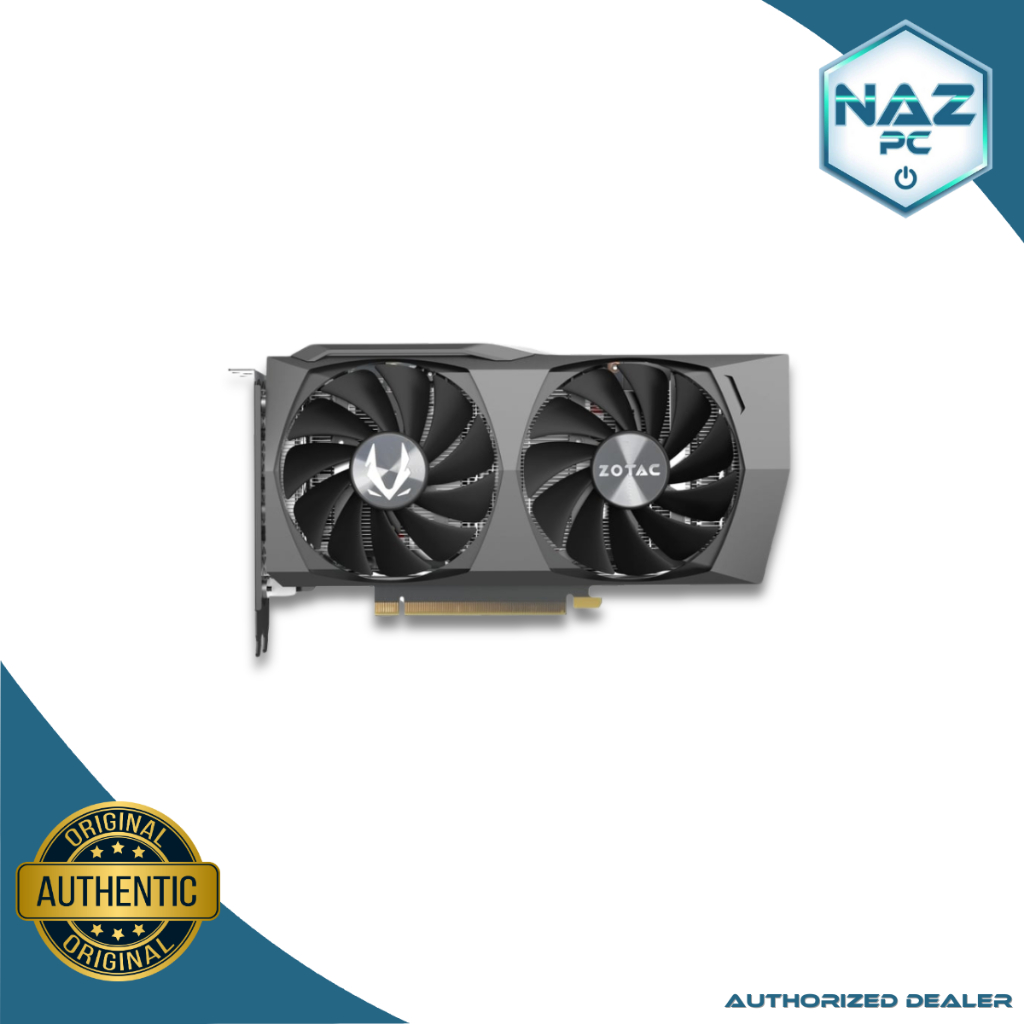
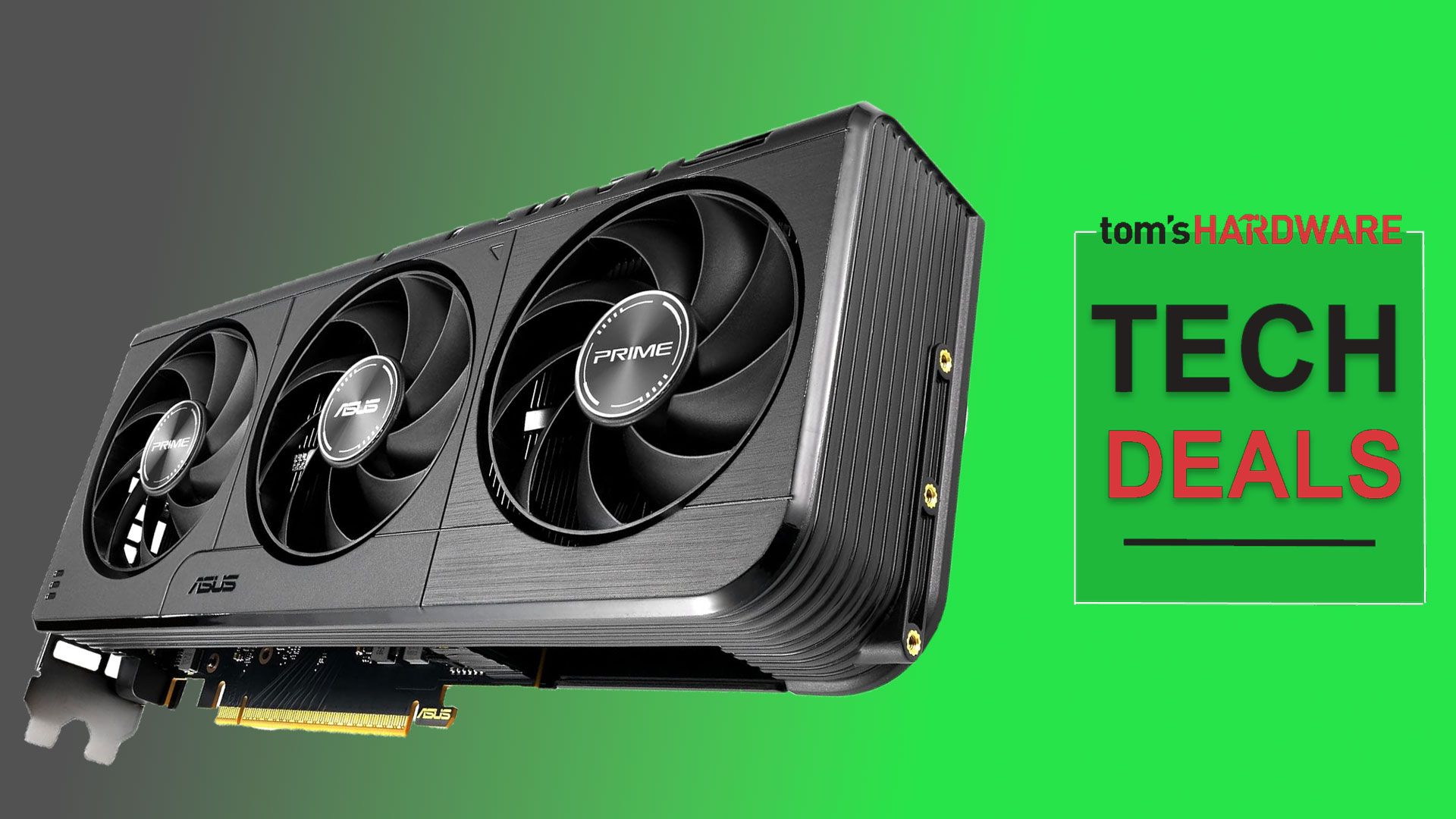
Before you dive into benchmarks, you should look at what you pay and what you get. The RTX 3060 12GB has reappeared at retail at its original February 2021 MSRP of USD 329 (approx. ₱19,000), with listings around USD 329 (approx. ₱19,000) up to USD 359 (approx. ₱20,700). Meanwhile, an Asus RTX 5060 deal targeted at Prime members drops the newer card to USD 301.62 (approx. ₱17,400), only USD 2 above its MSRP. On paper, the newer card is cheaper and far faster in typical gaming tests, but the older RTX 3060 counters with a bigger VRAM pool that affects longevity and AI use. According to Valve’s hardware survey quoted in one source, the RTX 3060 is already the second most common GPU among Steam users, underlining how widely it is adopted as a mainstream choice.
| Spec | RTX 3060 12GB | RTX 5060 8GB |
|---|---|---|
| Approx. current price | USD 329–359 (approx. ₱19,000–₱20,700) | USD 301.62 (approx. ₱17,400) with targeted deal |
| VRAM capacity | 12GB GDDR6 | 8GB (Blackwell‑generation card) |
| Relative gaming performance | Trails newer budget GPUs; loses by 40–60% in many titles | Outperforms RTX 3060 by 40–60% in modern games |
| DLSS / frame generation support | Older encoders; lacks latest DLSS and frame‑generation features | Supports DLSS 4.5 and modern frame generation when VRAM allows |
| Local AI capability | Runs mid‑sized 9B–12B models entirely in VRAM; popular in local AI community | 8GB VRAM acts as a hard ceiling; spills to system RAM on mid‑sized models |
RTX 5060: faster gaming today, narrower future headroom
The strongest argument for the RTX 5060 is simple: it is faster, and not by a small margin. Depending on the title, Nvidia’s latest budget GPU outperforms the RTX 3060 by 40–60% in raw gaming performance, and even in raster‑only tests the older card greatly trails in the 2026 benchmark suite. This performance is driven by the newer Blackwell architecture plus support for DLSS 4.5 and modern frame generation, giving strong bang for the buck within its class. If your goal is an entry‑level gaming upgrade and you qualify for the discounted Asus card, one source concludes you "should jump on it while you can." The catch is its 8GB VRAM. Modern AAA releases now treat 8GB as the bare floor rather than a comfortable baseline, which means you start hitting VRAM limits at 1080p and 1440p instead of only at 4K. As games and textures get heavier, that constraint will show up sooner.
RTX 3060: slower frames, but more VRAM, longevity, and AI flexibility
On paper, the RTX 3060 12GB is a modest Ampere‑based GPU, but its revived MSRP of USD 329 (approx. ₱19,000) comes with features that matter more over time than in benchmarks. The card’s 12GB GDDR6 VRAM sits in a different hardware economy from Nvidia’s newest GDDR7‑equipped GPUs, avoiding some of the price inflation driven by AI demand. More importantly, that extra 4GB is a longevity spec, not a pure performance number: it dictates how a card ages through years three and four, especially for buyers who do not plan to upgrade again soon. One source notes that the RTX 3060 offers a degree of versatility and longevity no other budget card seems to match when you factor in VRAM budget, local AI inference, and light productivity. In local AI tests, 8GB VRAM forms a hard ceiling, whereas the 3060’s 12GB can run mid‑sized models at more than twice the speed of comparable 8GB cards by staying entirely in VRAM.
Why older GPUs and legacy hardware now outvalue new budget cards
The re‑release of a five‑year‑old GPU at its original launch price looks like market regression, but it is not bad news for buyers. Price compression and stagnant entry‑level designs mean the best budget GPU in 2026 can be the one made in 2021, especially if you care about more than a single metric. Modern AAA games, console ports, ray tracing buffers, and frame‑generation overhead all increase VRAM pressure at every resolution, which is why 8GB hits a practical wall even at 1080p and 1440p today. That trend rewards anyone willing to consider previous‑generation options with larger VRAM pools. One source argues that for workloads stretching beyond gaming into AI and light productivity, the RTX 3060 may be a better choice because the extra 4GB starts to make a difference in how the card ages. In other words, smart budget GPU deals now come from careful GPU value comparison across generations, not blind loyalty to the newest model number.
Buy if / Skip if
- Buy the RTX 5060 if you want the highest frame rates per dollar today and care most about faster gaming performance over the next few years.
- Skip the RTX 5060 if you play VRAM‑heavy AAA games at 1080p or 1440p and worry about 8GB becoming a hard limit for textures and ray tracing.
- Buy the RTX 3060 if your workloads include local AI inference, creative apps, or light productivity where 12GB of VRAM and better memory headroom matter more than raw speed.
- Skip the RTX 3060 if your only priority is maximum FPS in current games and you are comfortable upgrading again sooner when VRAM limits start to bite.
- Buy the RTX 3060 if you want a budget GPU that may age more gracefully thanks to its larger VRAM buffer, especially when you plan to keep the card for several years.
- Skip the RTX 5060 if you expected it to be the obvious best budget GPU deal; the revived RTX 3060 and other legacy hardware can outvalue it when you factor in longevity and versatility.