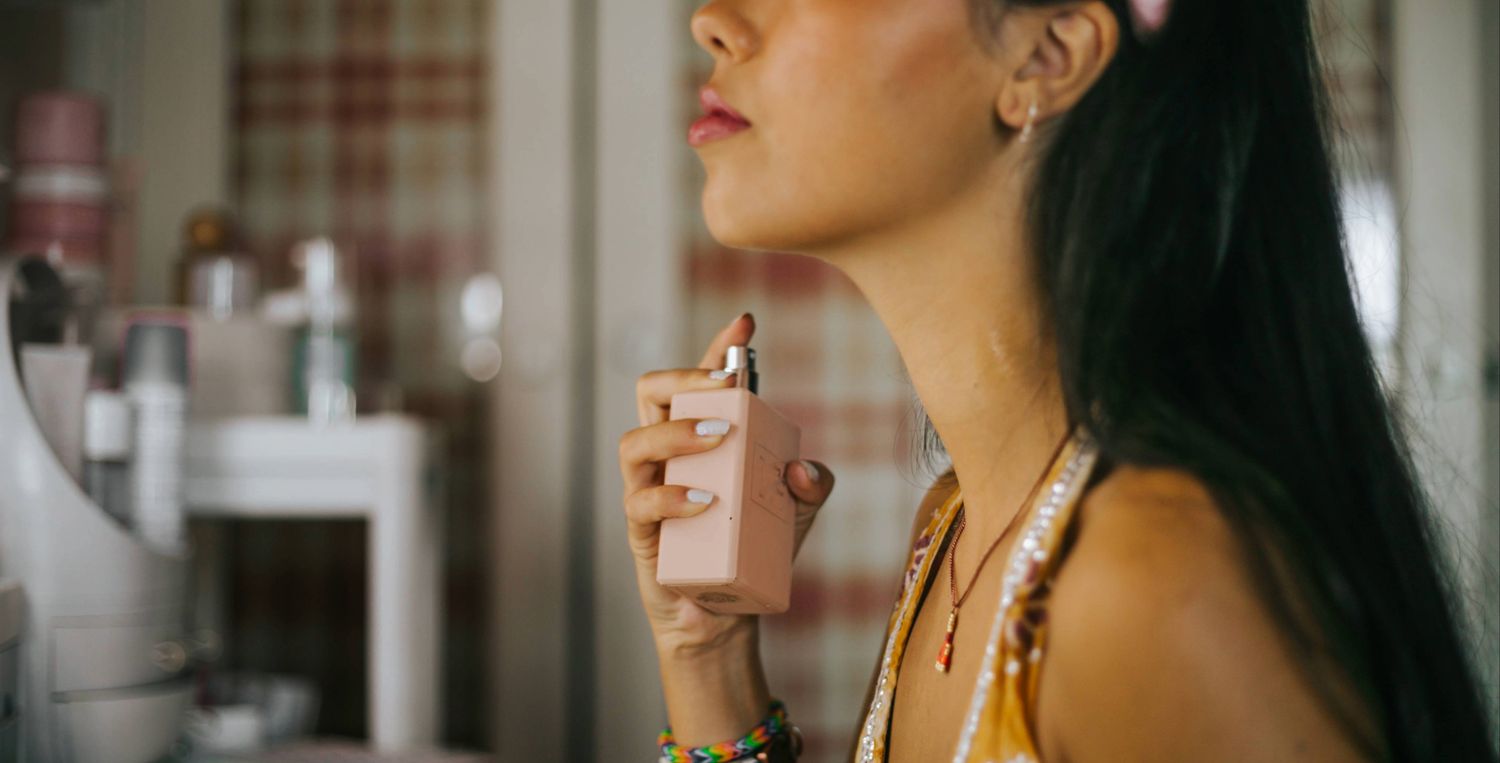

From Overwhelming Counters to AI Fragrance Discovery
AI fragrance discovery is the use of data-driven scent matching technology and subscription-based sampling to deliver personalized perfume recommendations, allowing people to try curated, smaller-format fragrances at home and identify a signature scent with less guesswork, lower cost, and fewer overwhelming choices than traditional retail fragrance shopping. This shift matters because the classic department-store perfume counter was designed to sell bottles fast, not to help you live with a scent slowly. When every spritz feels like a high-stakes decision, many consumers either stick to safe, well-known brands or give up on exploring niche and prestige fragrances. By combining AI-driven curation with travel-sized samples, platforms like Scentbird don’t just add convenience; they reframe fragrance as an ongoing experience rather than a one-time purchase.
How Subscription Sampling Cuts Through Fragrance Decision Fatigue
What subscription sampling models get right is that fragrance discovery works best in real life, over time. A single paper blotter and a three-minute sales pitch in a crowded store cannot compete with living in an 8-ml travel spray for weeks, noticing how it behaves on your skin, and seeing whether compliments follow you through a long day. Scentbird’s monthly format and curated assortment of designer, niche, and luxury houses turn that slow testing into an affordable habit rather than an occasional splurge. Instead of staring at shelves and trying to decode notes like oud, patchouli, and vetiver, subscribers receive focused options that already align with their stated preferences, reducing both decision fatigue and the risk of buyer’s remorse. In effect, sampling becomes a low-pressure experiment, not a financial gamble on a full-size bottle.
Scent Matching Technology and Personalized Perfume Recommendations
The most powerful change is not the travel-sized vial; it is the guidance behind it. Scent matching technology uses stated likes and dislikes, past selections, and evolving behaviors to generate personalized perfume recommendations, rather than serving up random bestsellers. According to Scentbird’s chief executive officer Mariya Nurislamova, the model "lets consumers live with a scent for weeks, not minutes," and that extended wear is paired with individualized AI suggestions and education about fragrance notes. This combination turns a vague preference for "sweet" or "fresh" into a specific profile that might include skin-hugging gourmands, chypre structures, or milky, layered bases that help perfumes last 10-plus hours. Over time, subscribers learn why certain notes feel like them, and the algorithm steers them toward scents that fit both their personality and their practical needs, from office-friendly sillage to beast-mode longevity.
Democratizing Access to Niche and Prestige Fragrances
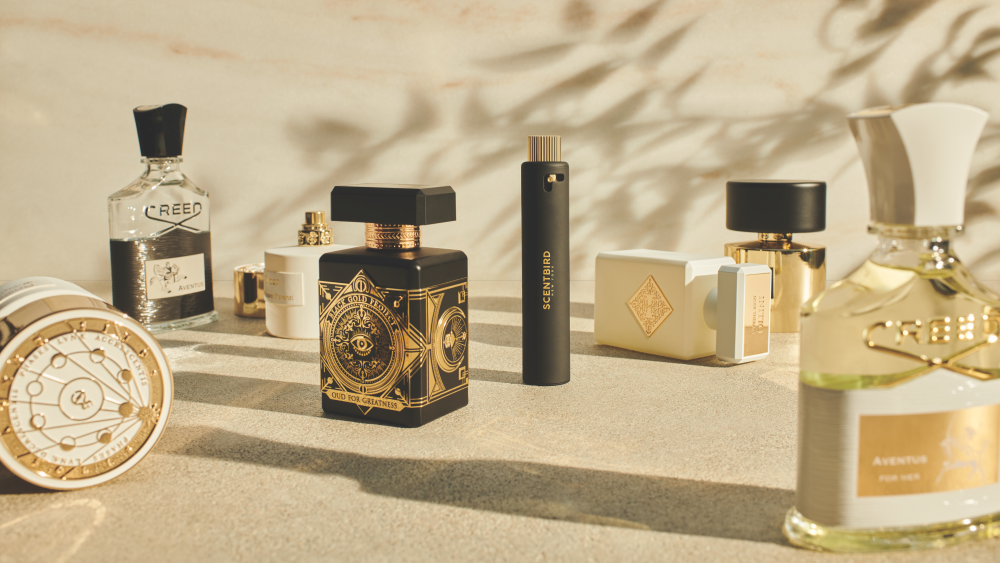
AI-driven curation does more than help people find a signature scent; it changes whose scents get found. Traditional counters skew toward mainstream releases, while many niche and prestige houses remain hidden in specialty boutiques or online corners. Scentbird’s assortment spans more than 1,000 fragrances, including luxury names such as Creed, Parfums de Marly and Ex Nihilo, alongside trendy niche favorites and emerging brands. When those perfumes appear inside a discovery platform that already knows a subscriber’s taste, they move from obscure to accessible overnight. Brand partners have reported about a four percent conversion rate from sample to full-sized bottle, which shows that exposure leads to commitment when the match is right. Instead of prestige fragrance being reserved for the few who know where to look, AI fragrance discovery pushes it into the everyday rotation of curious, engaged consumers.
Why AI Fragrance Discovery Complements, Not Replaces, Retail
Despite its disruptive image, AI-powered fragrance discovery does not need to kill the classic perfume counter; it makes it work better. Subscribers who test and fall in love with a scent in travel size often buy full bottles from brand websites, beauty retailers, and department stores. Scentbird’s community already frequents names like Sephora, Ulta, Macy’s, Bloomingdale’s, Neiman Marcus and Saks Fifth Avenue, proving that guided sampling and traditional retail feed each other. Technology handles the tedious part of discovery: narrowing thousands of options into a few promising vials, tracking what you enjoy, and suggesting adjacent scents. Retail then becomes the place where you go for the tactile, social side of fragrance shopping, from beautiful displays to in-person advice. The future of perfume will belong to consumers who expect both: data-informed scent matching at home, and immersive, human discovery in store.