
The paradox: market collapse, premium boom
The current smartphone market decline describes a sharp fall in global shipments to the lowest levels since 2013 as soaring DRAM and NAND costs, driven by an AI-fueled memory shortage, hit budget devices hardest while premium brands like Apple and Samsung increase share by absorbing costs, holding prices steadier, and leaning on carrier subsidies. Global smartphone shipments fell 11% year over year in the second quarter, marking the weakest performance since 2013 as buyers delayed upgrades or moved to older models. Another shipment estimate puts the drop at 4% year-on-year for the same quarter, but both sets of data agree on one thing: this is the worst second quarter in more than a decade and it is being driven by a memory crisis, not by a lack of interest in phones.
How AI’s memory appetite broke the budget phone
This smartphone slump did not start with phones; it started in AI data centers. Memory suppliers shifted more production toward higher‑margin AI demand, starving handset makers of DRAM and NAND and driving up component costs. Some vendors now face memory that costs four to five times more than a year ago, and memory and storage alone account for more than 60% of the bill of materials in budget smartphones. That memory shortage impact is brutal for the sub‑$400 segment, where margins are thin and price sensitivity is high. Vendors cannot swallow those costs, so they slash product lines, raise prices, or downgrade specs. The steepest volume drops are hitting these mass‑market devices, turning what used to be the most competitive and crowded tier into a wasteland of delayed launches and cancelled models.
Why Apple and Samsung are thriving in the chaos
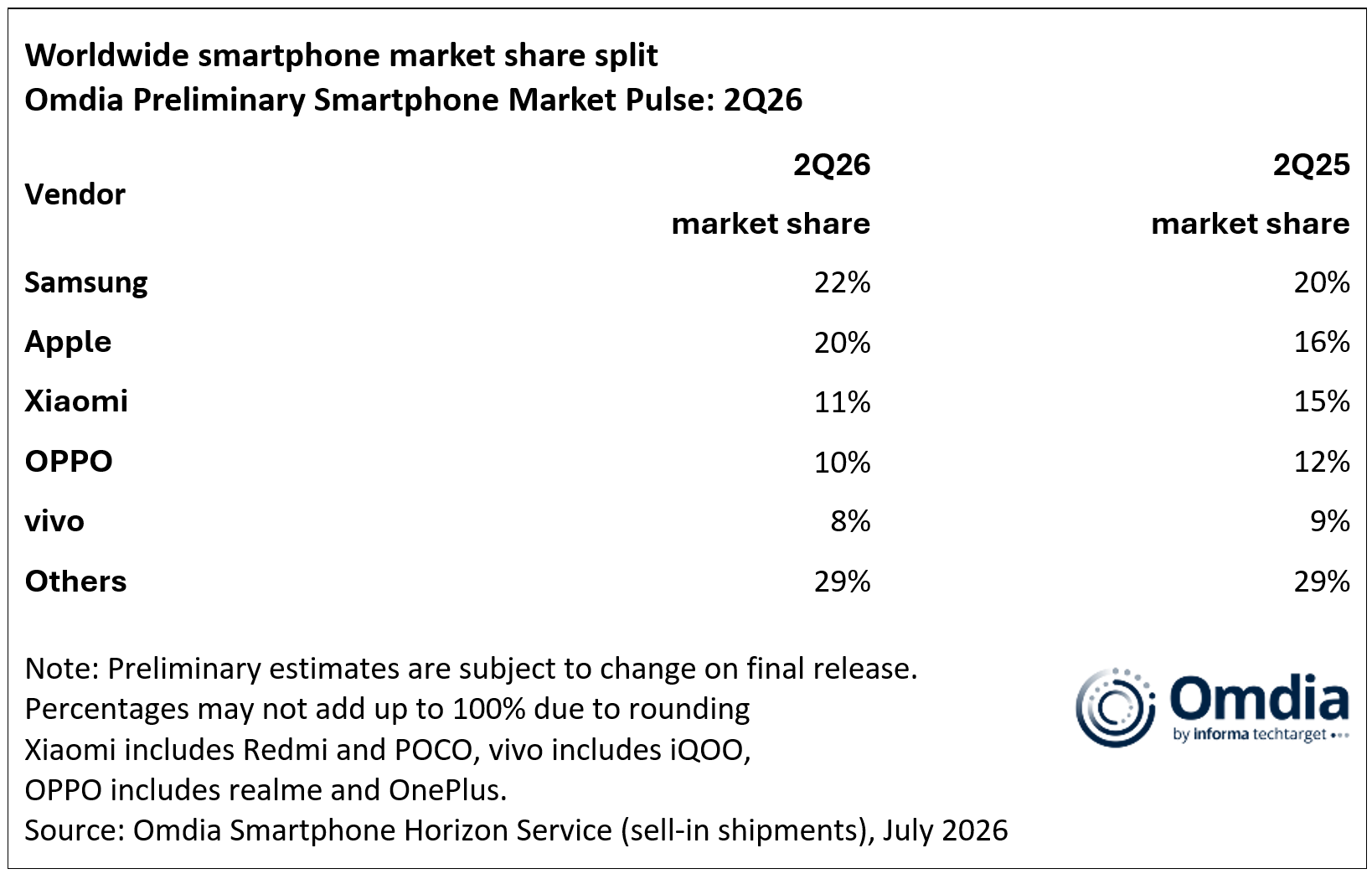
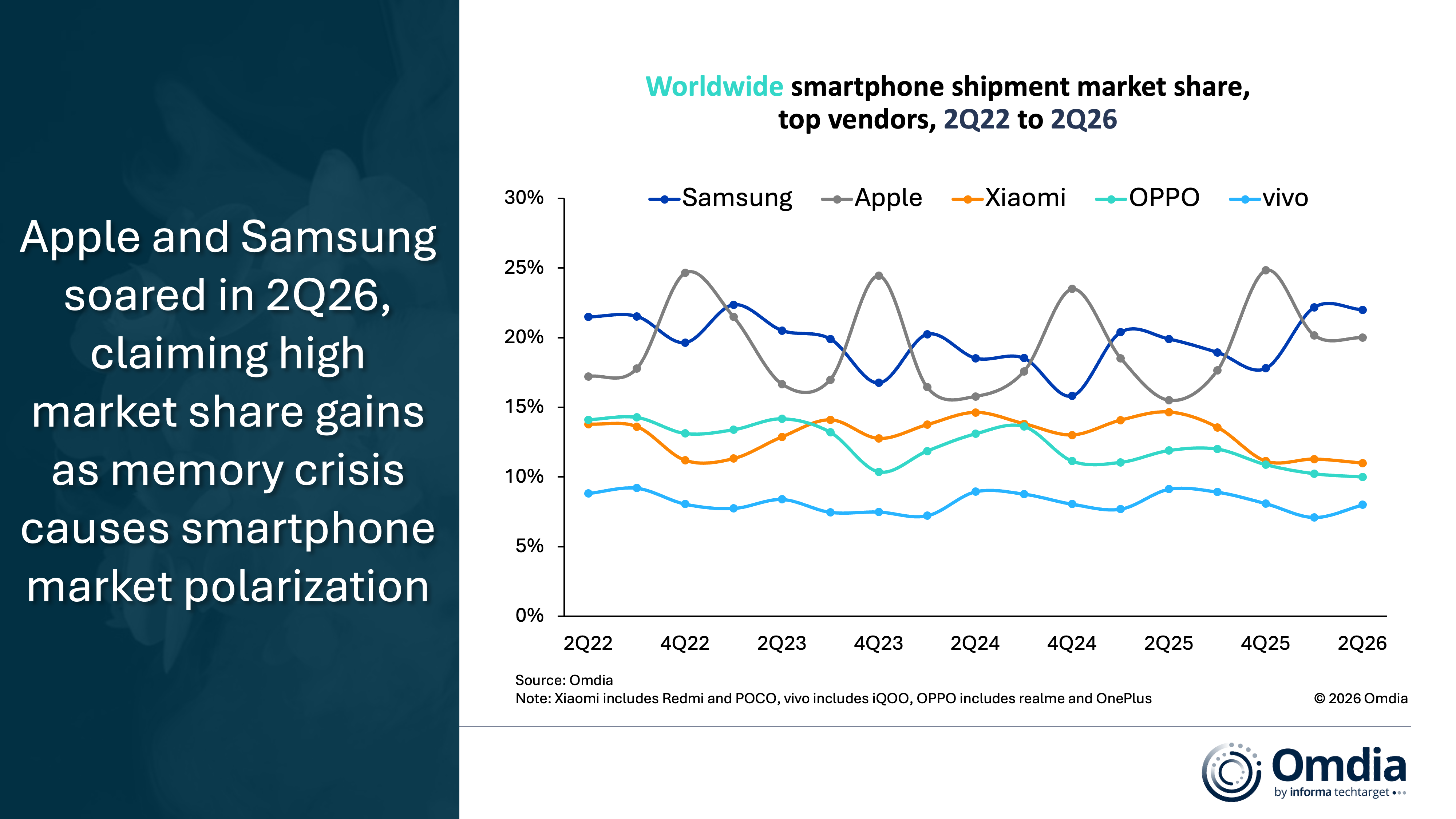
While the market shrinks, Apple market share growth and Samsung’s gains show how scale and brand power rewrite the rules. Apple grew iPhone shipments by 3% year on year and captured a record 20% share of global smartphone shipments despite the downturn. Another shipment tracker says Apple delivered its best second quarter ever with the same 20% share, while Samsung remained number one with 22–24% share. One quotable takeaway is simple: “Apple’s shipments grew 3% YoY during the quarter, while its market share climbed to a record 20%.” Both companies increased share by several percentage points, even as overall volumes fell. Premium phone trends favor them because they can secure memory, avoid or delay price hikes, and rely on carrier contracts that hide higher component costs behind monthly payments. Smaller vendors focused on mid‑range and budget phones lack those cushions and are retreating.
What this means for everyday buyers
For ordinary users, the memory shortage impact is already visible. Many people are holding on to their current phones longer or trading down to earlier‑generation models instead of buying new ones. Vendors are trimming low‑margin models and moving upmarket, which means fewer choices for budget‑constrained buyers and more pressure to accept higher prices, finance a pricier phone, or lower expectations on specs. According to one supply‑chain analysis, memory and storage now make up more than 60% of the bill of materials for smartphones priced below $400, and over 64% for devices under $99, leaving almost no room to absorb cost spikes. As a result, mass‑market buyers are increasingly pushed toward refurbished and previous‑generation devices, and the pre‑owned market is shifting from a niche to a default path for anyone who does not want to pay premium‑phone prices.

The next phase: fewer new phones, more used ones
The bad news is that this smartphone market decline is not a short‑term blip. One research firm expects global smartphone shipments to fall around 14% for the full year, with the memory shortage lasting into 2027. Another warns that memory price declines are unlikely before the second half of 2027, and even then prices will probably not return to pre‑2025 levels. Analysts also expect the sharpest volume declines in the next two quarters, when new launches and holiday demand collide with constrained chip supply. Vendors are already planning for this future by trimming low‑margin budget models and leaning harder into refurbished and previous‑generation phones for price‑sensitive buyers. In practice, that means the smartphone landscape will keep polarizing: a healthy, profitable premium tier dominated by Apple and Samsung, and a patchwork of older and pre‑owned devices for everyone unwilling—or unable—to pay flagship prices.