

A shrinking market that strengthens the leaders
The current global smartphone downturn is a period in which overall shipments are falling while the largest brands grow their smartphone market share by prioritizing premium devices, stable pricing, and reliable supply over high-volume sales of low-margin budget models.
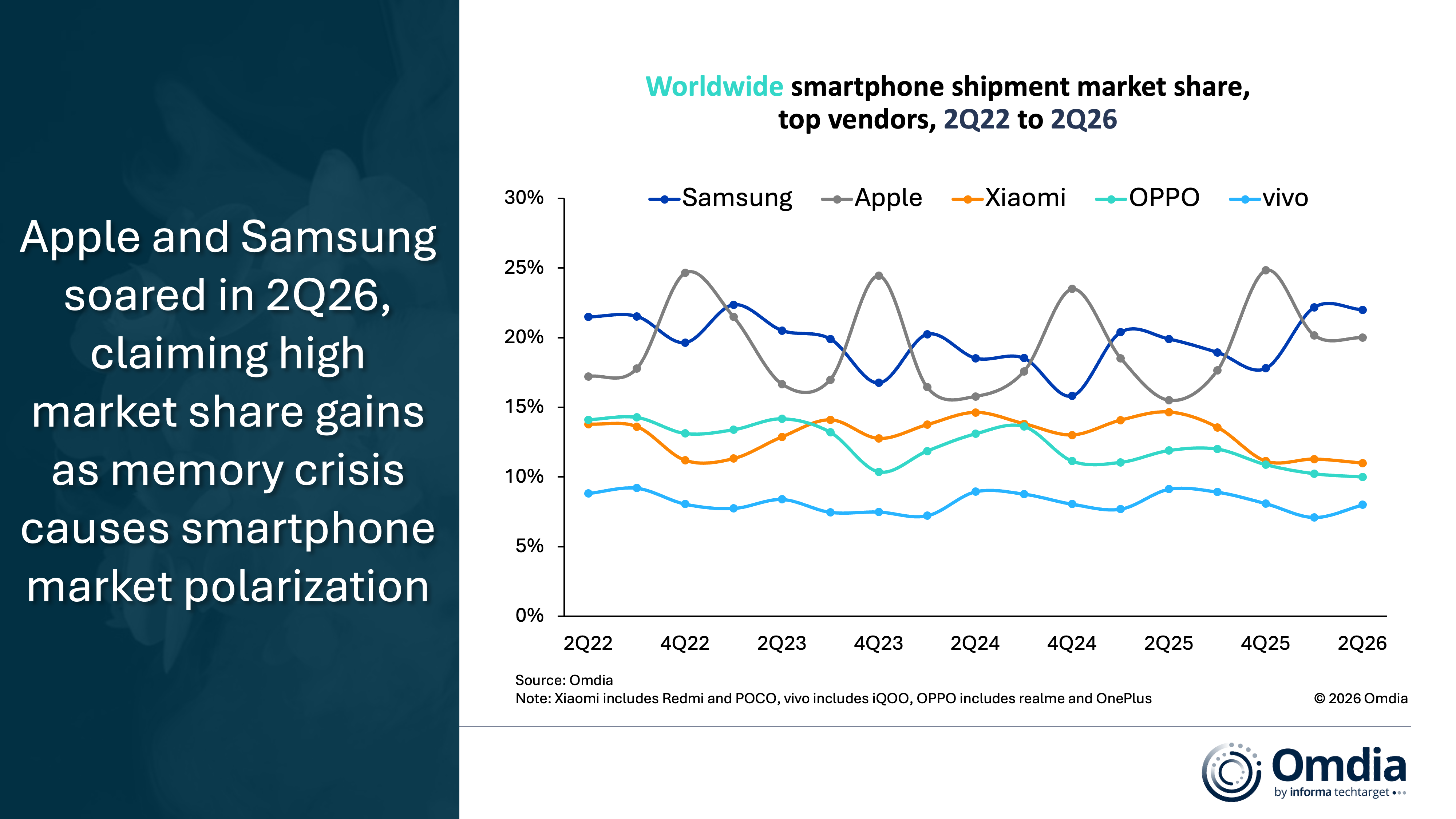
Global smartphone shipments fell 4% year-on-year in the second quarter as an ongoing memory crisis disrupted supply and pushed up component costs. Another industry tracker shows worldwide smartphone shipments dropping to 277.5 million units in the same period, a steeper 6.7% decline. This isn’t a routine dip; it is the second consecutive quarter of contraction driven mainly by a memory chip supply crisis that has raised component costs and caused shortages. In this squeeze, Apple and Samsung did not merely survive; they expanded. While the pie shrank, their slices grew, proving that downturns can be profitable if a brand has the scale, pricing power, and loyal users to shift from volume to value.
Apple and Samsung’s dominance is not an accident
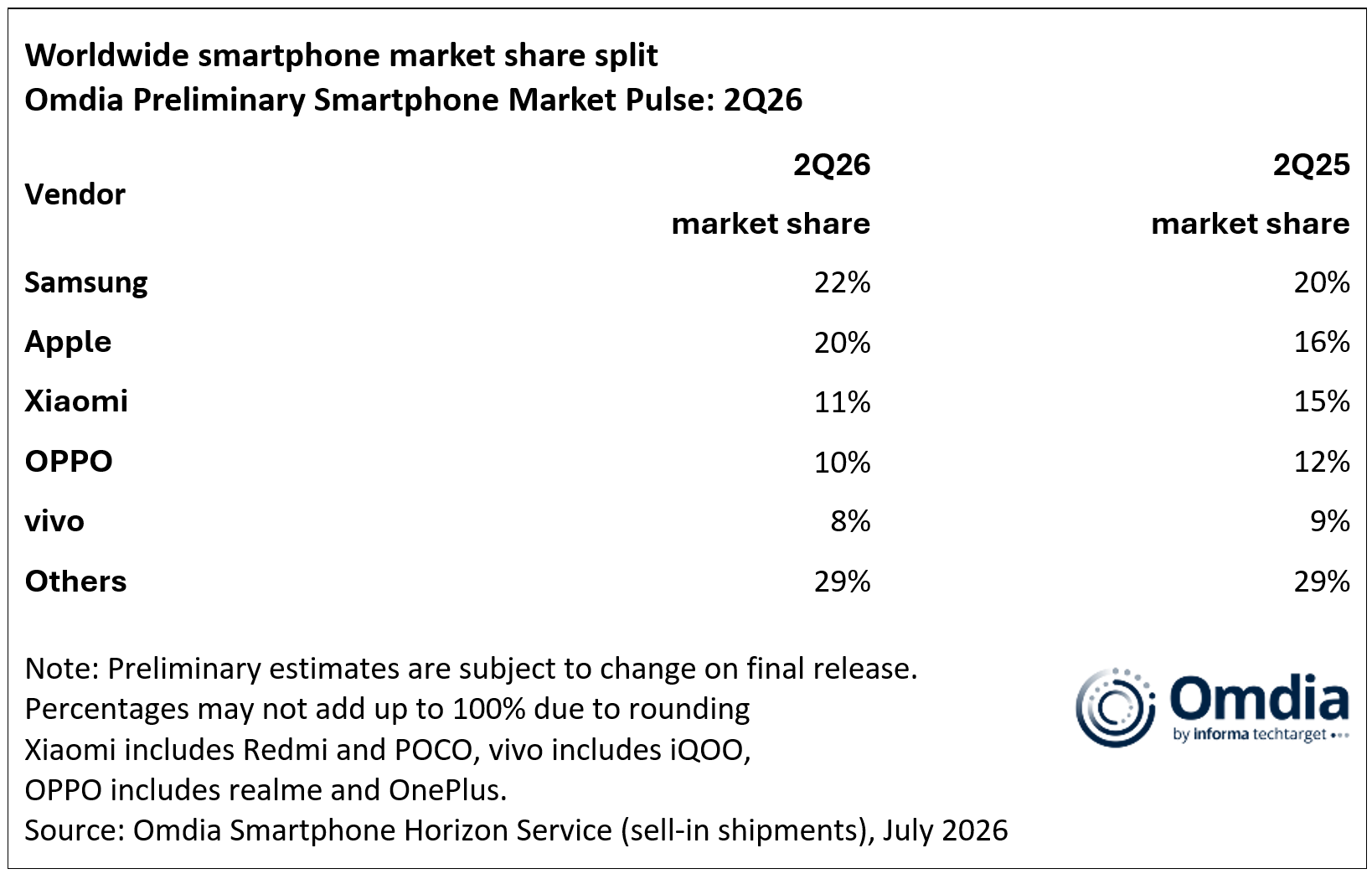
Apple and Samsung are turning market stress into market consolidation 2026, and that is no coincidence. Samsung stayed the largest smartphone vendor with 22% market share in the quarter, helped by resilient demand and strong supply availability. Apple delivered its best second-quarter performance ever, capturing a record-high 20% market share in what is usually its slowest season. Both brands grew shipments and increased their market share by 2 and 4 percentage points respectively compared with the previous year.
Their advantage is structural. Premium brands benefit from advanced memory procurement agreements and a lower bill-of-material share related to memory, which shields them from cost spikes and lets them keep prices steadier while rivals are forced to raise theirs. One quotable reality sums up this power shift: "Samsung remained the largest smartphone vendor in Q2 with 22% market share, while Apple reached a record-high 20% in its best second-quarter performance." In other words, the more the market hurts, the more Apple Samsung dominance grows.
Xiaomi’s strategic retreat from the low end
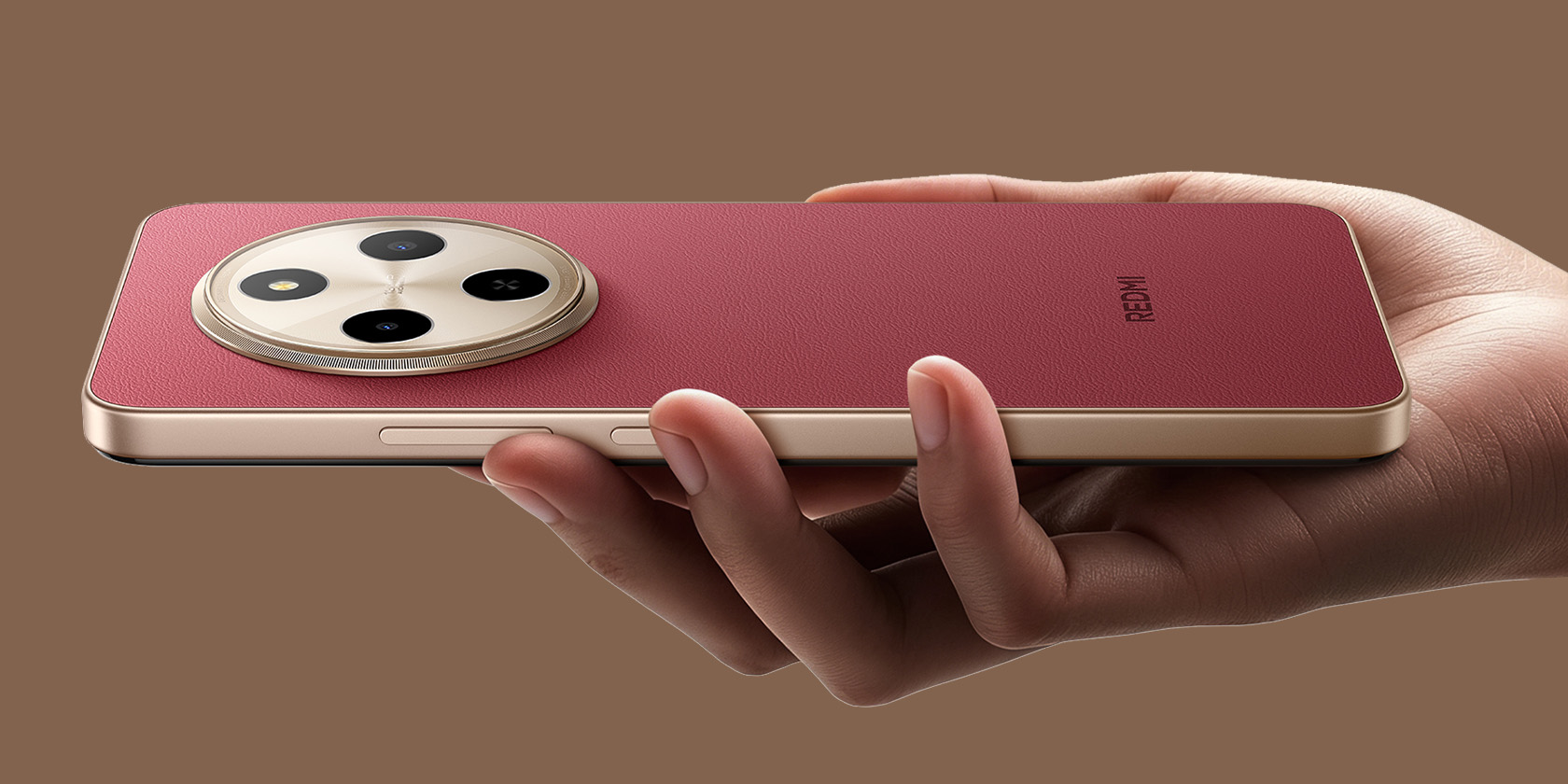
If Apple and Samsung are doubling down on premium, Xiaomi is quietly retreating from the bargain bin. Among all tracked brands, Xiaomi recorded the steepest shipment fall, yet industry analysts say this was deliberate rather than a sign of collapse. Worldwide smartphone shipments dropped to 277.5 million units with a 6.7% decline, and Xiaomi chose to be part of the decline instead of chasing unprofitable volume.
IDC interprets Xiaomi’s sharp shipment drop as a strategic pivot away from low-margin volumes toward higher price tiers. Soaring memory costs—nearly 300% higher than last year—now make memory more than 65% of the bill of materials for budget smartphones, destroying margins in the sub-$200 segment that used to be Xiaomi’s playground. Xiaomi defended its third-place position overall with 11% market share, but only by choosing to play a different game. It is betting that fewer, more profitable devices beat endless cheap models that lose money at scale.
The bifurcated market and the mid-tier squeeze
The smartphone industry is no longer a smooth spectrum from entry-level to flagship; it is splitting into two camps. The enduring memory chip shortage and rising costs have bifurcated the smartphone industry into premium brands with supply advantages and value-oriented vendors who rely on volume sales. Mass-market segment declines hit hardest in the sub-$400 band, where supply is tightest, margins thinnest, and price sensitivity highest. As a result, vendors are shifting strategies from volume to value by reoptimizing portfolios and adjusting retail pricing.
Mid-tier manufacturers now face a cruel choice: differentiate sharply or exit whole segments. Xiaomi holds 11% market share, OPPO 10%, and vivo 8%, but all three face accelerating declines in the budget segment. Conversely, leading brands such as Samsung, Apple, and Huawei display positive growth and widening market share gaps under the same conditions. This is textbook market consolidation 2026: when costs rise and demand cools, the middle thins out, and only brands with clear identities or strong ecosystems stay relevant.
What this means for everyday users and what comes next
For ordinary buyers, this power shift has a direct cost. While moving upmarket protects margins and revenue, vendors offer fewer options to budget-constrained consumers. Many mass-market buyers will be forced to delay purchases, downgrade expectations, use financing, or opt for refurbished devices. Consumers waiting for affordable models from Xiaomi may see fewer new launches, even as the company tries to balance this with a diversified lineup.
The tough news is that this squeeze will not end quickly. Memory price declines are expected to begin at the earliest in the second half of 2027, and prices are unlikely to return to pre-2025 levels. Analysts also anticipate the sharpest volume declines in the next two quarters, when peak seasonal demand collides with constrained memory supply. Another forecast sees market recovery only around 2028–2029 as new upgrade cycles arrive and memory prices stabilize. The conclusion is uncomfortable but clear: the smartphone industry is entering a long phase where fewer brands, fewer cheap phones, and stronger Apple Samsung dominance will define everyday choices.